The Garmin Venu 3S took my fitness regimen to the next level and now it is selling at a record low price

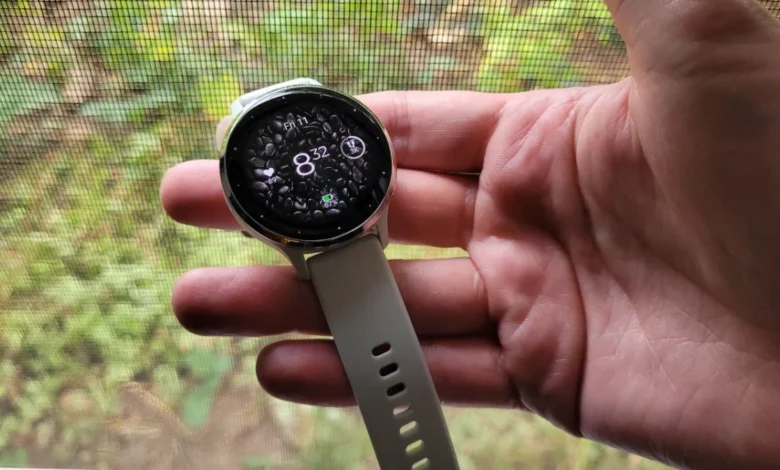
The Garmin Venu 3S has reached an unprecedented market milestone, with Amazon currently offering a 36% discount on the premium fitness wearable. This price reduction marks the lowest cost ever recorded for the device since its commercial release, positioning it as a significant value proposition within the competitive landscape of health-focused smartwatches. By lowering the entry point to $288, Garmin and its retail partners are effectively intensifying the competition against other major industry players like Apple, Samsung, and Google.
Product Positioning and Market Context
Garmin, traditionally known for its rugged, high-performance multisport watches like the Fenix and Forerunner series, introduced the Venu line to capture a demographic that prioritizes aesthetic versatility alongside technical performance. The Venu 3S represents a pivot toward the "lifestyle-first" consumer—individuals who require sophisticated biometric tracking but demand a form factor suitable for office environments or social settings.
The market for wearable technology has matured significantly over the last three years. According to industry analysis from organizations such as IDC and Counterpoint Research, consumers are increasingly moving away from basic activity trackers toward advanced smartwatches that integrate seamless health monitoring with daily productivity tools. The Venu 3S serves this specific intersection, offering a balance between the hyper-focused athletic data of a Fenix watch and the sleek, notification-heavy interface of a traditional smartwatch.
Technical Specifications and Performance Metrics
The Garmin Venu 3S is engineered with a comprehensive sensor suite that distinguishes it from entry-level fitness trackers. The device includes fourth-generation optical heart rate sensors, an SpO2 (Pulse Ox) monitor for blood oxygen saturation, and electrocardiogram (ECG) capabilities, which allow users to monitor heart rhythm irregularities.
One of the defining features of the Venu 3S is its integration of proprietary Garmin analytics, most notably the "Body Battery" energy monitoring system. This algorithm calculates a user’s physiological readiness by synthesizing data from sleep quality, heart rate variability (HRV), and activity stress. The device also utilizes a refined "Sleep Score" metric, which provides actionable insights into recovery—a critical component for both high-performance athletes and casual users seeking to improve their overall well-being.
Regarding its hardware, the device features a high-resolution AMOLED display, housed in a chassis designed for users with smaller wrist circumferences. Despite its compact footprint, it maintains a robust battery life of approximately 10 days in smartwatch mode, a figure that significantly outpaces many of its OLED-based competitors, which often require daily charging.
Chronology of the Venu Series Evolution
The trajectory of the Venu line reflects Garmin’s broader strategy of iterative technological refinement. The original Venu was launched as a response to the dominance of the Apple Watch, focusing on the introduction of an AMOLED screen to the Garmin ecosystem.
- 2019: Garmin launches the original Venu, marking the company’s transition to vibrant display technology.
- 2021: The Venu 2 and 2S arrive, introducing faster processors and enhanced health tracking features, such as Health Snapshot and expanded sleep stage analysis.
- 2023: The Venu 3 and 3S are released, bringing native sleep coaching, nap detection, and enhanced accessibility features for wheelchair users, such as push tracking and handcycle-specific workouts.
- 2024: The current retail environment sees the Venu 3S hit its historic price floor, signaling a shift in the product life cycle as newer iterations or complementary accessories are anticipated.
Comparative Analysis and Industry Implications
The decision to discount the Venu 3S by 36% serves as a strategic maneuver to clear inventory and increase market share in the mid-range wearable sector. When compared to the industry standard-bearer, the Apple Watch Series 9, the Venu 3S occupies a unique space. While the Apple Watch offers deeper integration with the iOS ecosystem and a wider array of third-party applications, the Venu 3S offers superior battery efficiency and a more focused approach to long-term health tracking without the need for a subscription service.
For the average consumer, the Venu 3S provides more than 30 pre-installed indoor and outdoor activity modes, including cycling, swimming, and strength training. Furthermore, the inclusion of 8GB of onboard storage allows for local music playback, enabling users to exercise without a smartphone. This degree of autonomy is increasingly sought after, particularly as runners and cyclists look to minimize the equipment carried during workouts.
Manufacturer and Retailer Strategy
Retail experts suggest that the current price drop at Amazon is likely a coordinated effort between the manufacturer and the retailer to stimulate demand during a traditionally quiet period for hardware sales. By hitting a "record low" price point, Garmin is able to attract fence-sitters—potential customers who have been observing the brand’s offerings but were deterred by the initial $350-$450 price bracket.
Garmin’s software-as-a-service approach is also relevant here. Unlike some competitors that gate certain health metrics behind a paywall, Garmin provides the vast majority of its data analysis within the Garmin Connect app for free. This "buy once, own forever" philosophy continues to be a major selling point for users who are weary of the subscription fatigue prevalent in the modern fitness tech market.
Broader Impact on the Wearable Market
The implications of this price adjustment are twofold. First, it puts pressure on other manufacturers to match value propositions at the sub-$300 price point. Second, it highlights the growing importance of the "lifestyle fitness" category, where the aesthetic of the hardware is considered just as important as the precision of the sensors.
As the industry moves toward more advanced AI-driven health coaching, the data collected by devices like the Venu 3S becomes increasingly valuable. By expanding the user base through aggressive pricing, Garmin is not only moving hardware units but also expanding the dataset it uses to refine its health algorithms, which helps the company maintain its competitive edge against tech giants like Google (Fitbit) and Samsung.
Considerations for Potential Buyers
For those currently evaluating the Venu 3S, the hardware remains highly relevant for the 2024-2025 period. While the device may not feature the advanced mapping or tactical endurance capabilities of the flagship Fenix or Epix lines, it is not intended for that demographic. It is designed for the athlete who values data-driven health insights, long battery life, and a discreet, professional design.
Prospective buyers should note that while the device is compatible with both iOS and Android, the experience is largely consistent across both platforms, though Android users gain slightly more functionality regarding quick text replies. With the device now priced at $288, the barrier to entry has been significantly lowered, making the Venu 3S one of the most compelling options for anyone looking to transition from a basic tracker to a comprehensive health-tracking smartwatch.
Conclusion
The Garmin Venu 3S remains a cornerstone of the modern fitness wearable market. Its combination of aesthetic versatility, robust health metrics, and long-term battery performance provides a distinct alternative to the mainstream smartwatch market. The recent record-low pricing at Amazon underscores the ongoing competition in the sector and provides a clear window of opportunity for consumers to access high-tier biometric monitoring at a price point that is increasingly competitive with mid-range alternatives. As Garmin continues to iterate on its software and feature sets, the Venu 3S stands as a testament to the brand’s ability to cater to both the dedicated fitness enthusiast and the everyday user seeking to better understand their physiological health.