Apple Pilots AI-Powered Live Notes System to Transcribe and Summarize Genius Bar Customer Sessions

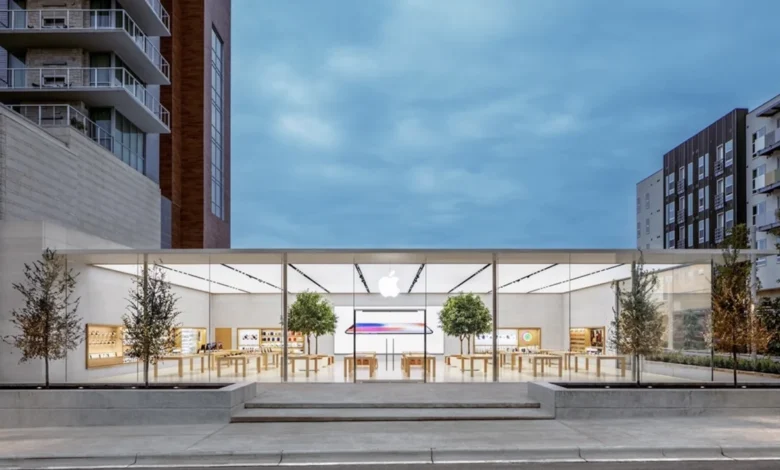
Apple has officially commenced a pilot program for a sophisticated new artificial intelligence system dubbed "Live Notes," designed to streamline the technical support experience at its retail locations. According to a comprehensive report from Bloomberg’s Mark Gurman in the latest Power On newsletter, the system is currently being tested at select Apple Store locations globally. The initiative represents a significant step in Apple’s broader strategy to integrate generative AI into its internal operations, specifically targeting the efficiency of the Genius Bar—the company’s signature technical support hub.
The Live Notes system utilizes advanced machine learning algorithms to record, transcribe, and summarize interactions between Genius Bar technicians and customers. When a session begins, the AI listens to the dialogue and generates a real-time transcript. Once the consultation concludes, the system produces a concise summary of the technical issues discussed, the diagnostic steps taken, and the proposed solutions. This summary is then integrated into Apple’s proprietary internal Genius Bar management software, which tracks the history of customer devices and repair cycles.
The Objective: Enhancing Customer Engagement Through Automation
The primary motivation behind the implementation of Live Notes is to improve the quality of face-to-face customer service. Historically, Genius Bar employees—often referred to as "Genies" or Technical Specialists—have been required to manually document every interaction. This process involves typing detailed notes into a tablet or terminal while simultaneously communicating with the customer and performing hardware diagnostics.
By automating the documentation phase, Apple aims to allow its employees to maintain better eye contact and engagement with the customer, fostering a more personalized and less "transactional" atmosphere. From a logistical standpoint, the system is expected to reduce the "administrative tail" of a support appointment—the minutes spent after a customer leaves where a technician must finalize their notes before calling the next person in the queue. Over the course of a day, saving three to five minutes per appointment across thousands of stores could result in a massive increase in total daily appointment capacity.

Technical Infrastructure and the Apple Intelligence Connection
While Apple has not publicly detailed the specific architecture of Live Notes, the timing of the pilot coincides with the rollout of "Apple Intelligence," the company’s suite of generative AI features announced at the 2024 Worldwide Developers Conference (WWDC). It is highly probable that Live Notes utilizes the same foundational models that power the "Summarize" and "Transcription" features coming to iOS 18 and macOS Sequoia.
The system likely leverages on-device processing to handle initial speech-to-text conversion, adhering to Apple’s strict privacy standards. However, the summarization of complex technical jargon—ranging from logic board failures to iCloud synchronization errors—requires a specialized Large Language Model (LLM) trained on Apple’s internal technical documentation and support manuals. This ensures that the summaries are not only grammatically correct but technically accurate and useful for future technicians who may handle the same device.
Chronology of Apple’s Retail Evolution
To understand the significance of Live Notes, one must look at the evolution of the Apple Store since its inception in 2001.
- 2001–2010: The Manual Era. Genius Bar sessions were documented in basic database systems. Technicians relied heavily on memory and quick typing, often leading to inconsistent records.
- 2011–2017: The Mobile Shift. Under the leadership of Angela Ahrendts, Apple moved toward a "concierge" model. iPads were introduced to the Genius Bar, allowing technicians to move around the store but still requiring manual data entry.
- 2018–2023: Data Consolidation. Apple began using more predictive analytics to suggest repairs based on diagnostic logs, though the human narrative of the session remained manual.
- 2024–Present: The AI Integration. The pilot of Live Notes marks the first time ambient AI has been used to capture the verbal nuance of a customer service interaction at Apple.
Privacy Protocols and the Consent Framework
In an era of heightened sensitivity regarding data privacy, Apple has implemented several safeguards to address potential concerns from both customers and staff. According to the report, Live Notes is strictly an "opt-in" program. Before any recording begins, the Apple employee must inform the customer that the session will be transcribed by an AI tool and obtain their verbal or digital consent. If either the employee or the customer declines, the session proceeds with traditional manual note-taking.
Furthermore, Apple has clarified several key privacy points to its retail staff:
- Transcript Editing: Employees have the authority to review and edit both the full transcript and the AI-generated summary before it is officially saved to the customer’s record. This allows for the correction of technical inaccuracies or the removal of sensitive personal information mentioned during the conversation.
- Storage Limitations: Apple has indicated that the raw audio recordings themselves are not permanently stored. Once the transcript is generated and verified, the audio file is deleted, leaving only the text-based data in the Genius Bar system.
- Managerial Access: To alleviate fears of micromanagement, Apple has stated that store managers do not have direct access to the raw transcripts for the purpose of monitoring individual employee performance in real-time.
Employee Concerns and Labor Implications
Despite the promised benefits of efficiency and reduced workload, the pilot program has met with a degree of skepticism among the retail workforce. Sources within the Apple retail community have expressed concerns that Live Notes could eventually transform into a performance-monitoring tool. The fear is that "summaries" could be used to calculate metrics such as "sentiment analysis" or "technical accuracy," which might then influence performance reviews, bonuses, or promotion eligibility.
Labor advocates and unionized Apple Store locations (such as those in Maryland and Oklahoma) are reportedly monitoring the situation closely. The concern is that while the program is currently marketed as a tool for "coaching" and "efficiency," the line between helpful feedback and constant surveillance can be thin. If the system flags that a technician took too long to reach a conclusion or used "non-standard" language, it could lead to a more rigid and automated management style that many retail workers find demoralizing.
Broader Impact on the Tech Support Industry
Apple’s move into AI-driven support documentation is likely to set a precedent for the broader consumer electronics industry. Competitors like Best Buy’s Geek Squad or Samsung’s support centers often face the same bottleneck: the conflict between providing high-quality human interaction and maintaining accurate digital records.
By proving the viability of ambient AI in a high-traffic retail environment, Apple is essentially beta-testing a new standard for professional services. If successful, this technology could expand beyond technical support into other sectors, such as healthcare (for doctor-patient consultations) or legal services, where accurate transcription and summarization are critical.
Fact-Based Analysis of Future Implications
The long-term success of Live Notes depends on its ability to handle the "noise" of a busy Apple Store. Retail locations are often loud, with high ceilings and significant background chatter. The microphones on the iPads or iPhones used by Geniuses must be capable of isolating the voices of the technician and the customer while filtering out the surrounding environment. If the AI produces "hallucinations" or inaccurate summaries due to poor audio quality, it could actually increase the workload by forcing technicians to spend more time correcting errors than they would have spent typing from scratch.

Furthermore, there is the question of global scalability. Apple operates stores in over 25 countries, necessitating a system that can accurately transcribe and summarize dozens of languages and regional dialects. The linguistic complexity of technical support—where customers often use non-technical metaphors to describe hardware failures—presents a unique challenge for natural language processing models.
Conclusion and Rollout Trajectory
As of mid-2024, Live Notes remains in a controlled pilot phase. Apple has not yet announced a timeline for a wider rollout to its more than 500 retail stores worldwide. The company is likely gathering data on the accuracy of the summaries, the rate of customer opt-ins, and the overall impact on "Net Promoter Scores" (NPS), which Apple uses to measure customer satisfaction.
If the data demonstrates that Live Notes improves store throughput without compromising privacy or employee morale, it will likely become a standard feature of the Apple Retail experience by 2025. This initiative underscores Apple’s broader commitment to becoming an AI-first company, not just in the products it sells to consumers, but in the very fabric of how it operates its multi-billion dollar retail empire. The transition from manual logs to AI-summarized sessions marks the end of an era for the Genius Bar and the beginning of a more automated, data-driven approach to technical support.