Googlebook pre-orders open September 21 marking a new era for premium mobile computing

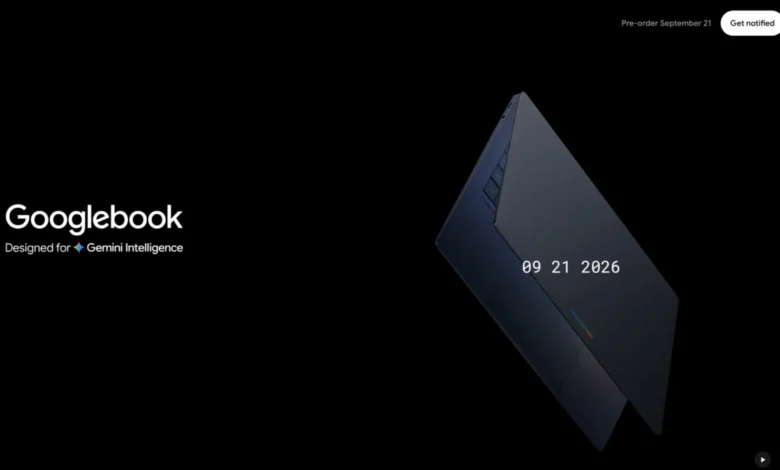
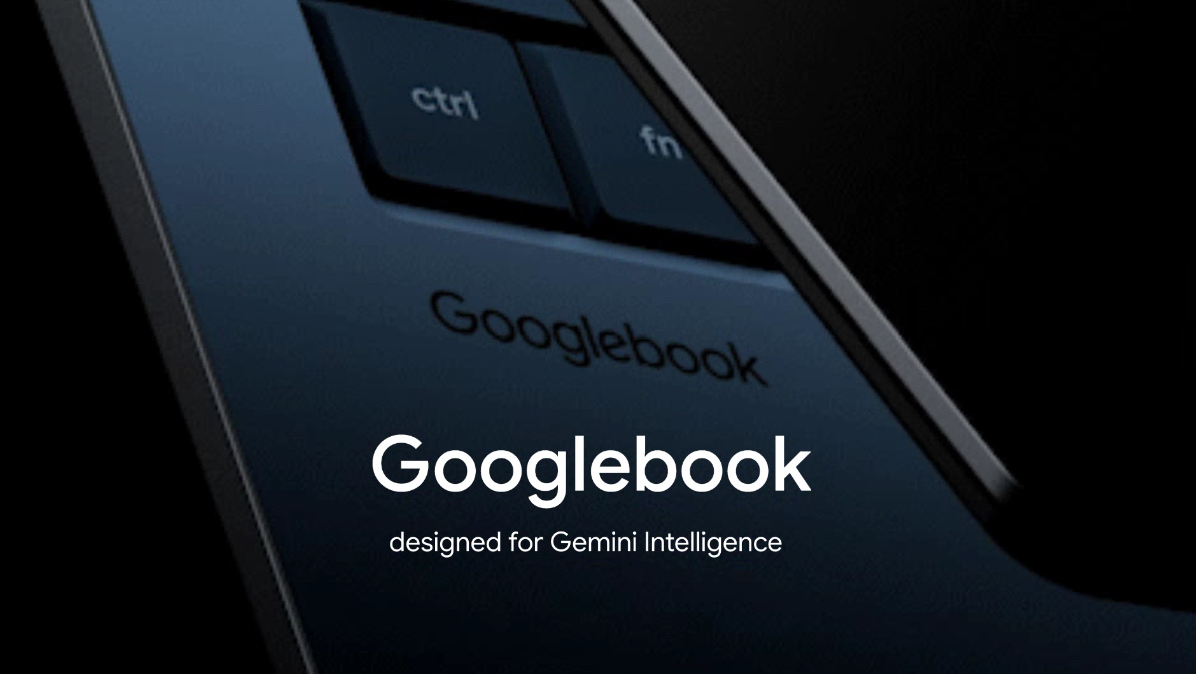
Google has officially confirmed that the highly anticipated Googlebook series will be available for pre-order starting September 21 at 9 a.m. ET. This announcement, delivered via direct communication to its user base and supported by a dedicated landing page, signals the company’s definitive shift away from its traditional ChromeOS-centric hardware strategy. These premium laptops represent the first major hardware category built upon Google’s new Android-based technology stack, positioning the devices as a cornerstone of the company’s "intelligence system" era.
The Evolution of the Google Ecosystem
The journey toward the Googlebook began earlier this year during The Android Show, where Google unveiled the product category as a "one more thing" surprise. At that time, executives provided little more than a conceptual glimpse into a device class designed to bridge the gap between high-performance computing and the mobile-first intelligence of the Android ecosystem. By moving to an Android-based architecture, Google is effectively consolidating its software offerings, aiming to create a seamless environment where the barrier between a smartphone and a laptop is virtually eliminated.
Industry analysts have noted that this move is a strategic departure from the established Chromebook market. While Chromebooks have long served as the backbone of the educational and budget-conscious consumer sectors, the Googlebook is clearly aimed at the premium, productivity-focused segment. By leveraging a unified Android-based stack, Google intends to offer an experience that feels native to mobile users while providing the processing power necessary for intensive professional workflows.
Feature Sets and the Role of Artificial Intelligence
Central to the Googlebook experience is the deep integration of Gemini, Google’s advanced artificial intelligence model. The hardware is designed to facilitate AI-driven tasks that were previously cumbersome on traditional operating systems. Among the highlighted features is the "Magic Pointer," a tool that enables users to invoke Gemini directly through cursor interactions. This integration is designed to reduce the friction of toggling between browser tabs or standalone apps, allowing for real-time analysis, content generation, and system navigation.
Furthermore, the operating system allows for the creation of dynamic, custom widgets. By utilizing natural language prompts, users can define the specific functionality and visual layout of their workspace, effectively allowing the OS to adapt to individual professional requirements. This focus on "intelligence-first" design implies that the underlying hardware—likely to be provided by partners such as Acer, ASUS, Dell, HP, and Lenovo—will prioritize neural processing units (NPUs) and high-bandwidth memory to accommodate the demands of local AI processing.
Connectivity: The Android-Laptop Synergy
A significant challenge in the current personal computing landscape is the fragmentation between mobile devices and desktop environments. Google is positioning the Googlebook as the ultimate companion to the Android smartphone. According to the technical specifications teased thus far, users will be able to stream Android applications directly to the laptop display, mirroring the experience found on high-end tablets but within a traditional clamshell form factor.
Beyond mere screen mirroring, the integration extends to the file system. Users will have granular access to files stored locally on their Android phones, allowing for drag-and-drop transfers that bypass the need for cloud uploads or physical cables. This cross-device functionality is expected to be a primary selling point for users already deeply embedded in the Google ecosystem, particularly those utilizing Pixel or other premium Android flagship devices.
Industry Context and Competitive Landscape
The launch of the Googlebook arrives at a complex time for the hardware industry. Global laptop shipments have fluctuated over the past 24 months, impacted by post-pandemic supply chain adjustments and a broader economic slowdown. However, the premium segment—often referred to as the "ultra-portable" or "creator" category—has remained relatively resilient.
The market is currently crowded with established players. Windows-based laptops, particularly those integrating the latest ARM-based architectures and dedicated AI silicon, are currently fighting for dominance. Simultaneously, the rise in raw material costs, including memory (DRAM) and NAND flash storage, has pressured manufacturers to maintain profit margins while keeping retail prices competitive. The entry of Googlebooks adds a new variable to this competitive dynamic. By opting for an Android-based stack, Google is essentially creating a third pillar of computing, distinct from the legacy Windows ecosystem and the closed Apple macOS environment.
Implications for the Developer Community
For developers, the transition to an Android-based laptop stack represents both an opportunity and a challenge. Applications built for Android will theoretically scale to the laptop form factor with greater ease than before, potentially revitalizing the Android tablet and desktop app ecosystem. However, it also requires developers to optimize their interfaces for keyboard and mouse input, a task that has historically been the "Achilles’ heel" of Android apps on larger displays.
Industry observers expect that Google will likely announce a suite of developer tools alongside the pre-order launch to encourage the porting of high-performance applications to the platform. If successful, the Googlebook could unify the development lifecycle, allowing a single codebase to serve phones, tablets, and laptops effectively.
A Timeline of the Rollout
While the pre-order date of September 21 has been firmly established, the actual shipping timelines remain a point of interest for the industry. Historically, major hardware launches of this magnitude involve a "wave" approach, where flagship devices from primary partners are released first, followed by mid-range or specialized enterprise units.
The website established by Google (googlebook.google) serves as the primary hub for this information. As of now, the company is maintaining a degree of mystery regarding the specific technical specifications of the launch models. We expect that by the time pre-orders go live, detailed hardware sheets—detailing CPU, RAM, and battery performance—will be made available.
Broader Impact and Future Projections
The shift toward an Android-based laptop platform is not merely a product launch; it is a foundational change in Google’s long-term vision for the computing industry. If the Googlebook succeeds in gaining traction among professional and enterprise users, it could effectively render the distinction between "mobile" and "desktop" operating systems obsolete.
Furthermore, the emphasis on local AI processing suggests that Google is moving away from the purely cloud-dependent model that characterized the early days of ChromeOS. By integrating Gemini at the OS level, Google is signaling that the future of computing lies in the symbiosis of high-performance local hardware and sophisticated, generative intelligence.
As the industry prepares for the September 21 event, all eyes will be on the price points and the breadth of the initial hardware lineup. If Google can deliver on the promise of a seamless, AI-integrated, and highly mobile-compatible laptop, it may well force a pivot in how competitors design their own future product generations. For now, the tech community remains in a state of cautious optimism, awaiting the reveal of the official name of the operating system that will define the next decade of Google’s hardware journey.