KuCoin Spotlight Returns With Gno.land GNOT Pre-listing Subscription to Pioneer New Participation Framework

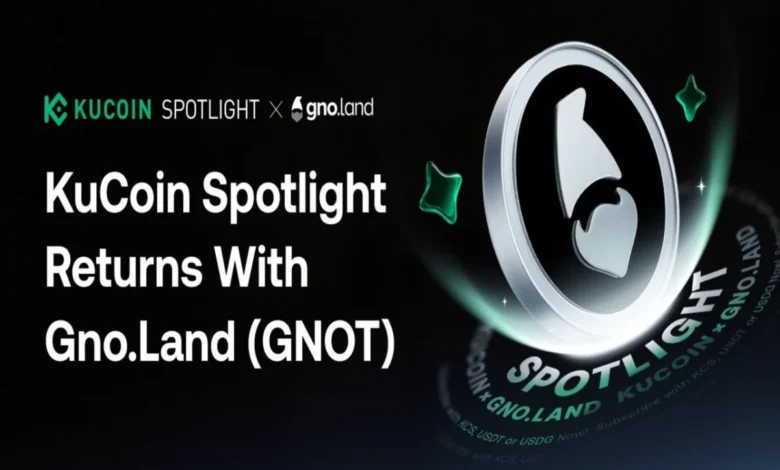
The cryptocurrency exchange landscape is witnessing a significant shift in how early-stage projects interface with retail investors as KuCoin officially revives its Spotlight platform. The latest initiative introduces Gno.land (GNOT), a Layer 1 smart-contract network, as the flagship project for this refreshed subscription model. By offering 7,751,938 GNOT tokens at a fixed price of $0.0645 per unit, KuCoin is signaling a strategic pivot toward more structured, equitable, and transparent token distribution processes for its global user base of over 45 million participants.
The Evolution of the KuCoin Spotlight Framework
KuCoin Spotlight has historically served as a launchpad for high-potential blockchain projects, providing a curated environment for users to gain early access to tokens before they hit the broader spot market. The return of the program is not merely a restart; it is a fundamental redesign of the participation mechanics. The updated framework addresses long-standing challenges in token distribution, such as "gas wars" and disproportionate whale influence, by implementing an oversubscription mechanism coupled with pro-rata allocation.
Under this new structure, the subscription is facilitated via a multi-asset approach, allowing users to participate using KCS (KuCoin’s native utility token), USDT, and USDG. This flexibility is intended to lower the barrier to entry while maintaining a strong utility focus for the KCS ecosystem. Furthermore, the inclusion of an optional, conditional post-listing buyback mechanism introduces a layer of risk mitigation for participants—a feature that reflects the maturing expectations of the retail investment community regarding volatility and price discovery in the immediate aftermath of an exchange listing.
Understanding Gno.land: A Deterministic Approach to Smart Contracts
At the heart of this launch is Gno.land, a project spearheaded by the developers at NewTendermint. Unlike standard Ethereum Virtual Machine (EVM) compatible chains, Gno.land distinguishes itself through its foundational language: Gno. Gno is a deterministic variation of the Go programming language, specifically optimized for the constraints and requirements of on-chain applications.
The deterministic nature of Gno ensures that code execution remains predictable and consistent across the network, a critical requirement for complex smart contracts. GNOT, the native token of the Gno.land ecosystem, serves multiple essential functions. Beyond its role as a medium of exchange, GNOT is the primary mechanism for paying gas fees, securing storage deposits, and facilitating cross-chain interactions. By integrating Gno.land into its Spotlight lineup, KuCoin is emphasizing the importance of infrastructure projects that prioritize developer ergonomics and network efficiency. The project’s reliance on Go, a language with massive adoption in traditional enterprise software development, suggests a deliberate attempt to bridge the gap between legacy engineering talent and the decentralized finance (DeFi) sector.
Chronology and Strategic Implementation
The timeline for the Gno.land launch follows a rigorous schedule designed to ensure fairness and regulatory compliance. The subscription window, which requires users to navigate to the KuCoin Spotlight Center, is the culmination of months of technical integration and due diligence.
- Project Vetting Phase: KuCoin’s research arm conducted an assessment of the Gno.land protocol, focusing on its consensus mechanism, developer community, and the long-term utility of the GNOT token.
- Framework Design: The development team finalized the oversubscription logic, ensuring that if total demand exceeds the supply of 7,751,938 GNOT, tokens are allocated proportionally to the size of the individual subscription relative to the total pool.
- Announcement and Public Disclosure: Official documentation was released to provide clarity on the buyback mechanism, allowing users to weigh the optional protection offered during the post-listing volatility phase.
- Subscription Period: Users commit their chosen assets (KCS, USDT, or USDG) to the pool. The system calculates the pro-rata share based on the total committed funds.
- Token Distribution and Trading: Once the subscription concludes, the GNOT tokens are distributed, and spot trading pairs are initialized, marking the transition from pre-listing to secondary market discovery.
Data-Driven Perspectives on Token Launch Models
The shift toward pro-rata allocation represents a departure from "first-come, first-served" models that have dominated the industry since the 2017 ICO boom. Industry data suggests that pro-rata models lead to higher levels of community satisfaction and lower instances of market manipulation. By allowing users to opt into a buyback mechanism, KuCoin is also responding to the increased regulatory scrutiny regarding consumer protection.
Supporting data from previous Spotlight launches and broader industry trends indicates that Layer 1 infrastructure projects often require a sustained "bootstrapping" period. The decision to fix the price at $0.0645 provides a stable anchor point for the market. While this fixed price offers predictability, it also requires the project to provide robust tokenomics that can sustain value once the token enters the open market where supply and demand dynamics take over.
Institutional Foundation and Security Standards
KuCoin’s ability to facilitate such complex launches is bolstered by its extensive compliance and security infrastructure. Founded in 2017, the platform has evolved into a global powerhouse, managing a product suite that includes over 1,500 digital assets. The exchange has prioritized institutional-grade security, evidenced by its array of certifications, including SOC 2 Type II, ISO/IEC 27001:2022, and the newer ISO/IEC 42001:2023 for AI management systems.
This commitment to security is not just a branding exercise but a functional necessity for participating in a launchpad environment. For Gno.land, the partnership with an exchange that holds an AUSTRAC registration in Australia and a MiCA license in Europe provides a level of legitimacy that is essential for developers building long-term, high-stakes infrastructure. As the regulatory environment tightens globally, the ability to operate within compliant frameworks becomes a primary determinant of which projects receive mainstream exposure.
Implications for the Layer 1 Ecosystem
The integration of a Go-based smart-contract platform into the Spotlight ecosystem highlights a broader trend: the fragmentation of the Layer 1 market into specialized, language-specific niches. While Ethereum remains the dominant force, the demand for deterministic, highly performant environments is growing. Gno.land is positioning itself to capture developers who find the overhead of existing virtual machines to be an impediment to high-frequency or high-complexity contract deployment.
From a market perspective, the success of the GNOT launch will serve as a bellwether for the appetite of retail investors toward "infrastructure-heavy" projects in the current market cycle. While speculative assets often draw the loudest attention, the consistent performance of foundational networks often dictates the long-term health of the broader blockchain ecosystem.
Closing Remarks on Market Participation
The return of KuCoin Spotlight with Gno.land serves as a reminder that the crypto industry is still refining the mechanisms through which it funds and adopts new technology. For investors, the opportunity to participate at a fixed price, coupled with the security of a major global exchange, offers a unique value proposition. However, participants are advised to conduct independent research into the technical whitepaper of Gno.land and to fully understand the implications of the optional buyback mechanism before committing funds.
As KuCoin continues to expand its global footprint and regulatory compliance, the Spotlight program is expected to remain a critical venue for project discovery. By blending technological innovation with structured financial access, the exchange is reinforcing its role as a gateway between the cutting edge of blockchain development and the mass market of global users. Whether this new framework will set a standard for future token sales remains to be seen, but it is clear that the industry is moving toward a more disciplined and cautious approach to project incubation and listing.