Meta’s next smart glasses could solve a big privacy concern by ditching the camera


The strategic shift, detailed in recent industry reports, suggests that Meta is preparing to launch a new hardware line, codenamed "Luna," which strips away the imaging capabilities that have defined its previous generation of smart eyewear. By removing the cameras, Meta aims to bypass the intense scrutiny and social friction associated with recording devices in public spaces, while still maintaining a robust interface for its growing artificial intelligence ecosystem.
The Evolution of Meta’s Smart Eyewear
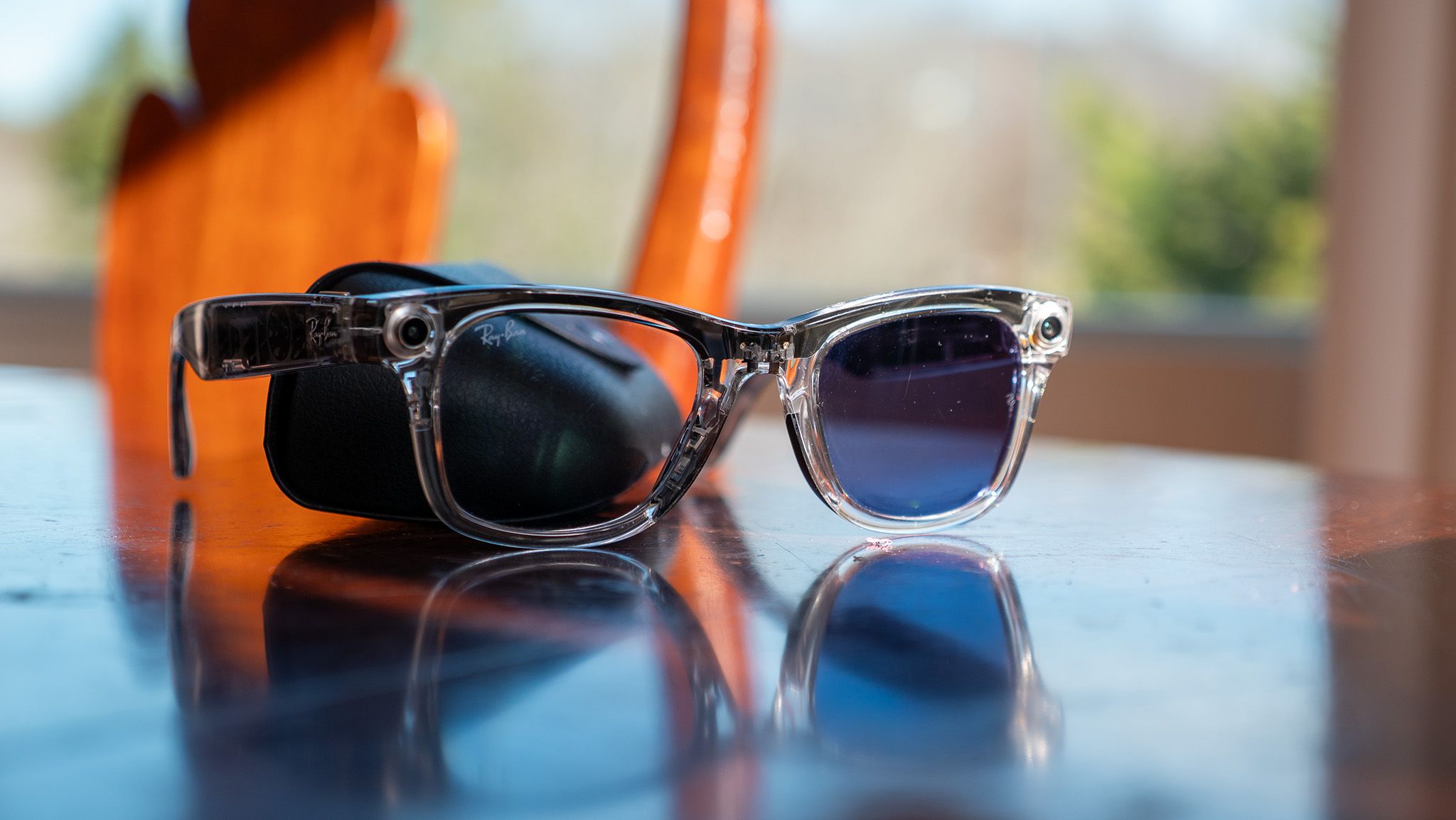
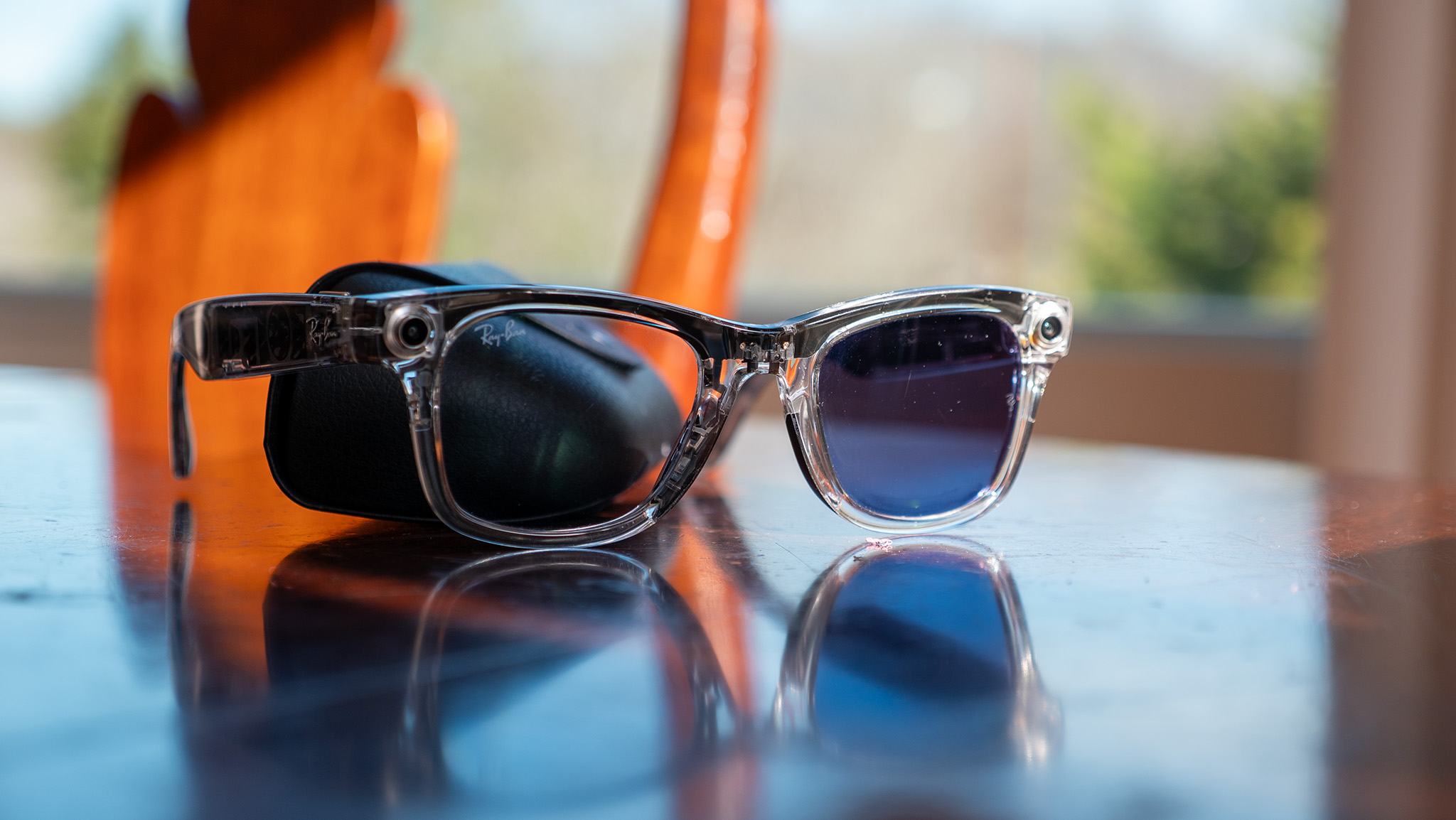
To understand the significance of the upcoming Luna launch, one must look back at the trajectory of Meta’s hardware division. The company first ventured into the smart glasses market through a partnership with Ray-Ban, resulting in the Ray-Ban Stories, which debuted in 2021. Those early units were focused heavily on content creation, featuring dual cameras for capturing photos and videos. However, the product faced immediate criticism regarding privacy. Critics argued that the presence of cameras—even with a small LED indicator—created an "always-on" surveillance culture in casual settings.
Meta subsequently released the second-generation Ray-Ban Meta glasses, which improved upon the camera quality, audio performance, and battery life. Despite these technical leaps, the privacy debate remained a persistent obstacle to mainstream adoption. Schools, businesses, and private social clubs have periodically raised concerns about the presence of glasses that can record without explicit consent, leading to bans or strict usage policies in certain venues. By developing a camera-free alternative, Meta appears to be pivoting toward a "utility-first" model, focusing on the functionality of its AI assistant rather than the controversial nature of point-of-view (POV) recording.
Technical Specifications and Design Philosophy
According to information surfacing ahead of the upcoming Meta Connect developer conference, the Luna project is expected to prioritize form factor and audio-centric interaction. The decision to remove the camera module is not merely a privacy feature; it is a design enabler. Without the space-consuming camera sensors, lenses, and image processing hardware, Meta can engineer a sleeker, more comfortable frame that closely mimics the weight and profile of traditional prescription eyewear.
The reported hardware suite for Luna includes a six-microphone array and six speakers directed toward the user’s ears. This configuration is designed to provide high-fidelity audio input and output, ensuring that interaction with the Meta AI chatbot is seamless and responsive. Users would theoretically be able to engage in natural, hands-free conversations with the AI, asking for information, translation, or task management without the need to retrieve a smartphone from their pocket.
The inclusion of a physical, dedicated button for Meta AI suggests that the company is doubling down on the "active interaction" model. This allows the user to maintain complete control over when the AI is listening, providing a layer of transparency and agency that has been a point of friction for voice-activated assistants in the past. The reported designs—tentatively dubbed "Clubmaster" and "Burbank"—indicate that Meta remains committed to the aesthetic success of its Ray-Ban collaboration, favoring classic, timeless silhouettes over futuristic, tech-heavy looks.
The Broader Augmented Reality Roadmap: The Phoenix Project
While Luna represents a short-term strategic adjustment, it is not the totality of Meta’s ambitions in the wearable space. Industry insiders have long pointed to the "Phoenix" project as the true North Star for Meta’s hardware division. Phoenix is expected to be a full-featured augmented reality (AR) headset, capable of projecting digital interfaces into the physical world.
The distinction between Luna and Phoenix is foundational: Luna is an AI-powered audio accessory, while Phoenix is intended to be a spatial computing platform. Meta is reportedly planning a major demonstration of the Phoenix technology, which will likely showcase advanced capabilities such as the creation of virtual, high-definition workspaces and expansive digital cinema screens.
The timeline for these technologies highlights the deliberate, multi-staged approach Meta is taking. While Luna is expected to ship in the near term—potentially following an announcement at this year’s Connect conference—Phoenix is a longer-term endeavor, with mass-market availability projected for 2027. This staggered release allows Meta to cultivate a user base comfortable with wearing smart glasses for AI interaction before introducing the more complex, visually demanding paradigm of true augmented reality.
Market Context and Consumer Sentiment
The wearable market has seen mixed success in recent years. While smartwatches and fitness trackers have achieved high penetration, "smart glasses" have struggled to move beyond the enthusiast demographic. Privacy concerns are frequently cited as the primary barrier. By stripping the camera, Meta is effectively lowering the barrier to entry for the "privacy-conscious" consumer who desires the convenience of an onboard digital assistant but is unwilling to compromise on the comfort of those around them.
Financial analysts note that this strategy could significantly expand Meta’s addressable market. By diversifying its hardware offerings, the company is attempting to satisfy two distinct consumer segments: the "creators" who use camera-equipped glasses to document their lives, and the "productivity-seekers" who use voice-integrated glasses to interact with digital tools.
Furthermore, this move aligns with Meta’s broader corporate shift toward artificial intelligence as its primary software engine. By integrating Meta AI into every aspect of its hardware, from the Ray-Ban Meta glasses to the upcoming Luna, the company is creating a "sticky" ecosystem where the hardware serves as the gateway to its proprietary software, reducing reliance on third-party mobile platforms like iOS and Android.
Ethical Implications and Regulatory Scrutiny
Despite the removal of cameras, the introduction of any wearable device that connects to the cloud to process voice data will likely draw attention from privacy advocates and regulators. The collection of voice data, even if anonymized or processed locally, remains a subject of intense debate. Meta will likely need to be transparent about its data handling practices, specifically regarding how voice interactions are stored, used to train future models, and shared with third parties.
The company has already taken steps to mitigate negative press, such as implementing strict protocols for the recording indicator lights on its camera-enabled glasses and ensuring that the devices cannot easily be modified to bypass these safeguards. It is expected that for the Luna glasses, the "privacy-first" narrative will be a central pillar of the marketing campaign. By positioning the product as "camera-free," Meta is signaling that it is listening to consumer feedback and is capable of iterating its hardware to align with societal norms.
Looking Toward Meta Connect
The upcoming Connect conference is expected to be a pivotal moment for the company. With the potential unveiling of the Luna hardware, Meta has an opportunity to reset the narrative around its wearable division. The event will likely feature live demonstrations of how these camera-free devices can manage complex queries, integrate with the user’s existing digital life, and provide a glimpse into the future of spatial computing via the Phoenix demos.
As the tech industry watches closely, the success of this initiative will depend on two factors: the seamlessness of the AI interaction and the actual comfort of the glasses. If Meta can successfully deliver a device that feels like a pair of high-quality, non-technical frames while providing the power of a sophisticated AI, they may well succeed in mainstreaming a category that has remained elusive for over a decade.
The pivot toward camera-free hardware is a calculated risk. It sacrifices the viral, content-creation potential of the camera-equipped models for a more sustainable, socially acceptable, and privacy-aligned product. Whether this trade-off results in widespread adoption remains to be seen, but it is clear that Meta is no longer content to treat smart glasses as a niche experiment. Instead, the company is positioning these devices as the next essential layer of our digital infrastructure, carefully curated to exist comfortably within the public and private spheres of modern life.