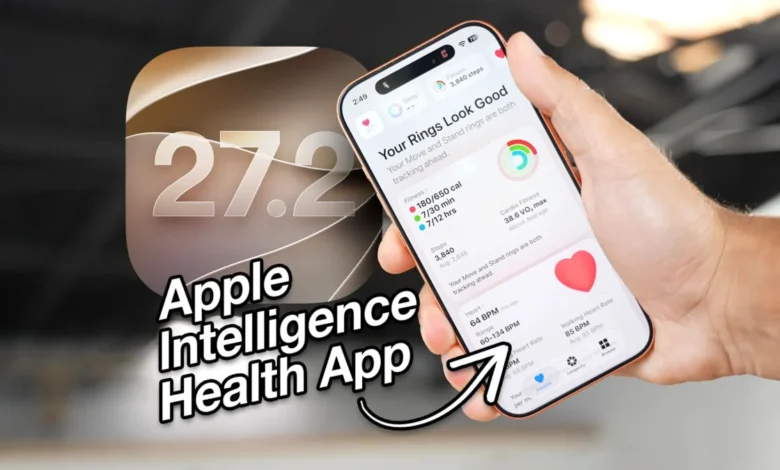
Apple has officially initiated the testing phase for a comprehensive redesign of its flagship Health application, marking a significant shift in how the company approaches long-term wellness tracking. Introduced via the iOS 27.2 beta, this overhaul represents the most substantial update to the platform since its inception, moving beyond simple data aggregation to offer predictive insights and longitudinal health modeling. This update, which follows the recent public release of iOS 27, serves as the centerpiece of Apple’s broader strategy to position its hardware ecosystem—specifically the Apple Watch Series 12 and Ultra 4—as indispensable diagnostic and preventative health tools.
The Evolution of the Apple Health Ecosystem
The journey toward this update began in early June 2026 at the Worldwide Developers Conference (WWDC), where Apple signaled a move toward "proactive health management." Since the introduction of the Health app over a decade ago, the platform has functioned primarily as a repository for biometric data synced from various sources. The transition to the iOS 27.2 architecture signifies a departure from passive recording toward an active advisory role.
The current update is being rolled out in a phased manner. While iOS 27 was launched to the general public on September 14, 2026—bringing advanced Siri AI capabilities and the novel "iPhone Handoff" feature—the new Health interface is strictly reserved for the 27.2 development cycle. Apple has confirmed that while the feature is currently undergoing rigorous beta testing, it is not slated for the immediate iOS 27.2 public release. Instead, users can expect the redesigned interface to debut later this year, likely as a staggered feature drop designed to coincide with seasonal health trends.
Deconstructing the New Insights Tab
The core of the redesign rests on two new pillars: the Insights tab and the Longevity tab. The Insights tab serves as a real-time dashboard for current physiological state. By synthesizing data points such as Activity Rings, resting heart rate, sleep architecture, and comprehensive vitals, the application provides a snapshot of the user’s immediate physical status.
One of the most anticipated components of this tab is the "Readiness Score." Exclusive to users of the Apple Watch Series 12 and Ultra 4, this metric utilizes machine learning models to analyze the user’s recent exertion, recovery time, and sleep quality. For athletes and casual fitness enthusiasts alike, this score provides an objective basis for deciding between high-intensity training days and necessary recovery periods. By quantifying recovery, Apple is effectively providing a consumer-grade version of the physiological monitoring previously reserved for professional sports performance labs. While the current beta version focuses on data display, Apple has indicated that future iterations will introduce personalized guidance, using the onboard AI capabilities of the iPhone 18 Pro series to offer tailored advice based on the user’s individual health trends.
Measuring Longevity and Health Age
Perhaps the most ambitious aspect of the update is the introduction of the Longevity tab. This feature shifts the perspective from short-term fitness tracking to long-term health span optimization. By aggregating historical data—including VO2 max trends, consistent sleep hygiene, and daily activity levels—the app calculates a "Health Age." This metric is intended to provide users with a comparative understanding of their physical condition relative to population-wide benchmarks.
To bolster the accuracy of this score, Apple has integrated a series of standardized fitness assessments directly into the iPhone. These assessments allow users to perform guided tests for balance, flexibility, and cardiovascular efficiency without the need for specialized laboratory equipment. By democratizing access to these diagnostic metrics, Apple is positioning the iPhone as a primary screening tool for age-related physical decline.
Furthermore, the integration with clinical diagnostics marks a new frontier for the company. Apple has announced a partnership with Quest Diagnostics to offer a comprehensive laboratory panel, priced at $119. This service allows users to order blood work that directly feeds into the Health app, providing the biological data necessary to refine the Health Age score. For users who prefer to use their own primary care providers, the app supports the secure upload of recent lab results, ensuring that the platform remains an inclusive hub for both consumer-tracked and clinical-grade data.
Strategic Implications and Market Context
The release of these features within the iOS 27.2 beta framework highlights Apple’s ongoing commitment to the "medicalization" of consumer technology. The company’s trajectory is clear: by combining hardware sensors (Apple Watch) with sophisticated software analytics (iOS 27), Apple is moving closer to a model of preventative medicine that could fundamentally change the patient-doctor dynamic.
Industry analysts suggest that this strategy serves two purposes. First, it provides a unique value proposition for the iPhone 18 and Apple Watch Series 12 lineup, differentiating them from competitors who may offer similar hardware but lack the integrated software ecosystem. Second, by facilitating the collection and synthesis of personal health data, Apple is creating a more sticky user experience. Once a user establishes a baseline of health data within the ecosystem, the incentive to switch to a competing platform diminishes significantly.
However, the focus on health data also brings increased scrutiny regarding privacy and data management. Apple has maintained its stance that health data is encrypted on-device and in iCloud, with the company having no access to the raw metrics. The partnership with Quest Diagnostics also follows this privacy-centric model, with Apple acting as a bridge rather than a data repository for clinical results.
Looking Ahead: The Road to Public Release
As the beta testing phase continues, developers and power users are closely monitoring the stability and accuracy of the new algorithms. While the initial feedback has been positive, the true test will come when the feature reaches the broader public. The absence of the feature in the immediate release of iOS 27 suggests that Apple is taking a cautious approach, ensuring that the predictive models are sufficiently trained before they are deployed to millions of users.
For those currently testing the iOS 27.2 beta, the app serves as a glimpse into the future of personal health. The emphasis on "Longevity" as a primary metric reflects a societal shift toward focusing on health span—the number of years lived in good health—rather than mere life expectancy. By providing the tools to measure, track, and improve these metrics, Apple is attempting to change the narrative from reactive healthcare to proactive wellness.
As of mid-September 2026, the tech community continues to digest the impact of the wider iOS 27 rollout. With the addition of the "iPhone Handoff" feature and the ongoing development of the Health app, Apple is clearly in the midst of a transition period that prioritizes connectivity and biological intelligence. The upcoming release of the redesigned Health app later this year will likely serve as the definitive software update of the 2026 season, cementing the company’s role as a major player in the global health and fitness industry.
In summary, the iOS 27.2 Health app redesign is not merely a cosmetic update. It is a fundamental architectural shift that leverages the full power of the Apple ecosystem. By integrating real-time readiness scoring, long-term longevity metrics, and clinical lab partnerships, Apple is providing users with a comprehensive suite of tools to manage their physical well-being. As the platform matures through the beta process, the integration of AI-driven personalized guidance will likely be the next major milestone in this ongoing evolution. For now, users can look forward to a more insightful, data-driven approach to health that bridges the gap between the gym and the doctor’s office.