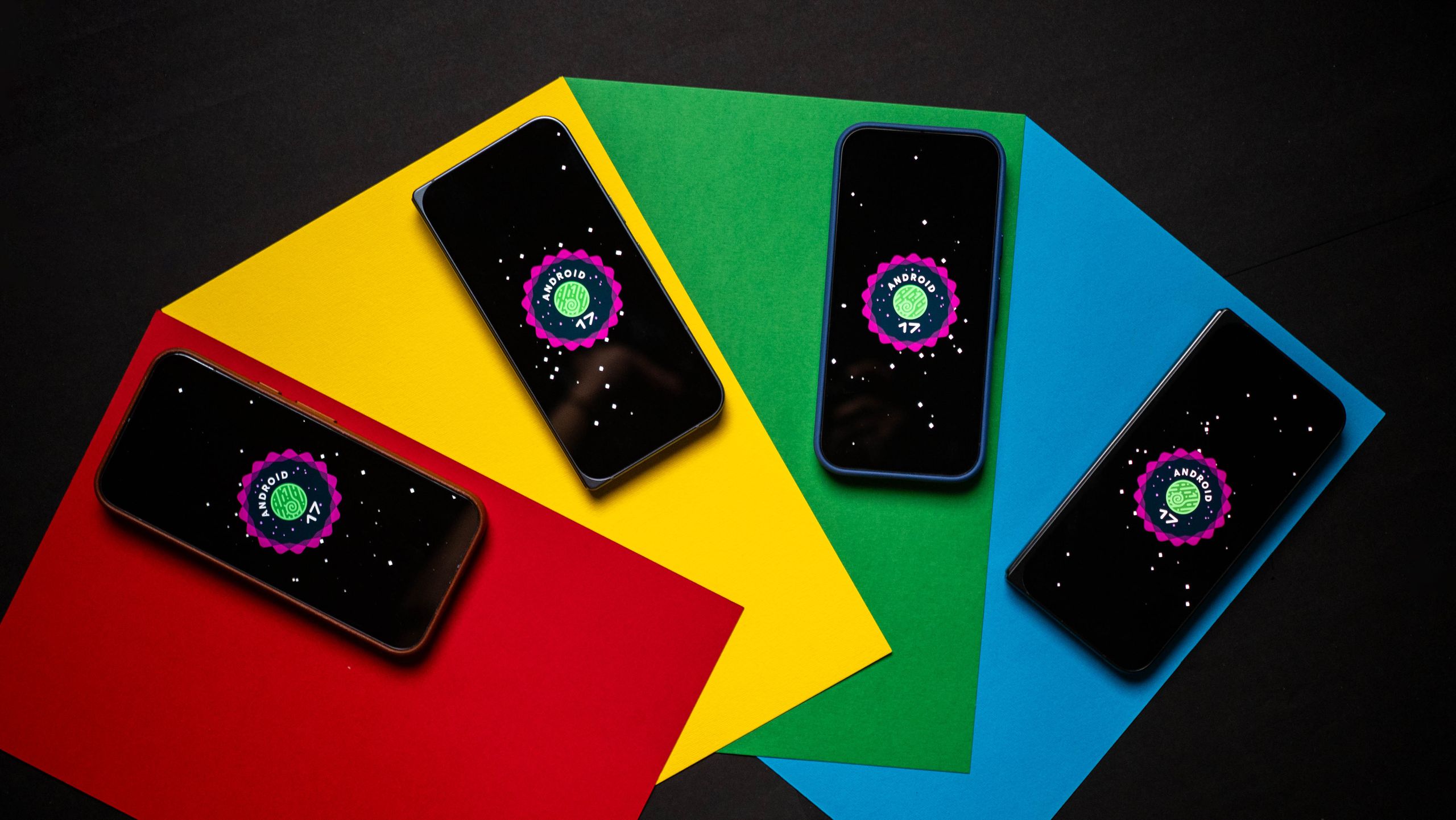
Google rolls out Android 17 QPR2 Beta 5 to Pixel devices to address critical system stability and media playback bugs.


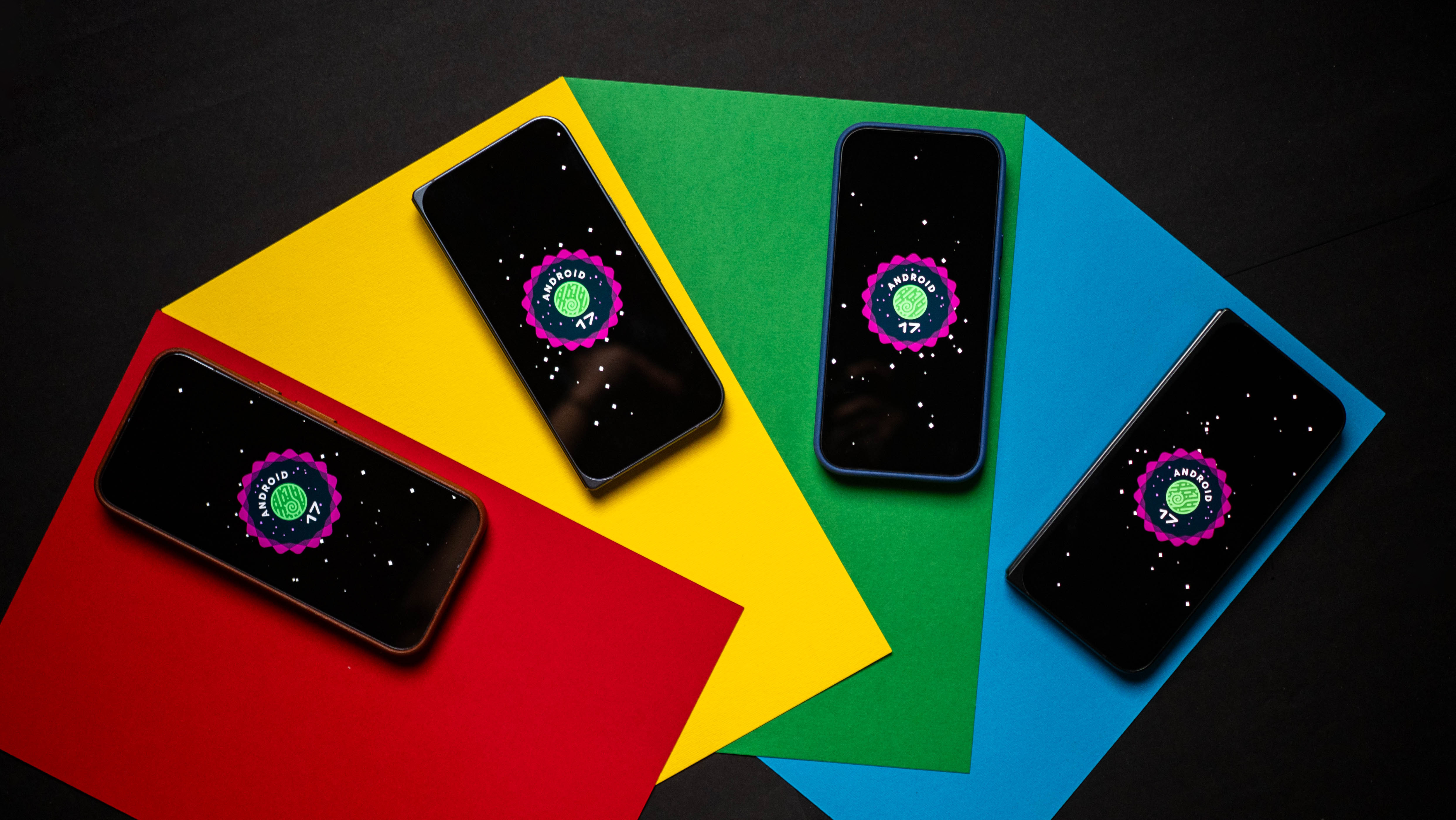
As the development cycle for the latest quarterly platform release (QPR) of Android 17 enters its final stages, Google has deployed Beta 5 to its enrolled testing community. This update arrives as a targeted intervention designed to resolve lingering technical regressions identified during the beta testing phase. By refining system stability and addressing specific interface anomalies, the Mountain View-based company is signaling that the operating system is nearing its final, stable build, which is expected to reach the general public in the coming weeks.
Technical Specifications and Deployment
The rollout of Beta 5 is categorized by two distinct build numbers, distributed based on the hardware configuration of the user’s Pixel device. For owners of the Pixel 6a, Pixel 7, 7 Pro, 7a, the original Pixel Fold, and the Pixel Tablet, the update carries the build number vCP41.260828.005.A6. Conversely, all other eligible Pixel hardware—including newer flagship iterations—will receive build vCP41.260828.004.A8.
This segmentation reflects Google’s modular approach to software delivery, ensuring that device-specific drivers and kernel optimizations are correctly aligned with the broader OS framework. For testers, these updates are delivered over-the-air (OTA), requiring a stable internet connection and a significant battery charge to prevent mid-installation interruptions.
Key Bug Fixes and Stability Improvements
The primary motivation behind this fifth beta iteration is the remediation of high-priority bugs reported through official channels, including the Android Issue Tracker and community forums.
One of the most significant fixes addresses a persistent system instability issue characterized by unexpected device reboots. These occurrences were primarily reported during intensive UI scrolling within media-heavy applications—scenarios where the system’s resource management and frame-rendering processes were pushed to their limits. By optimizing the interaction between the application layer and the OS graphics engine, Google aims to eliminate these crashes, ensuring a seamless user experience during high-demand tasks.
Furthermore, a specific issue regarding volume control during media casting has been rectified. Users previously reported that when streaming content to external displays or audio devices, the physical volume buttons on the Pixel handset failed to trigger the on-screen volume slider interface. This prevented users from making precise audio adjustments without accessing the casting app’s internal controls. The latest patch restores the expected functionality, reinstating the system-level volume UI during casting sessions.
Additionally, the update addresses an HDR (High Dynamic Range) configuration error. Some users observed that the "Enhanced HDR" setting remained active even after being manually toggled off in the device settings menu. This not only affected the user’s intended aesthetic for photography but also consumed unnecessary processing power. The fix ensures that the system correctly respects user-defined configurations, aligning with Google’s broader initiative to improve the reliability of its computational photography stack.
Contextualizing the Android 17 QPR2 Development Cycle
To understand the significance of Beta 5, one must look at the broader timeline of the Android 17 development cycle. Google’s quarterly releases are designed to introduce feature updates and performance patches outside of the annual major version launch.
The QPR2 cycle officially entered its "Platform Stability" phase at the end of August. In the software development lifecycle, reaching Platform Stability is a critical milestone; it signifies that the APIs (Application Programming Interfaces) are finalized and will not undergo further changes. This allows developers to finalize their applications with the assurance that the underlying system architecture is fixed, reducing the risk of incompatibility upon the final release.
- Initial Beta Launch: Early testing focused on core stability and telemetry collection.
- Beta 4 (Mid-August): Recognized as a pivotal point in the development process, Beta 4 was widely regarded as the most stable version to date, marking the transition into the Platform Stability phase.
- August Bug Mitigation: Throughout last month, Google addressed several critical issues, including Bluetooth audio routing—where call audio was erroneously redirected to the handset’s external speaker rather than the connected headset—as well as intermittent UI freezing and gesture navigation failures.
Broader Implications for the Pixel Ecosystem
The persistent nature of these bugs, particularly those involving Bluetooth connectivity and system performance, underscores the complexity of modern smartphone software. As Google continues to push the boundaries of AI integration and complex background processing within Android 17, the margin for error in the kernel and system UI layers becomes increasingly thin.
The consistent feedback loop between the testing community and Google’s engineering team is the backbone of this process. By prioritizing these specific fixes in Beta 5, Google is demonstrating a commitment to the "Platform Stability" promise. For the average consumer, this means that when the final version of QPR2 is pushed to stable channels, the likelihood of encountering system-breaking bugs is significantly mitigated.
Furthermore, the focus on fixing "unexpected reboots" during media scrolling suggests that Google is preparing the OS for more demanding, AI-heavy applications expected to arrive in future feature drops. Ensuring that the foundation is rock-solid is essential before layering on new, resource-intensive software features.
Official Stance and Future Outlook
While Google has not provided an exact date for the final public release of Android 17 QPR2, the progression through five beta iterations strongly indicates that the rollout is imminent. Typically, after a Beta 5 release, the company transitions to a "Release Candidate" phase, where only the most severe, show-stopping issues are addressed before the build is pushed to the global fleet of Pixel devices.
Industry analysts suggest that this specific update cycle is indicative of a broader shift in Google’s software strategy. By focusing on "Quality of Life" updates—addressing volume sliders, Bluetooth routing, and HDR toggles—the company is moving away from purely experimental features and toward a more polished, professional-grade user experience.
For the developer community, the stability of these final betas is a signal to begin the final verification of their apps. For the end user, these updates serve as a reminder that the Pixel experience is an evolving product; the device in one’s pocket today is substantively different from the device it was at launch, thanks to these iterative refinements.
As Google approaches the end of this development stretch, the focus will likely shift toward the upcoming major Android release cycle. However, for the current quarter, the successful deployment of these patches is a testament to the efficacy of the Android Beta Program. With the technical debt from earlier betas largely cleared, the path is now open for a stable, optimized, and responsive Android 17 experience for all compatible hardware owners.