The Evolution of Sleep Tracking and Gamification
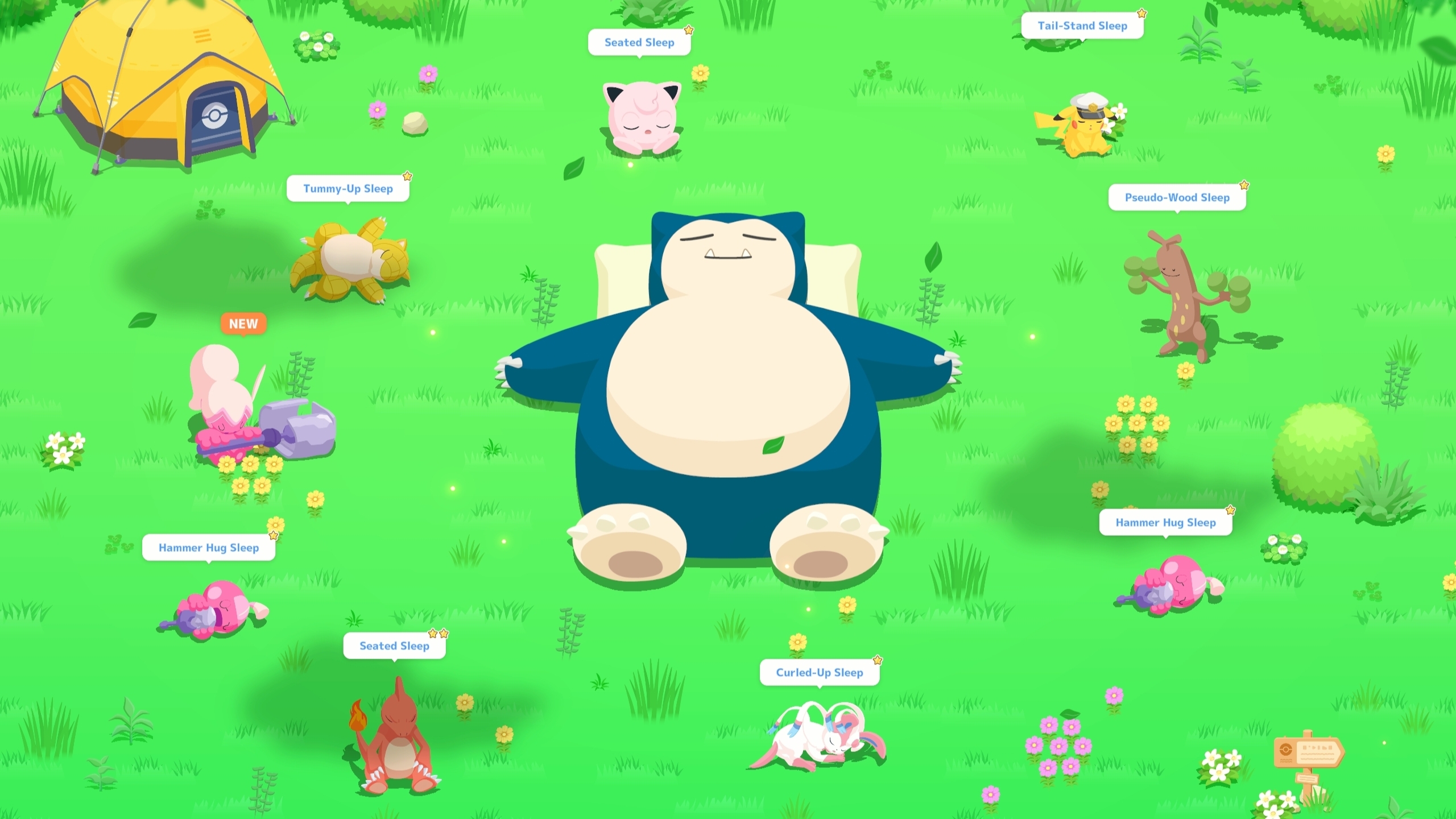
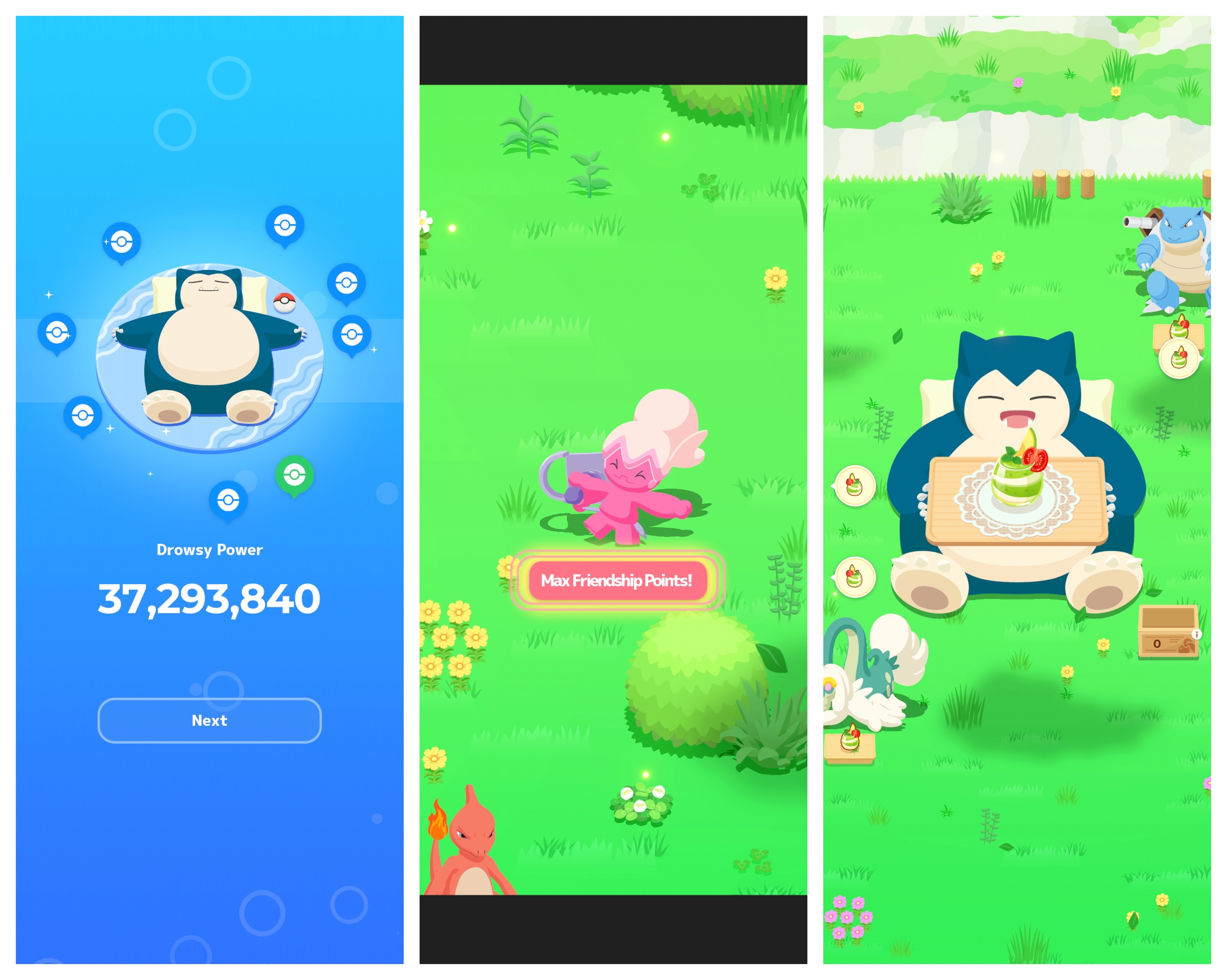
The integration of wearable technology with behavioral health apps has been a growing trend in the digital health sector. Pokémon Sleep, which launched globally in July 2023, was designed to turn the mundane task of sleep tracking into an interactive experience. The game utilizes sleep data to attract various species of Pokémon to a virtual Snorlax, with different sleep patterns—measured as "dozing," "snoozing," or "slumbering"—influencing which digital creatures appear.
For many users, the barrier to consistent sleep tracking has historically been the comfort and battery life of traditional smartwatches. The Fitbit Air, weighing approximately 12 grams with its band, addresses this by providing a lightweight, low-profile alternative. By partnering with the Pokémon franchise, Google aims to increase user retention for both the Fitbit ecosystem and the Pokémon Sleep platform. The market for sleep-tracking wearables is expected to reach significant valuation milestones by 2030, driven by an increasing consumer focus on circadian rhythm management and long-term health monitoring.
A Chronology of the Pokémon Sleep Ecosystem
The journey from a mobile concept to a hardware-integrated experience has followed a clear development path:
- July 2019: The Pokémon Company first announced "Pokémon Sleep" during a press conference in Tokyo, promising a new way to interact with the franchise through daily sleep habits.
- July 2023: After several delays, the application officially launched on iOS and Android platforms, quickly garnering millions of downloads.
- Late 2023: Developers introduced deeper integration with Health Connect, allowing third-party wearables to feed data directly into the game.
- 2024-2025: As part of the lead-up to the 30th Anniversary of the Pokémon franchise, Google and The Pokémon Company entered a collaborative agreement to produce co-branded hardware.
- Q1 2025: The launch of the Fitbit Air Pokémon Sleep Edition, featuring custom branding and an exclusive aesthetic, solidifies the partnership.
Technical Integration and Data Accuracy
The Fitbit Air operates by collecting heart rate variability (HRV), movement, and duration data. When synced with the Google Health platform, this information is processed by the Pokémon Sleep app to calculate "Drowsy Power."
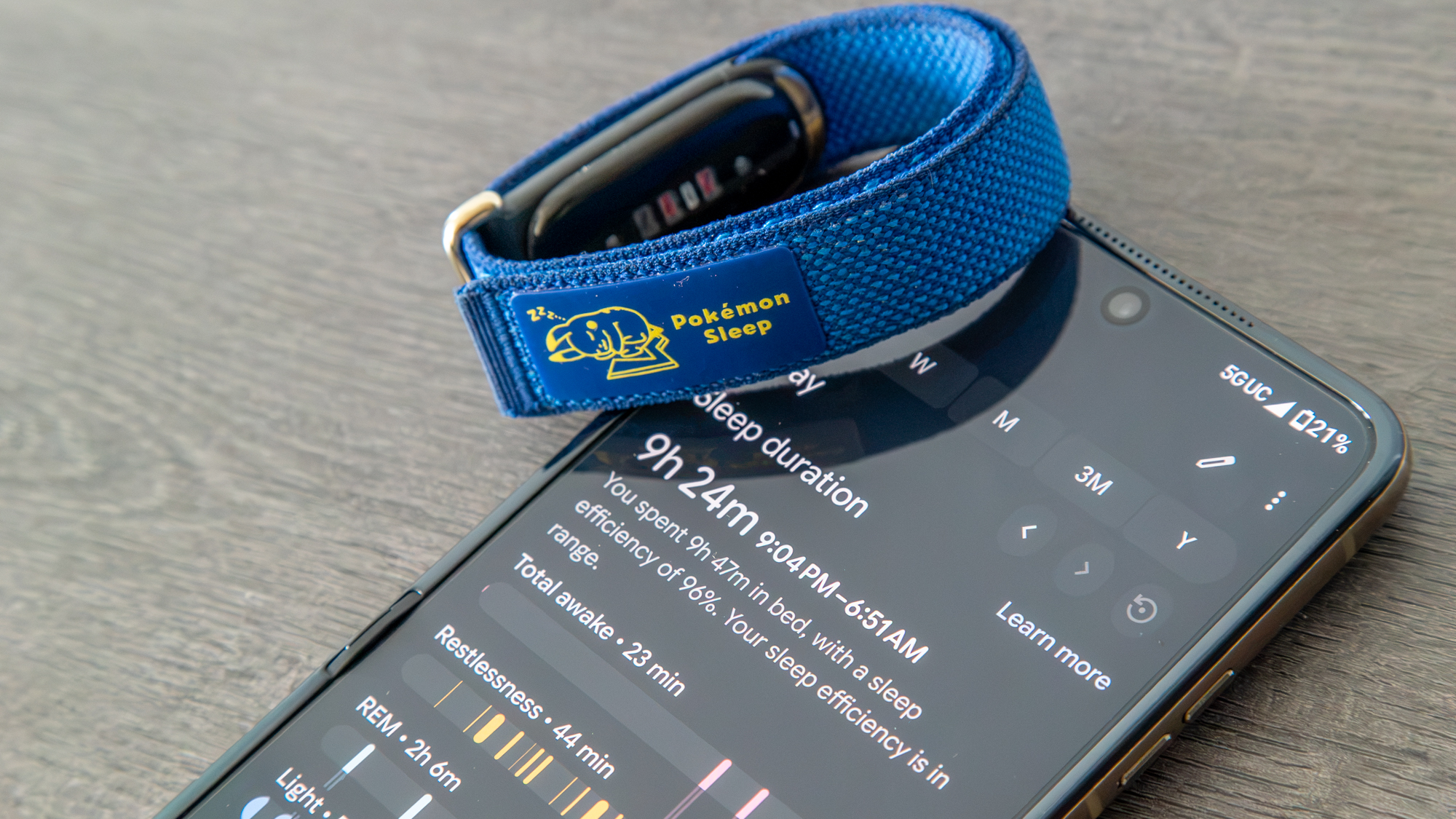
Data accuracy remains the primary concern for users relying on wearables for health metrics. The Fitbit Air’s sensors are calibrated to differentiate between REM, light, and deep sleep stages. By offloading this tracking to a dedicated lightweight wearable, users avoid the common discomfort associated with larger, more feature-heavy smartwatches. Clinical studies have shown that high-comfort devices lead to better compliance in longitudinal sleep studies, a fact that both Google and the developers of Pokémon Sleep have leveraged to ensure that users maintain their daily "check-ins."
Strategic Implications of the Collaboration
The release of this device is not merely a novelty; it is a calculated effort to bridge the gap between "hard" health data and "soft" lifestyle incentives. By rewarding users for consistent, healthy sleep patterns with digital collectibles, the platform creates a positive feedback loop.
Industry analysts suggest that this strategy serves two purposes:
- Retention: Users are more likely to wear a device consistently if it is tied to an ongoing interactive game.
- Ecosystem Lock-in: By requiring Google Health as the primary data source for the Pokémon Sleep app, Google effectively nudges users toward the Fitbit and Google Pixel hardware ecosystem over competing brands.
While Samsung Health and Garmin Connect remain compatible data sources for the app, the marketing synergy between the Google Store and the Pokémon brand emphasizes the Fitbit Air as the premier hardware choice for this specific experience.
User Experience and Hardware Specifications
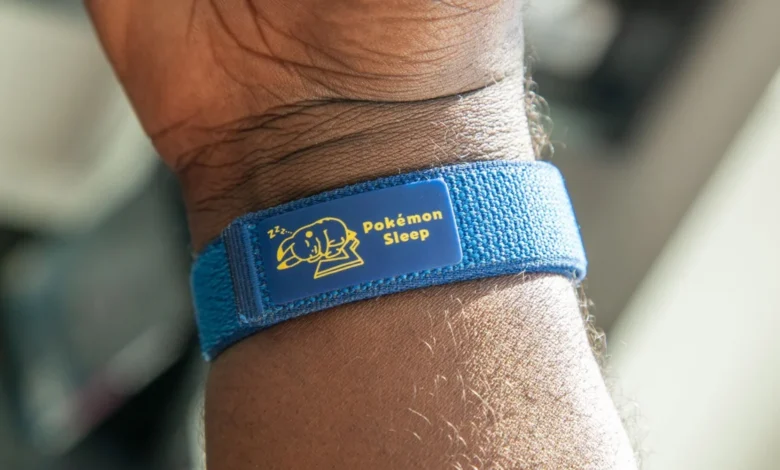
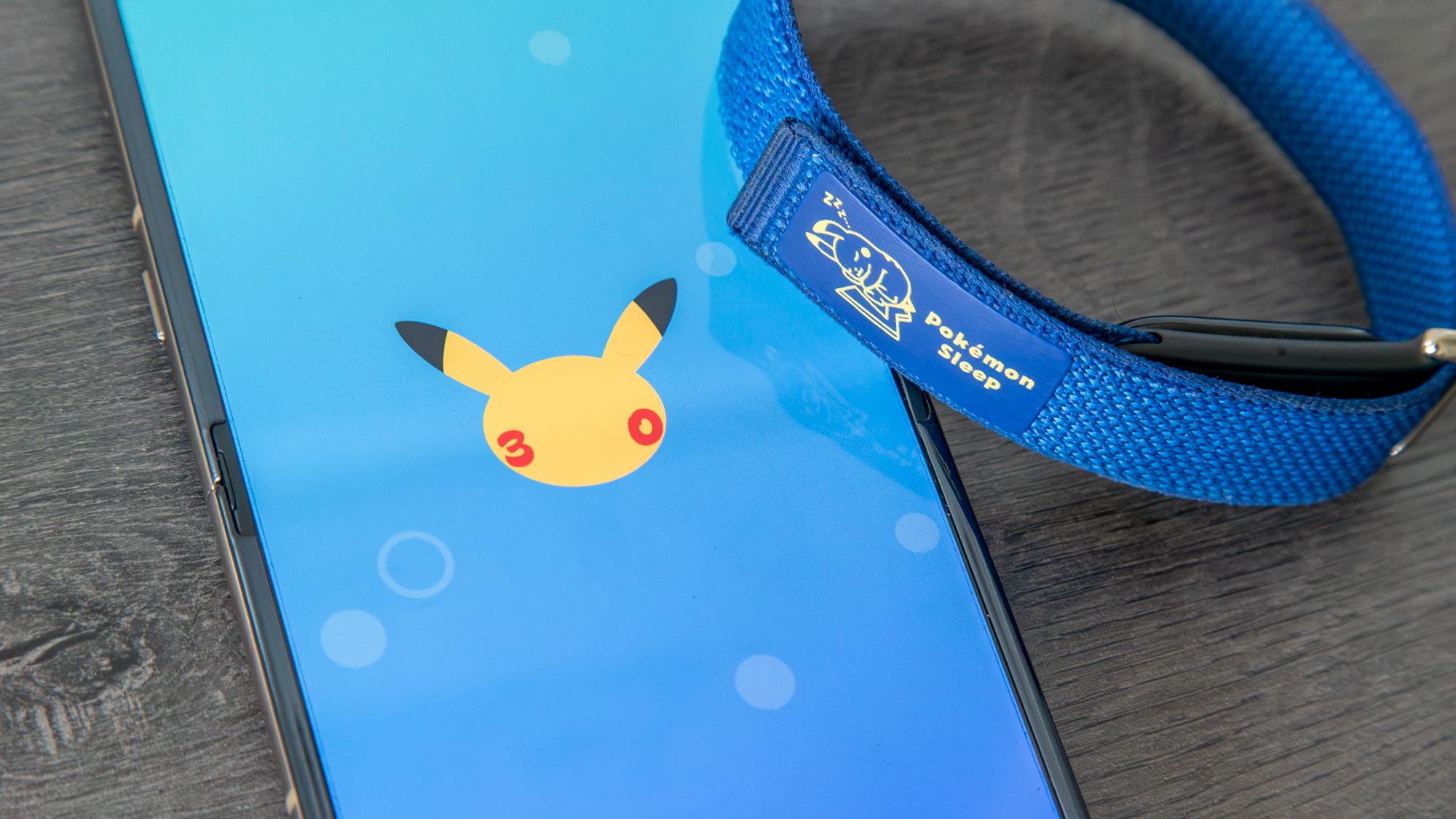
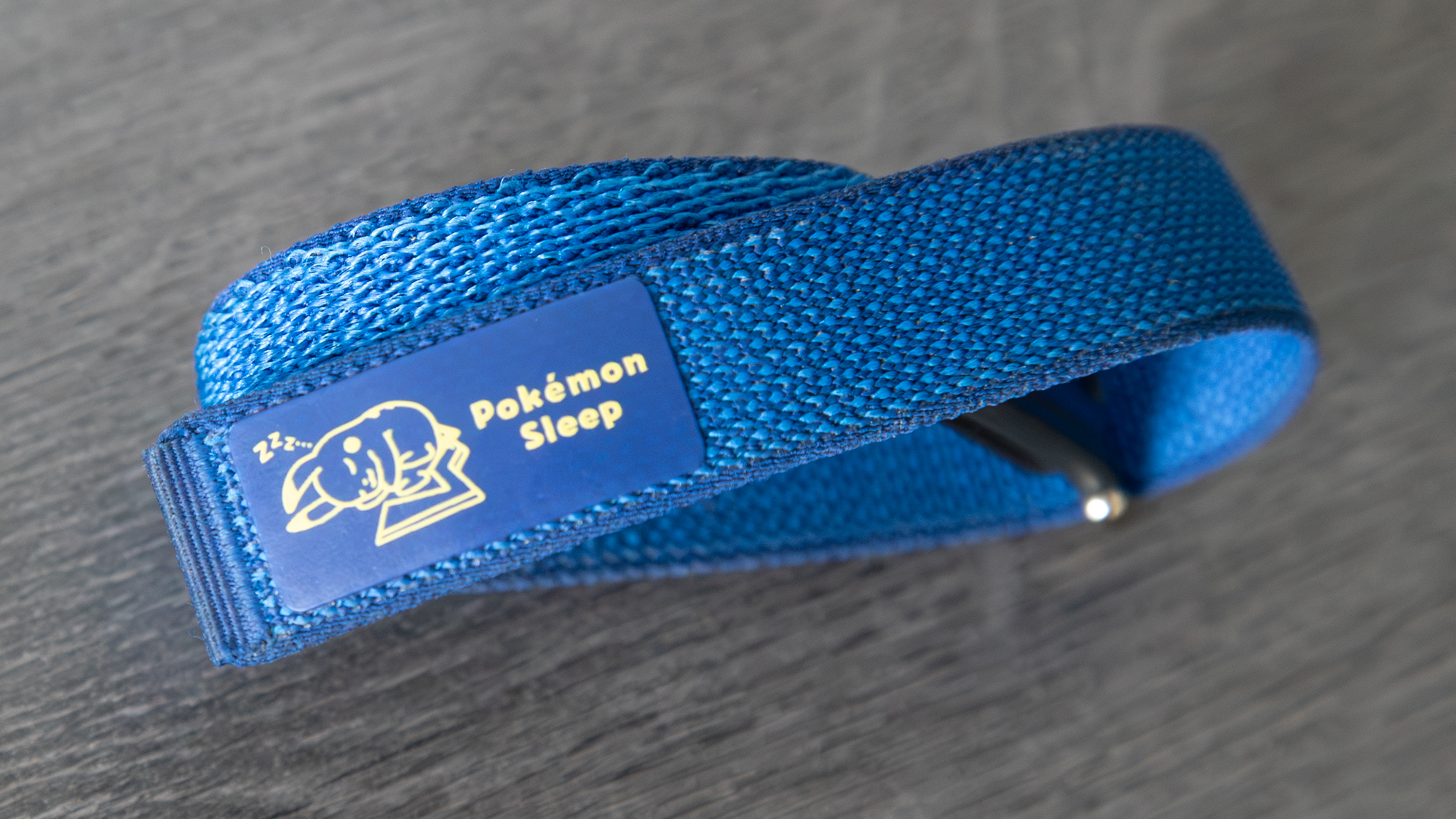
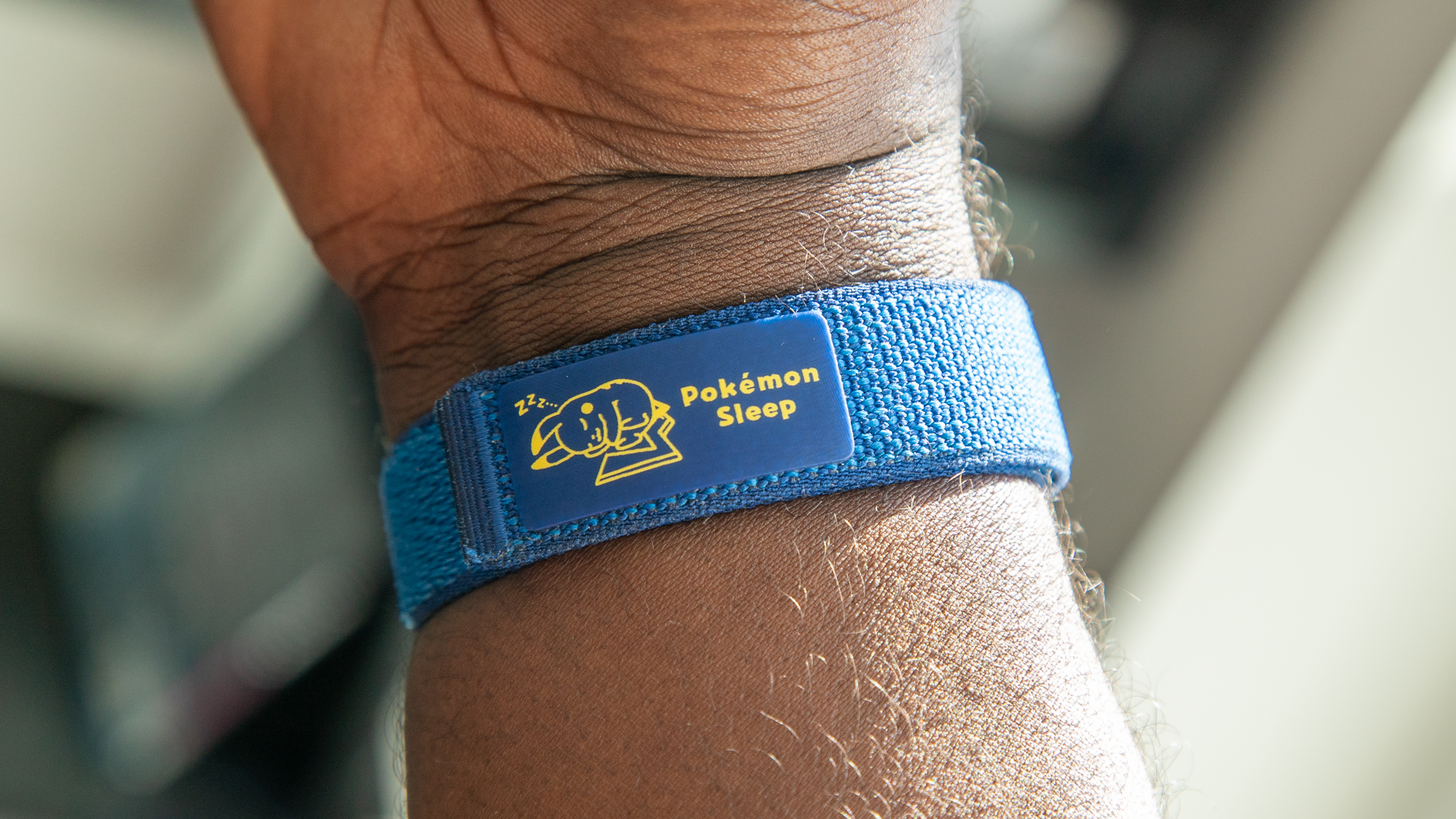
The Fitbit Air Pokémon Sleep Edition features a distinct aesthetic, notably the deep blue strap adorned with a graphic of a sleeping Pikachu. Beyond the branding, the hardware remains consistent with the standard Fitbit Air line: a week-long battery life, water resistance, and comprehensive activity tracking.
For the average consumer, the shift from a traditional medical-style sleep tracker to a themed wearable represents a transition from "health-as-a-chore" to "health-as-a-hobby." The setup process is streamlined through the Google Health app, where users can designate their wearable as the primary sensor. Once configured, the data synchronization occurs automatically, requiring minimal user intervention.
Future Prospects for Gamified Health
The success of the Fitbit Air Pokémon Sleep Edition will likely influence how future wearables are marketed. If the sales performance of this special edition meets expectations, it is probable that other franchises will seek similar integrations. This reflects a broader shift in the tech industry where hardware manufacturers are increasingly looking to entertainment IP (Intellectual Property) to differentiate their devices in an oversaturated market.
Moreover, the emphasis on "consistent, high-quality sleep" aligns with current public health initiatives. Sleep hygiene has become a pillar of modern preventative medicine, and the use of gamification to encourage users to hit target sleep durations could have measurable impacts on overall wellness. As technology continues to monitor the human condition, the integration of these systems into playful, non-intimidating formats may prove more effective than traditional health-tracking apps.
Conclusion and Market Availability
The Fitbit Air Pokémon Sleep Edition is currently available through the Google Store at a retail price of $129. While the hardware offers the same reliability as the base model, its value proposition is uniquely tied to the Pokémon ecosystem. For enthusiasts of the franchise or those looking for a lightweight, unobtrusive sleep tracker that provides an extra layer of motivation, this device represents a unique intersection of function and fandom.
As the tech industry continues to explore the intersection of wellness and engagement, the collaboration between Google and the Pokémon franchise stands as a case study in how to make personal health data relevant and accessible to a global audience. Whether this will lead to a long-term improvement in global sleep habits remains to be seen, but the initial response suggests that the combination of data and digital play is a powerful motivator in the modern consumer market.