Apple Watch Ultra 4 and Series 12 See First Major Retail Discounts Following Global Launch

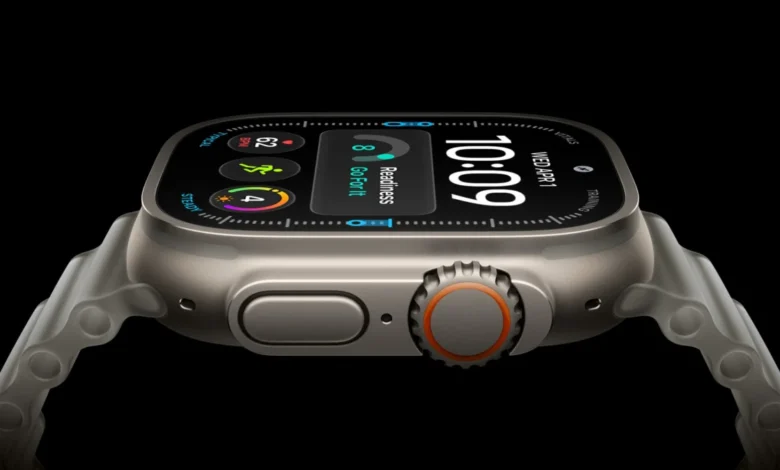
The retail landscape for Apple’s latest wearable technology has shifted rapidly in the hours following the official launch of the Apple Watch Ultra 4 and the Apple Watch Series 12. As of September 19, 2026, major e-commerce platforms, led by Amazon, have initiated the first round of competitive pricing for these flagship devices. This development marks a significant departure from typical Apple product cycles, where early-adopter pricing usually remains firm during the initial "launch week" window. Consumers looking to upgrade their current hardware now have access to modest but notable price reductions, signaling a highly aggressive strategy from third-party retailers to capture market share during the height of the autumn hardware refresh cycle.
Launch Week Pricing Dynamics
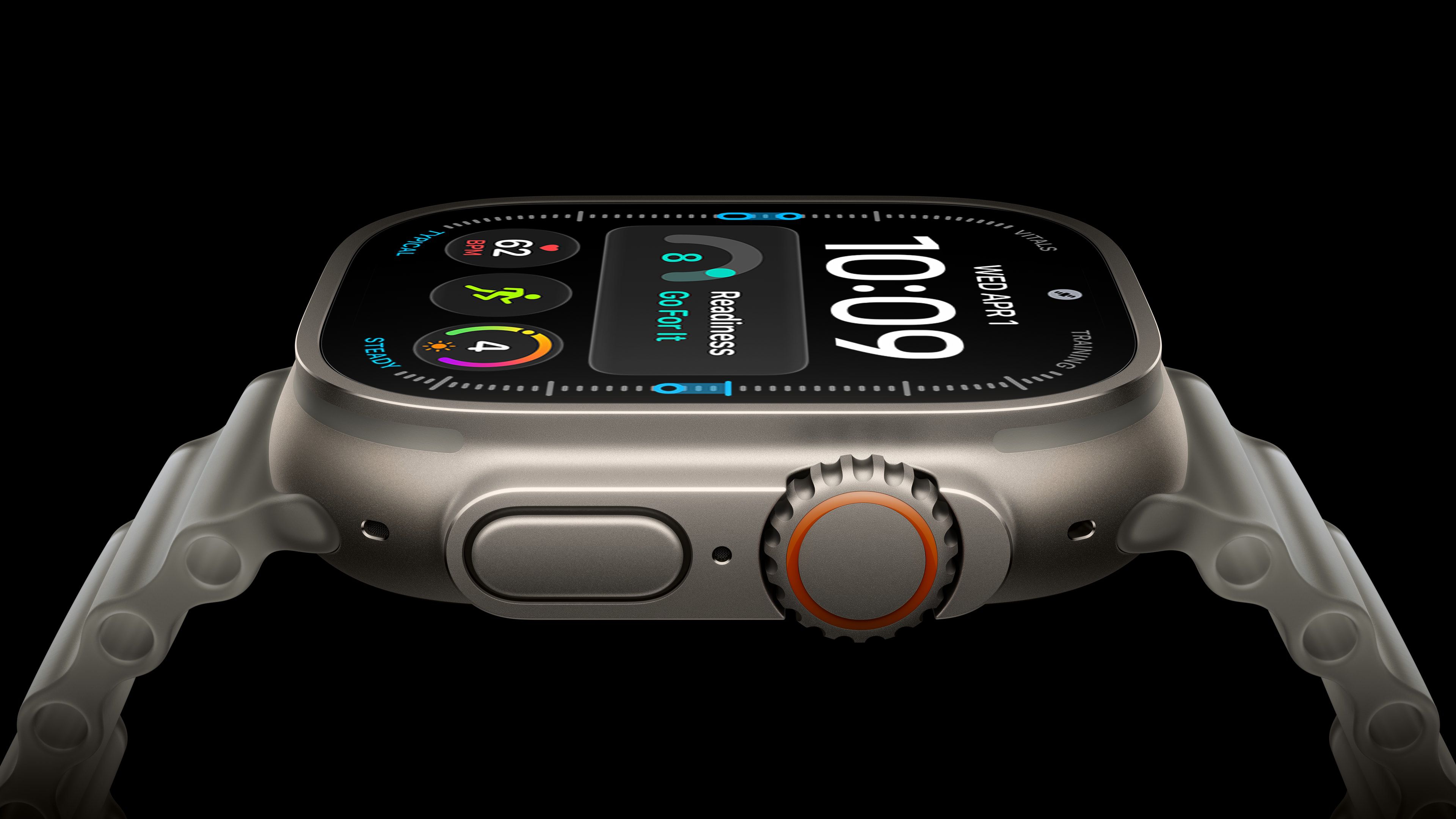
The flagship Apple Watch Ultra 4, which officially hit store shelves and residential doorsteps on September 18, 2026, is currently available at a reduced price point of $779.99, representing a $19.01 discount from its standard $799.00 retail price. This reduction is being applied to several key configurations, specifically the Natural finish models paired with the Translucent Gray Ocean Band, the Sand Trail Loop (M/L), and the Desert Alpine Loop (Large).
Simultaneously, the Apple Watch Series 12 has also seen its first price adjustments. The 42mm GPS model is currently priced at $389.99, while the larger 46mm GPS variant is available for $439.99. Both represent a $9.00 reduction from their respective list prices. While these discounts may appear incremental to the casual observer, they are highly significant in the context of Apple’s premium pricing strategy, which historically protects the MSRP of new devices for the first several months of their lifecycle.
Chronology of the 2026 Apple Hardware Refresh
The timing of these discounts follows a compressed schedule of announcements and releases that have defined the latter half of 2026. The cycle began in early September, when Apple hosted its annual autumn event, showcasing the latest iterations of its flagship mobile and wearable devices.
- September 2, 2026: Apple officially announced the refreshed Mac mini lineup, featuring the M6 and M5 Pro chips, which immediately triggered early pre-order incentives across major retail partners.
- September 10, 2026: Apple opened the dialogue regarding the iPhone 18 Pro and iPhone Duo, prompting a surge in demand for accessory ecosystems, including protective casings and screen technology.
- September 12, 2026: Official pre-orders for the iPhone 18 Pro and Pro Max began, accompanied by a wave of carrier-subsidized promotions designed to lock users into long-term service contracts.
- September 18, 2026: The Apple Watch Ultra 4 and Apple Watch Series 12 made their global retail debut, transitioning from pre-order status to immediate availability.
- September 19, 2026: Retailers, specifically Amazon, began applying the first direct-to-consumer cash discounts on the new wearable lineup.
Technical Context and Market Positioning
The Apple Watch Ultra 4 arrives at a time when the "rugged" smartwatch category is becoming increasingly saturated. With the Ultra 4, Apple has focused heavily on refined sensor accuracy and extended battery performance, features that are designed to appeal to both professional athletes and outdoor enthusiasts. The decision to offer discounts so soon after the launch suggests that retailers are attempting to differentiate themselves in a competitive digital marketplace.
The Apple Watch Series 12, meanwhile, continues to serve as the mainstream anchor for the company’s wearable strategy. The subtle increase in screen sizes—moving toward the 42mm and 46mm standards—aligns with consumer demand for more readable interfaces and expanded health-tracking data density. The minor price reductions on these models indicate that retailers are looking to maintain volume-based sales momentum during the critical post-launch window.
Broader Economic and Retail Implications
The emergence of these discounts within 24 hours of the devices’ general availability provides a window into the current state of consumer electronics retail. In previous years, Apple products were shielded from discounting for months. However, the rise of "dynamic pricing" algorithms on platforms like Amazon has changed the landscape. These algorithms automatically adjust prices based on supply, inventory velocity, and competitor pricing, forcing a faster transition from full-price retail to discount tiers.
From a macroeconomic perspective, these discounts serve as a barometer for consumer spending power in late 2026. By lowering the entry barrier for the latest hardware, retailers are attempting to mitigate the impact of rising inflation and global supply chain costs on consumer demand. For the average buyer, these early discounts are a welcome development, as they effectively lower the "cost of entry" for the latest technological advancements without the wait times typically associated with the holiday shopping season.
Industry Analysis: Why Early Discounts Matter
Market analysts note that the speed at which these discounts have appeared is not necessarily an indication of weak demand, but rather a reflection of retail efficiency. Because the Apple Watch Ultra 4 and Series 12 are high-demand items, retailers are incentivized to move units quickly to improve their rankings within search algorithms. By offering even a $9 or $19 discount, a retailer can secure a higher position in search results, thereby capturing a larger share of the overall market.
Furthermore, the integration of these devices into the wider Apple ecosystem remains a primary driver of sales. A consumer who purchases an Apple Watch at a discount is more likely to remain committed to the Apple ecosystem, potentially leading to future purchases of the iPhone 18 Pro or the new Mac mini models. The ecosystem lock-in effect remains one of Apple’s most powerful competitive advantages, and retailers are aware that the initial wearable purchase is a foundational step in that process.
Expert Perspectives on Consumer Strategy
While the discounts on the Apple Watch Ultra 4 and Series 12 are the most recent examples, they are part of a wider trend in the 2026 tech sector. Experts suggest that consumers who are patient during the first few days of a product launch are increasingly being rewarded for their restraint.
"We are seeing a maturation of the retail market," says one industry consultant familiar with e-commerce trends. "The ‘FOMO’ (fear of missing out) factor that once compelled consumers to pay full price at midnight on launch day is being countered by a more savvy, price-conscious demographic that monitors retail platforms for these early-bird adjustments. Retailers know this, and they are competing to be the first to offer that marginal discount."
How to Navigate the 2026 Deals Landscape
For those currently in the market for new technology, the current environment necessitates a proactive approach. Rather than relying on a single retailer, consumers are encouraged to monitor aggregate deal sites and official newsletters to ensure they are getting the best possible value.
The strategy of "tracking the deals" has become a necessary skill. As noted by the current retail data, waiting for the first 24 to 48 hours after a product launch can result in significant savings, particularly when dealing with items that carry a premium price tag like the Ultra 4. Furthermore, the inclusion of bundled offers—where watches are sold alongside specific bands or accessories—often provides even greater value than the base model discounts alone.
Looking Ahead: What to Expect in Q4 2026
As we look toward the remainder of 2026, it is likely that these discounts will fluctuate based on seasonal inventory needs. The transition from the launch phase to the "holiday preparation" phase typically sees an increase in promotional activity. While it is unlikely that the flagship Ultra 4 will see deeper, more aggressive price cuts until the late-year shopping events like Black Friday, the current pricing represents the most stable and accessible entry point for early adopters.
The data confirms that the retail sector is highly responsive to the release of Apple’s 2026 product suite. Whether it is the Mac mini, the iPhone 18 Pro, or the new Watch series, the ability for consumers to secure products below the manufacturer’s suggested retail price within days of release is a testament to the highly competitive nature of modern global retail.
In conclusion, for those who have been waiting to upgrade their wrist-worn technology, the current offers on the Apple Watch Ultra 4 and Series 12 present a rare, early opportunity to save on the latest technology. As always, consumers are advised to verify the credibility of the vendor and the specific terms of the sale before finalizing their purchase, ensuring that they are receiving the authentic, factory-new product intended by the manufacturer. With the holiday season approaching, these early discounts may just be the beginning of a sustained period of aggressive pricing in the tech market.