Bitrig elevates iPhone Duo development with an interactive 3D simulator following Xcode 27.1 beta launch

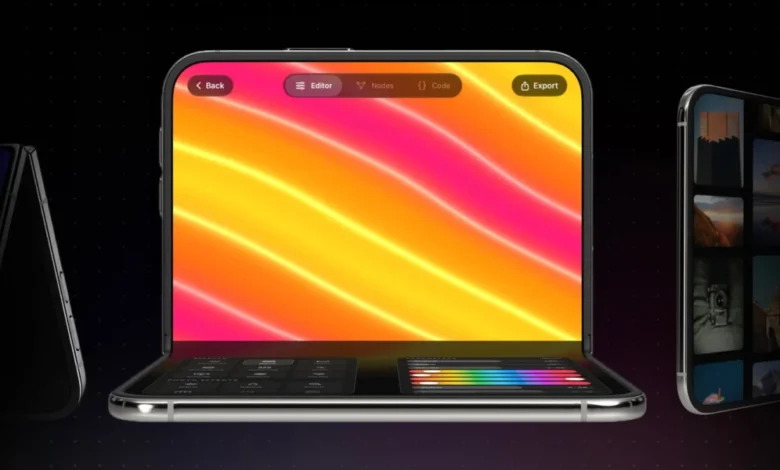
The landscape of mobile application development underwent a significant shift last week as Apple introduced Xcode 27.1 beta 1, a release specifically engineered to support the hardware specifications and UI paradigms of the highly anticipated iPhone Duo. Following this development, the AI-powered coding platform Bitrig has moved quickly to integrate full support for this new device category. By introducing an advanced, interactive 3D simulator, Bitrig is positioning itself as a vital tool for developers attempting to navigate the complexities of dual-screen hardware, offering features that go beyond the standard toolset provided in the official Apple environment.
The Evolution of the Bitrig Ecosystem
To understand the significance of this update, one must consider the trajectory of Bitrig within the software development lifecycle. Initially launched in late 2025, Bitrig entered the market as a "vibe-coding" application. Its primary value proposition at inception was the ability for users to leverage natural language prompts—either through text or voice—to generate functional native SwiftUI applications. These early iterations were designed to run exclusively within the Bitrig environment on an iPhone, serving as a rapid prototyping tool for hobbyists and early-stage developers.
However, the platform’s scope has broadened substantially over the past twelve months. In early 2026, Bitrig transitioned from a mobile-first experimentation tool to a robust development environment by launching a dedicated Mac application. This shift provided users with access to the comprehensive Xcode toolchain, including integrated device simulation, on-device testing capabilities, and the ability to export projects directly into standard Xcode environments for final polish and App Store distribution. This evolution marked Bitrig’s pivot from a sandbox utility to a professional-grade bridge between AI-assisted ideation and production-ready software.
Xcode 27.1 Beta and the Shift to Dual-Screen Hardware
The catalyst for the current industry activity is the release of Xcode 27.1 beta 1. This version of Apple’s integrated development environment (IDE) provides the necessary frameworks, SDKs, and device definitions required to compile applications for the iPhone Duo. Unlike traditional single-display iPhones, the Duo presents a unique set of challenges for developers, particularly regarding state management between two distinct yet connected displays, dynamic screen orientation, and responsive UI layouts that must adapt to folding, tilting, and rotating.
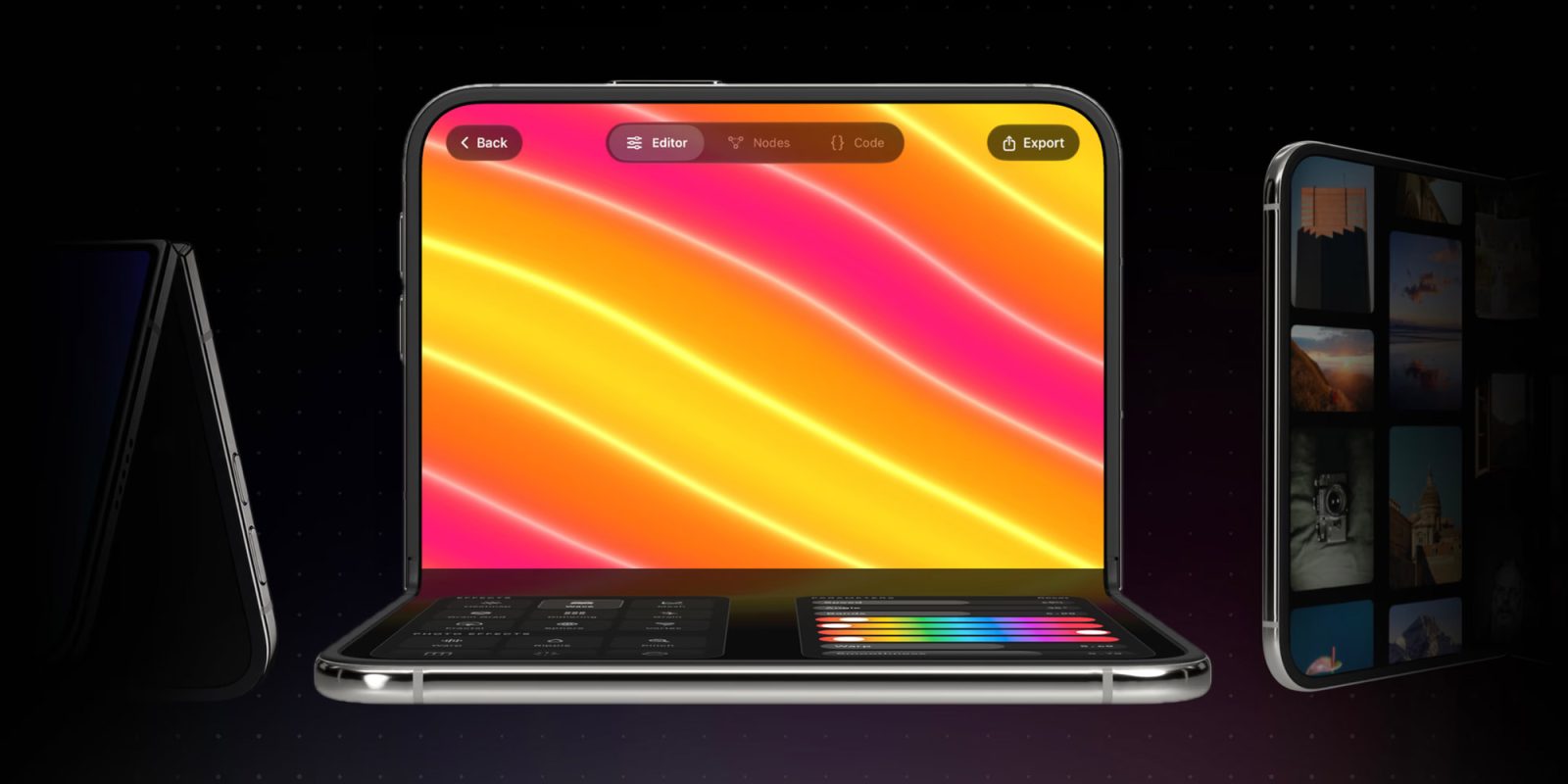
Apple’s beta release provides the baseline support for these interactions, but Bitrig’s new simulator offers a higher level of tactile feedback. The Bitrig simulator allows developers to manipulate a 3D model of the device in real-time. This interactive functionality enables users to physically test how their SwiftUI code handles transitions between a folded state, a fully open dual-screen state, and varying angles of tilt. By providing a 3D environment, Bitrig allows developers to visualize the device’s hinge mechanics and how those mechanics affect the user experience (UX) in a way that standard 2D flat-screen simulations cannot fully replicate.
Chronology of the iPhone Duo Development Cycle
The timeline leading up to this release reflects the rapid acceleration of hardware-software integration cycles:
- October 2025: Bitrig launches its initial "vibe-coding" mobile app, focusing on rapid SwiftUI generation.
- March 2026: Bitrig expands to macOS, integrating a full Xcode-compatible toolchain for more complex development projects.
- September 18, 2026: Apple officially releases Xcode 27.1 beta 1, introducing the first official support for iPhone Duo hardware development.
- September 25, 2026: Bitrig releases its own update, integrating the 3D interactive simulator to assist developers in testing folding-screen UI logic.
This timeline highlights the proactive approach required by modern software companies to remain competitive. By matching the release of the official SDK with specialized simulation tools, Bitrig aims to reduce the "friction to innovation" for developers who are currently working to optimize their applications for the new hardware form factor.
Technical Implications and Developer Workflow
The core challenge of developing for the iPhone Duo lies in the "hand-off" between screens. Developers must now account for continuity APIs that allow an application to seamlessly expand its interface when the device is opened. Bitrig’s simulator serves as a diagnostic tool for these transitions. Because Bitrig manages multiple versions of Xcode, developers can use the 27.1 beta for their Duo-specific testing while simultaneously maintaining their production-grade projects on the stable release of Xcode 27.
Kyle Macomber, Co-founder and CEO of Bitrig, emphasized that the platform is designed to handle this versioning complexity. "Bitrig helps you manage multiple versions of Xcode, so you can start preparing your app for iPhone Duo with the beta and switch back to Xcode 27 to build and release updates," Macomber stated. This functionality is critical for developers who are under pressure to maintain existing applications while preparing for new hardware launches. By automating the environment switching, Bitrig minimizes the risk of configuration errors that often plague developers working with multiple beta SDKs.

Broader Industry Impact and Market Context
The introduction of the iPhone Duo and the subsequent tooling from companies like Bitrig signals a broader shift in the mobile industry. For years, the smartphone market has seen a plateau in form-factor innovation, characterized by the standard "glass slab" design. The move toward folding and dual-screen devices represents a significant departure from this norm, requiring a fundamental rethink of UI design patterns.
From a data perspective, the transition to dual-screen development is expected to increase the complexity of app architecture. According to industry analysts, applications optimized for the Duo will likely require a 20% to 30% increase in layout code to account for the secondary display state. Tools like Bitrig’s 3D simulator are essential for managing this increase in complexity without significantly ballooning development timelines.
Furthermore, the "vibe-coding" approach championed by Bitrig represents a growing trend in software engineering: the use of AI to lower the barrier to entry for complex hardware development. By allowing developers to describe their desired UI behavior in natural language and then testing it in a 3D simulator, the platform effectively bridges the gap between conceptual design and functional implementation. This democratization of development could lead to a surge in creative, hardware-aware applications that leverage the unique capabilities of the iPhone Duo in ways that traditional, manual coding workflows might have overlooked.
Analyzing the Future of Mobile Development
As developers begin to integrate these tools into their workflows, the focus will inevitably shift toward the long-term sustainability of dual-screen apps. The success of the iPhone Duo will depend not just on the hardware, but on the quality of the ecosystem that surrounds it. If developers can reliably simulate and test their apps, the likelihood of a robust app library at the device’s commercial launch increases significantly.
Bitrig’s decision to prioritize an interactive, 3D-oriented simulator suggests that the industry expects the "feel" of hardware to be just as important as the code running underneath it. In the context of folding devices, the transition animations, the response to hinge-angle changes, and the way content flows between screens are all essential components of the user experience. By providing a platform that emphasizes these elements, Bitrig is positioning itself not just as an IDE or a coding assistant, but as a holistic development partner for the next generation of mobile devices.

For developers looking to integrate these tools, the path forward involves a careful balancing act: leveraging the new capabilities of Xcode 27.1 beta 1 for experimentation, while utilizing the management features of Bitrig to ensure that production apps remain stable and performant. As the beta period progresses, further refinements to both the official SDK and third-party simulators are expected, likely leading to more advanced features such as multi-device synchronization and simulated hardware performance profiling.
In conclusion, the intersection of Apple’s latest development environment and Bitrig’s interactive simulation tools provides a glimpse into the future of mobile software. As the industry moves toward more complex and versatile hardware, the role of developers in crafting intuitive, adaptive interfaces will become increasingly critical. Through proactive updates and a focus on the specific needs of dual-screen architecture, the development community is preparing to meet the challenges and opportunities that this new form factor brings to the market. For those engaged in the ecosystem, the next few months will be a defining period in determining how well the software landscape adapts to the era of the iPhone Duo.