Samsung Galaxy S26 FE Review: A Mixed Value Proposition in the Latest Flagship Lineup


The introduction of Samsung’s Fan Edition series has long served as a litmus test for the smartphone market, bridging the gap between high-end flagship execution and more accessible pricing. Released globally on September 4, 2026, the Samsung Galaxy S26 FE arrives with a baseline price tag of $699 / £699 / AU$1,149 for the 128GB configuration. This marks a $50 / £50 / AU$50 price increase compared to its predecessor, the Galaxy S25 FE, introducing fresh strategic complexities for consumers weighing their options within Samsung’s broader ecosystem.
Market Positioning and Pricing Dynamics
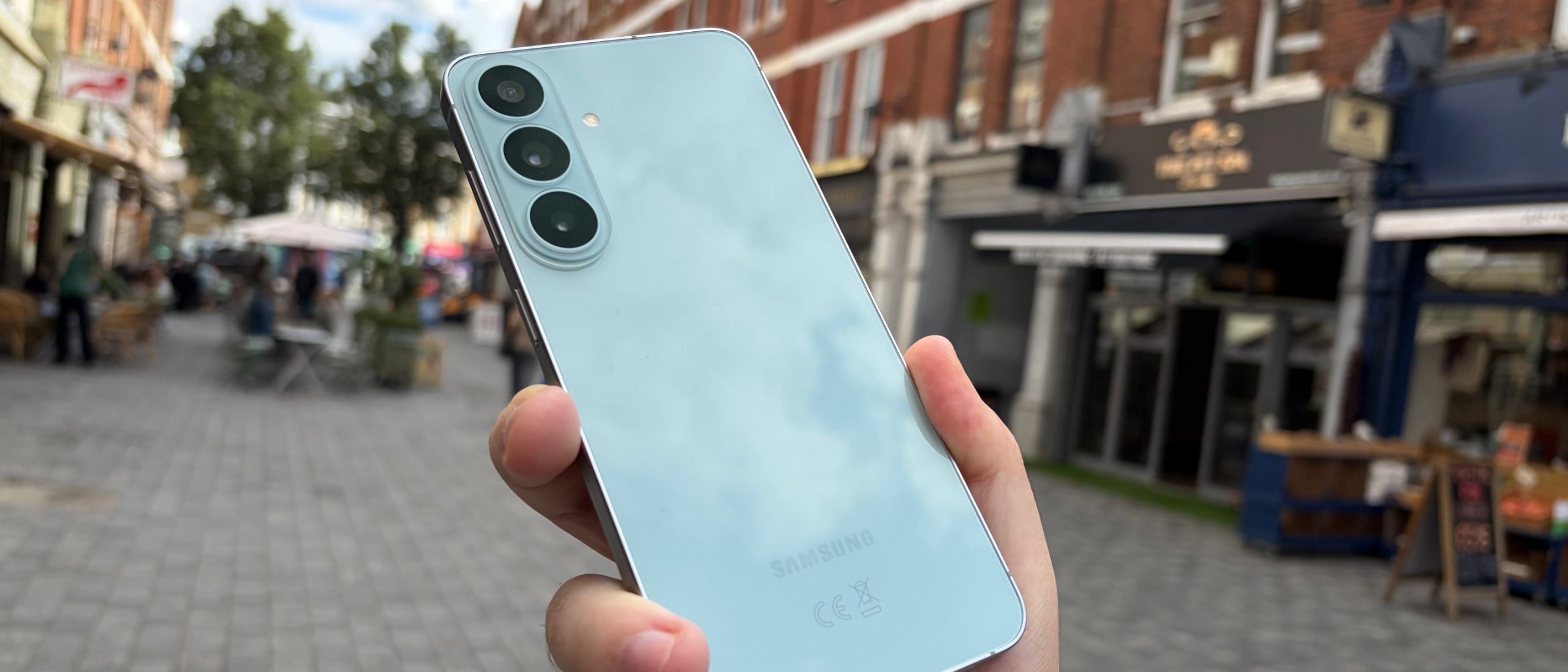
Positioned as the entry point to the Galaxy S26 family, the FE model aims to capture cost-conscious buyers who still demand robust performance and premium branding. However, the recent price adjustment narrows the financial gap between the Fan Edition and the standard Galaxy S26, which starts at $899 / £879 / AU$1,349, while widening the delta against the larger Galaxy S26 Plus. When factoring in default storage configurations—where standard flagship models typically double the base capacity of the FE—the value calculation requires careful scrutiny.
To offset the initial expenditure, Samsung is bundling six months of Google AI Pro, an incentive valued at approximately $120 / £114 / AU$200, which includes extended cloud storage and advanced Gemini capabilities. Nevertheless, industry analysts note that incremental price increases across the mid-to-high tier sector risk pushing buyers toward either deeply discounted previous-generation flagships or feature-rich competitors.
Design and Hardware Architecture
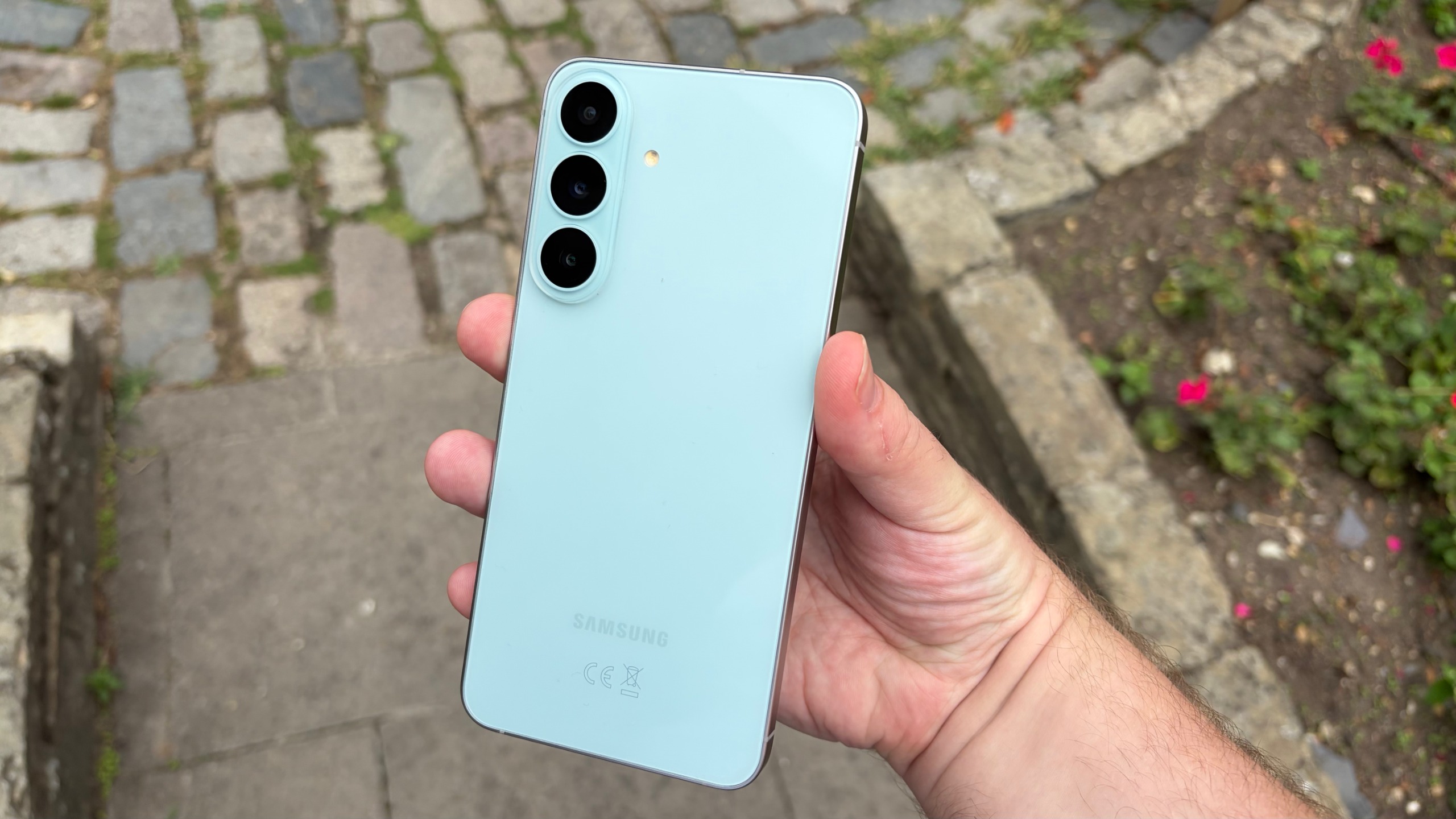
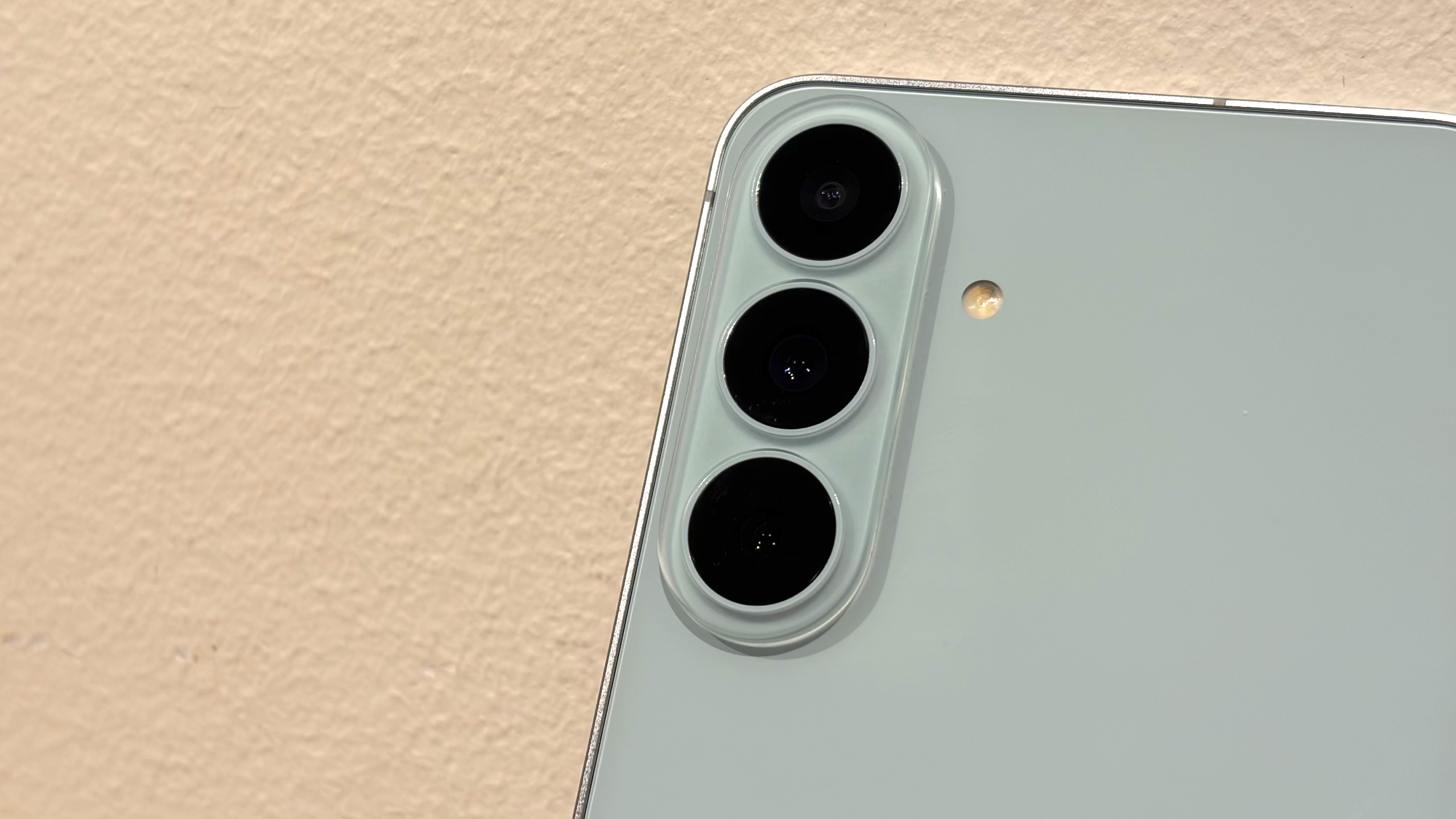
Aesthetically, the Galaxy S26 FE maintains continuity with the design language established by the S25 FE and the broader S26 lineup. The chassis measures 161.6 x 76.9 x 7.4mm and tips the scales at 193 grams. It features flat structural rails, rounded corners, and three camera lenses embedded directly into the rear panel without a protruding island housing.
Distinguishing the FE from its more expensive siblings requires close inspection. The handset utilizes a shiny rear panel finish rather than the matte texture found on the standard S26 and S26 Plus, and incorporates a slightly thicker chin bezel beneath the display. Durability is managed via an IP68 dust and water resistance rating alongside Corning Gorilla Glass Victus Plus on both the front and back—a material generation behind the latest shielding utilized on the core S26 models.
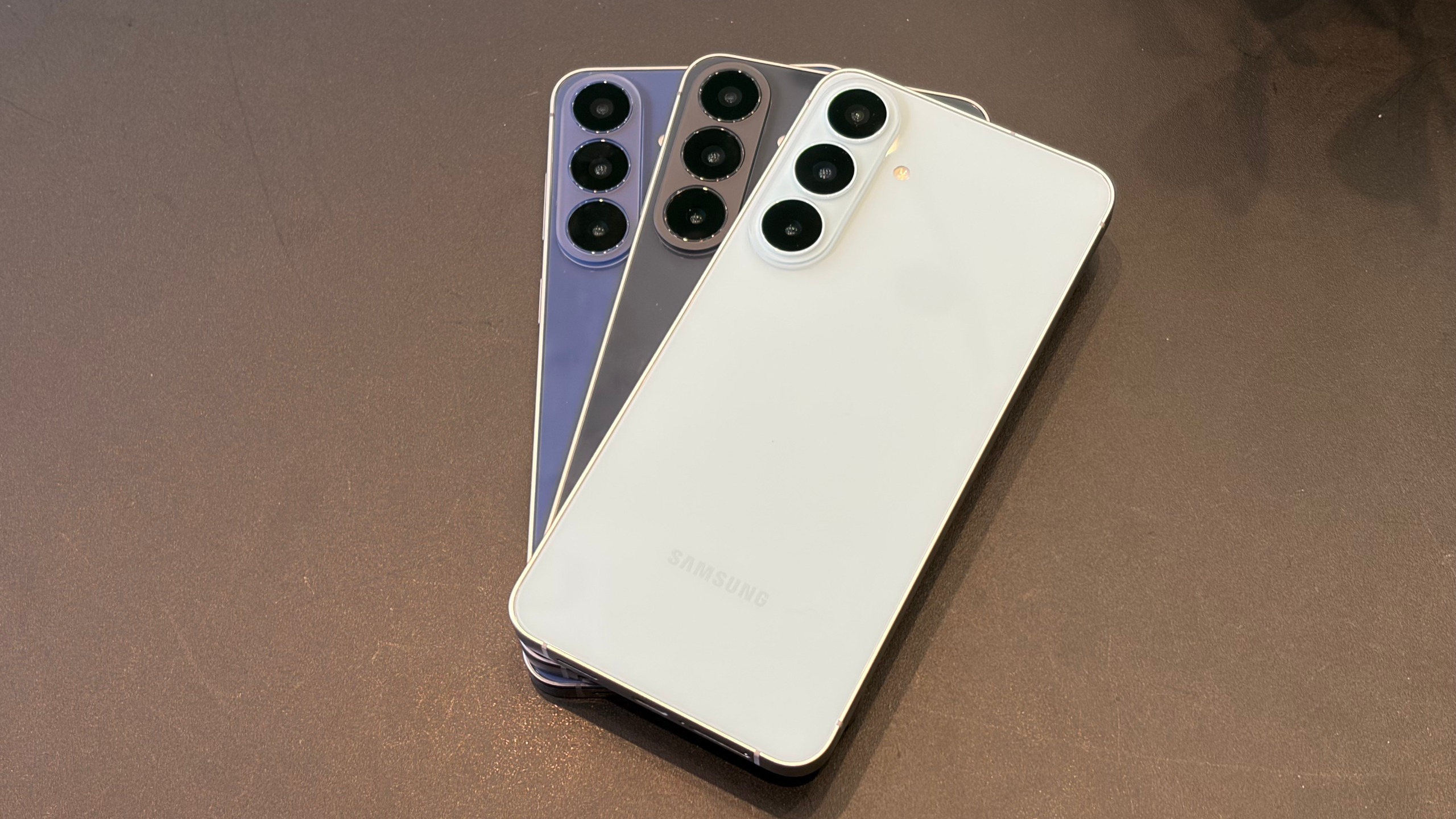
Consumers have three colorways to choose from: Graphite, Blueberry, and Pistachio. While Graphite caters to traditionalists, the Blueberry and Pistachio options provide distinct yet restrained visual alternatives.
Display Performance and Limitations
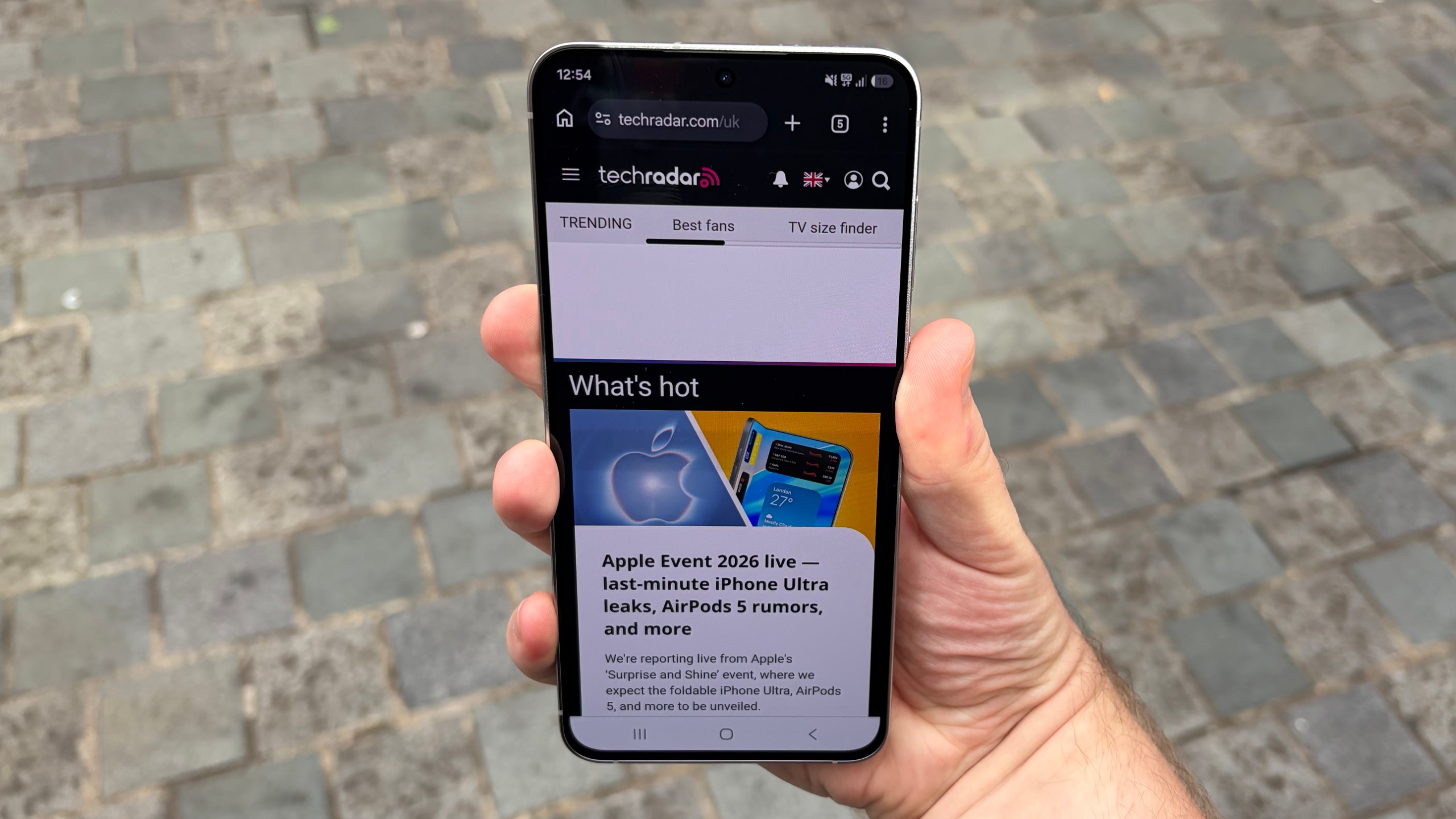
The device is built around a expansive 6.7-inch Dynamic AMOLED 2X display, matching the screen dimensions of the Galaxy S26 Plus. However, technical compromises are evident upon closer examination. The panel operates at an FHD+ resolution (1080 x 2340) rather than the QHD standard found on the Plus model, and achieves a peak brightness of 1,900 nits compared to the 2,600-nit maximum of the higher-tier flagships.
Despite these lower specifications, the display delivers vibrant color reproduction, sharp contrast, and adequate legibility under direct sunlight. The 120Hz adaptive refresh rate ensures fluid scrolling and responsive navigation, though the wider bezels serve as a constant visual reminder of the device’s mid-tier positioning.
Software Ecosystem and Longevity
Running One UI 9 atop Android 17 straight out of the box, the Galaxy S26 FE actually precedes the standard S26 models, which currently access the software only in beta form. This gives the FE immediate access to advanced features, including the FanCam video subject tracking tool—previously exclusive to the Galaxy Z Fold 8 and Flip 8 series—alongside Photo Assist and Audio Eraser.
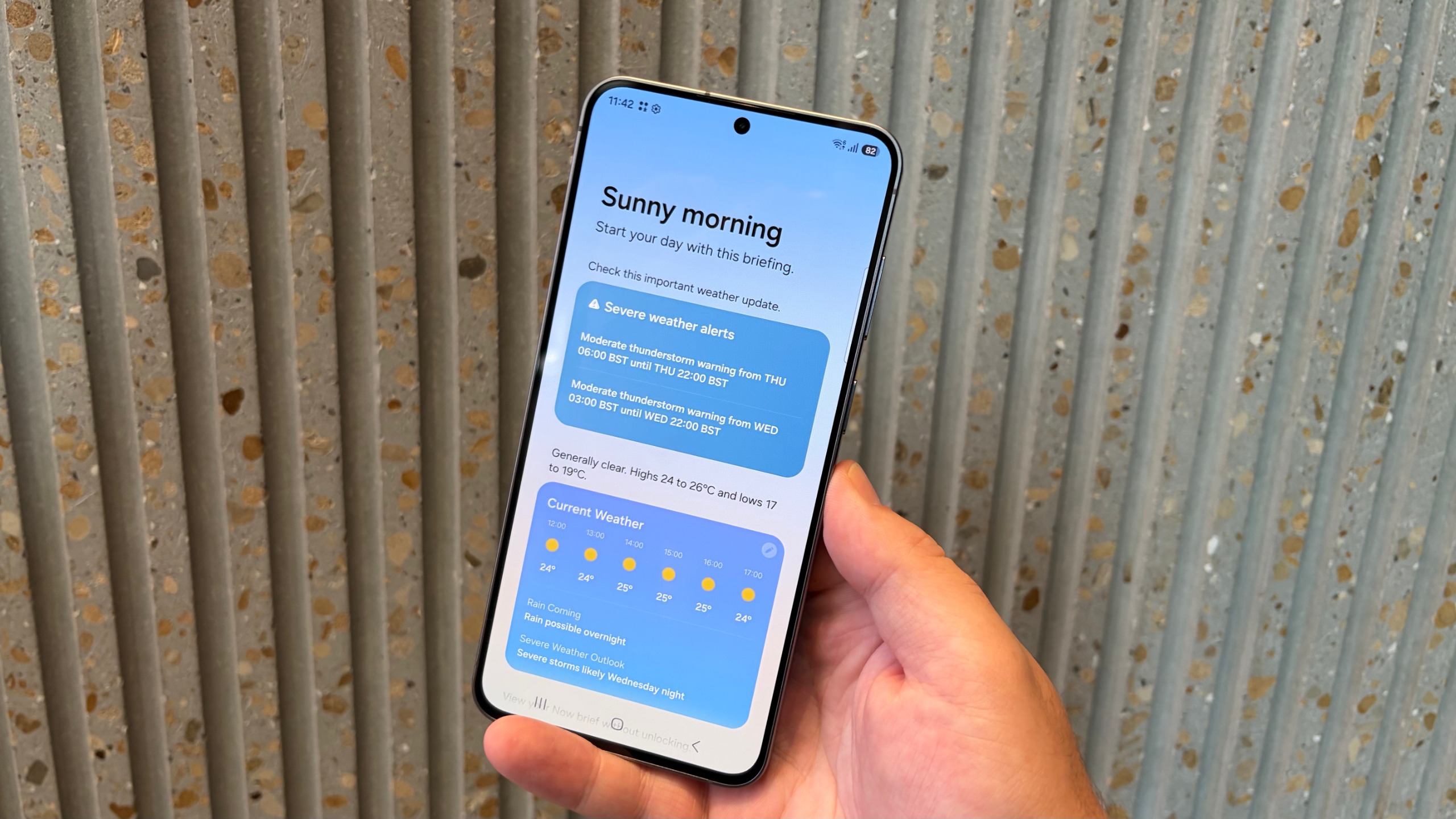
Productivity enhancements are also prominent, featuring updated Now Brief custom cards and expanded cross-app functionality driven by Gemini integration.
Crucially, Samsung maintains its industry-leading software support pledge, promising seven generations of major Android upgrades alongside seven years of security patches. This commitment matches the flagship S26 tier and surpasses the update lifecycle of mid-range alternatives like the Galaxy A57, significantly bolstering the long-term investment value of the device.
Camera System Evaluation
The camera configuration on the Galaxy S26 FE consists of a 50MP wide primary sensor (f/1.8), a 12MP ultra-wide lens (f/2.2), an 8MP 3x telephoto lens (f/2.4), and a 12MP front-facing selfie camera. While this setup mirrors the core components of the S26 and S26 Plus—minus the higher-resolution 10MP zoom sensor found on the pricier models—real-world output presents a mixed performance profile.
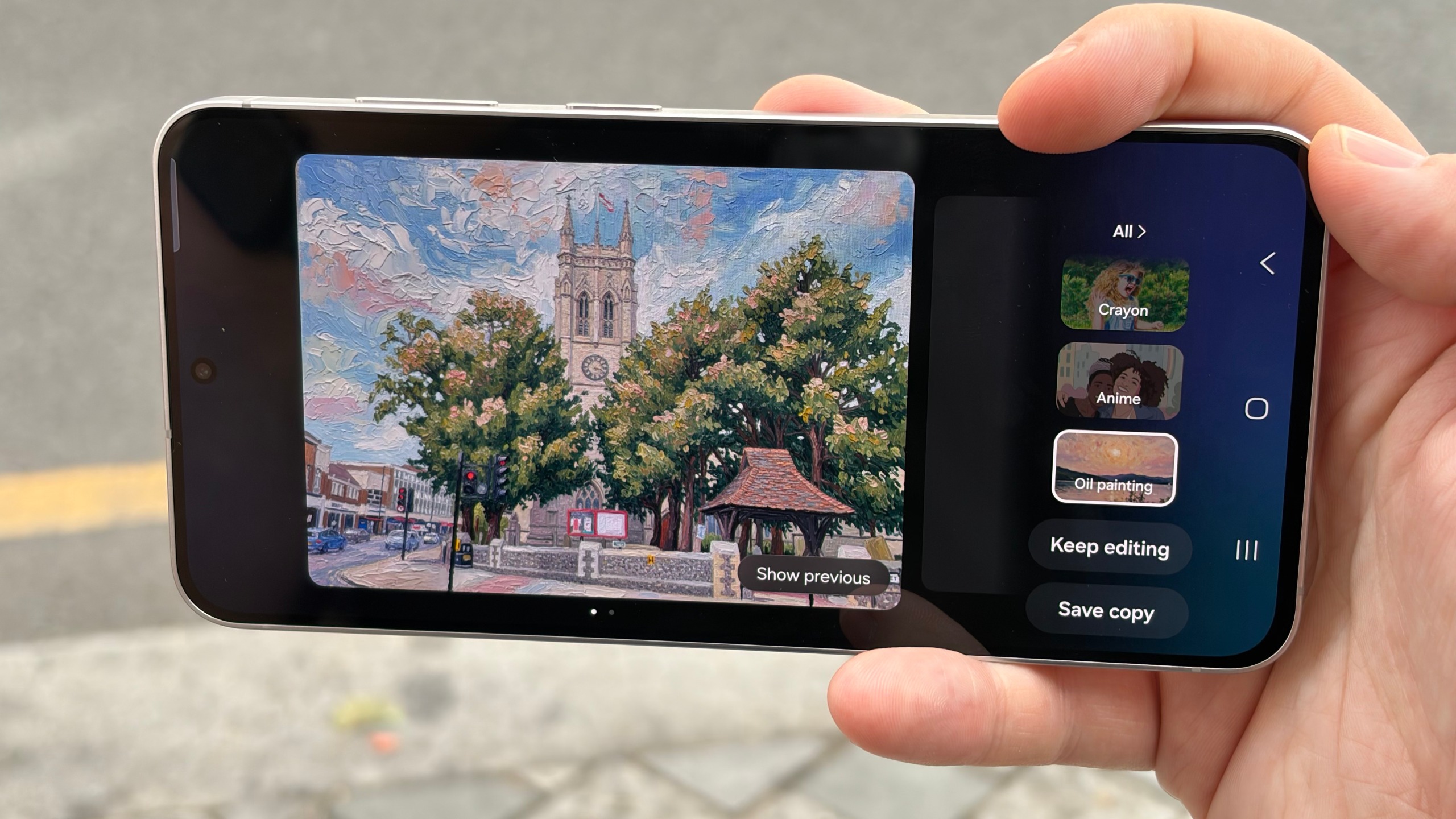
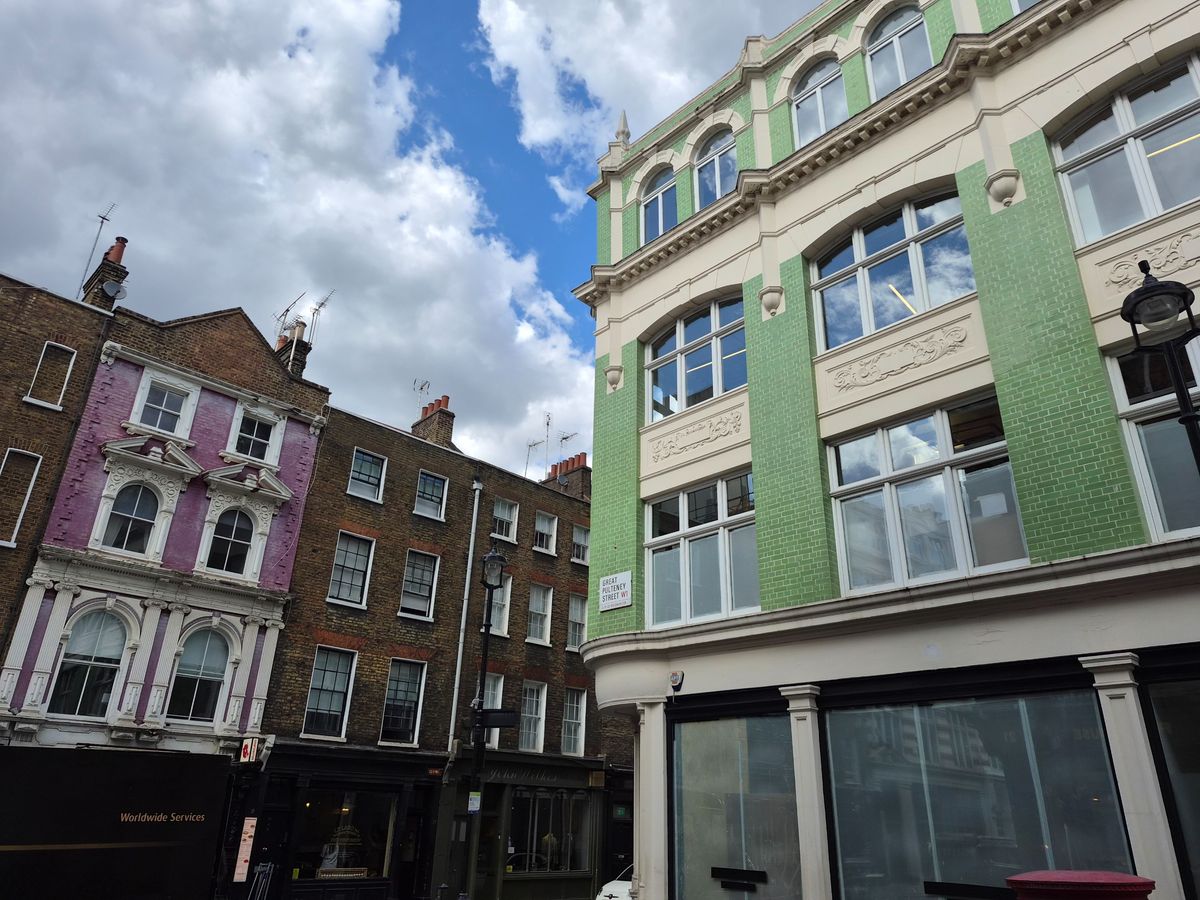
The 50MP primary sensor captures detailed imagery with balanced dynamic range, particularly in challenging urban lighting conditions. Portrait photography benefits from Samsung’s refined subject-isolation algorithms, delivering precise background bokeh around complex edges such as hair and eyewear.
Conversely, the auxiliary lenses reveal noticeable limitations. The ultra-wide camera tends to produce muted colors and drab landscapes under overcast conditions, while the 8MP telephoto lens yields darker, softer images at 3x magnification compared to the in-sensor 2x crop achievable via the main camera. For casual photography, the primary and front shooters perform adequately, but dedicated mobile photographers may find the overall system lacking consistency for a device marketed under the flagship umbrella.
Performance Metrics and Processing Power
Under the hood, the Galaxy S26 FE utilizes Samsung’s proprietary Exynos 2500 chipset, diverging from the Snapdragon 8 Elite Gen 5 processor utilized by its higher-end stablemates. Benchmark evaluations present a surprising narrative: while single-core CPU scores trail the competition, multi-core performance remains competitive. Notably, the Exynos GPU excels in ray-tracing graphics benchmarks, such as the 3DMark Solar Bay test, where it scores exceptionally well.
Equipped with 8GB of RAM—four gigabytes less than the standard S26 models—the device occasionally encounters friction during heavy multitasking or resource-intensive operations. Nevertheless, casual gaming and standard daily tasks such as web browsing, media streaming, and messaging operate smoothly without noticeable thermal throttling.
Battery Life and Charging Speeds
Energy management is anchored by a 4,900mAh battery, matching the capacity of the Galaxy S26 Plus. Official manufacturer estimates place video playback endurance at up to 29 hours, slightly trailing the S26 Plus’s 31-hour benchmark. In practical daily usage, the device comfortably consumes around 40% of its capacity during a standard workday involving communication, web browsing, and media consumption, easily clearing a full day of mixed use.
Charging specifications include 45W wired capabilities and 15W wireless charging, though the device lacks Qi2 compatibility. Utilizing a compatible 45W adapter, testing indicates a recovery from zero to 43% in 15 minutes, with a full charge achieved in approximately 58 minutes. While faster charging solutions exist within the broader Android ecosystem, these metrics remain competitive for Samsung’s hardware lineup.
Implications and Market Outlook
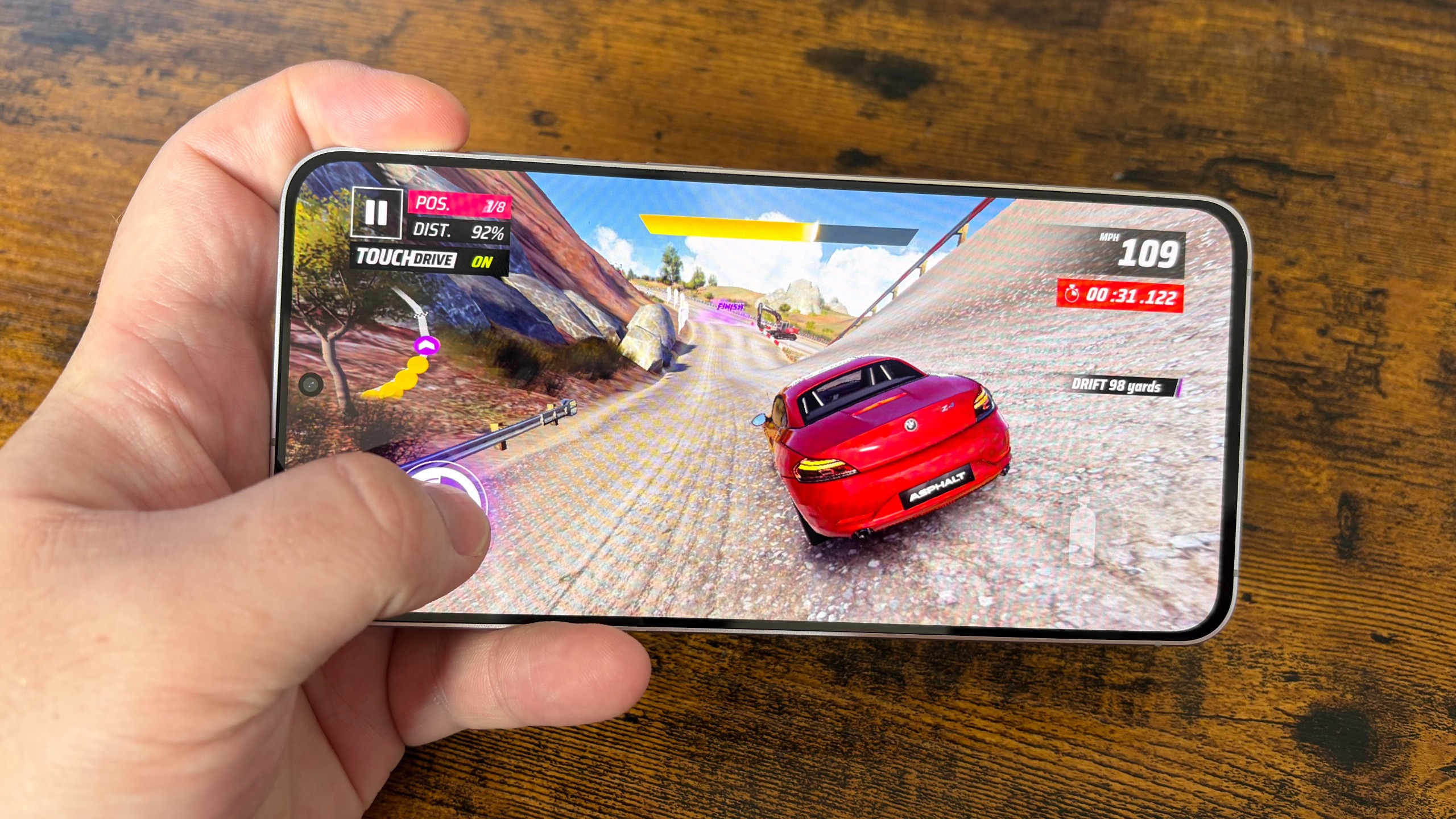
The Samsung Galaxy S26 FE occupies a complex space within the consumer electronics landscape. It successfully delivers a large-screen experience, robust gaming capabilities, and a multi-year software support commitment at a lower threshold than traditional flagships. However, the $50 price hike, combined with compromises in display resolution and auxiliary camera performance, makes the value proposition less definitive than in previous generations.
For buyers seeking a large Samsung display and solid battery life without paying upwards of $900, the S26 FE remains a viable option. Conversely, users prioritizing advanced photography, maximum processing headroom, or optimal long-term resale value may find that investing the additional funds into the standard Galaxy S26 or S26 Plus yields a more comprehensive and future-proof mobile experience.