Aosu Video Doorbell R1 Ultra Review: Subscription-Free Smart Security That Delivers Value Over Gimmicks

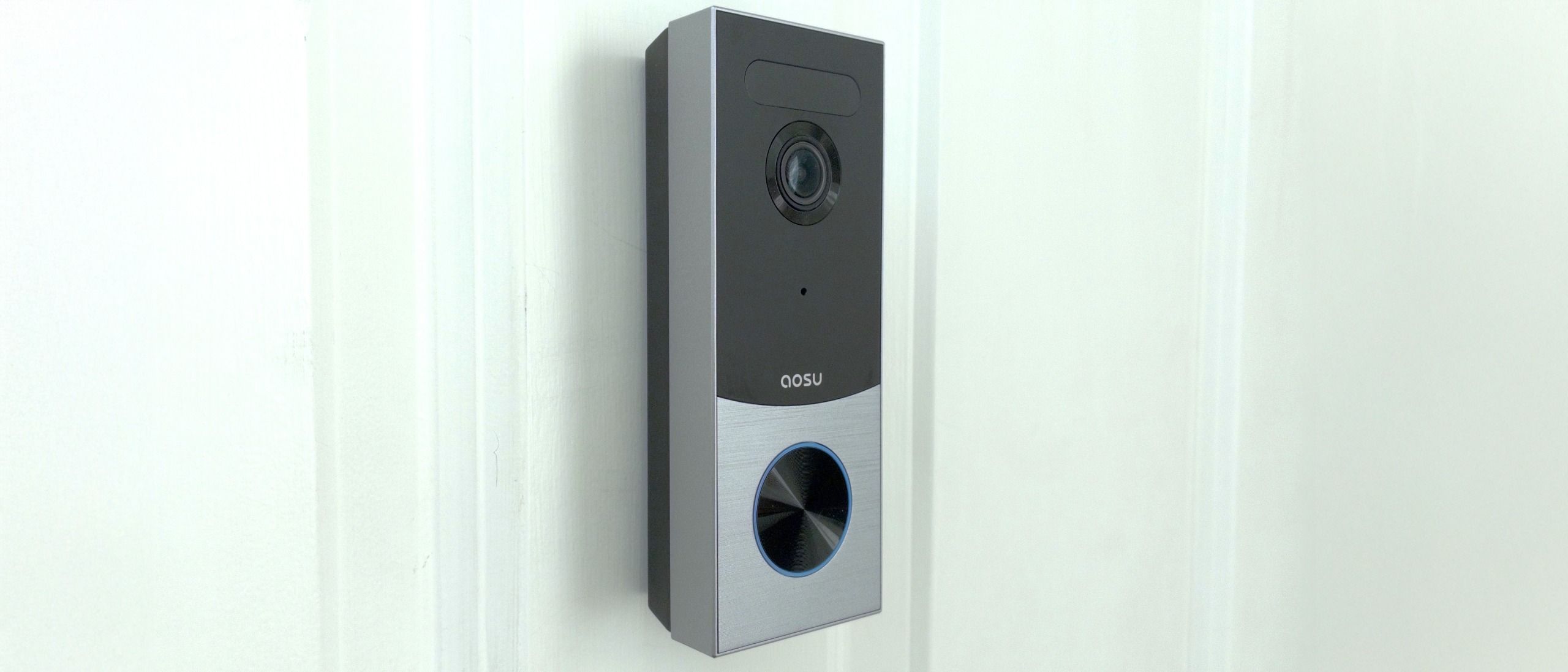
The modern smart home security market has long been dominated by a frustrating economic model: sell the physical camera hardware at an alluringly low entry price, then lock vital functionality behind a recurring monthly subscription fee. For years, consumers have grown accustomed to paying ongoing fees merely to access stored video clips, review movement history, or utilize advanced motion filtering. Challenging this industry standard, Aosu has introduced the R1 Ultra video doorbell, shifting the paradigm by offering comprehensive local storage and robust native features without mandatory subscription overhead. Priced around $135.99 / £139.99—frequently discounted near the £100 mark—the R1 Ultra attempts to redefine budget-friendly home surveillance by bundling its proprietary indoor base station directly into the box, thereby eliminating hidden long-term costs.
Understanding the Market Context of Subscription-Free Security
The release of the Aosu R1 Ultra arrives at a time when consumer fatigue regarding digital subscriptions is reaching an all-time high. Major competitors in the smart doorbell sector, most notably Amazon-owned Ring, have progressively tightened their feature sets, requiring paid cloud plans even to review standard motion alert history or access specialized detection features. Consequently, households investing in smart security often find that the true cost of ownership over a three-to-five-year period far exceeds the initial hardware purchase price.
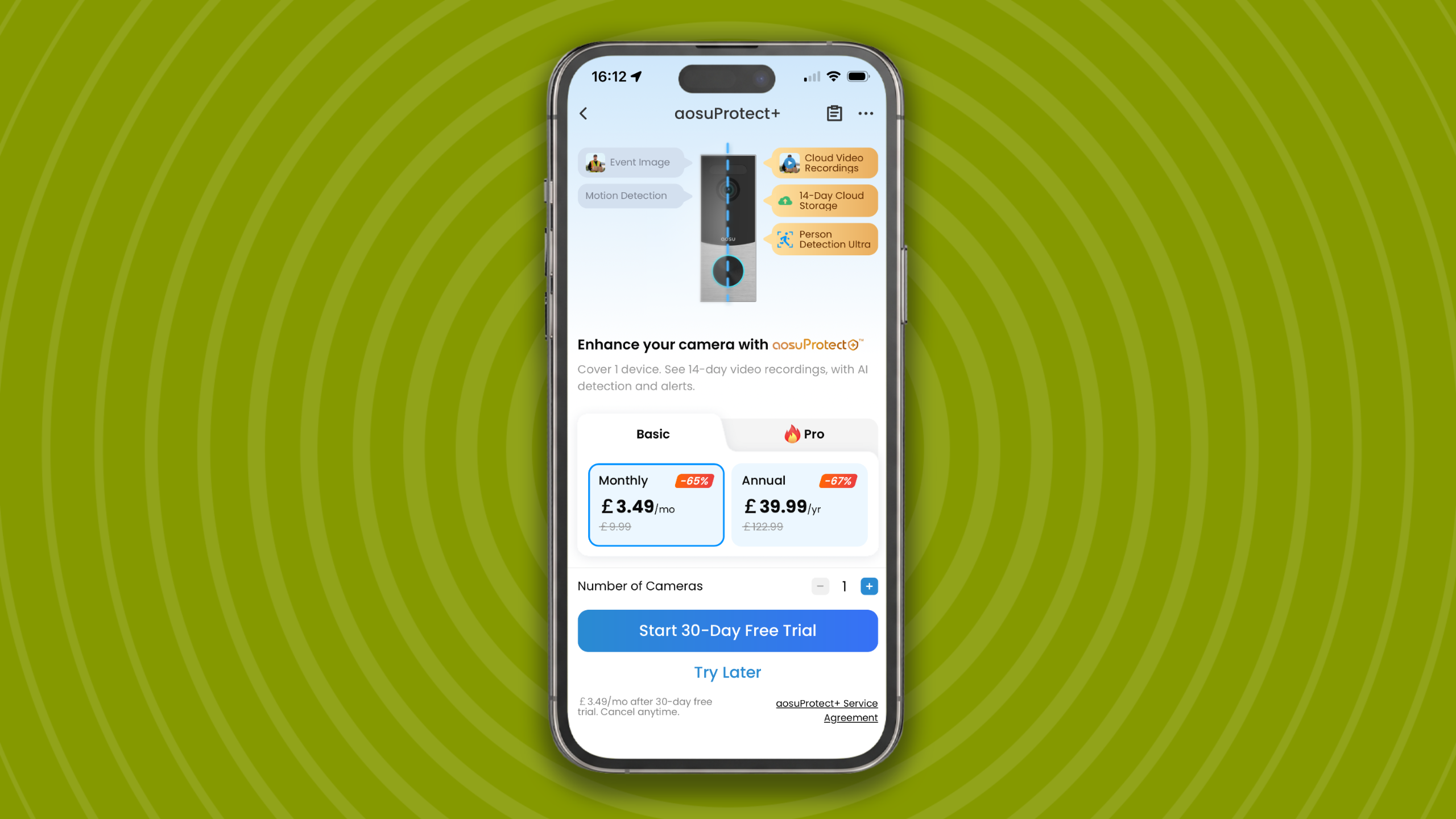
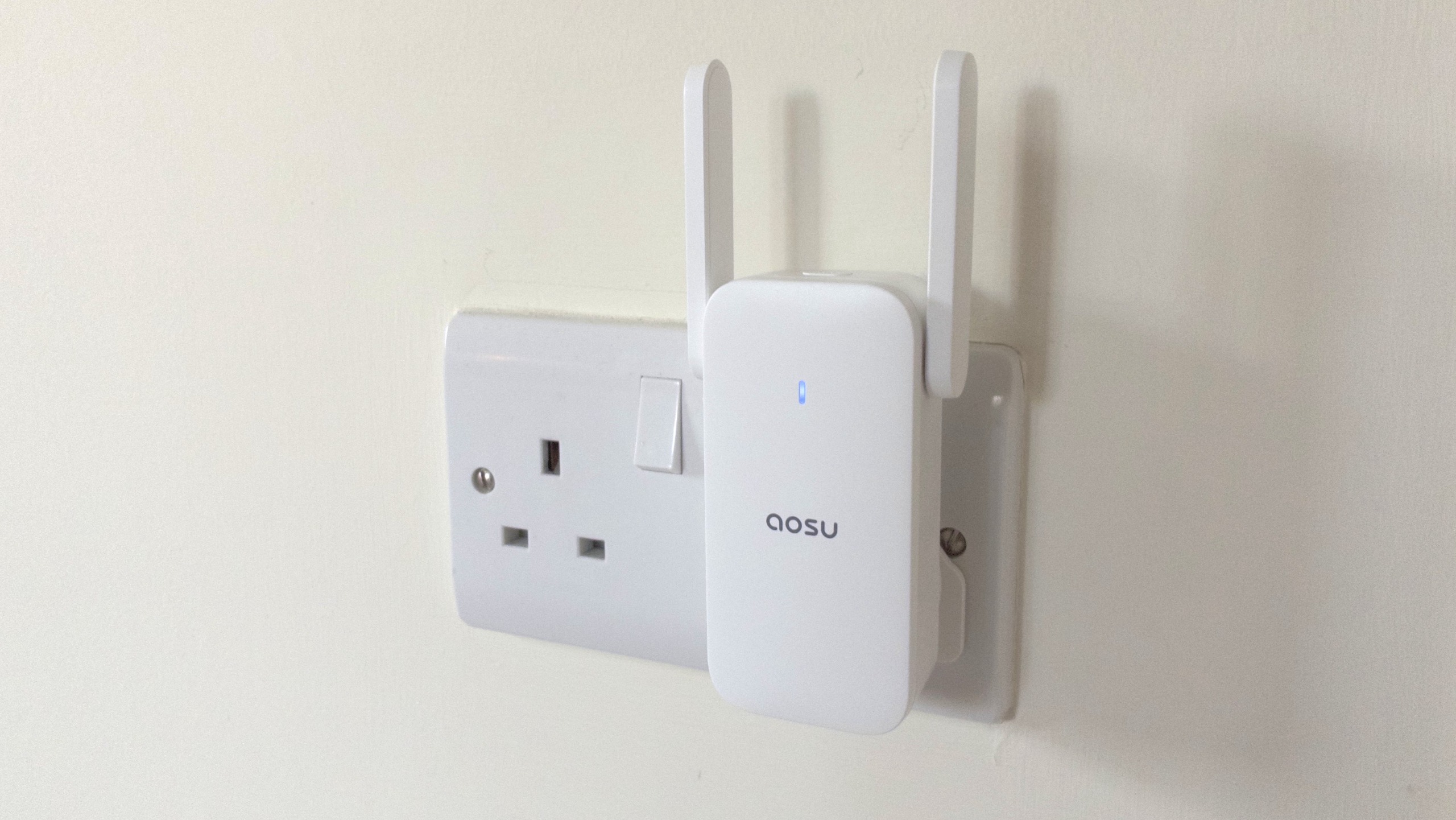
Aosu’s strategic counter-offer relies on the included AosuBase Mini, a compact plug-in hub that serves a triple purpose inside the home: it acts as a secure Wi-Fi bridge, functions as a traditional indoor chime, and houses an 8GB internal storage drive capable of maintaining a rolling 60-day loop recording. By keeping this loop entirely local and completely unpaywalled, Aosu targets cost-conscious homeowners who require peace of mind without signing up for perpetual utility-style billing. While an optional cloud tier dubbed AosuProtect+ remains available for users seeking remote cloud backups or advanced facial recognition, the core product remains fully operational out of the box, preserving live streaming, two-way audio, and custom motion zones without financial penalty.
Design, Hardware Architecture, and Installation Logistics
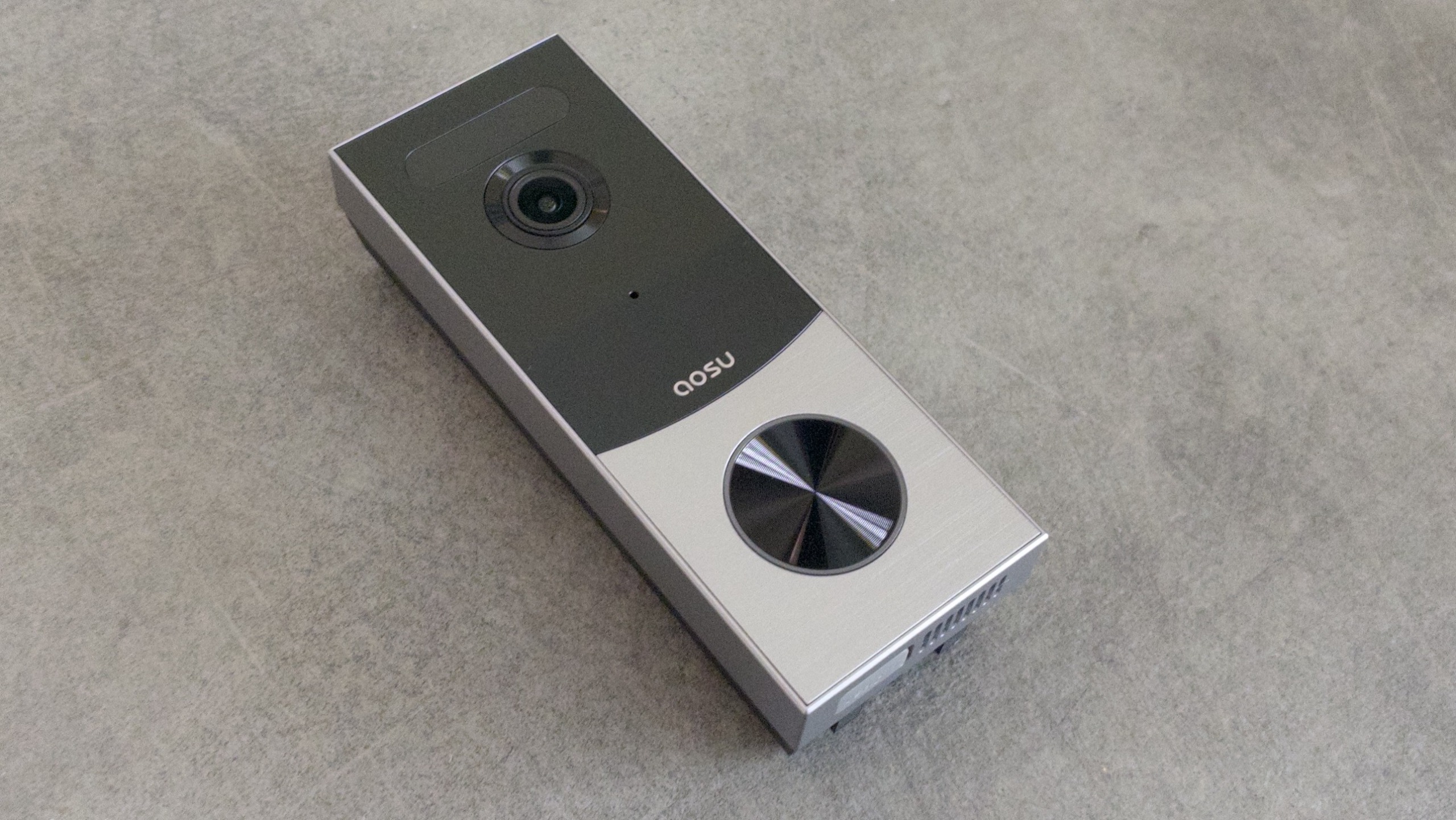
From an aesthetic standpoint, the Aosu R1 Ultra borrows heavily from established design language, presenting a durable black polycarbonate chassis accented by subtle silver flourishes. Measuring roughly 5 x 2 x 3 inches, its footprint is comparable to other mainstream battery-powered doorbells, though its installation requires careful planning regarding placement.
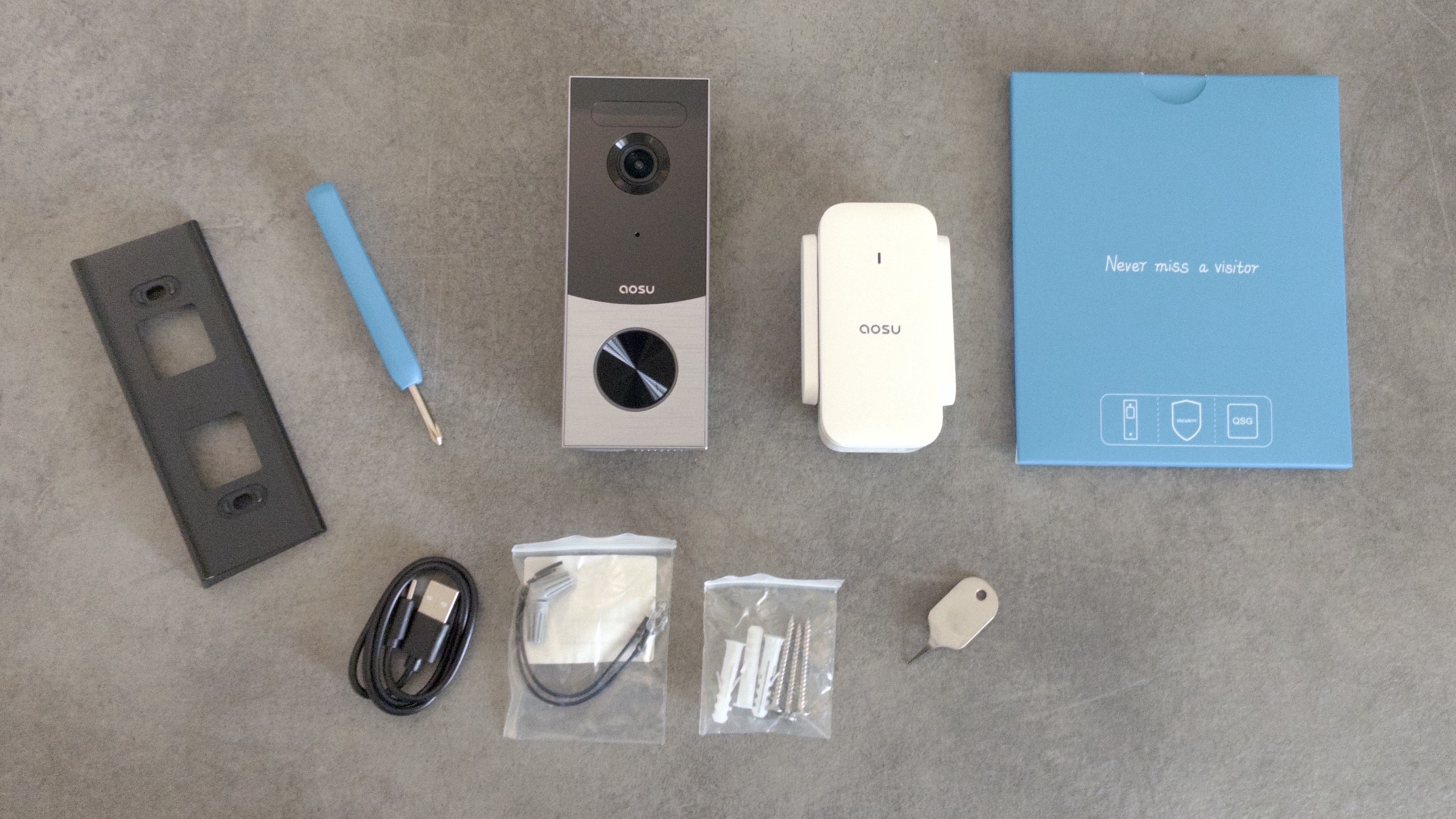
Aosu recommends mounting the unit at a height of approximately 4 feet (1.2 meters) rather than standard eye level. While this lower positioning runs counter to instinctive DIY placement, it is a structural necessity to ensure the camera’s 4:3 aspect ratio successfully captures parcels left directly on the doorstep. For properties with awkward entryways, the manufacturer bundles a 15-degree mounting wedge, alongside a comprehensive tool kit featuring a screwdriver, extension wires, and wire nuts for homeowners opting to hardwire the device into an existing 8V–24V AC doorbell circuit.
A notable security feature integrated into the hardware design is active pry detection. Should an unauthorized individual attempt to leverage the doorbell off its mounting bracket, the unit immediately triggers an internal acoustic alarm, pushes an instant notification to the user’s smartphone, and securely retains the incriminating footage on the indoor base station rather than on the vulnerable exterior hardware.
Performance and Visual Fidelity: Separating Specs from Reality
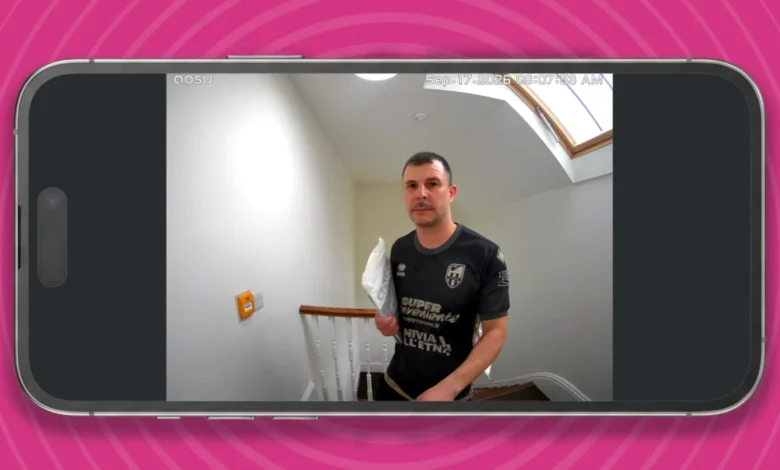
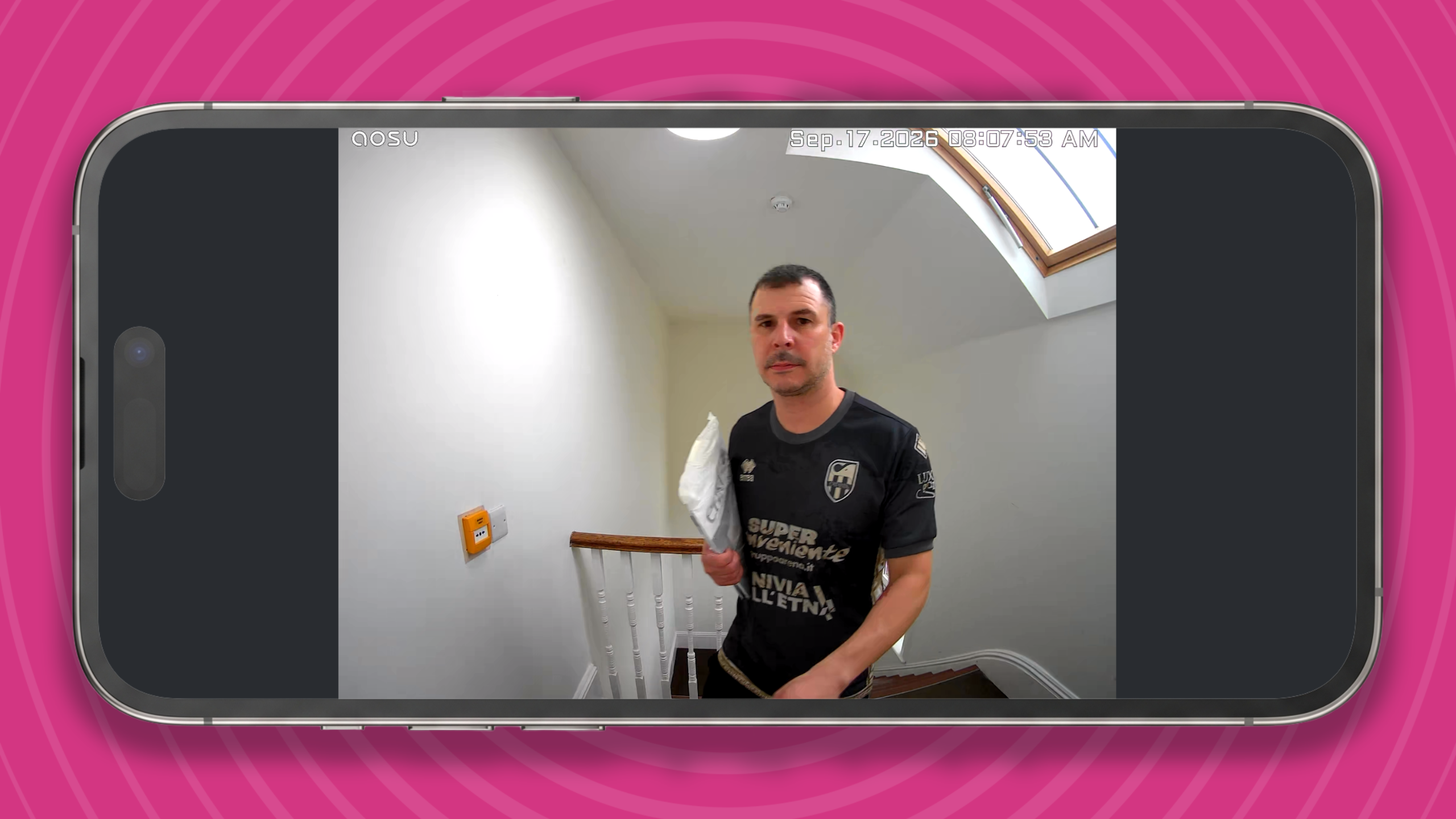
Performance evaluation of the R1 Ultra reveals a device that performs admirably in favorable lighting conditions while occasionally struggling against its own marketing specifications. The camera utilizes a 5MP sensor capturing images at a resolution of 2560 x 1920 within a 4:3 frame. While this resolution is undeniably sharp and represents a distinct upgrade over standard 2K budget competitors, it falls short of true Ultra High Definition (UHD), which technically requires a 3840 x 2160 pixel array. Similarly, the advertised 166-degree field of view represents a diagonal measurement; actual daily use yields a 133-degree horizontal and 103-degree vertical perspective.
Despite these minor discrepancies in spec-sheet hyperbole, daylight video quality is a distinct strength. Colors are accurate, high-dynamic-range (WDR) processing manages backlit porches effectively, and details such as courier uniforms and parcel tracking labels remain legible. Motion detection utilizes a sophisticated tri-tier approach, combining radar for precise distance calculation, passive infrared (PIR) sensors to track body heat, and an advanced AI human recognition layer. This amalgamation drastically reduces false positives generated by stray neighborhood cats, rustling foliage, or passing vehicle traffic.
Nighttime monitoring relies exclusively on an array of eight 850nm infrared LEDs, providing monochrome vision up to 33 feet (10 meters). The absence of a dedicated color night-vision mode or an integrated spotlight means users must rely on ambient exterior lighting to capture identifiable facial features after dark. Furthermore, the manual cautions against mounting the doorbell directly adjacent to side walls, as proximity can cause infrared light to bounce back into the lens, resulting in a washed-out image.
Battery Life, Power Management, and Connectivity Constraints
Power management represents a mixed experience for users relying entirely on battery operation. Aosu estimates that the internal 5,000mAh battery can achieve up to six months of operation, calculated on the basis of ten 20-second events per day. However, busy urban doorbells facing high pedestrian traffic will see significantly reduced longevity.
When the battery eventually depletes, users encounter a logistical drawback: the cell is non-removable and lacks a quick-release mechanism. Recharging the device from zero to full capacity takes approximately six hours via the included USB-C cable, meaning the entire physical doorbell must be detached from the exterior wall, leaving the entryway unprotected during the lengthy charging cycle. To circumvent this limitation, homeowners with pre-existing low-voltage wiring are strongly encouraged to hardwire the unit, thereby bypassing battery maintenance altogether.
Wireless connectivity is managed via a split architecture. The doorbell connects exclusively to the 2.4GHz Wi-Fi band to conserve battery life, while the AosuBase Mini operates on dual-band 2.4GHz/5GHz frequencies to maintain a robust link with the home router. Consequently, the physical placement of the base station within the home is critical; positioning it too far from the front door can introduce latency into live-streaming feeds.
Software Ecosystem and Unique Functional Additions
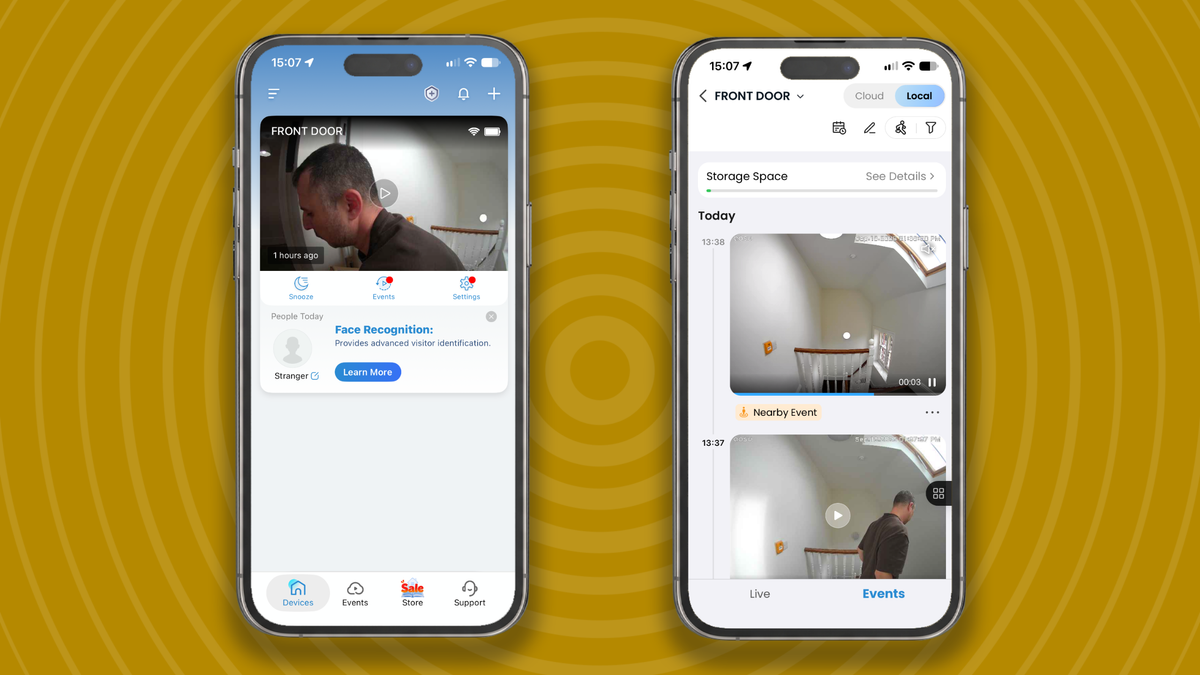
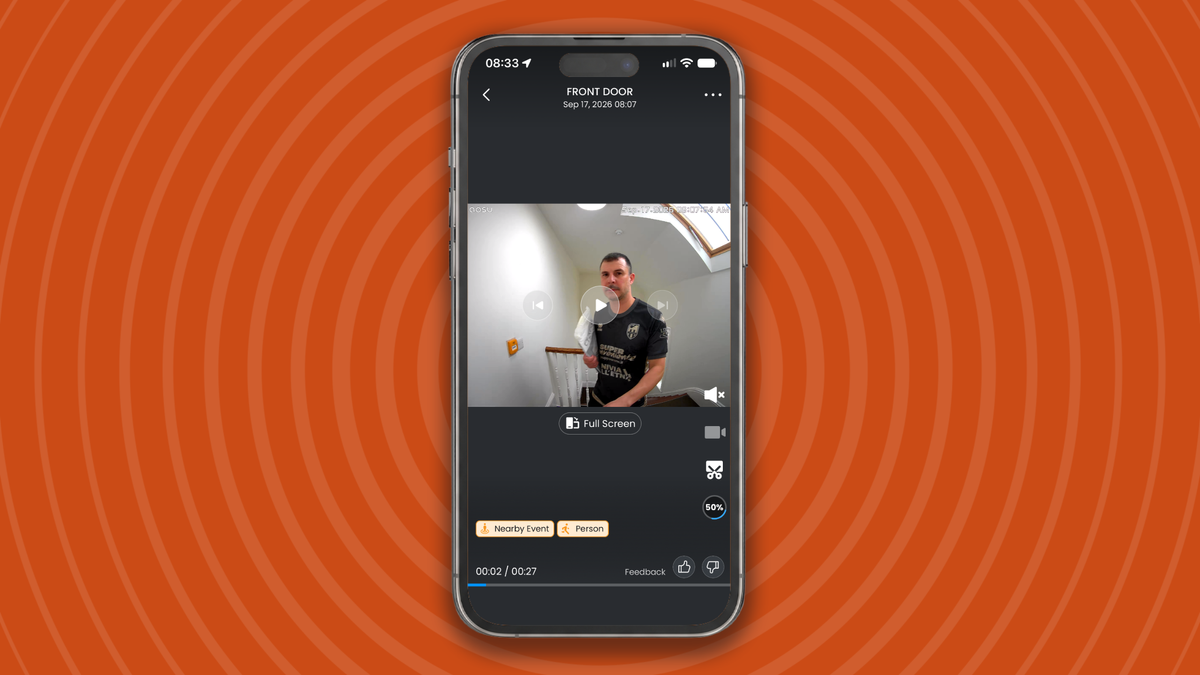
Operating through the companion mobile application, the R1 Ultra offers a responsive user interface complete with instant notification thumbnails that allow homeowners to assess alerts at a glance. Live-view capabilities include a manual resolution toggle to switch between UHD and SD streams if network congestion threatens playback stability. Users can also instantly save snapshots or video clips directly to their smartphone’s local camera roll for sharing with law enforcement or neighbors.
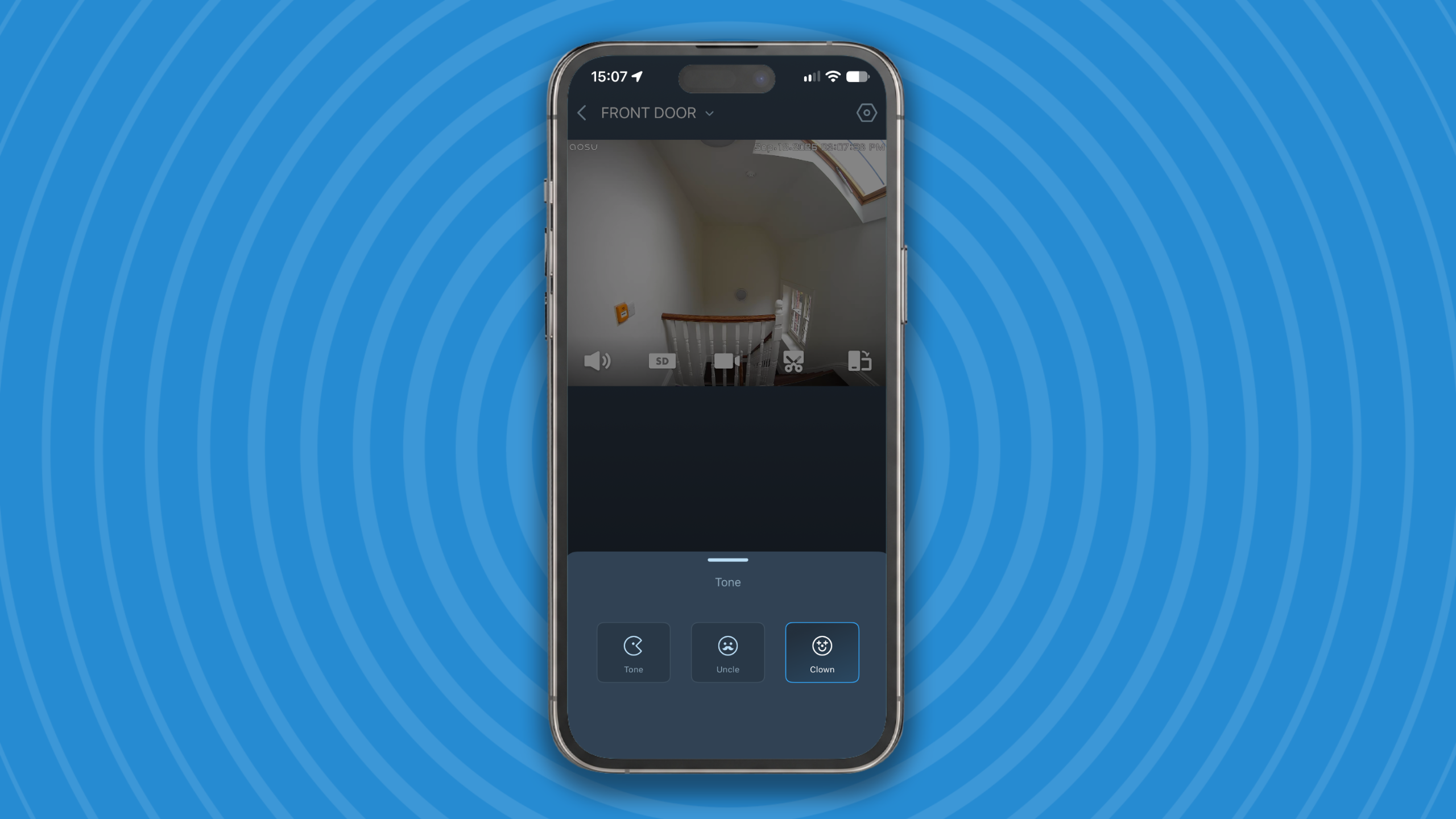
Among the more novel software additions is a voice-disguise feature accessible via the two-way talk screen. Dubbed the "Tone" button, it offers two distinct audio filters: "Uncle," which artificially deepens the user’s voice to resemble an adult male, and "Clown," which applies a high-pitched distortion. Aosu markets these settings as privacy tools designed to mask the identities of vulnerable residents answering the door while home alone, adding an extra layer of psychological deterrence against potential intruders.
Conversely, the Quick Reply feature is less flexible, offering a selection of rigid, uneditable audio responses to play when the homeowner is unavailable to speak directly.
Broader Implications and Smart Home Integration
In the broader context of smart home security ecosystems, the Aosu R1 Ultra occupies a pragmatic middle ground. Integration with mainstream smart home platforms is supported, allowing compatibility with Amazon Alexa and Google Assistant for voice-activated monitoring and smart display integration.
Ultimately, the market implications of the R1 Ultra point toward a growing consumer demand for hardware transparency and freedom from subscription lock-in. While prospective buyers must temper their expectations regarding night vision capabilities and manufacturer-inflated field-of-view metrics, the core value proposition remains compelling. By offering sixty days of local loop recording, an included base station, and sophisticated multi-sensor motion detection at a competitive price point, Aosu has engineered a capable security alternative that prioritizes long-term cost-efficiency over continuous monetization.
Related posts: