MobLand Season 2 Review: A Masterclass in Bold Crime Drama and Complex Storytelling

The second season of the hit crime drama MobLand has officially debuted on Paramount+, delivering a relentlessly high-stakes narrative that continues to challenge contemporary television norms. Amid a broader industry trend where many streaming services have reportedly tailored scripts to accommodate "second-screen" viewers—subscribers who watch content casually while multitasking on mobile devices—MobLand takes the opposite approach. Developed by visionary creators, the series demands the full, critical attention of its audience, rewarding careful observation with layered plotting, dynamic cinematography, and precise thematic execution.
Background Context and Industry Trends
In recent years, television executives and streaming platforms have faced scrutiny over shifting content strategies. Analysts and industry reports have highlighted a growing preference for simplified plots, exposition-heavy dialogue, and easily digestible episodic structures designed to retain viewers who may not be entirely focused on the screen. This shift has occasionally resulted in a landscape populated by formulaic storytelling and low-risk narratives.
MobLand, however, has explicitly rejected this formula since its record-breaking series premiere on Paramount+. Season 2 builds directly upon the groundwork laid in its inaugural outing, offering an uncompromising look at organized crime in London that trusts its viewers to piece together complex webs of allegiance, betrayal, and familial dysfunction. By refusing to spoon-feed narrative developments, the production has positioned itself as an outlier in modern prestige television, proving that complex, high-friction storytelling can achieve both commercial success and critical acclaim.
Character Dynamics and Chronology of Conflict
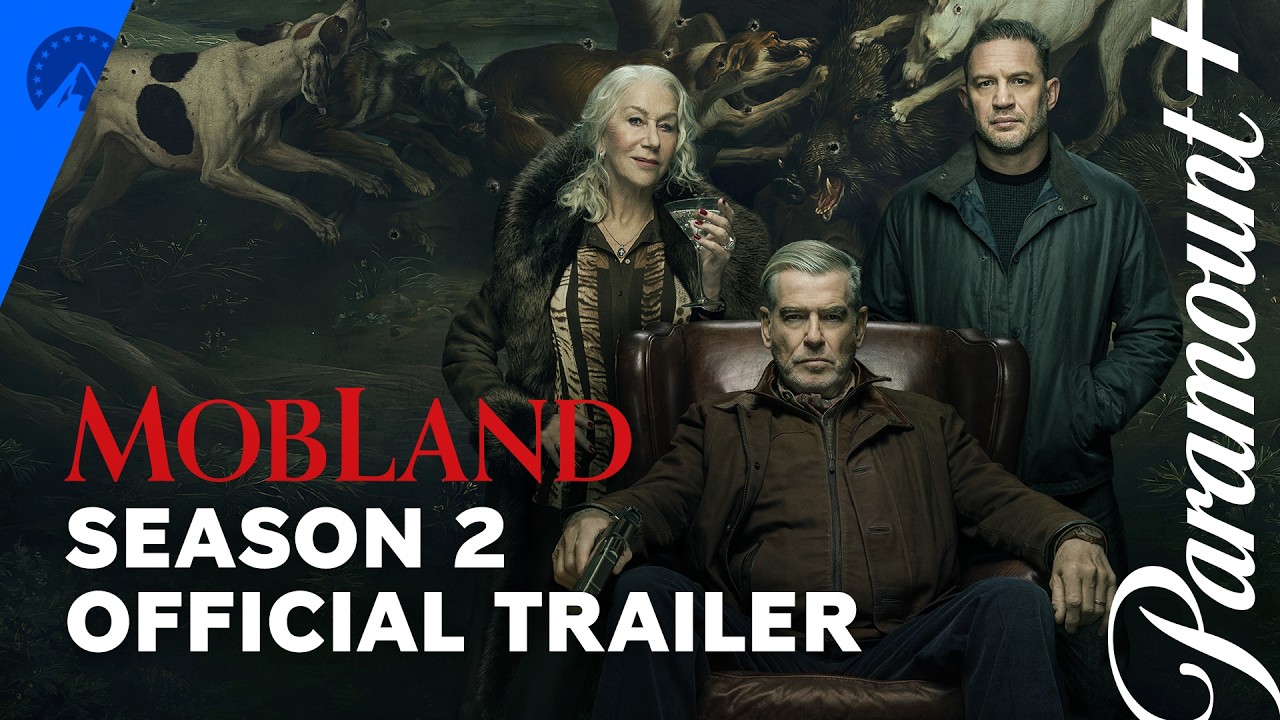
The narrative core of MobLand Season 2 centers on the fractured and volatile Harrigan family, whose internal power struggles escalate rapidly across the new episodes.
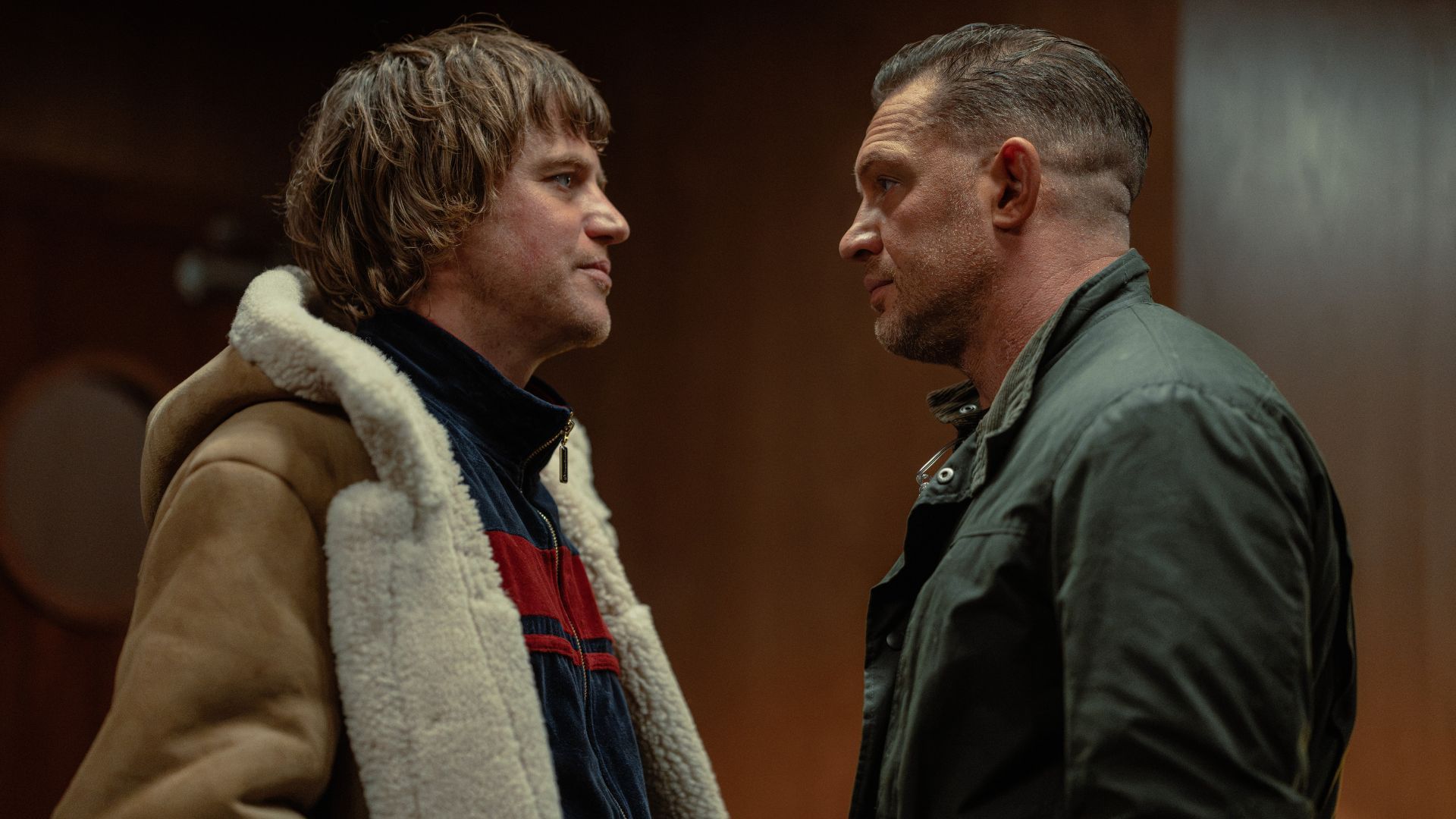
Conrad Harrigan, portrayed by Pierce Brosnan, finds his grip on reality and authority increasingly tenuous as his bitter feud with rival Kevin, played by Paddy Considine, intensifies. This conflict draws in new elements, including the introduction of Frankie Cooper, a cold and calculating fixer played by Johnny Flynn. Operating on behalf of the formidable and aloof Kat (Janet McTeer), who attempts to exert control over the London criminal underworld from a distance, Frankie introduces an unprecedented level of clinical threat to the ecosystem.
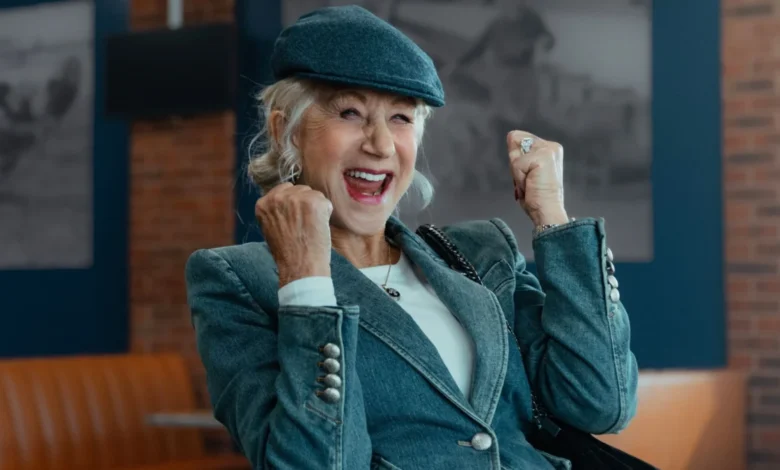
Meanwhile, Harry Harrigan (Tom Hardy) is forced to navigate an exponentially heavier workload of crisis management. Harry’s professional burdens run parallel to severe personal upheaval, characterized by an impending divorce from Jan (Joanne Froggatt) and the sudden disappearance of his daughter, Gina (Teddie Allen). Supporting characters also face stark transformations: Maeve (Helen Mirren) commands attention with calculated authority, Bella (Lara Pulvey) displays uncharacteristic vulnerability, and Seraphina (Mandeep Dhillon) navigates a precarious ascent through the criminal hierarchy that continually threatens to backfire.
Production Design and Audio-Visual Synergy
Beyond its writing, MobLand Season 2 distinguishes itself through a meticulous synthesis of technical elements. Critics have noted the seamless integration of sharp scriptwriting, fast-paced editing choices, and an eclectic, high-energy soundtrack. Rather than relying on individual standout components, the production achieves synergy where visual pacing, rhythmic editing, and musical cues—such as the incorporation of tracks like The Prodigy’s "Firestarter"—work in tandem to elevate the emotional and visceral impact of key sequences.
This precise construction creates a viewing experience that is both mentally demanding and deeply immersive. The unrelenting pace requires viewers to track shifting loyalties and sudden plot turns, mirroring the psychological toll experienced by the characters themselves.

Implications and Future Outlook
The critical success of MobLand Season 2 underscores a shifting appetite among audiences for uncompromised, high-risk television. By refusing to pander to passive viewing habits, Paramount+ and the creative team behind the series have established a benchmark for modern crime dramas, drawing favorable comparisons to other high-profile genre entries like The Gentlemen.
With Paramount+ having already greenlit a third season, the series is well-positioned to expand its narrative universe further. The resolution of Season 2’s labyrinthine conflicts will undoubtedly set a high bar for future installments, reinforcing the viability of bold, intellectually demanding storytelling in the streaming era.