Withings BodyScan 2 Review: The Ultimate Longevity Station or an Overpriced Scale?

Smart scales have traditionally served as straightforward tools for tracking body weight, body fat percentages, and muscle mass via basic electrical impedance electrodes positioned beneath the soles of the feet. While these standard devices remain popular among fitness enthusiasts and households looking to monitor basic physical changes over time, health tech manufacturer Withings has sought to fundamentally redefine the category. Billed by the company as the world’s first consumer "longevity station," the Withings BodyScan 2 aims to bridge the gap between household bathroom accessories and advanced clinical diagnostics. Transforming the daily weigh-in into a comprehensive cardiometabolic assessment, this premium device promises to evaluate whether a user’s lifestyle is actively adding or subtracting years from their life. Building upon the foundation of its predecessor, the original BodyScan, the second-generation model introduces a redesigned structure, a relocated display, and a suite of sophisticated health metrics designed for proactive, long-term wellness management.
Evolution of Design and Premium Hardware Specifications
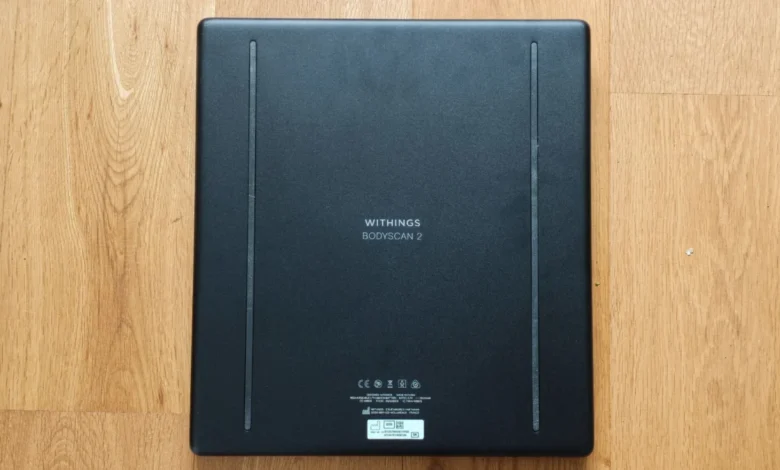
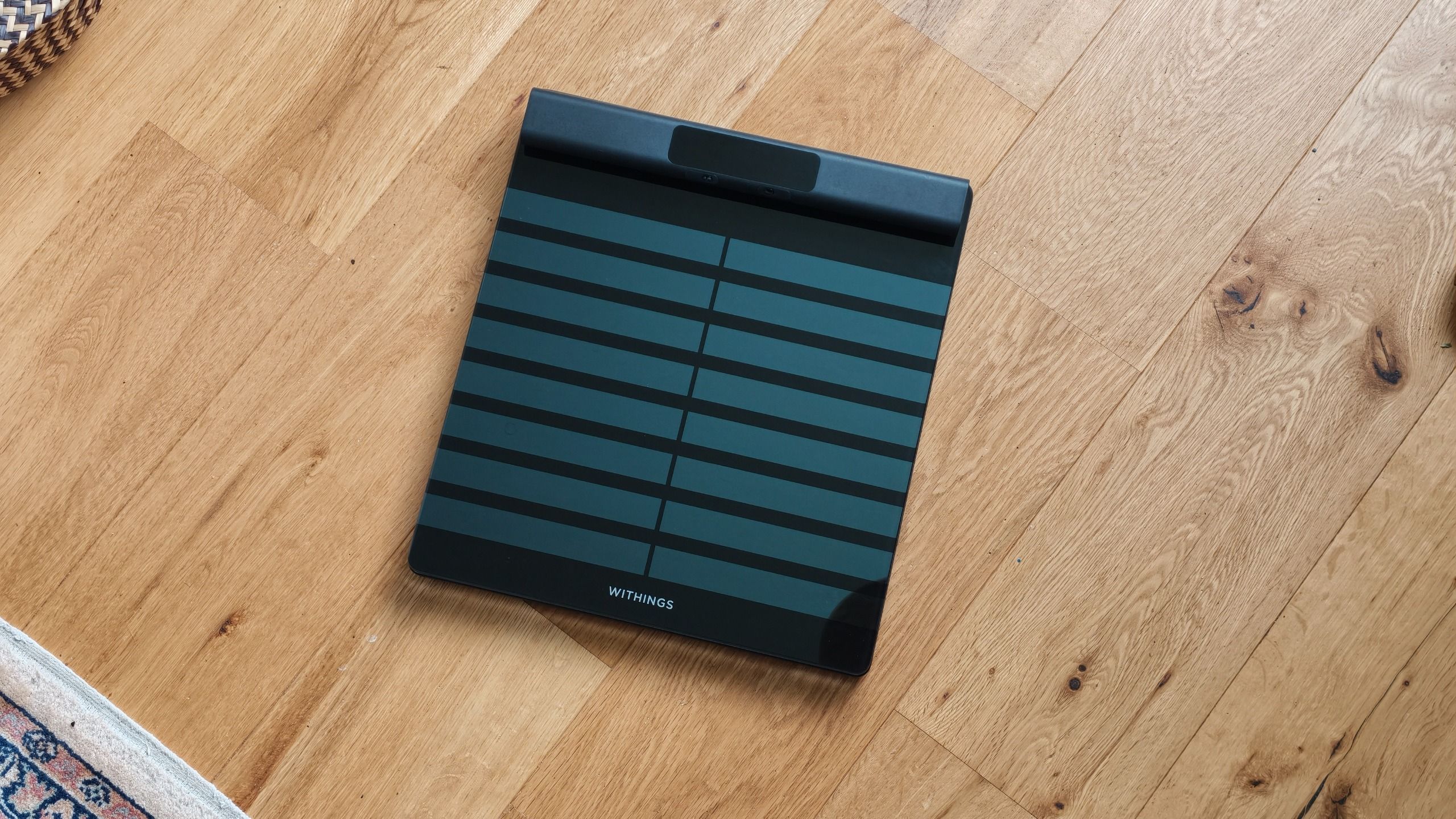
Priced at $599.95 USD (£449.95 GBP / $895 AUD), the Withings BodyScan 2 sits comfortably at the apex of the consumer smart scale market. This steep financial commitment is immediately reflected in its industrial design and material choices. Measuring 12.8 x 14.1 x 0.7 inches (325 x 357 x 18.5 mm) and weighing a substantial 11.9 pounds (5.4 kg), the scale features a robust chassis constructed from reinforced aluminum and a large-format glass platform. The surface is adorned with a sophisticated black-and-blue striped pattern utilizing eight integrated Indium Tin Oxide (ITO) electrodes to accommodate various foot sizes up to a maximum weight capacity of 200 kg (440 lbs).
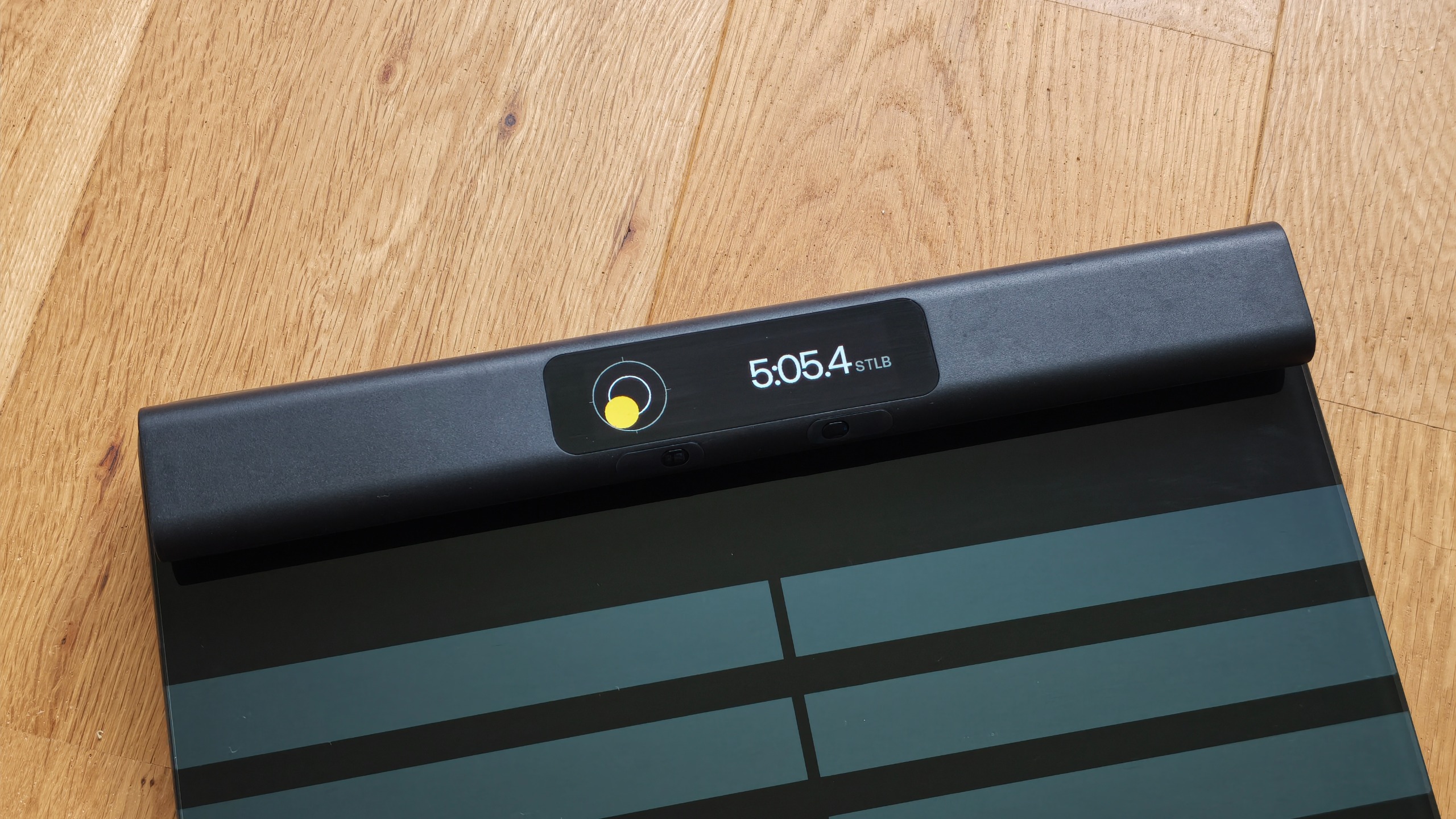
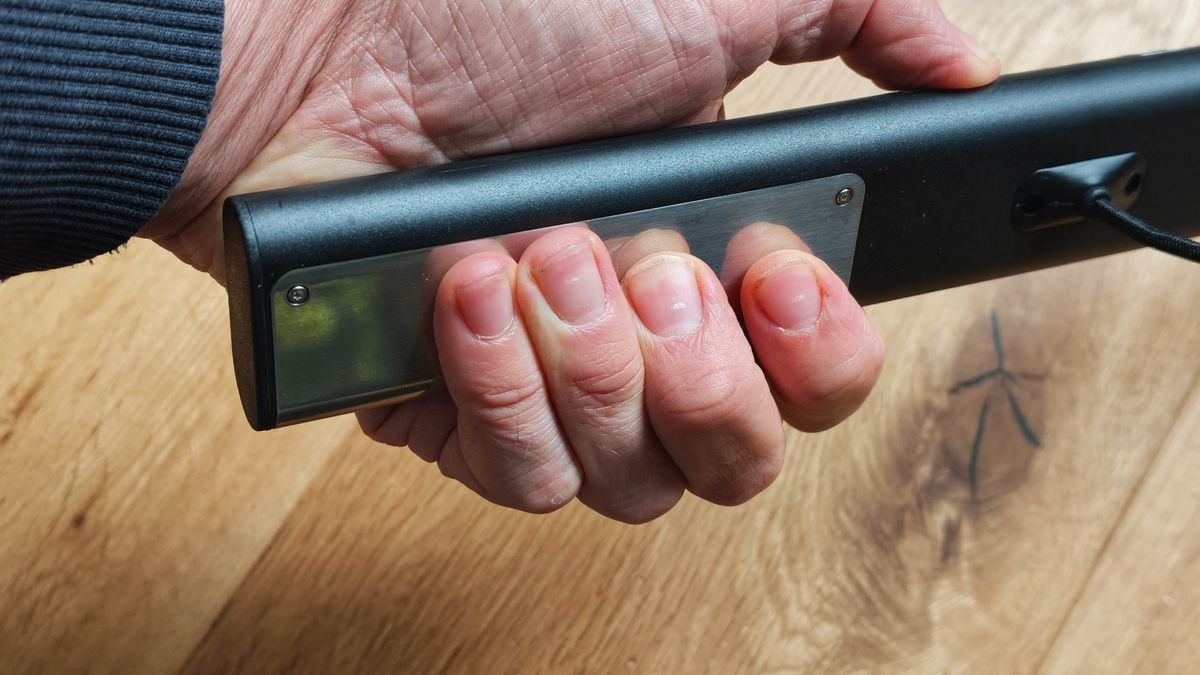
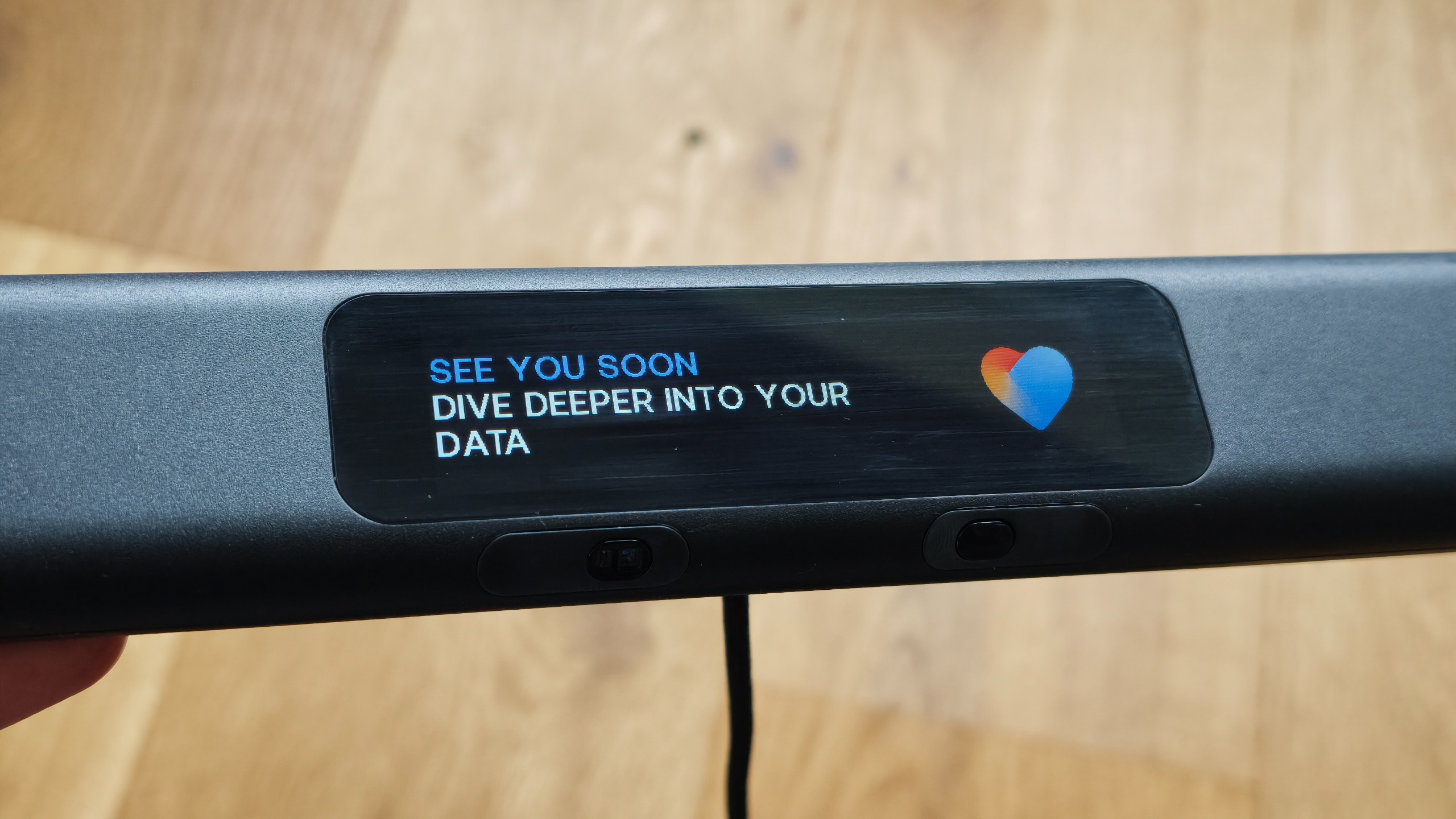
One of the most notable architectural changes from the first-generation model is the relocation of the interface. Rather than housing the display directly on the base, Withings has integrated a 640 x 172-pixel color LCD screen into a retractable, automated handle mechanism. This handle features a smooth-locking system and extends effortlessly to accommodate taller users. It contains an additional four stainless steel electrodes, bringing the total sensor count across the entire device to twelve. These handle-mounted sensors, alongside multi-wave photoplethysmography (PPG) infrared technology, enable the hardware to capture high-precision data that bridges the gap between traditional smart scales and wearable health ecosystems like advanced smartwatches and smart rings.
Advanced Features and Cardiometabolic Assessments
The primary justification for the BodyScan 2’s premium price tag lies in its unprecedented array of biometric features. Moving far beyond basic weight and BMI, the device is engineered to track over 40 distinct biomarkers, providing a holistic view of a user’s cardiovascular and metabolic health. Among its most prominent new capabilities are hypertension screening notifications, SpO2 blood oxygen level tracking, and predictive indicators for heart and vascular age.
Hypertension screening operates by analyzing recurring vascular patterns captured during daily weigh-ins. While the scale does not provide an official medical diagnosis, it acts as an early warning system, alerting users via the companion app to potential cardiovascular risks that warrant professional medical consultation. Similarly, the heart and vascular age estimators evaluate the mechanical efficiency of the cardiovascular system by measuring how rapidly the heart reacts to individual beats and how effectively it circulates blood.
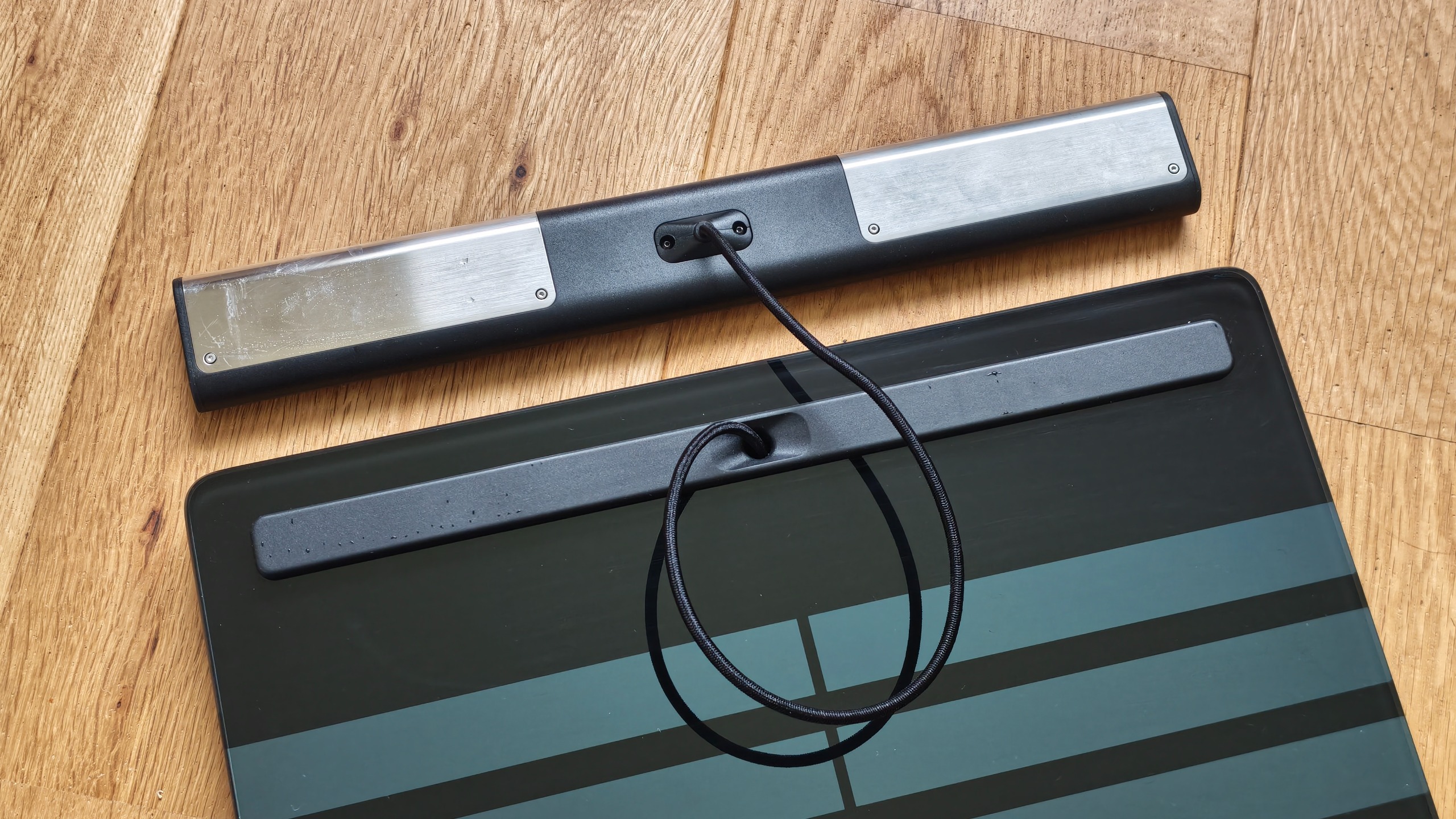
Furthermore, the integration of a multi-wave PPG sensor in the retractable handle allows for continuous blood oxygen monitoring, aligning the device’s diagnostic capabilities with those found in premium medical-grade wearables. Future software updates promise to introduce glucose resilience tracking, cementing the device’s positioning as a comprehensive metabolic hub for proactive users.
Pricing, Subscription Models, and Market Positioning
The ambitious hardware package of the BodyScan 2 is accompanied by a similarly ambitious cost structure. At nearly $600 USD, it is more than double the price of many competing high-end smart scales, such as the RunStar 8E Ultra, which offer basic body composition tracking at a fraction of the cost.
Compounding the upfront hardware expense is Withings’ software ecosystem. To unlock the full depth of the device’s predictive analytics—including long-term aging assessments, AI-driven health assistants, and historical trend conversions—users must maintain a Withings+ subscription priced at $9.95 USD / £8.95 GBP per month. This subscription model ensures that the BodyScan 2 is marketed strictly toward affluent, highly health-conscious consumers who prioritize preventative longevity metrics over casual weight tracking.
Performance, Accuracy, and Daily Usability
Real-world testing of the BodyScan 2 reveals a device of contrasts: exemplary baseline performance paired with occasional variability in its more advanced predictive metrics. When compared against alternative high-end scales like the RunStar 8E Pro—both of which claim over 98.5% validation against DEXA scans—the BodyScan 2 delivered highly consistent results for standard metrics such as weight, body mass index, muscle rate, visceral fat, and basal metabolic rate.
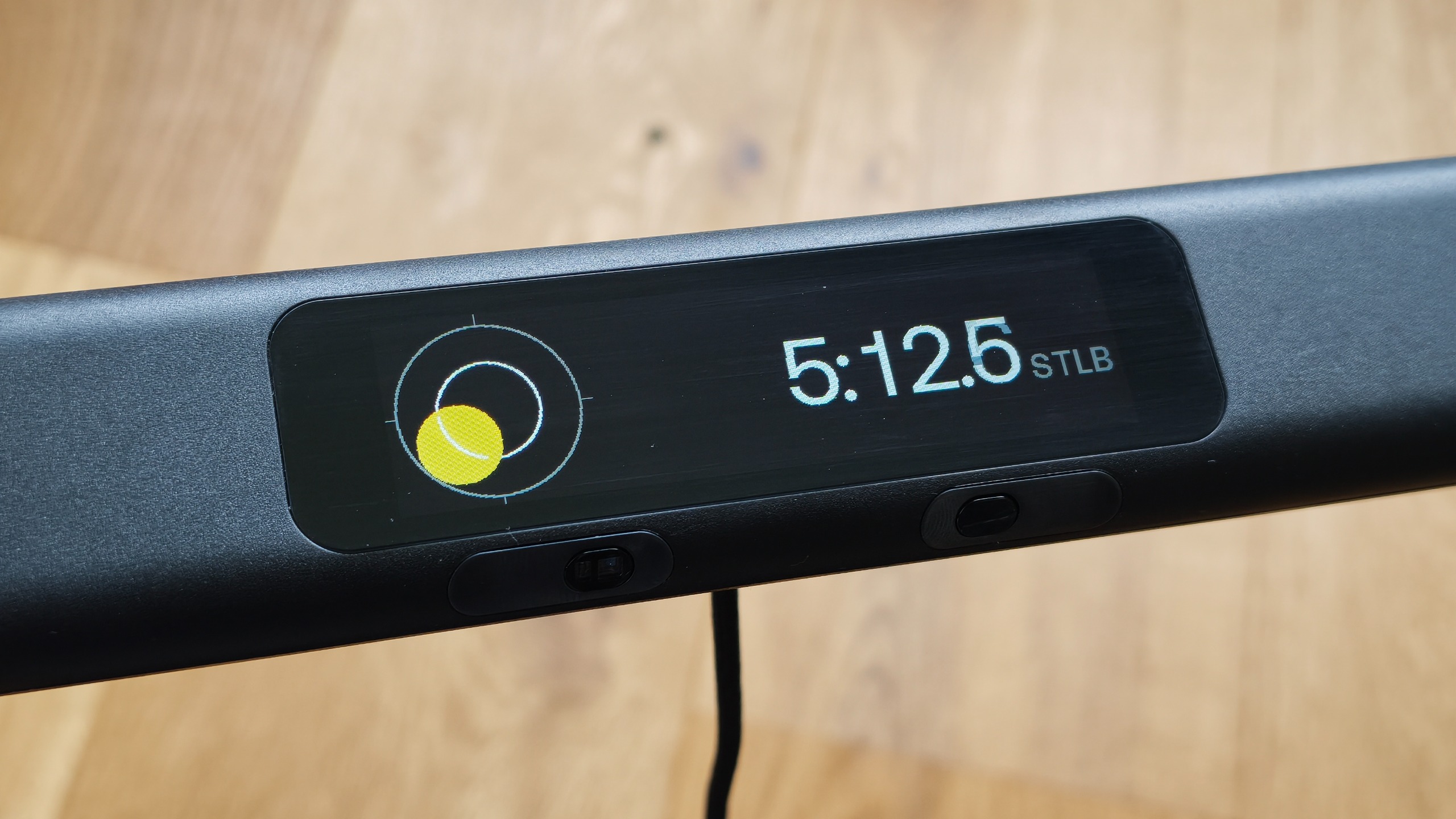
Blood oxygen level measurements taken via the handle’s PPG sensor aligned closely with readings from dedicated sports wearables like the Garmin Tactix 8. However, advanced metrics such as vascular age proved less consistent during short-term trials. Initial readings occasionally fluctuated by several years within a single week under similar testing conditions, indicating that while the device is exceptionally good at identifying broad multi-week trends, its absolute estimations should be interpreted as general health indicators rather than absolute medical certainties.
The companion application serves as the central repository for this vast array of data, utilizing engaging 3D graphics to illustrate body composition changes over time. Nevertheless, the sheer volume of metrics can occasionally lead to a cluttered interface, requiring users to spend time navigating complex menus to extract actionable insights.
Industry Implications and Consumer Verdict
The release of the Withings BodyScan 2 marks a significant milestone in the evolution of consumer health technology, successfully shrinking clinical-grade cardiometabolic assessment tools into a bathroom-friendly footprint. By incorporating features traditionally reserved for medical clinics and advanced wearables, Withings has established a new benchmark for what smart scales can achieve.
However, the steep financial barrier—encompassing both the premium hardware cost and the ongoing subscription fee—means the BodyScan 2 is unlikely to appeal to the casual consumer. It is an investment tailored specifically for biohackers, longevity enthusiasts, and individuals actively managing complex health regimens, such as those utilizing GLP-1 medications who need precise tracking of lean muscle mass retention. While the device’s cutting-edge predictive metrics are still maturing in terms of day-to-day consistency, the BodyScan 2 successfully demonstrates the future trajectory of preventative home health monitoring.