Apple News Recap: iPad Mini Updates, Siri AI Settlement Claims, and iPhone 18 Pro Shipping Protocols

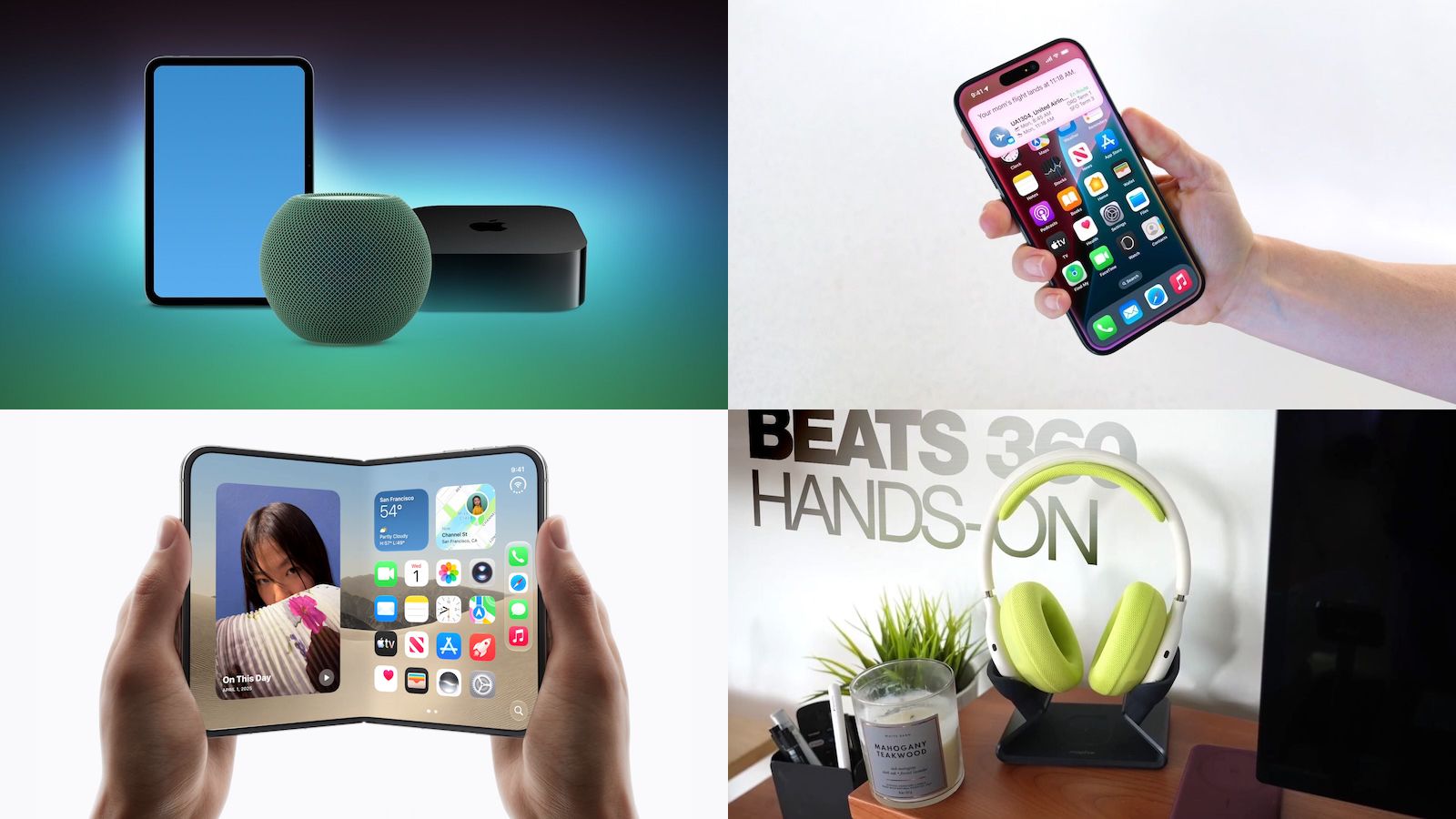
The Apple rumor mill remains in a state of high activity as the technology giant prepares for a pivotal October event, while simultaneously navigating the legal and logistical complexities of its current product lineup. This week, reports have surfaced regarding a significant hardware refresh, including an updated iPad mini, a new HomePod mini, and a long-awaited Apple TV 4K. These developments arrive alongside the official opening of a claims portal for a class-action settlement involving Siri AI, as well as the implementation of specialized shipping protocols for the high-capacity batteries found in the newly released iPhone 18 Pro Max.
The October Product Roadmap
Industry observers are currently tracking a series of leaks that point to an October hardware event, which is expected to feature a blend of refreshed internal components and potential software shifts. According to internal reports, the next iteration of the iPad mini is slated for an upgrade to the A20 Pro chip, a move that would bring the small-form-factor tablet in line with the processing power of the company’s flagship mobile devices. This hardware boost is likely intended to support advanced artificial intelligence features that have become a focal point of the company’s software strategy over the past year.
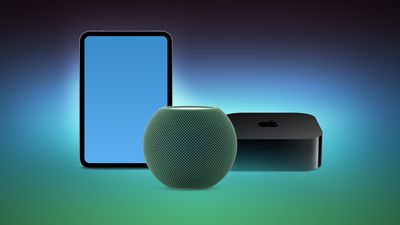
Beyond the internal silicon, the upcoming iPad mini is expected to feature a redesigned speaker configuration and a landscape-oriented front-facing camera, addressing long-standing user feedback regarding video conferencing ergonomics. Parallel to the tablet update, the HomePod mini is reportedly receiving a color-palette expansion, with green and pink variants expected to join the existing lineup. Furthermore, evidence has surfaced of a fourth-generation Apple TV 4K. With the current model having been on the market for four years, the arrival of a new unit would represent a significant refresh for the company’s living-room ecosystem.
These hardware announcements are expected to be accompanied by the debut of an all-new operating system. While the company has kept details regarding this OS under wraps, industry analysts suggest that it will be designed to unify the experience across its smart home and mobile hardware, potentially acting as a bridge for more seamless integration between the iPhone, iPad, and the Apple TV interface.
Siri AI Class Action Settlement
In a significant development regarding consumer legal protections, the claims website for the $250 million Siri AI class-action settlement is now live. The litigation, which centered on allegations that Apple misled consumers regarding the performance and availability of AI-driven features in its virtual assistant, reached a settlement in May 2026.
The settlement program is structured to provide eligible U.S. iPhone owners with a payout, currently estimated at $25 per device, though this figure is subject to fluctuation based on the volume of valid claims submitted. The window for submissions opened on September 21, 2026, and is set to close on December 21, 2026. While the company has officially denied any wrongdoing, the decision to settle reflects a strategic effort to mitigate the financial uncertainty and public relations risks associated with a protracted trial. Legal experts note that the cap of $95 per claimant serves as a safeguard against potential settlement exhaustion, ensuring that the fund is distributed among a larger pool of verified users.
Logistics and the iPhone 18 Pro Max Battery Challenge
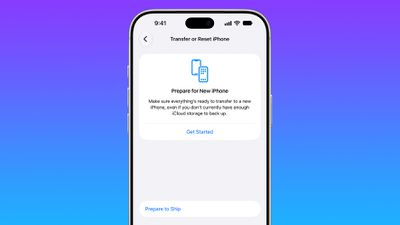
The launch of the iPhone 18 Pro Max has brought to light the complexities of modern smartphone energy density. The device utilizes a high-capacity, single-cell battery that exceeds 20 watt-hours, a threshold that triggers stringent international shipping and transport regulations. To comply with these safety standards, the company has introduced a firmware-based solution known as "Prepare to Ship."
This feature serves a dual purpose: it limits the battery’s maximum charge during transit to remain safely below the 20Wh regulatory ceiling and provides a mechanism for users to discharge the device before shipping it for trade-in, repair, or warranty service. Upon activation by the end user, the firmware removes these restrictions, allowing the device to utilize its full capacity. This transition from physical hardware constraints to software-based energy management underscores the evolving relationship between regulatory compliance and consumer technology design.
The iPhone Duo and the Future of Foldables
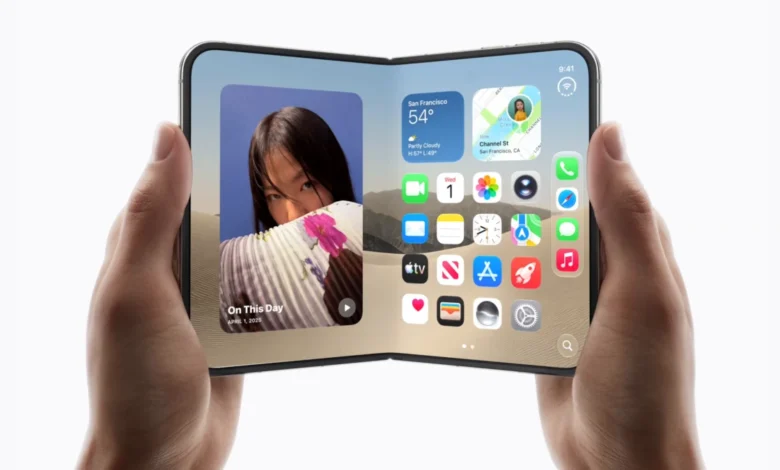
As the company expands into the foldable smartphone market with the upcoming iPhone Duo, public scrutiny has centered on the durability of the display. In a recent interview with industry publication TechRadar, Tom Marieb, the company’s Vice President of Hardware Engineering, addressed concerns regarding the "crease" that has plagued previous generations of foldable devices from competitors.
Marieb highlighted the implementation of a matte nano-texture display, which is designed to reduce light reflection and minimize the visual impact of the fold. By acknowledging that the company must be held "accountable" for the display’s longevity and performance, the engineering team is signaling a commitment to a standard of quality that differs from the current industry baseline. The device is also expected to feature a refined hinge mechanism and the next generation of Ceramic Shield technology, suggesting that the company is prioritizing structural integrity as a primary marketing differentiator for its entry into the foldable segment.
Audio Innovation: The Beats 360
The Beats brand, a subsidiary of Apple, has officially entered the market with the Beats 360, a premium over-ear headphone priced at $349.99. This release is notable for its departure from the existing Studio Pro design, which will remain in the catalog at a reduced price point of $299.99.
The Beats 360 is built around an entirely new acoustic architecture, which the company claims provides 1.75 times the active noise cancellation performance of its predecessor. Furthermore, the design prioritizes user-driven customization, offering swappable ear and headband cushions. This move toward modular aesthetics—paired with a 12dB increase in output—suggests a strategic pivot to capture both the professional audio market and the lifestyle-focused consumer demographic.
Looking Ahead: The 20th Anniversary iPhone
While the current focus remains on the iPhone 18 series, preliminary data for the 2027 "20th-anniversary" iPhone lineup has already begun to emerge. According to industry reports from supply chain analysts, the iPhone 20 Pro and 20 Pro Max are expected to feature slight increases in display dimensions compared to their 18 Pro counterparts.
Current projections suggest a 6.41-inch display for the Pro and a 6.96-inch display for the Pro Max, representing a subtle expansion of the screen real estate. The shift toward higher pixel densities—aiming for roughly 2,912 by 1,340 pixels on the larger model—indicates that the company continues to push for improvements in display fidelity.
Strategic Implications
The confluence of these events paints a picture of a company in a state of rapid transition. The settlement regarding Siri AI serves as a reminder of the heightened regulatory scrutiny surrounding AI implementation, while the technical maneuvers required to ship the iPhone 18 Pro Max illustrate the logistical challenges of scaling hardware performance.
As the October event approaches, the introduction of an updated iPad mini and a new operating system may indicate that the company is attempting to consolidate its various product lines into a more cohesive, software-defined ecosystem. Whether these new offerings can satisfy both the legal requirements of regulators and the performance expectations of a demanding consumer base remains the defining question for the remainder of the 2026 fiscal year. For shareholders and consumers alike, the coming weeks will likely prove to be a defining moment in the company’s current product cycle.