The Next iPad Mini Refresh: Hardware Advancements and the Call for Software Optimization

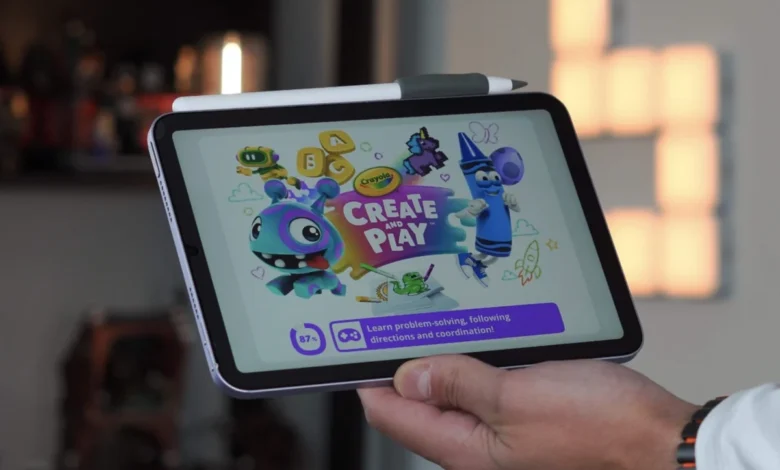
Anticipation for the next iteration of the Apple iPad mini has reached a critical juncture, with industry analysts and technology enthusiasts bracing for a significant hardware overhaul. Following a year of speculation, recent intelligence suggests that the seventh-generation iPad mini is nearing its commercial launch. According to reports surfaced by Aaron Perris and corroborated by supply chain insights, the forthcoming tablet is poised to feature the A20 Pro chip, a transition that aligns the device with Apple’s high-performance silicon roadmap. Beyond the internal architecture, the hardware design is expected to integrate thinner bezels, an OLED display panel, and enhanced water resistance, marking a definitive evolution in the compact tablet’s form factor.
A Chronology of the iPad Mini Evolution
The iPad mini has historically occupied a unique niche within Apple’s product lineup, catering to users who prioritize portability without sacrificing the utility of a tablet interface. The trajectory of the device has been marked by periodic, albeit deliberate, updates. The original iPad mini was introduced in 2012, setting the standard for the 7.9-inch form factor. In 2021, Apple launched the sixth-generation iPad mini, which represented a massive departure from the previous design language by adopting the flat-edge aesthetic of the iPad Air and Pro models, removing the home button, and implementing USB-C connectivity.
The delay in refreshing the device—spanning several years—has led to significant speculation regarding the integration of modern Apple silicon. The shift to the A20 Pro chip represents a substantial leap in computational power, effectively positioning the device to handle complex workflows that were previously relegated to the larger iPad Pro models. This transition is not merely a performance bump; it is an infrastructure change intended to support the increasingly demanding software ecosystem of iPadOS.
Hardware Specifications and Technological Integration
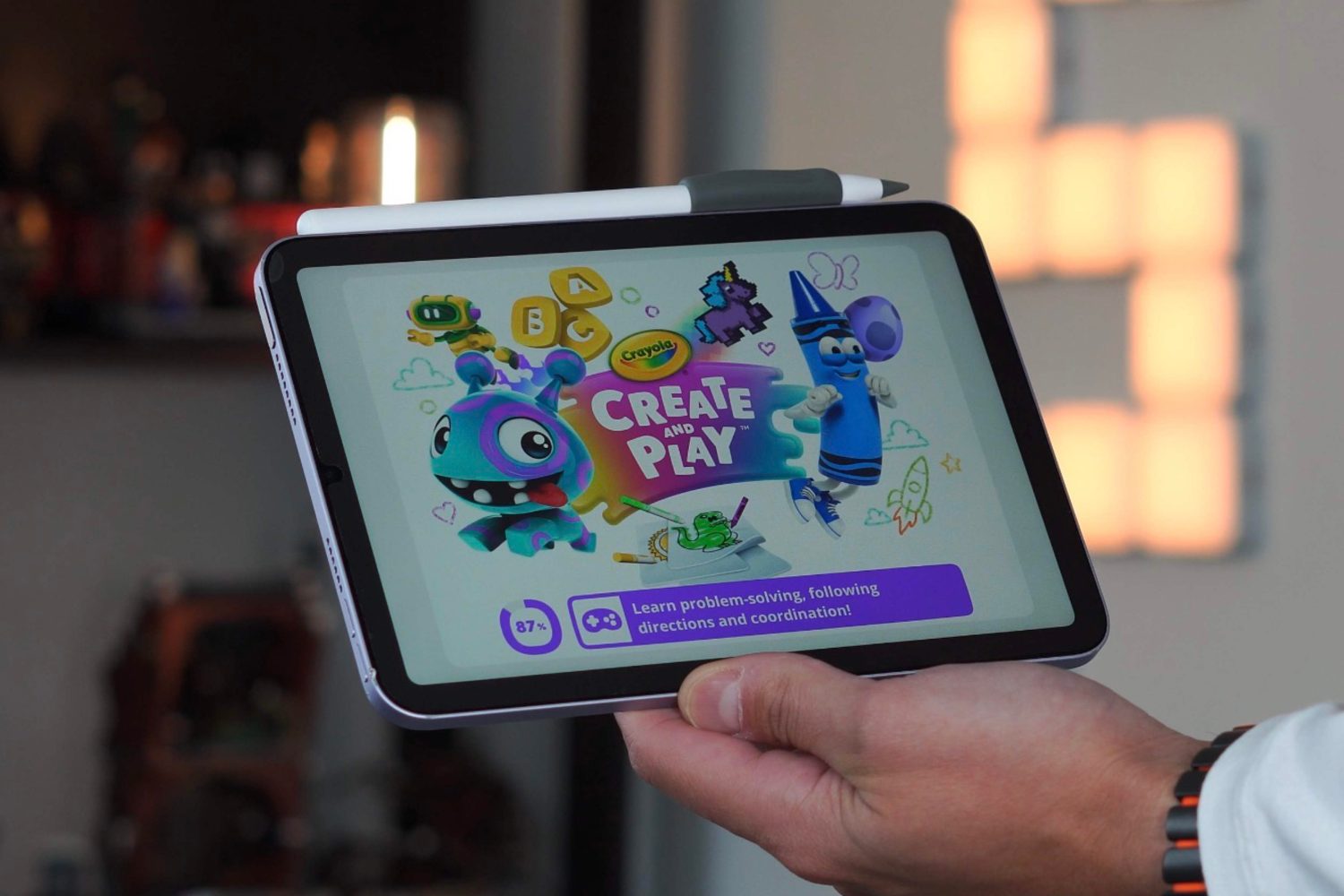
The decision to transition to an OLED display is perhaps the most anticipated hardware change. OLED technology offers superior contrast ratios, deeper blacks, and improved power efficiency compared to the Liquid Retina LCD panels found in previous generations. Given the compact nature of the iPad mini, energy efficiency is paramount.
Furthermore, the implementation of water resistance addresses a long-standing request from consumers who use the device in varied environments, from kitchens to outdoor settings. While official IP ratings have not yet been disclosed, industry experts anticipate that Apple will aim for an IP68 certification, consistent with its current flagship mobile hardware. The reduction in bezel size suggests that Apple may increase the active screen real estate without expanding the overall footprint of the device, maintaining the device’s signature one-handed usability.
The Software Dilemma: Multitasking and User Experience
While hardware specifications continue to impress, the conversation surrounding the iPad mini has increasingly shifted toward the limitations of iPadOS. The core issue lies in the paradigm of multitasking. Since the introduction of Stage Manager and advanced split-view features on the iPad Pro, the experience on smaller screens has remained largely static, often feeling cumbersome or unoptimized for the specific aspect ratio of the 8-inch form factor.
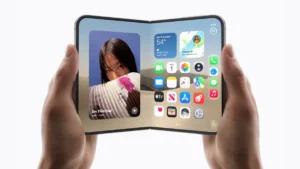
In contrast, the recent release of the iPhone Duo has demonstrated a refined approach to multitasking. Apple’s execution of split-screen functionality on the iPhone Duo provides a blueprint for how a compact device can manage multiple applications simultaneously without the UI becoming congested. The iPhone Duo allows for a seamless "picture-in-picture" integration where video content can occupy a significant portion of the screen in a portrait orientation, effectively utilizing the device’s verticality.

The current iPad mini interface, however, forces users into either a rigid split-view or a floating window system that often requires manual resizing—a process that can be frustrating on a display of this size. There is a strong technical argument for Apple to adopt the iPhone Duo’s multitasking logic for the iPad mini. Given that the two devices share similar screen aspect ratios and user-interaction patterns, the implementation of a more intuitive split-screen system could significantly broaden the appeal of the tablet for productivity-focused users.
Industry Implications and Market Positioning
The shift in hardware, combined with potential software refinements, suggests that Apple is attempting to redefine the iPad mini as a professional-grade tool rather than a mere media consumption device. By integrating the A20 Pro chip, Apple is ensuring that the device remains relevant for several years of software updates, effectively future-proofing the tablet against the increasing requirements of AI-driven applications and complex multitasking environments.
From an economic perspective, the iPad mini occupies a vital space in the Apple ecosystem. It serves as an entry point for users who find the standard iPad too large and the iPhone too small. Market data indicates that the "mini" segment of the tablet market has remained resilient, even as overall tablet sales have fluctuated. By introducing premium features like OLED and the A20 Pro chip, Apple is positioning the product at a higher price tier, signaling a commitment to quality over volume.
Analysis: The Gap Between Hardware and Software
The critical question facing Apple is whether the software can keep pace with the hardware. A device as powerful as the A20 Pro-equipped iPad mini is theoretically capable of running desktop-class applications. However, the current iteration of iPadOS often acts as a bottleneck, restricting the utility of the hardware to a mobile-centric interface.

The request for a more streamlined, "iPhone-like" multitasking experience on the iPad mini is not a call for reduced functionality, but rather a request for context-aware interface design. A device with an 8-inch screen does not require the same windowing complexity as a 13-inch iPad Pro. Instead, it requires a design that prioritizes the vertical flow of information, allowing for rapid switching between tasks—a feature set that the iPhone Duo has successfully pioneered.
Future Outlook
As the release date for the seventh-generation iPad mini approaches, the consensus among observers is that the hardware will likely be a triumph of engineering. The inclusion of the A20 Pro chip and an OLED display will make it one of the most powerful portable devices in the world. However, its long-term success will depend on whether Apple chooses to evolve its software interface to match the device’s physical capabilities.
If Apple manages to harmonize the raw power of the new chip with a more intelligent, split-screen-centric version of iPadOS, the new iPad mini could set a new standard for portable productivity. If not, it will remain a high-performance piece of hardware constrained by a software environment that has yet to fully account for the unique ergonomics of the compact tablet form factor.
For now, the industry awaits an official announcement from Cupertino. Until then, the focus remains on whether Apple will heed the feedback from its user base regarding the necessity of a more streamlined, elegant multitasking experience—one that effectively bridges the gap between the iPhone and the larger iPad Pro models. The evolution of the iPad mini is a bellwether for Apple’s broader strategy: to create highly specialized tools that do not just perform tasks, but refine the very way users interact with technology. Whether this iteration succeeds will be determined by the balance of silicon and software, a duality that has always defined the success of the Apple ecosystem.