Bose introduces new USB-C wired earbuds featuring premium active noise cancellation technology

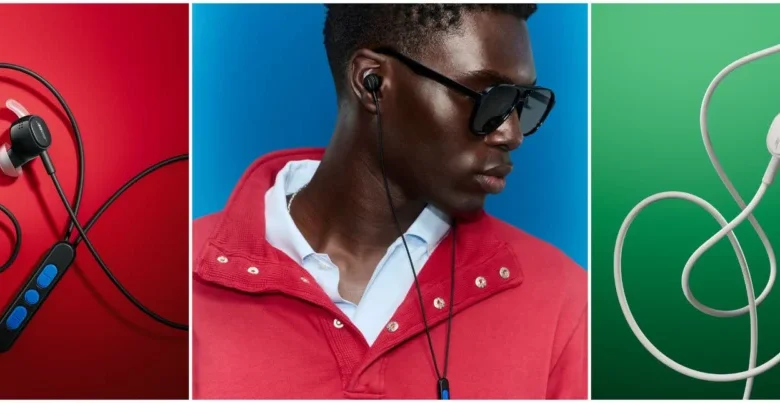
Bose has officially entered the modern wired audio market with the launch of its new Noise Cancelling Wired Earbuds, a product designed to bridge the gap between traditional analog convenience and the advanced digital features typically reserved for high-end wireless peripherals. The move marks a strategic pivot for the company, which has spent the better part of the last decade dominating the wireless market, to address a niche but persistent demand for high-fidelity, battery-free audio solutions.
The new earbuds utilize a standard USB-C interface, allowing for a plug-and-play experience across a diverse array of modern devices, including smartphones, tablets, and laptops. By drawing power directly from the host device, the product eliminates the necessity for internal lithium-ion batteries, thereby bypassing the common consumer pain points of charging cycles and eventual battery degradation.
Technological Specifications and Audio Engineering
At the heart of the new offering is Bose’s proprietary SoundDesign digital signal processing (DSP) technology. This system is engineered to manage audio output with a fixed playback quality of 24-bit/48kHz. By adhering to the USB Audio Class 2 protocol, the earbuds are capable of handling various source input sample and bit rates, ensuring that the signal is optimized for the hardware’s specific acoustic architecture.
A significant challenge in wired earbud design has historically been the integration of Active Noise Cancellation (ANC), which traditionally requires a dedicated power source and bulky circuitry. Bose has bypassed this by leveraging the host device’s power supply to feed the dedicated microphones mounted on the exterior of the earbud housings. These microphones continuously sample ambient noise, allowing the internal DSP to generate an inverted sound wave that effectively cancels out unwanted background frequencies.
The device offers three distinct acoustic profiles to cater to different user environments:
- Quiet Mode: A full-strength ANC setting designed to isolate the user from environmental noise.
- Aware Mode: A transparency setting that utilizes the external microphones to pass through ambient sound, allowing users to remain cognizant of their surroundings.
- ANC Off: A standard passive listening mode for users who prefer a more natural acoustic experience without digital signal modification.
The Evolution of Wired Connectivity
The release comes at a time when the consumer electronics market is experiencing a "retro-tech" renaissance. While the shift toward True Wireless Stereo (TWS) devices remains the dominant industry trend, concerns regarding Bluetooth latency, wireless signal interference, and the environmental impact of disposable batteries have kept wired options relevant for audiophiles and professional users.
Historically, the industry saw a mass migration away from the 3.5mm headphone jack beginning around 2016, following the release of the iPhone 7. This created a void for high-quality wired audio accessories. Initially, consumers relied on dongles and adapters, but as USB-C has become the universal standard for mobile connectivity, manufacturers are increasingly returning to native wired solutions that provide lower latency—an essential feature for mobile gaming, video editing, and real-time communication.
Market Positioning and Consumer Impact
Priced at $99 in the U.S. market, the Bose Noise Cancelling Wired Earbuds are positioned as a mid-tier offering. This price point places them in direct competition with budget-friendly TWS models while undercutting the high-end, feature-heavy wireless flagship products.
Analysts suggest that Bose’s entry into this segment is a calculated attempt to recapture market share from manufacturers of "chi-fi" (Chinese high-fidelity) wired earbuds, which have gained significant traction on platforms like Amazon and AliExpress. By applying the Bose brand’s reputation for noise cancellation to a wired form factor, the company is targeting a demographic that values reliability and audio integrity over the convenience of a wireless connection.
The inclusion of an inline remote control—a feature often stripped from modern minimalist designs—further indicates that Bose is prioritizing utility for commuters and office workers. The physical controls allow for volume adjustment, playback management, and rapid toggling between ANC modes without the user needing to interact with a smartphone interface or a companion application.
Design, Ergonomics, and Durability
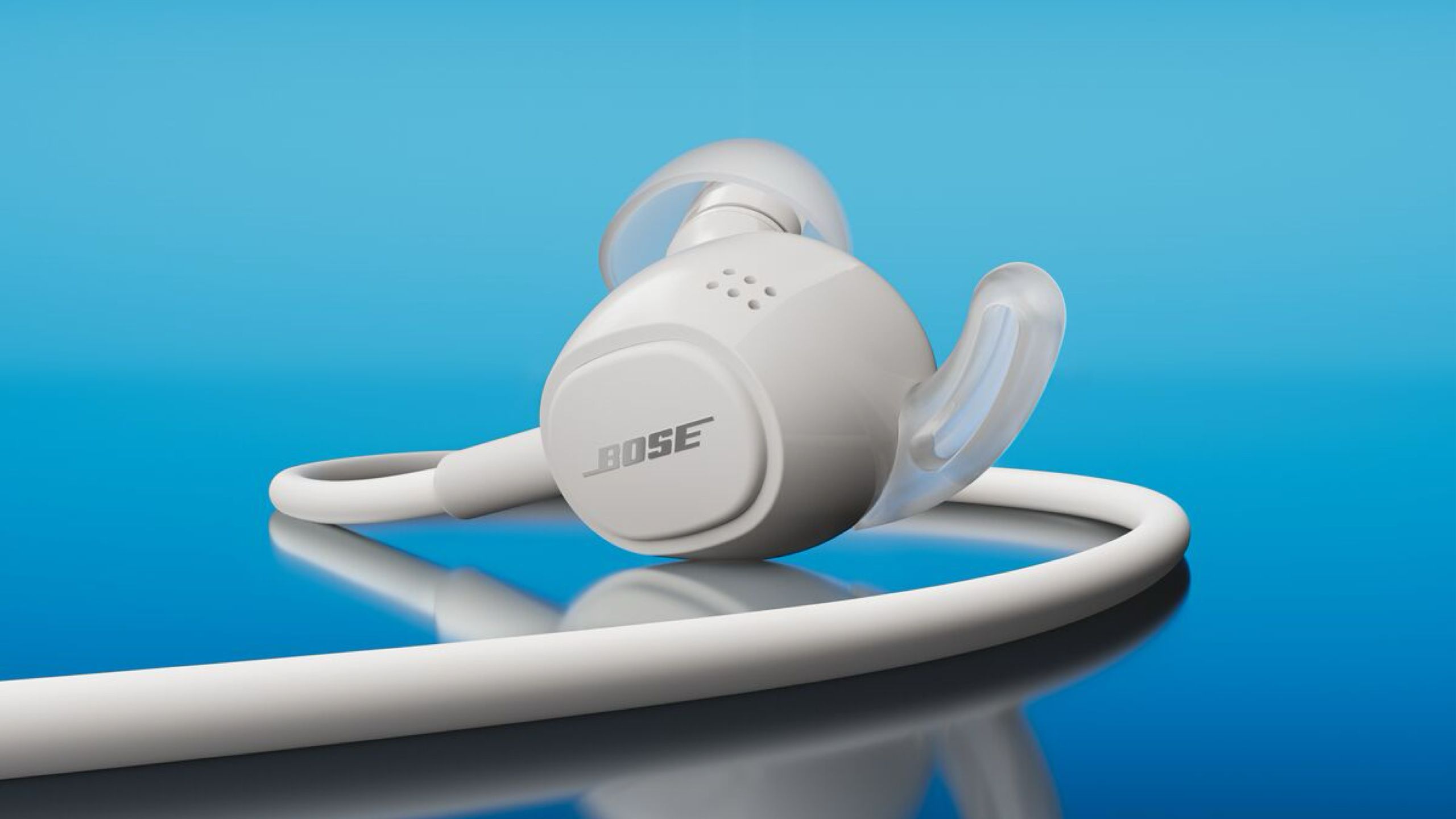
From a design perspective, the earbuds adhere to the classic in-ear ergonomic philosophy that Bose has perfected over the last two decades. The package includes multiple sizes of soft silicone ear tips, designed to provide a secure acoustic seal, which is fundamental for the effectiveness of the ANC system.
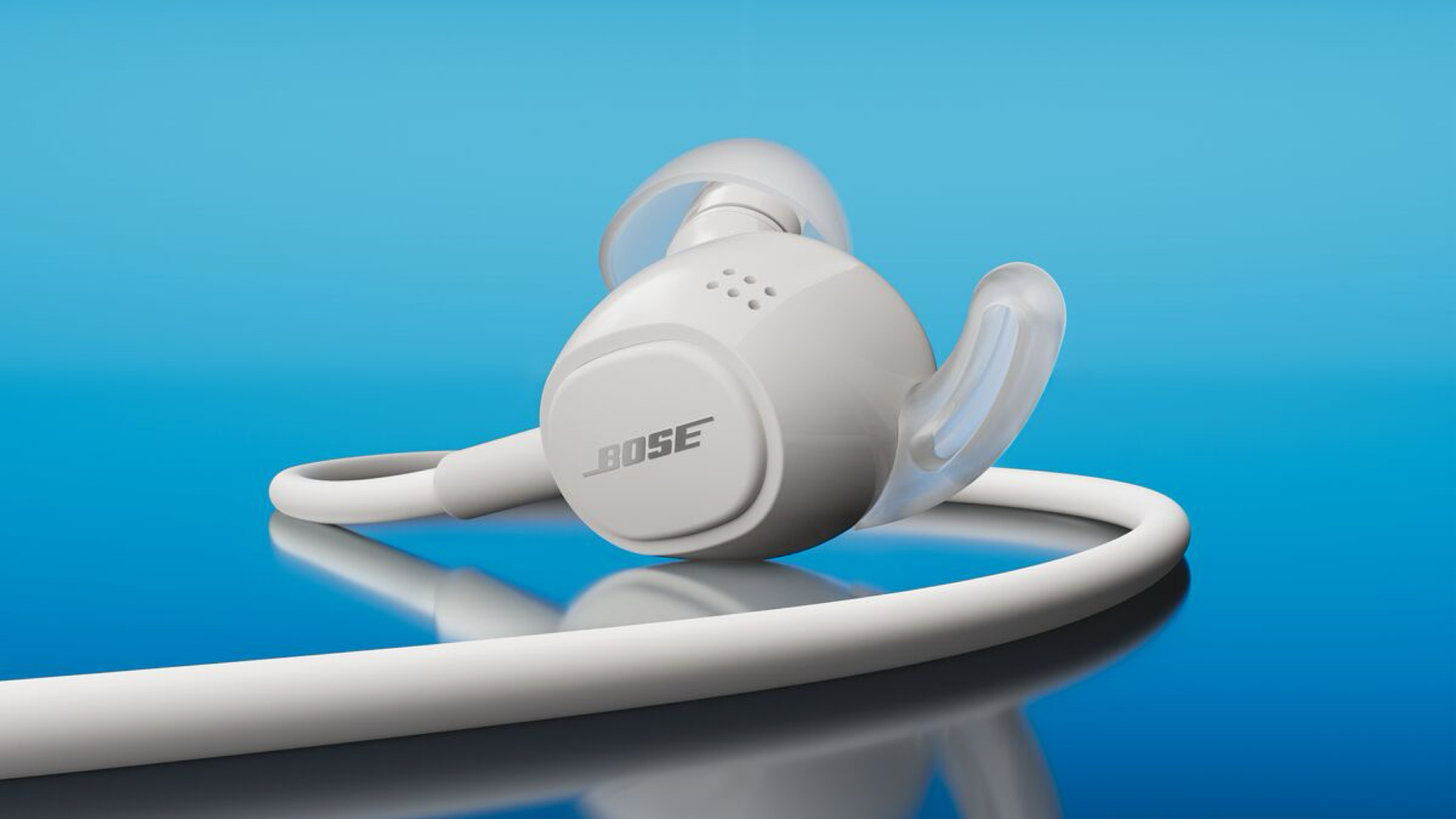
The product carries an IPX4 water resistance rating. While this does not make the device submersible, it provides sufficient protection against sweat and light precipitation, making the earbuds suitable for gym sessions or outdoor commutes. The aesthetic palette—Black, White Smoke, and a limited-edition Dewdrop Mint—reflects a contemporary design language intended to appeal to a younger, style-conscious demographic.
Strategic Implications for Bose
This product launch signals a diversification of Bose’s product portfolio. By maintaining a presence in the wired segment, Bose is essentially hedging against the volatility of the wireless market and the ongoing competition in the ANC software space.
Furthermore, by avoiding the need for a dedicated app, Bose is catering to a subset of users concerned with data privacy and the "bloatware" often associated with modern smart audio devices. The reliance on the USB Audio Class 2 standard ensures compatibility across multiple operating systems, including Android, iOS, iPadOS, and Windows, without requiring proprietary firmware updates or constant connectivity to a server.
Availability and Logistics
Bose has confirmed that the earbuds are available for pre-order immediately through its official channels and select retail partners, including Best Buy. The initial distribution phase is set to conclude with a general release and shipping commencement on October 15.
The limited-edition Dewdrop Mint colorway suggests that Bose intends to manage inventory tightly, likely gauging consumer reception to the wired format before committing to a larger, long-term manufacturing roadmap. Should the product perform well, it may pave the way for a broader ecosystem of USB-C audio peripherals from the brand.
Future Outlook
As the industry continues to push for higher resolution audio playback and reduced latency, the return of wired connections is becoming a notable secondary trend. While Bluetooth codecs like LDAC and aptX Adaptive have improved wireless performance significantly, they cannot entirely match the raw bandwidth of a wired connection.
For professionals who require consistent, low-latency audio for voice-over work, gaming, or remote conferencing, the Bose Noise Cancelling Wired Earbuds represent a robust, "set-it-and-forget-it" tool. The elimination of the battery lifecycle issue also suggests a potentially longer product lifespan compared to TWS earbuds, which typically suffer from diminished capacity within two to three years of heavy usage.
In summary, Bose is successfully leveraging its deep expertise in noise-canceling signal processing to revitalize a classic hardware category. By focusing on the fundamentals—audio clarity, comfort, and, most importantly, the implementation of world-class noise cancellation in a battery-free chassis—Bose is providing a sophisticated alternative to the crowded wireless market. Whether this signals a permanent shift in the company’s focus or simply a tactical expansion remains to be seen, but for the end-user, it represents a meaningful broadening of choices in a market that has become increasingly homogenized.