Xiaomi 18 Pro to Debut Advanced Smart Privacy Display Technology to Counter Visual Eavesdropping

Xiaomi has officially confirmed that its upcoming flagship, the Xiaomi 18 Pro, will incorporate a sophisticated "smart privacy display" designed to fundamentally change how users interact with their mobile devices in public spaces. This announcement, circulated via official channels on Weibo, marks a significant escalation in the hardware-level security race among smartphone manufacturers. By embedding privacy-enhancing technology directly into the display hardware, Xiaomi is positioning the 18 Pro as a device that prioritizes user discretion without the need for cumbersome physical screen protectors or software-based filters.
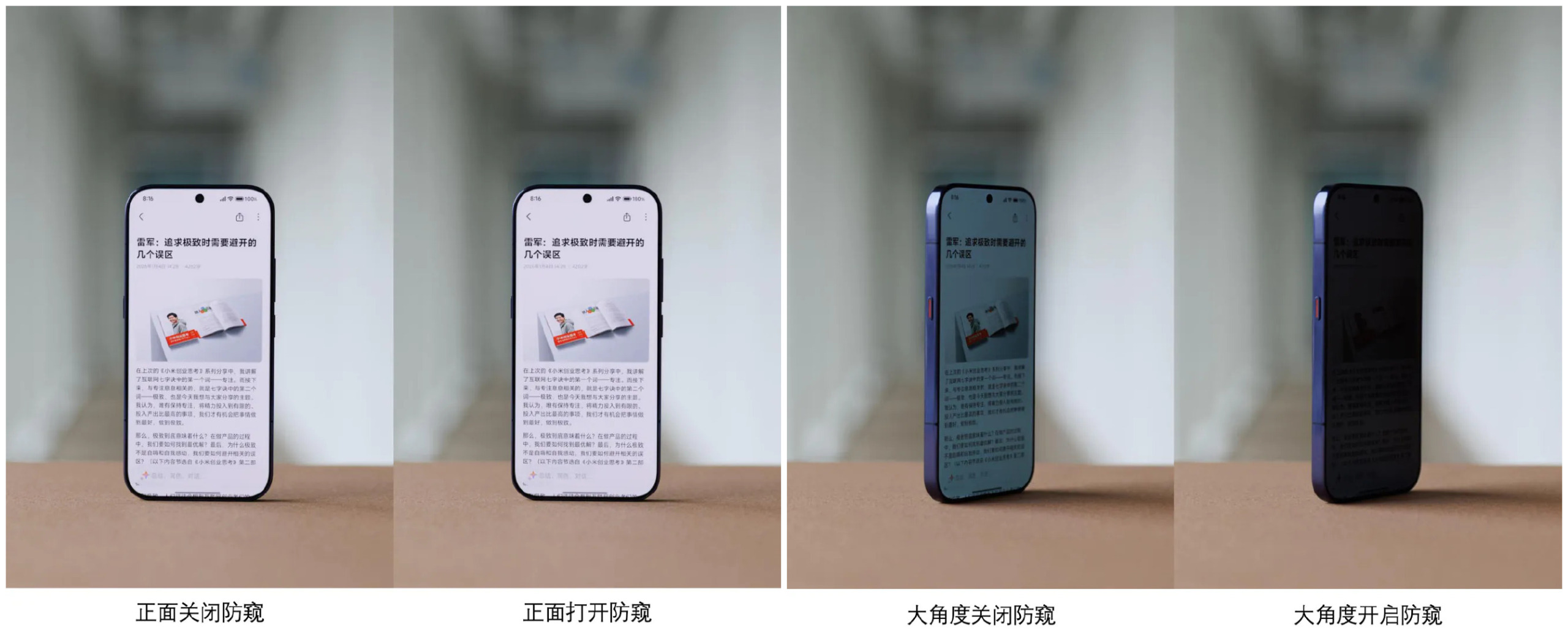
This development arrives as the latest chapter in a long-standing competition between leading Android OEMs to capture the high-end market through proprietary display innovations. The technology, which mirrors features seen in the Samsung Galaxy S26 Ultra, uses specialized hardware layers to restrict viewing angles. When the privacy mode is active, the screen remains perfectly clear for the primary user but becomes obscured to anyone viewing the device from an angle.
Chronology and Evolution of Mobile Privacy Displays
The pursuit of screen privacy is not a new endeavor, but the industry has historically relied on external solutions. For years, the standard approach for privacy-conscious users was the application of a third-party "privacy filter"—a plastic or tempered glass layer that physically blocks light from escaping at extreme angles. However, these protectors often suffer from significant drawbacks: they reduce screen brightness, introduce a "grid" or "grainy" effect on the display, and are prone to trapping dust and bubbles.
The shift toward integrated hardware solutions began to gain momentum in the mid-2020s. Samsung’s implementation in the Galaxy S26 Ultra served as the proof-of-concept for the current trend. By utilizing the physical properties of the OLED panel and its underlying control layers, manufacturers can now toggle privacy features on and off with a single tap. Xiaomi’s upcoming 18 Pro is the next iteration of this evolution, promising to address the primary criticism of previous implementations: the degradation of image quality for the primary user.
Industry experts have noted that the timing of this announcement aligns with a broader industry trend of integrating security features deeper into the silicon and hardware stack. As smartphone usage shifts from simple communication to sensitive tasks like mobile banking, document signing, and private messaging, the demand for "shoulder-surfing" protection has increased significantly.
Technical Implementation and Performance Metrics
According to technical details released by Xiaomi, the smart privacy display on the 18 Pro is designed to maintain high visual fidelity for the user while rendering the screen essentially unreadable to bystanders. Xiaomi claims that the system is optimized to ensure that the primary user’s experience remains unaffected by the activation of the privacy mode. This is a critical point of differentiation from the Galaxy S26 Ultra, which has been criticized by some power users for causing a slight, yet noticeable, dimming effect on the display when the privacy mode is engaged.
The mechanism relies on a sophisticated light-steering layer integrated within the panel assembly. When the feature is enabled, light emission is restricted to a narrow cone directly in front of the display. Xiaomi has released preliminary data indicating that once a bystander exceeds a 60-degree viewing angle, the light output drops to approximately 1% of the original intensity. To the observer, this creates the appearance of a dark or black screen, effectively masking the content being displayed.
Furthermore, the technology is context-aware. Xiaomi has confirmed that the software interface will allow for granular control. For example, the system can be configured to automatically engage privacy mode when sensitive notifications appear on the lock screen or when the user opens specific applications, such as email clients, banking apps, or secure messaging platforms like Telegram and Signal. The system will also extend this protection to floating windows, ensuring that if a user is multitasking, the sensitive information remains hidden from prying eyes regardless of the screen layout.
The Broader Impact on Smartphone Security
The integration of hardware-based privacy features represents a shift in how manufacturers perceive "security." Historically, smartphone security was synonymous with encryption, biometrics, and software permissions. The move toward privacy-oriented hardware suggests that companies are now viewing "visual security" as a primary pillar of the user experience.
This shift has several implications for the mobile ecosystem:
- Consumer Expectations: As flagship devices like the Xiaomi 18 Pro set a new standard for privacy, mid-range and budget devices will likely face pressure to follow suit. Once a feature becomes a standard on "Pro" models, it often trickles down to lower price points within two to three years.
- Display Supply Chain: The demand for displays with integrated privacy layers will influence the supply chain, forcing manufacturers like Samsung Display, BOE, and LG Display to refine the production of these complex panels. This could lead to a decrease in manufacturing costs, making the technology more accessible.
- Application Integration: Developers may begin to design apps that interface with these privacy displays. We may soon see API support that allows third-party applications to trigger the hardware privacy mode automatically, creating a seamless ecosystem of "secure-by-default" viewing.
Official Statements and Market Positioning
While Xiaomi has not yet disclosed the full pricing or global availability of the Xiaomi 18 series, the marketing focus on the privacy display suggests that the company is targeting professionals, corporate executives, and privacy-conscious consumers. By emphasizing that the 18 Pro’s privacy mode does not sacrifice screen brightness or color accuracy—the two major pain points of previous technologies—Xiaomi is making a direct appeal to users who were previously hesitant to adopt such features.
Analysts suggest that this move is part of a larger strategy to distinguish the Xiaomi 18 Pro in a saturated market. With high-end smartphone specifications reaching a plateau—where year-over-year improvements in processors and cameras are becoming increasingly incremental—features that offer tangible, day-to-day utility like improved visual privacy can become significant selling points.
Looking Ahead: The Launch and Beyond
The Xiaomi 18 series is scheduled for a formal launch in the coming days, an event that will provide the first opportunity for independent testers and reviewers to verify the effectiveness of the privacy display under real-world conditions. While the laboratory data provided by Xiaomi is promising, the true test will be how the technology performs in high-glare environments, such as outdoor sunlight, and whether the automated switching logic proves intuitive for the average user.
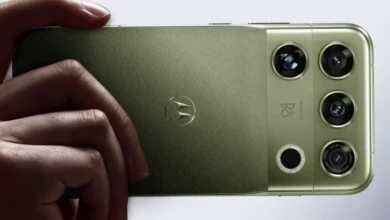
Beyond the privacy display, the Xiaomi 18 series is also expected to feature a "magical" secondary rear display, a feature that continues the company’s history of experimental design. By combining high-end, experimental hardware with practical, security-focused features, Xiaomi is attempting to appeal to two distinct segments: the tech enthusiasts who crave novelty and the professional users who require functionality and security.
As the smartphone industry matures, the focus is clearly moving away from raw performance metrics toward the refinement of the user experience. The introduction of the smart privacy display on the Xiaomi 18 Pro is a testament to this shift. Whether this technology becomes a staple of all future smartphones or remains a niche feature for premium devices remains to be seen, but for now, it marks a significant milestone in the ongoing quest to protect user data from the most basic threat of all: the wandering eye.