Apple expands Tap to Pay on iPhone to eight new Latin American markets marking a major regional growth milestone

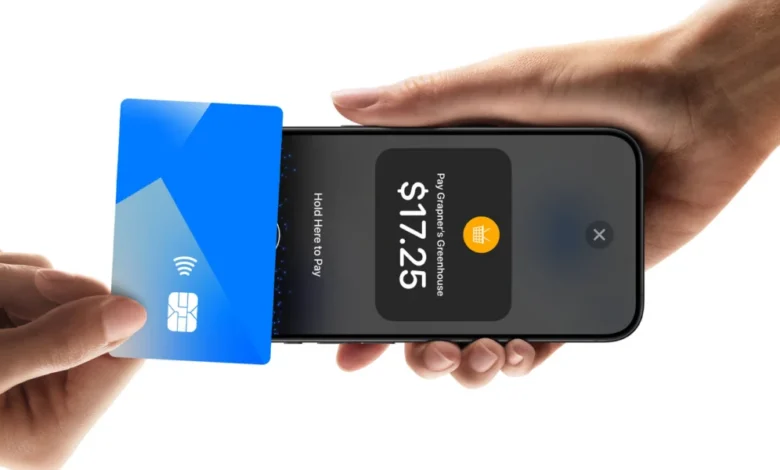
Apple has officially announced a significant expansion of its Tap to Pay on iPhone technology, extending the contactless payment solution to eight additional countries across Latin America. This move represents a strategic push to digitize the retail landscape in the region, enabling merchants to transform their existing mobile hardware into powerful, secure point-of-sale terminals. The technology, which eliminates the need for bulky external card readers, is now rolling out in Argentina, Colombia, Costa Rica, the Dominican Republic, Guatemala, Honduras, Panama, and Peru, supported by a coalition of six prominent payment platforms.
The expansion is part of a broader, ongoing effort by Apple to establish its financial services ecosystem as a global standard for small-to-medium-sized businesses (SMBs). By lowering the barrier to entry for digital payments, Apple aims to capture a larger share of the merchant services market, particularly in economies where traditional banking infrastructure has historically been fragmented or expensive for micro-merchants to access.
Understanding Tap to Pay on iPhone
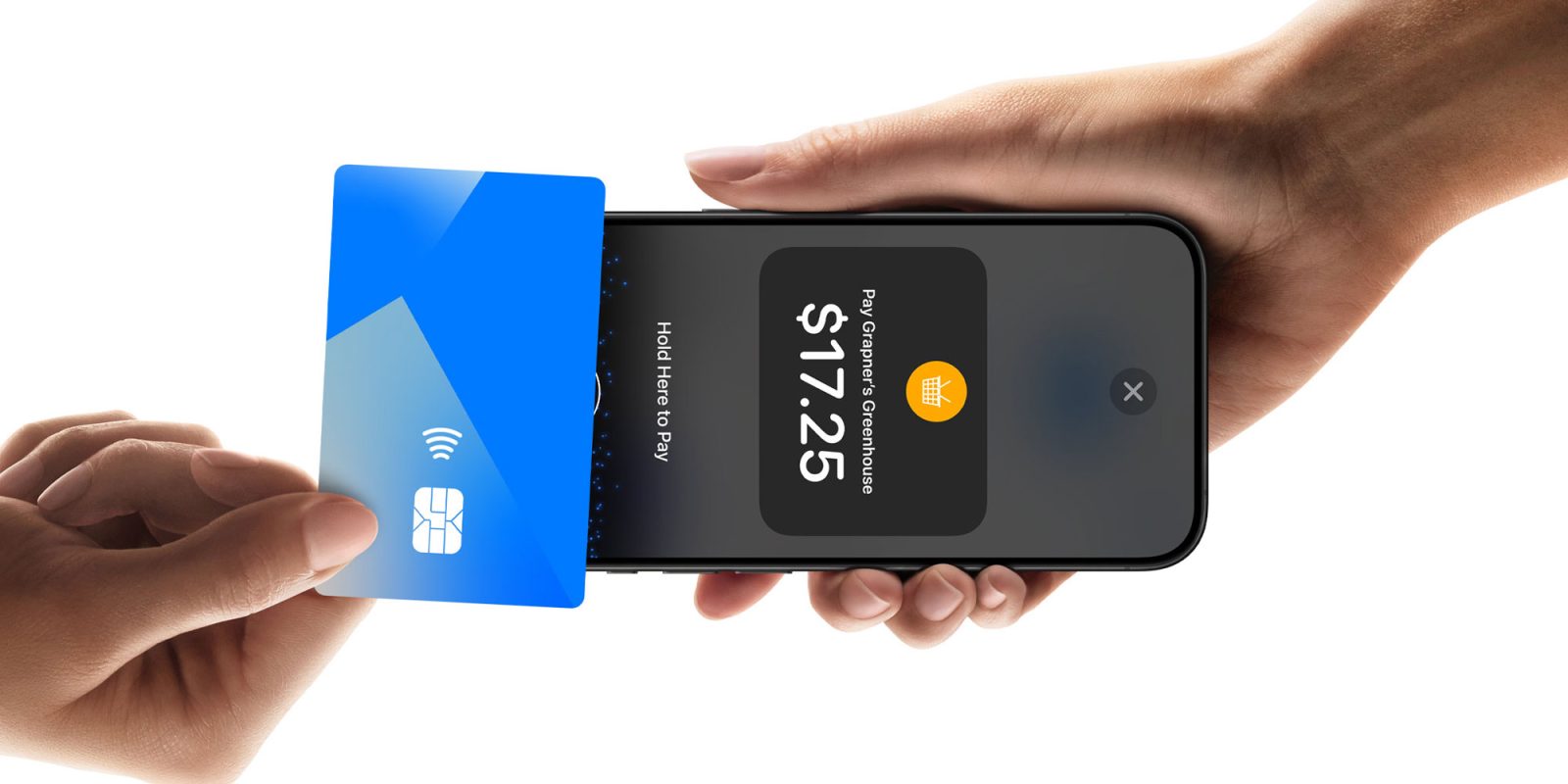
At its core, Tap to Pay on iPhone leverages the device’s built-in Near Field Communication (NFC) chip to facilitate secure, encrypted transactions. When a merchant enables the feature via a supported app, they can accept payments from contactless credit and debit cards, as well as digital wallets like Apple Pay, simply by having the customer tap their device or card against the merchant’s iPhone.
The technology utilizes the Secure Element, the same hardware responsible for protecting sensitive data in Apple Pay, ensuring that payment information is encrypted and not stored on the merchant’s device or Apple’s servers. This security architecture has been a primary selling point for the company, as it provides institutional-grade protection to independent contractors, boutique retailers, and service providers who previously relied solely on cash transactions.
The Evolution of Contactless Commerce: A Timeline
The journey of Tap to Pay on iPhone began in early 2022, representing a pivot from Apple’s focus on consumer-to-merchant payments toward merchant-to-customer infrastructure.
- February 8, 2022: Apple officially unveils Tap to Pay on iPhone, with the United States serving as the initial launch market. Stripe is named the first partner to integrate the technology, signaling the beginning of a developer-focused roadmap.
- Late 2022 – 2023: Apple accelerates the international rollout, expanding the service to major markets including the United Kingdom, Australia, Taiwan, and several European nations. During this phase, Apple focuses on integrating major payment gateways to ensure broad compatibility with existing banking rails.
- 2024: The focus shifts toward deeper penetration in emerging markets. Apple begins forming alliances with local fintech leaders to ensure the technology is adapted to regional payment preferences and regulatory environments.
- September 2026: Apple executes its largest simultaneous expansion in Latin America, bringing the service to eight new countries and establishing a foothold in a region where mobile-first financial services are experiencing rapid adoption.
Regional Context and Economic Implications
The decision to target Latin America is not incidental. The region has seen an explosion in fintech adoption over the past half-decade, driven by high smartphone penetration rates and a growing demographic of unbanked or underbanked individuals. In countries like Colombia and Peru, the digital transformation of small businesses has become a national economic priority.
By removing the cost of dedicated hardware—which often carries monthly leasing fees, maintenance costs, and complex setup procedures—Apple is effectively democratizing access to the digital economy. For a street vendor in Panama or a boutique owner in Argentina, the iPhone serves as both a communication tool and a comprehensive business management hub. This "all-in-one" approach reduces the operational overhead for small enterprises, potentially leading to increased revenue and improved financial record-keeping for businesses that previously operated primarily in the cash-only economy.
Industry Impact and Competition
The introduction of Tap to Pay on iPhone into these eight markets puts pressure on traditional payment hardware providers. Companies that have historically dominated the regional point-of-sale market through proprietary dongles and terminals now face competition from an ecosystem that is already in the merchant’s pocket.
However, the strategy is not necessarily one of direct displacement. Apple’s model relies on partnerships with existing payment platforms rather than acting as the sole processor. By enabling these platforms to integrate their own software with Apple’s NFC hardware, the company ensures that local banks and fintechs remain relevant. This symbiotic relationship is critical, as it allows Apple to leverage the existing compliance, regulatory, and merchant acquisition networks already established by local financial leaders.

Security and Network Compatibility
A key pillar of the rollout is the universal compatibility with major global payment networks. Apple has confirmed that the service supports contactless cards issued by American Express, Mastercard, and Visa. This ensures that the system is not only useful for local transactions but also for international tourists who frequently visit these Latin American countries.
From a security standpoint, the process is architected to be "zero-knowledge." Apple does not have access to the card numbers or transaction data processed through the device. This privacy-centric approach has helped the company overcome skepticism from local financial regulators in emerging markets who are often wary of "Big Tech" handling sensitive domestic financial data.
Future Outlook and Strategic Scaling
As of September 2026, Tap to Pay on iPhone is operational in 59 countries and regions, supported by over 100 payment service providers. The rapid scaling of this service suggests that Apple is viewing the "merchant services" category as a significant driver for its Services division. While the company does not typically break out revenue specifically from Tap to Pay, the growth in transaction volume and the associated service fees from payment partners represent a compounding revenue stream.
The next phase of growth for this technology will likely involve deeper integration into enterprise-grade business software. Beyond simple retail payments, there is potential for Tap to Pay to be used in employee identification, secure access control, and complex inventory management systems where the iPhone acts as the central interface for all business operations.
Conclusion
The expansion into Argentina, Colombia, Costa Rica, the Dominican Republic, Guatemala, Honduras, Panama, and Peru is a testament to the maturation of Apple’s financial infrastructure. By successfully bridging the gap between high-end hardware and accessible financial tools, Apple has positioned itself as a critical facilitator of commerce in the 21st century.

As these eight countries begin to integrate the technology, local businesses will gain a competitive edge in an increasingly digital marketplace. For the consumer, it signals a shift toward a more seamless, secure, and rapid payment experience. For Apple, the move is a strategic consolidation of its role in the global financial fabric, ensuring that as the world moves away from physical cash, the iPhone remains the primary instrument through which that transition is managed.
For those interested in the specific technical requirements, payment providers, and region-specific rollout schedules, Apple’s official developer portal continues to serve as the definitive source for up-to-date documentation. As the company continues to refine its software and forge new partnerships, the "Tap to Pay" experience is likely to become an ubiquitous feature of the global retail landscape, further embedding the Apple ecosystem into the daily operations of businesses large and small.