Fairphone Fairbuds 2 Launch Date Set for October 14 With Focus on Modular Sustainability and High-Resolution Audio


The consumer electronics landscape is preparing for a significant shift in the audio hardware market as Fairphone, the Dutch social enterprise renowned for its sustainable smartphones, readies the release of its second-generation wireless earbuds. Scheduled for an official launch on October 14, the Fairbuds 2 aim to bridge the gap between ethical, repairable technology and the high-fidelity performance typically reserved for mainstream audio manufacturers. With a competitive price point and a commitment to modular design, the company is positioning itself to challenge industry incumbents by proving that environmental responsibility does not necessitate a compromise in audio quality or affordability.
The Evolution of Modular Audio
The Fairbuds 2 represent a direct evolution of the company’s "repair-first" philosophy, which was introduced to the audio segment with the original Fairbuds earlier this year. The core innovation of this product line lies in its modularity. While most wireless earbuds on the market are considered "disposable"—sealed units that, once the battery degrades or a component fails, become electronic waste—Fairphone’s design philosophy mandates that the user remains in control of the device’s lifespan.
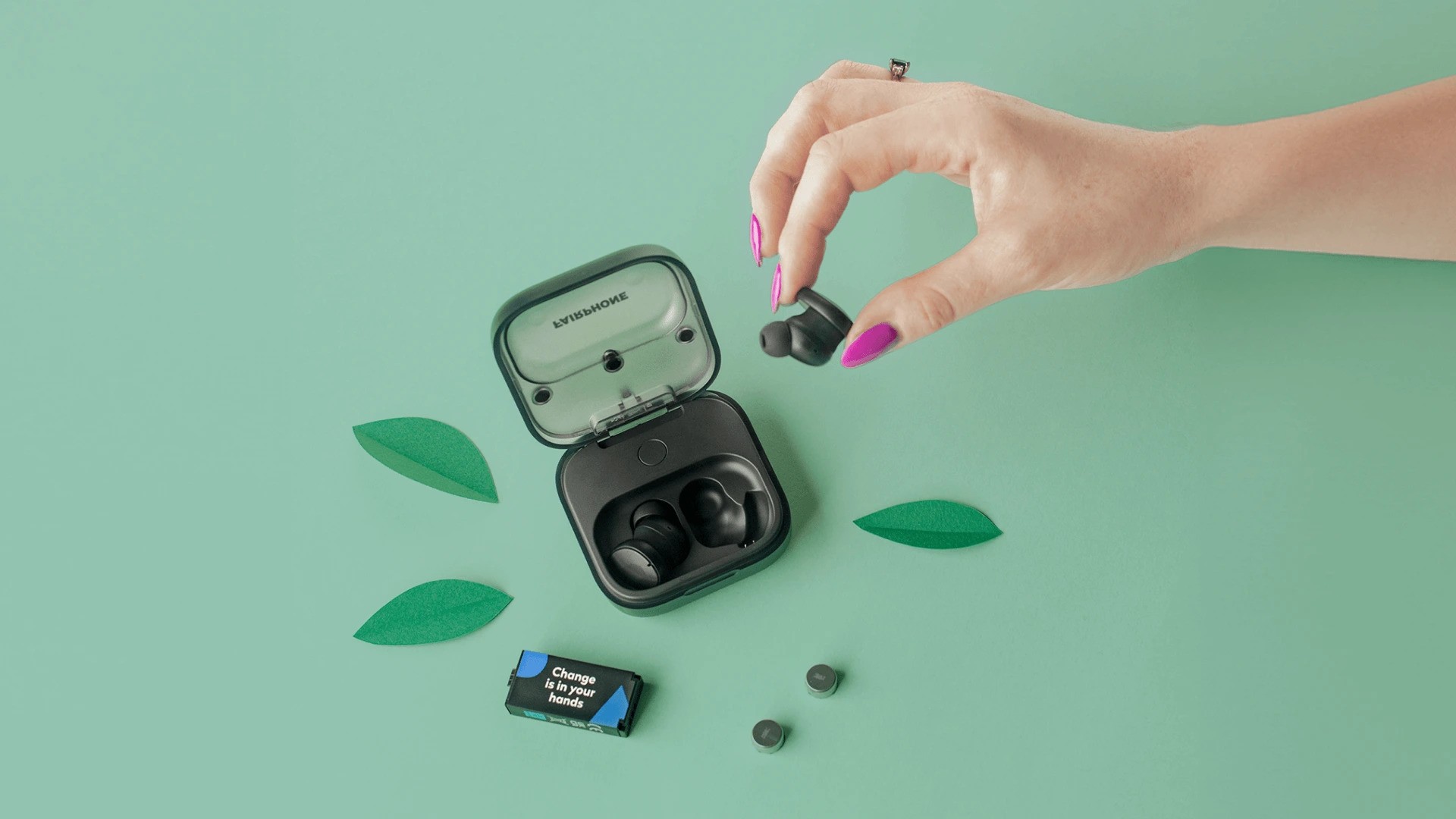
Early reports confirm that the Fairbuds 2 will retain the seven modular, replaceable components found in the original iteration. This allows users to independently replace the earbud batteries, the charging case battery, and even individual earbud units if they are lost or damaged. By enabling customers to purchase specific replacement parts rather than forcing a total replacement of the hardware, Fairphone is addressing the growing global concern regarding the accumulation of consumer electronic waste, specifically the toxic lithium-ion batteries that frequently end up in landfills prematurely.
Technical Upgrades: Bridging the Fidelity Gap
Perhaps the most notable departure from the first-generation model is the integration of the LDAC codec. In the fast-paced market of wireless audio, the standard SBC and AAC codecs—while sufficient for basic streaming—often struggle to maintain high-bitrate audio transmission. By incorporating Sony’s LDAC technology, the Fairbuds 2 will support high-resolution audio streaming at up to 990 kbps. This move is a strategic attempt by Fairphone to attract audiophiles and users who prioritize sound fidelity, effectively positioning the Fairbuds 2 against premium market offerings that have long touted high-resolution capabilities as a key differentiator.
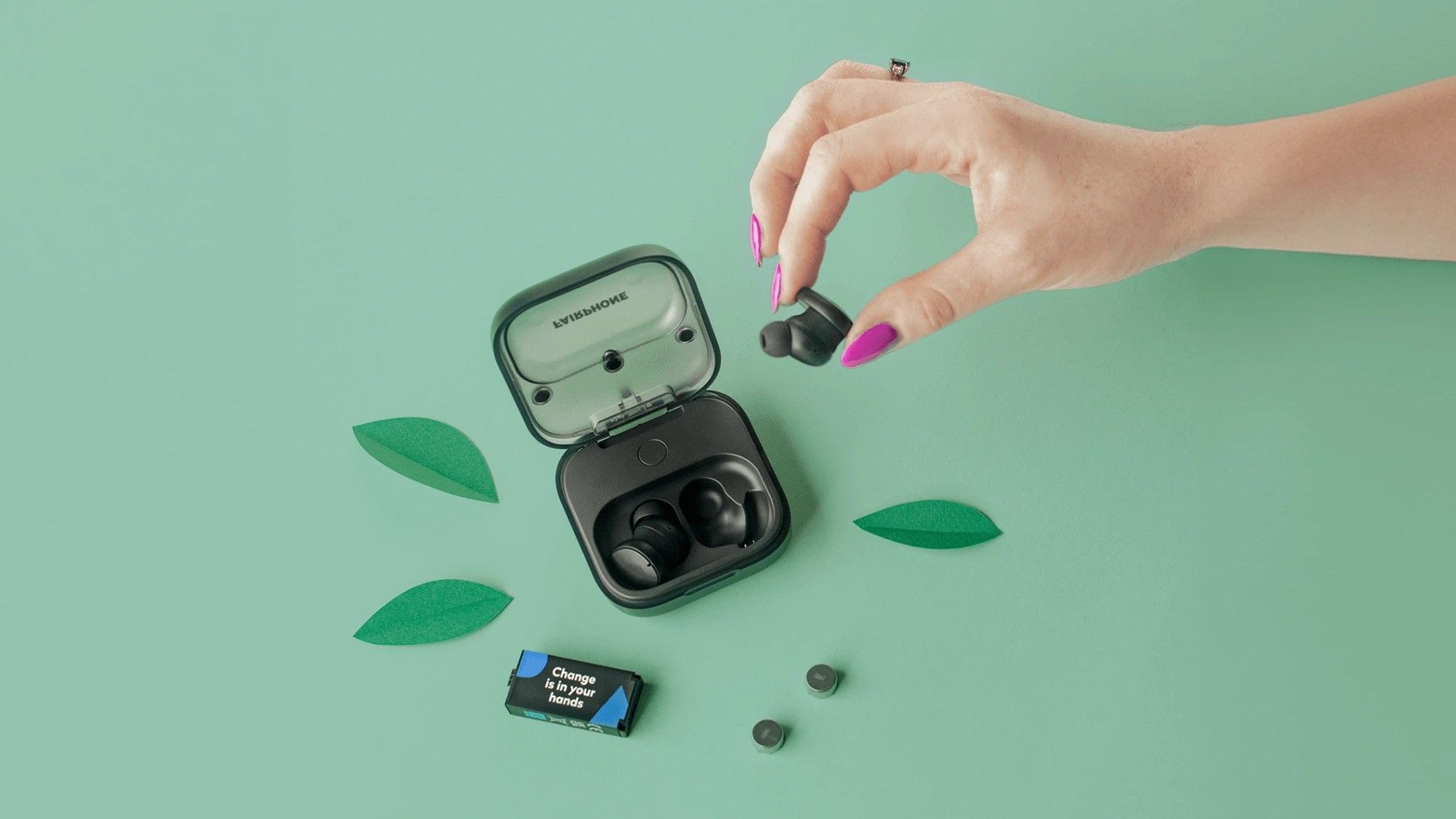
Furthermore, leaked promotional imagery and social media teasers from the company indicate a significant design departure. While the original Fairbuds opted for a more rounded, minimalist silhouette, the Fairbuds 2 appear to adopt a stemmed design. This aesthetic shift is not merely cosmetic; in the industry, stems often allow for better microphone placement, improved antenna reception for Bluetooth connectivity, and more intuitive touch-capacitive control surfaces. While Fairphone has yet to release the full technical specifications regarding the touch or squeeze functionality of these new stems, the design suggests a move toward the ergonomic standards popularized by premium industry leaders.
Price and Market Positioning
The economic strategy behind the Fairbuds 2 is particularly aggressive. Despite the inclusion of upgraded audio codecs and a redesigned, potentially more complex modular structure, Fairphone has announced that the new model will be priced at €119 in Europe and $119 in the United States. When adjusted for inflation and the current cost of production for high-fidelity hardware, this price point is notably $30 lower than the launch price of the original model.
This reduction in price suggests that Fairphone has optimized its supply chain and manufacturing processes significantly in the short time since the release of the first generation. By lowering the barrier to entry, the company is signaling its intent to capture a larger share of the market, moving beyond a niche "eco-conscious" consumer base toward the mainstream, budget-conscious user who demands long-term value.
A Chronology of Sustainable Innovation
Fairphone’s journey into audio is a recent chapter in a much longer history of advocacy. Founded in 2013, the company initially gained international recognition for its modular smartphone, the Fairphone 1. The trajectory of their product expansion is as follows:
- 2013: Fairphone releases its first modular smartphone, establishing the foundation for its "conflict-free" mineral sourcing and repairability advocacy.
- 2021-2023: The company refines its modular smartphone design with the Fairphone 4 and Fairphone 5, consistently receiving high repairability scores from independent testers like iFixit.
- Early 2024: The launch of the first-generation Fairbuds marks the company’s first major foray into the audio accessory market, focusing on battery-replaceable earbud technology.
- October 2024: The scheduled launch of the Fairbuds 2, signaling a commitment to iterative improvement and the integration of high-resolution audio standards.
Implications for the Electronics Industry
The implications of the Fairbuds 2 launch extend beyond the product itself. In the European Union, the Right to Repair movement has gained significant legislative momentum, with new directives requiring batteries in portable devices to be easily accessible and replaceable by consumers by 2027. Fairphone is currently operating years ahead of these regulatory requirements. By demonstrating that a commercial product can be both high-performing and user-repairable, the company serves as a living proof-of-concept that can be cited by lawmakers and environmental groups to pressure larger, more resistant tech giants into adopting more sustainable design practices.
However, the success of the Fairbuds 2 will depend on more than just moral superiority. The transition to the stemmed design and the inclusion of LDAC suggest that the company is listening to market feedback that criticized the first generation for being "too experimental" in its design. If the Fairbuds 2 can provide a seamless user experience—pairing stability, battery life, and acoustic performance—it may well become the blueprint for how all future wireless audio products are manufactured.
Industry Challenges and Future Outlook
Despite the positive trajectory, Fairphone faces stiff competition. The wireless earbud market is saturated with established players like Apple, Sony, Samsung, and Bose, all of which benefit from vast economies of scale and sophisticated software ecosystems. Integrating modularity often adds bulk or complexity that these companies have sought to eliminate in favor of sleek, waterproof, and hyper-compact designs.
Fairphone’s challenge will be to maintain the "Fair" promise—which includes fair wages for factory workers, recycled materials, and conflict-free mineral sourcing—while ensuring that the product feels as premium as the price tag suggests. As the October 14 launch date approaches, the industry will be watching to see if the Fairbuds 2 can maintain the delicate balance between ethical manufacturing and the performance expectations of the modern consumer.
If the market reception to the Fairbuds 2 is strong, it may encourage other audio manufacturers to reconsider their own design constraints. Ultimately, the existence of a repairable, high-fidelity, and affordable set of earbuds challenges the industry-wide reliance on planned obsolescence. As Fairphone continues to iterate on its hardware, it is increasingly clear that the company is not just selling accessories; it is providing an alternative vision for the future of consumer electronics—a future where the end of a device’s life is not decided by a dead battery, but by the user’s choice to keep it going.