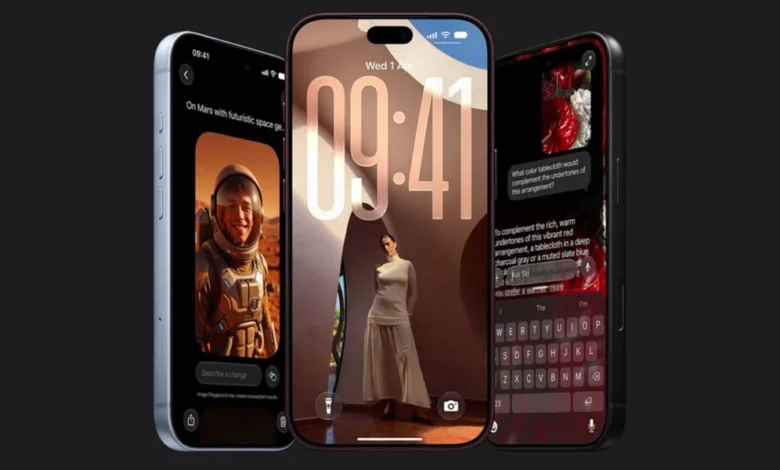
The launch of the iPhone 18 Pro, while met with significant consumer enthusiasm and record-breaking initial sales figures, has been accompanied by a niche but persistent technical complaint. A growing, though still statistically small, segment of the user base has reported experiencing intermittent, anomalous audio behavior characterized by "popping" or "clicking" sounds emanating from the device’s internal speaker array. These acoustic irregularities, which users describe as sounding akin to the static discharge heard when disconnecting an analog auxiliary cable, have been documented across various online platforms, including the MacRumors community forums and the r/iPhone subreddit.
Understanding the Phenomenon
The reports describe a fleeting, high-frequency sound that manifests during specific software interactions. Users have reported hearing these audible artifacts when switching between active applications, adjusting system volume levels, and, in some instances, during voice dictation tasks. Because the sound does not appear to be tied to a specific media file or a continuous audio stream, many early adopters and tech enthusiasts have hypothesized that the issue is not a failure of the physical hardware components, but rather a digital signal processing (DSP) or driver-level glitch within the iOS environment.
The nature of the complaint—a "click" or "pop"—is typically associated with a sudden voltage spike or a software-induced power state change in audio hardware. When an audio amplifier transitions from a "sleep" state to an "active" state to output sound, a lack of proper synchronization in the software layer can lead to an audible transient noise. While disruptive to the premium experience expected of a flagship device, the intermittent nature of the problem suggests that the audio hardware itself is likely not suffering from long-term damage.
Chronology of Reported Issues
The timeline of these reports began shortly after the official retail release of the iPhone 18 Pro. Within the first week of consumer availability, the first threads emerged on Reddit. Early reports were initially dismissed by some observers as isolated incidents or user error, but as the volume of reports increased throughout the latter half of September 2026, it became clear that a commonality existed among a subset of users.
By late September, major tech outlets began monitoring the situation as the number of independent reports climbed into the dozens. While this represents a negligible percentage of the total millions of iPhone 18 Pro units sold globally, the consistent description of the sound across diverse geographic locations and varying hardware configurations suggests a systemic software issue rather than a random hardware defect. As of the current reporting cycle, Apple has not issued a formal service bulletin, which is standard practice for the company until they have verified the root cause and determined if a widespread repair or software patch is necessary.

Technical Context and Historical Precedent
Audio anomalies are not unprecedented in the smartphone industry. In previous years, similar reports have surfaced with various iPhone generations, often traced back to kernel-level audio driver conflicts or issues with the way iOS manages power consumption for the speaker amplifiers.
In the history of consumer electronics, speaker "popping" is a well-documented phenomenon. In professional audio equipment, this is often mitigated by soft-start circuitry. In a smartphone, where space is at an extreme premium, Apple utilizes highly integrated circuits to manage sound. If the power management integrated circuit (PMIC) is being commanded to wake up the speaker driver too aggressively by the operating system, it can produce the exact "click" that users are describing.
Historically, when such issues are software-related, Apple has successfully deployed fixes through incremental iOS updates. For instance, in previous years, minor audio distortions during calls or media playback were rectified within one or two point-release updates (e.g., iOS 18.0.1 or 18.1). This precedent provides a roadmap for how the company will likely address the current iPhone 18 Pro situation: a diagnostic period followed by an over-the-air (OTA) software update that recalibrates how the audio driver initializes.
Analyzing the Scope and Impact
From a data perspective, the reported issues appear to follow a "long tail" distribution. The overwhelming majority of iPhone 18 Pro owners are experiencing no audio issues, which supports the theory that this is either a software edge case triggered by specific user settings or a minor manufacturing variance in a small batch of components.
The implications for Apple are relatively contained. The company prides itself on the "Pro" designation of its handsets, which implies a higher standard of build quality and performance. If a widespread hardware flaw were identified, the company would face logistical challenges involving returns, replacements, or the expansion of its warranty programs. However, given the current evidence pointing toward a software-based root cause, the financial and reputational impact is expected to be minimal.
Industry analysts suggest that the company is likely already running diagnostic tests on affected units returned through the AppleCare support channel. These units provide the engineering teams with the necessary logs to reproduce the issue in a controlled environment. Once the reproduction is successful, the path to a software fix is typically swift.

Consumer Guidance and Best Practices
For users currently experiencing these pops and clicks, there are several troubleshooting steps recommended by experts in the field:
- Software Verification: Ensure the device is running the latest available version of iOS. Apple frequently includes "bug fixes and improvements" in minor updates that may silently address audio driver stability.
- Hard Reset: A standard restart of the device clears the temporary memory and forces a reload of the audio drivers. While not a permanent fix for a bug, it can temporarily stop the behavior if it is caused by a memory leak or a hung process.
- Diagnostic Reporting: Users are encouraged to report the issue through the official Apple Feedback Assistant app. By providing logs and details about when the sound occurs, users assist engineers in identifying the specific software path that triggers the audio artifact.
- Hardware Inspection: In rare cases, if the popping is accompanied by actual distortion or volume degradation, it may indicate a physical speaker failure. In such instances, scheduling an appointment at an Apple Authorized Service Provider is the recommended course of action.
Broader Industry Implications
The iPhone 18 Pro incident highlights the increasing complexity of modern mobile hardware. As smartphones integrate more advanced AI-driven audio processing, haptic feedback, and spatial audio capabilities, the software layer governing these components becomes exponentially more intricate. A single line of code in the audio stack, if improperly optimized, can result in behaviors that manifest as hardware issues to the end-user.
Furthermore, the transparency of the modern digital age—where a few users on a forum can bring a niche issue to global attention within hours—has changed the landscape of consumer feedback. Companies like Apple are now held to a standard of near-perfect software reliability. While the "pop" may be a minor annoyance, it serves as a reminder of the delicate balance between performance and stability in high-end consumer technology.
Looking Ahead
As of early October 2026, the tech community continues to monitor the situation. There is a general consensus that the issue will be resolved via a forthcoming software update. Apple’s track record for addressing these specific types of "quality of life" bugs is generally high. Until an official statement is released, the company maintains its standard support protocols, advising users to ensure their software is up to date and to reach out to Apple Support if they believe their device is experiencing hardware-level failure.
Ultimately, the "speaker pop" issue on the iPhone 18 Pro represents a temporary hurdle in an otherwise successful product launch cycle. While frustrating for those affected, the limited scope of the reports and the likely software-based nature of the problem suggest that this will be a footnote in the device’s history rather than a defining failure. For prospective buyers and current owners alike, the situation serves as an example of the importance of robust software verification in an era where hardware is inextricably linked to the performance of its governing code. As the product lifecycle continues, the industry will watch closely to see how effectively Apple moves to resolve this minor but audible glitch.