Apple is implementing new in-box diagnostic technology to combat retail return fraud

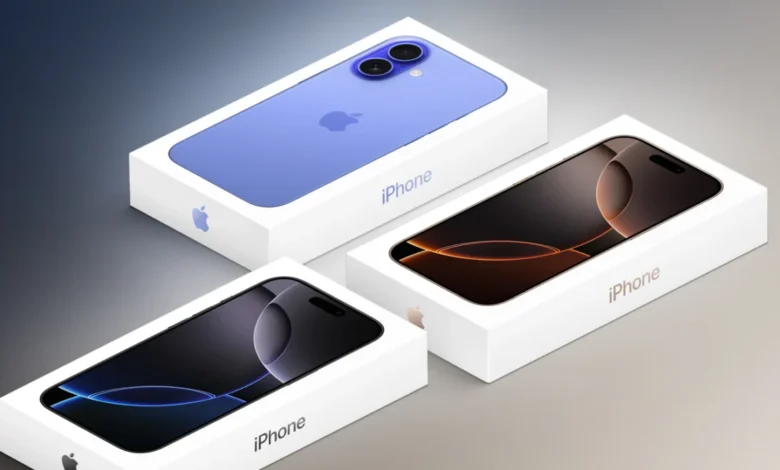
The landscape of modern retail is defined by a delicate balance between customer convenience and the imperative to secure high-value inventory. For Apple, which operates some of the most lucrative retail storefronts in the world, this balance has recently been tested by an uptick in sophisticated return fraud. According to reports from Bloomberg’s Mark Gurman in his October 2026 Power On newsletter, the technology giant has begun deploying specialized hardware to its retail locations designed to verify the integrity of returned products without requiring staff to break the factory seal on the packaging.
This initiative marks a significant evolution in how the company manages the lifecycle of its hardware, moving away from manual, labor-intensive inspection processes toward an automated, non-invasive verification system. As the secondary market for high-end electronics continues to thrive, the incentive for bad actors to engage in "box-stuffing" or "component-stripping" has reached an all-time high, prompting Apple to bolster its internal security protocols.
The Mechanics of the Fraudulent Return
The challenge Apple faces is twofold: the physical removal of the primary device or the strategic extraction of internal components. In recent months, retail employees have increasingly encountered instances where customers purchase an iPhone, only to return the original packaging days later. Often, the packaging appears pristine from the outside, but upon inspection, it may be empty, contain a non-functional counterfeit, or feature a device from which critical components—such as sensors or internal processors—have been harvested.
Historically, Apple’s retail protocol for handling returns was straightforward: an employee would manually open the box to verify the serial number, ensure the device was present, and confirm that it was in its original factory condition. While this method was effective in catching overt theft, it had significant drawbacks. Once a box was opened, the item could no longer be sold as "new." It was subsequently downgraded to "refurbished" or "open-box" status, resulting in a loss of retail value and creating logistical headaches for store managers tasked with inventory reconciliation.
Introducing the In-Box Diagnostic Solution
The new system, which began rolling out to Apple Stores earlier this month, utilizes radio frequency identification (RFID) or localized diagnostic signaling to scan the contents of a sealed box. By placing the packaged product on a proprietary diagnostic platform, employees can now confirm the presence of the authentic hardware, verify the device’s unique serial number against Apple’s global database, and run a rapid diagnostic check to ensure the internal circuitry remains intact.
This technology allows the retail unit to maintain the integrity of the factory seal. If the scanner confirms that the device is present and fully functional, the product can be immediately returned to the retail floor for sale as a new unit. This process not only curtails fraud but also streamlines the return experience for legitimate customers, reducing the time spent at the Genius Bar or checkout counter.
A Growing Trend in Retail Security
Apple is by no means the only retailer grappling with this issue. The National Retail Federation (NRF) has noted that "return fraud" accounts for billions of dollars in losses across the consumer electronics sector annually. As product prices rise and the resale value of devices like the iPhone remains high, organized retail crime groups have shifted their focus toward these "shrinkage" tactics.
For Apple, the implications of this problem are twofold: financial loss and brand dilution. If a customer unknowingly purchases an open-box device that has been tampered with, it leads to a catastrophic customer service experience. By implementing this new scanning technology, Apple is attempting to create a "zero-trust" environment for its inventory, ensuring that every product reaching the hands of a consumer is verified as authentic and factory-sealed.
Implications for Apple’s Retail Strategy
The adoption of this technology fits into a broader strategy of technological integration within the retail environment. Over the past decade, Apple has moved toward increasingly automated inventory management systems. This diagnostic tool represents a natural progression of that strategy.
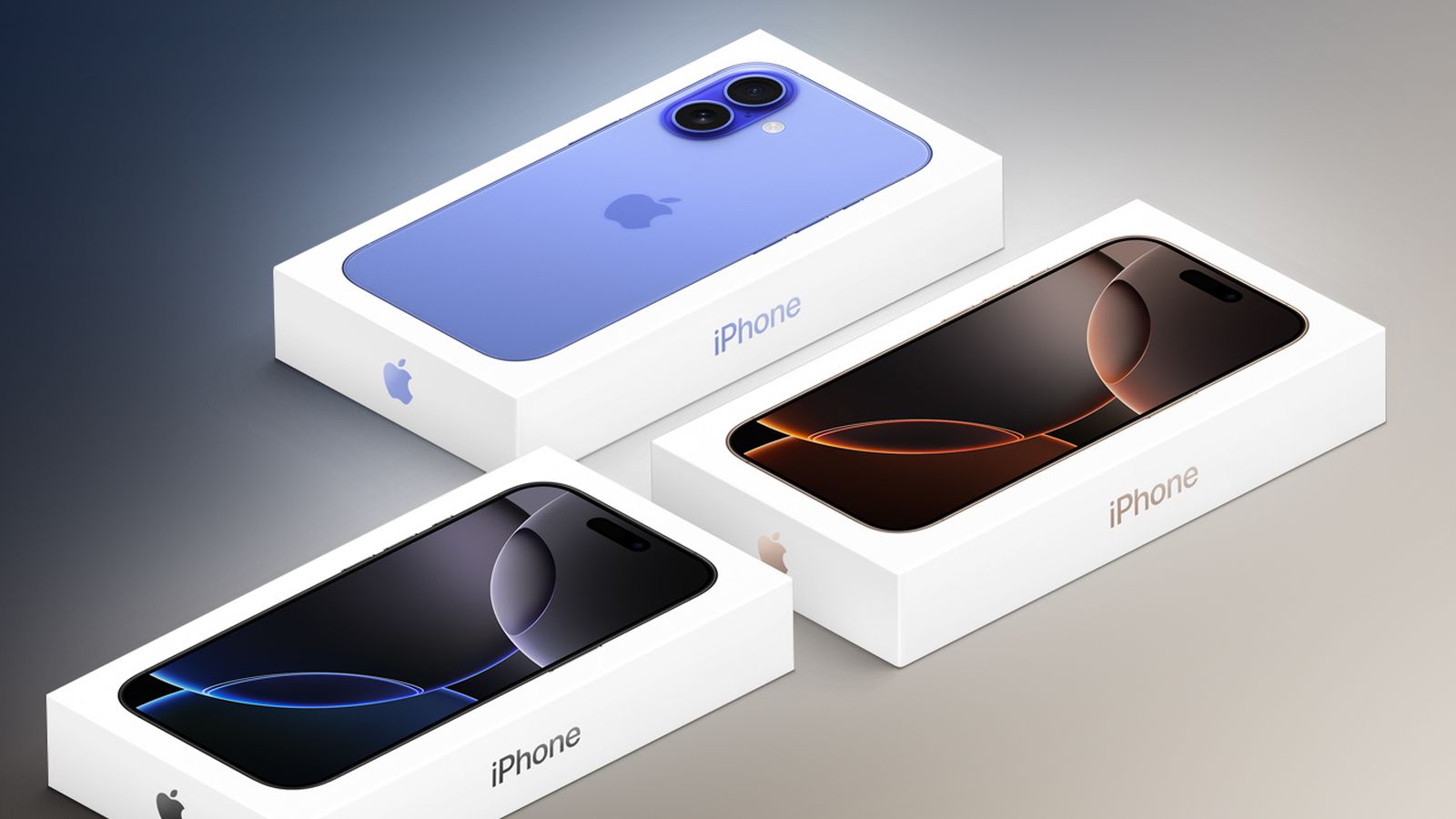
Furthermore, the timing of this rollout aligns with broader shifts in Apple’s supply chain management. In the same reporting, analysts have pointed to recent challenges regarding the launch of the "iPhone Duo," where supply constraints led to a turbulent pre-order period. Managing inventory efficiently is critical during these times; when stock is limited, the ability to recycle returned inventory back into the supply chain quickly is an operational necessity.
The Broader Economic Context
The rise in retail theft and return fraud has forced many major retailers to rethink their physical store layouts. While Apple has long resisted the trend of placing items behind locked glass cases—a strategy employed by many big-box retailers to deter theft—the company has clearly decided that behind-the-scenes verification is a more scalable and customer-friendly solution.
Data from the retail sector suggests that the cost of manual inspections is becoming prohibitive. Between the wages of retail staff and the devaluation of inventory once packaging is breached, the "cost of returns" has ballooned. Apple’s investment in this diagnostic hardware suggests a long-term commitment to reducing these operational costs while maintaining the premium, "unboxing" experience that is central to its brand identity.
Future Outlook and Technological Integration
As the company moves forward, it is likely that this diagnostic platform will see expanded use. Observers speculate that similar technology could eventually be integrated into point-of-sale systems or used in transit to ensure that products shipped directly to consumers haven’t been tampered with during the logistics process.
The success of this initiative will be measured by the reduction in "shrinkage" metrics over the coming fiscal quarters. If the system proves effective, it could become the new industry standard for high-value electronics retailers. For the average consumer, the change will be largely invisible, but it will ensure that the device they pull off the shelf is exactly what it claims to be: a brand-new, untouched piece of hardware.
Challenges in the Implementation Phase
Despite the clear benefits, the deployment of this technology is not without its hurdles. First, the cost of the diagnostic scanners themselves is substantial, requiring an infrastructure investment across hundreds of retail locations worldwide. Second, the system requires continuous calibration to ensure it remains compatible with every new iteration of hardware released by the company. As Apple introduces new sensors, chips, and internal architectures, the diagnostic software must be updated in real-time.
Moreover, there is the human element. Retail employees must be trained not only to use the equipment but to interpret its findings. In scenarios where a device might trigger a false positive or a "suspicious" flag, employees will need to exercise judgment to avoid offending legitimate customers while maintaining security protocols.
Conclusion: A Shift in Retail Dynamics
The introduction of in-box diagnostic tools is a pivotal moment in the evolution of Apple’s retail operations. By prioritizing the security of its inventory through innovation rather than restrictive physical barriers, the company is attempting to maintain the high-touch, premium atmosphere of its stores while mitigating the risks posed by modern retail fraud.
As the retail industry continues to navigate a landscape of rising theft and evolving consumer behaviors, Apple’s move serves as a case study in how technology can be leveraged to address structural business problems. Whether this system becomes the blueprint for other high-end retailers remains to be seen, but it is clear that for Apple, the days of relying solely on manual inspection are coming to an end. The company remains committed to ensuring that its retail experience remains as secure as it is seamless, protecting both its bottom line and the trust of its global customer base.