The Current Paradox of Consumer Technology: Innovation, AI Integration, and Societal Impact

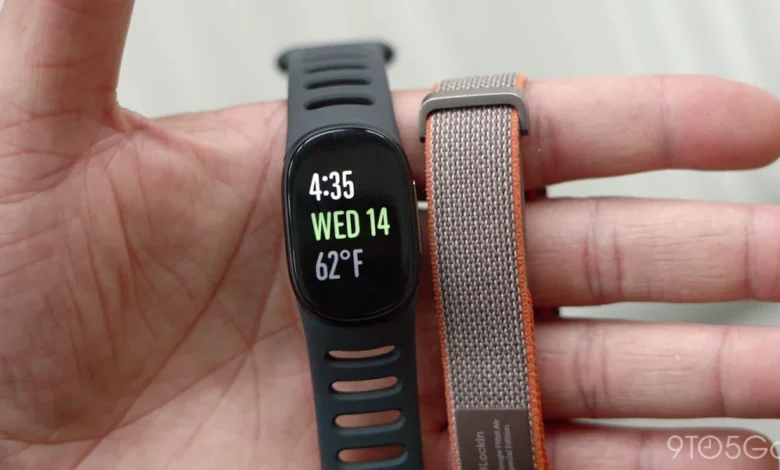
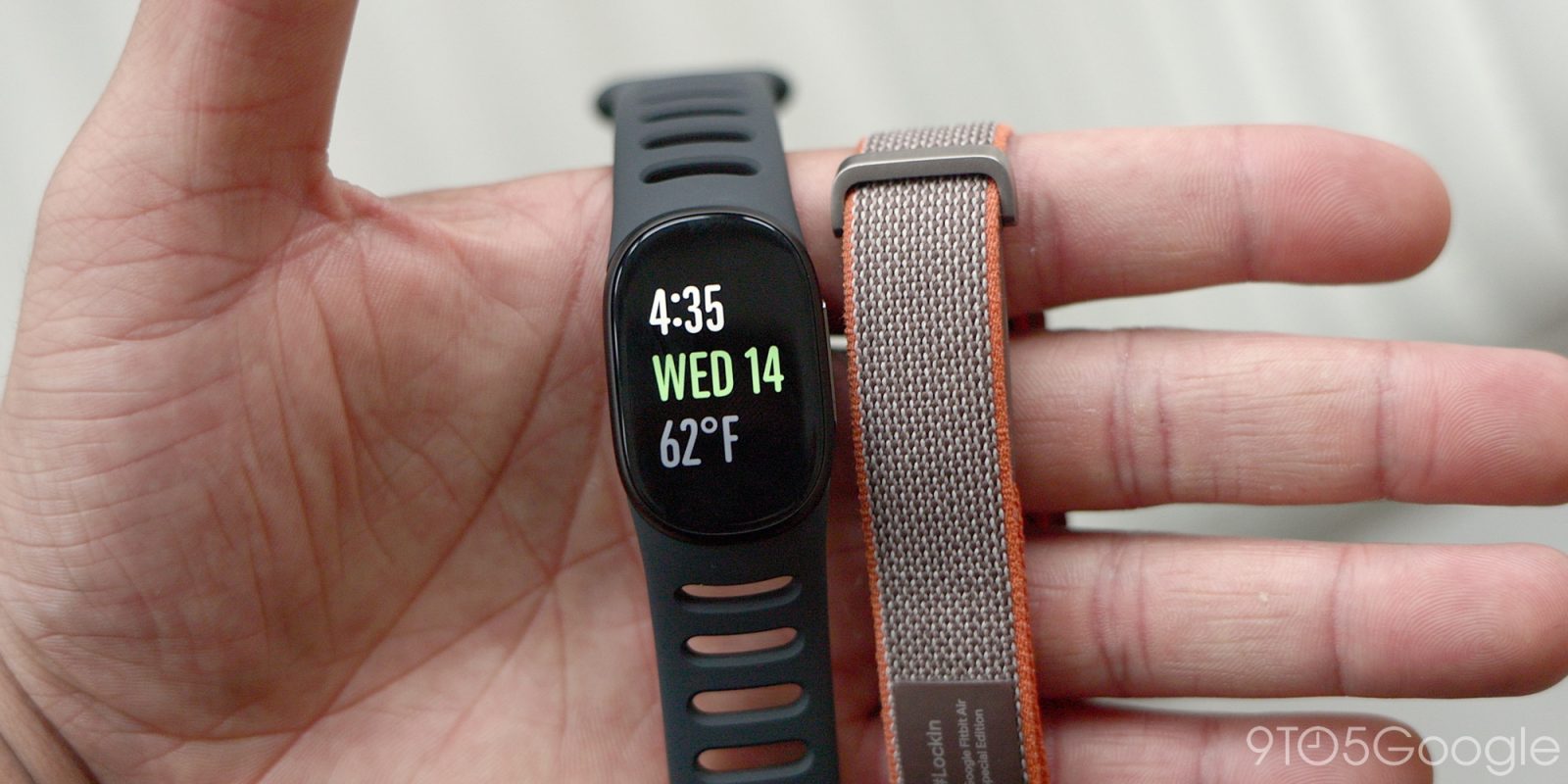
The contemporary consumer technology landscape exists in a state of profound contradiction. On one hand, the industry is experiencing an unprecedented era of rapid innovation, marked by breakthroughs in artificial intelligence (AI), the proliferation of sophisticated new hardware, and visionary concepts that push the boundaries of what connected devices can achieve. On the other hand, this accelerated pace of development is unfolding against a backdrop of increasing public scrutiny, digital fatigue, and a growing societal debate over the psychological and cultural toll of living in an hyper-connected world. As tech giants unveil the latest iterations of smart wearables—exemplified by ongoing developments in the fitness tracker and smartwatch segments, such as comparisons between advanced hardware ecosystems—industry analysts and consumers alike are pausing to reevaluate the true value of these advancements. This duality raises a critical, timely question for the modern user base: amidst the noise of rapid iteration and societal critique, what specific technologies are genuinely enhancing daily life and delivering authentic satisfaction?
The Evolution of Modern Hardware and AI Integration
To understand the current sentiment surrounding consumer technology, one must examine the trajectory of hardware development over the past several years. The integration of generative AI and machine learning into everyday devices has transformed gadgets from passive tools into proactive assistants. Smartphones, smart home appliances, and wearable fitness ecosystems are no longer evaluated solely on traditional metrics like battery life, processing speed, or build quality. Instead, they are judged by their ability to seamlessly integrate artificial intelligence to anticipate user needs, personalize health insights, and streamline daily workflows.
However, this rapid integration has not occurred without friction. Consumers are increasingly overwhelmed by the sheer volume of updates, subscription models, and ecosystem lock-ins. While hardware manufacturers continue to refine form factors—producing lighter, more durable, and aesthetically versatile devices—the software layer often introduces complexity that can detract from the user experience. The tension between wanting cutting-edge capabilities and craving digital simplicity has become a defining characteristic of the current tech cycle.
Chronology of the Shift Toward Mindful Technology
The transition from a purely growth-obsessed tech market to a more reflective consumer mindset can be traced through several key milestones over the last half-decade:
- 2019–2020 (The Remote Work Surge): The global COVID-19 pandemic forced a sudden, massive reliance on digital infrastructure, accelerating remote work tools, communication platforms, and home entertainment hardware. This period highlighted the essential nature of technology but also sowed the early seeds of screen fatigue.
- 2021–2022 (The Wearables and Health Boom): As populations sought to regain control over their physical and mental well-being, the market for smartwatches and dedicated health trackers exploded. Devices became more clinical in their data collection, offering continuous heart rate monitoring, sleep tracking, and stress indicators.
- 2023–2024 (The Generative AI Explosion): The widespread commercialization of generative AI shifted industry focus toward large language models, on-device AI accelerators, and automated productivity features. Hardware manufacturers raced to badge their latest releases as "AI-powered," sometimes prioritizing marketing trends over practical utility.
- 2025–2026 (The Current Reckoning): The present market reflects a maturation phase. Users and reviewers are pushing back against superficial AI additions, demanding tangible benefits, better battery efficiency, privacy safeguards, and hardware that respects user attention rather than constantly demanding it.
Industry Perspectives and Consumer Sentiments
Stakeholders across the technology sector view this transitional phase through varying lenses. Industry executives and product developers emphasize that consumer fatigue is a natural byproduct of a paradigm shift. They argue that just as the transition from mobile phones to smartphones required a period of adjustment, the integration of ambient AI requires time to find the optimal balance between capability and intrusiveness.
Conversely, sociologists, digital wellness advocates, and consumer advocacy groups point to mounting data indicating that hyper-connectivity contributes to anxiety, attention fragmentation, and diminished face-to-face interaction. According to recent market research trends, a growing segment of consumers—particularly within younger demographics—is actively seeking "dumb" or minimalist technology alternatives, such as basic feature phones or dedicated e-readers, to reclaim control over their time.
Market analysts note that hardware manufacturers are beginning to respond to these sentiments. Recent product strategies increasingly incorporate features designed to promote digital wellbeing, such as granular notification controls, distraction-free display modes, and offline-first functionalities that reduce reliance on constant cloud connectivity.

Broader Economic and Market Implications
The broader implications of this technological crossroads extend deep into the global economy. For hardware manufacturers and software developers, the mandate is clear: future success will not depend solely on adding more features, but on refining the quality of the user experience. Companies that successfully navigate this landscape will be those that align their product roadmaps with consumer demand for transparency, longevity, and genuine utility.
Furthermore, regulatory bodies are closely monitoring the sector, particularly regarding data privacy in AI-driven health and productivity devices. As wearables and smart home systems collect increasingly intimate data streams—ranging from biometric readings to daily behavioral patterns—consumer trust has become a vital economic asset. Brands that prioritize data minimization and robust encryption are finding a more receptive audience among weary consumers.
Ultimately, the current state of consumer technology is defined by a necessary recalibration. As the industry charts its course through the remainder of the decade, the devices that survive and thrive will be those that transcend mere novelty, offering meaningful solutions that enrich human life without overwhelming it.