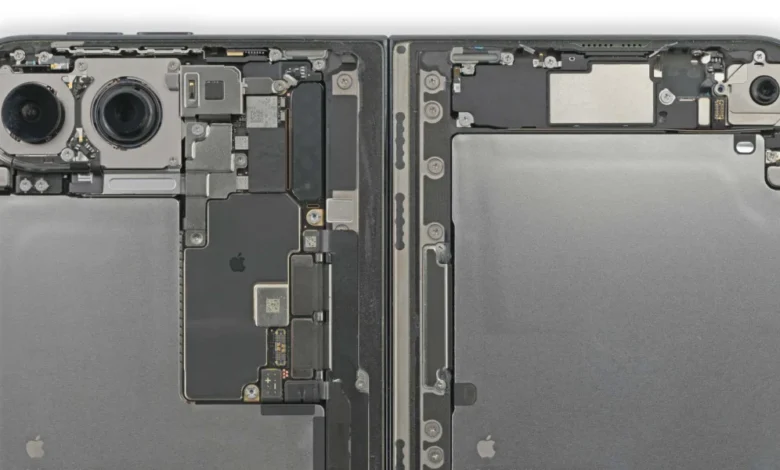
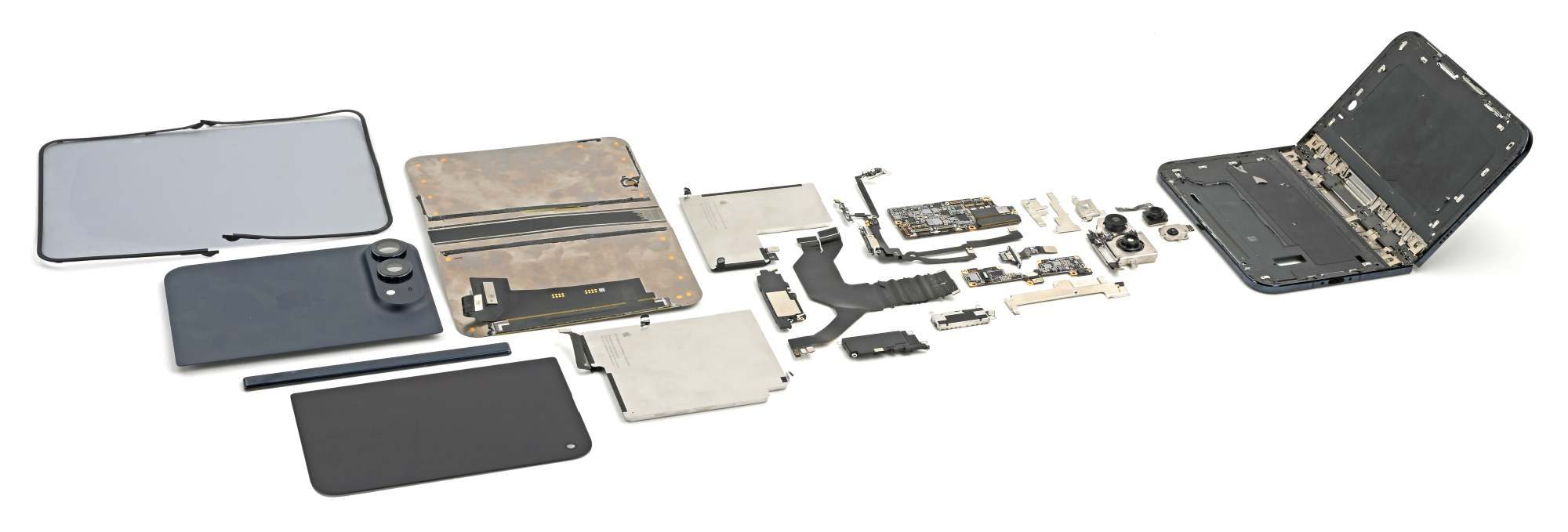
The highly anticipated disassembly of Apple’s inaugural foldable smartphone, the iPhone Duo, has provided the public with an unprecedented look at the engineering architecture powering the company’s most ambitious hardware transition in a decade. Conducted by the repair experts at iFixit, the comprehensive teardown offers a detailed analysis of the device’s complex hinge mechanism, display technology, and internal component layout. While the report highlights Apple’s significant strides in modular design and user-serviceability, it also shines a technical light on the reported screen failures currently affecting early adopters.
A Landmark Score for Repairability
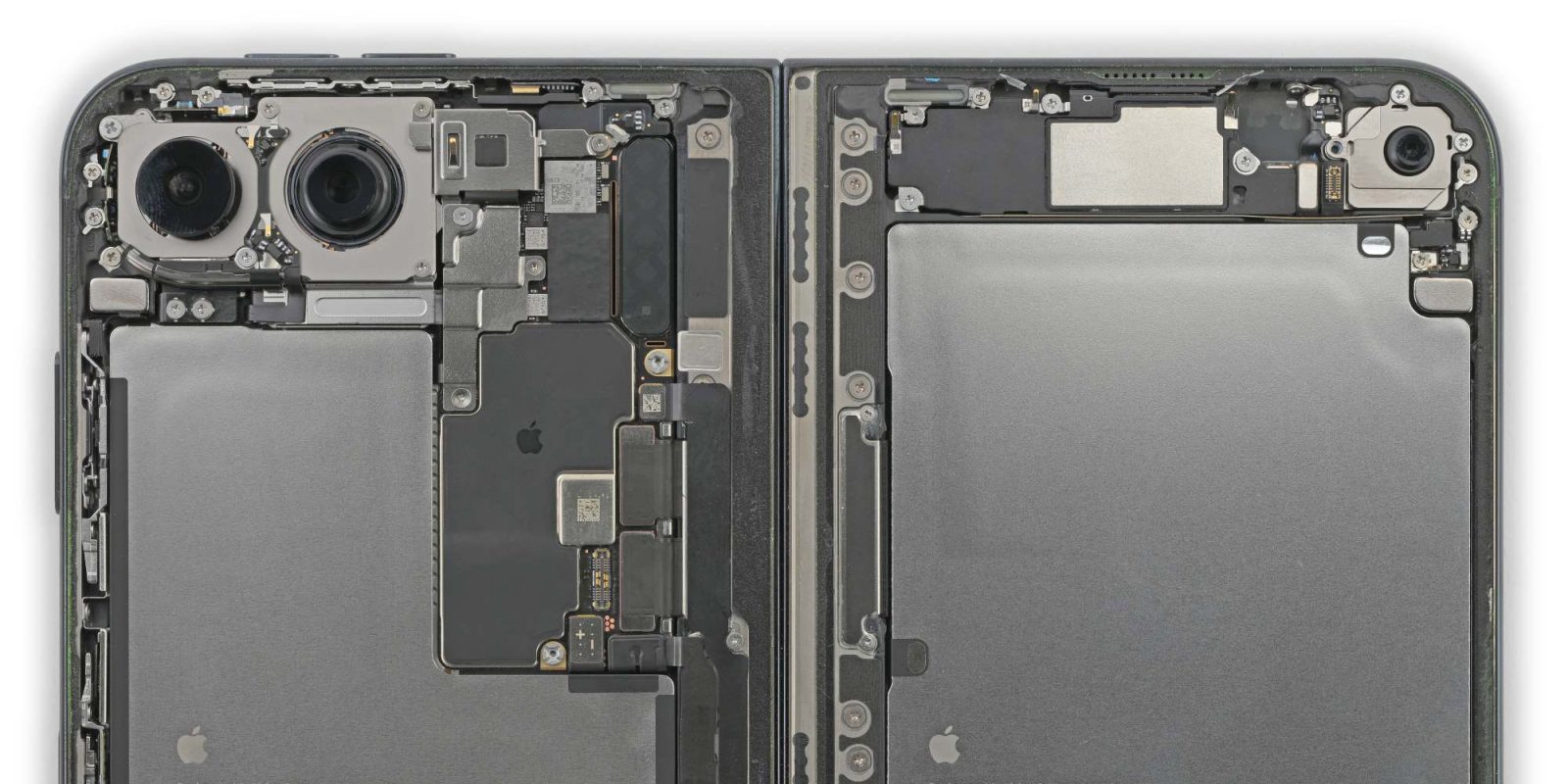
In a notable departure from the historical trend of difficult-to-repair foldable smartphones, the iPhone Duo has achieved a repairability score of 5 out of 10. While this figure remains provisional—subject to the availability of official Apple replacement parts and diagnostic software—it stands as the highest mark iFixit has ever awarded a folding handset. For context, previous-generation foldable devices from competitors have frequently scored significantly lower due to the heavy use of permanent adhesives and non-modular board designs.
The inclusion of electrically releasable adhesive for the dual-battery configuration is a major contributor to this score. By allowing the two battery cells—rated at 11.567 Wh and 7.506 Wh, respectively—to be removed without the use of high-heat tools or excessive force, Apple has set a new benchmark for internal maintenance in the foldable category.
Chronology of the Development and Launch
The journey to the iPhone Duo began years before its October 2026 release, with numerous patent filings indicating that Apple was meticulously studying hinge durability and crease mitigation. Since the initial rumors of a "folding iPhone" began circulating in early 2023, the industry has closely watched Apple’s progress.
- 2023–2024: Patents emerge detailing "waterdrop" hinge designs and flexible display support structures.
- Early 2026: Apple confirms the development of its new mobile form factor, emphasizing long-term durability.
- October 2026: The iPhone Duo is officially released to the public.
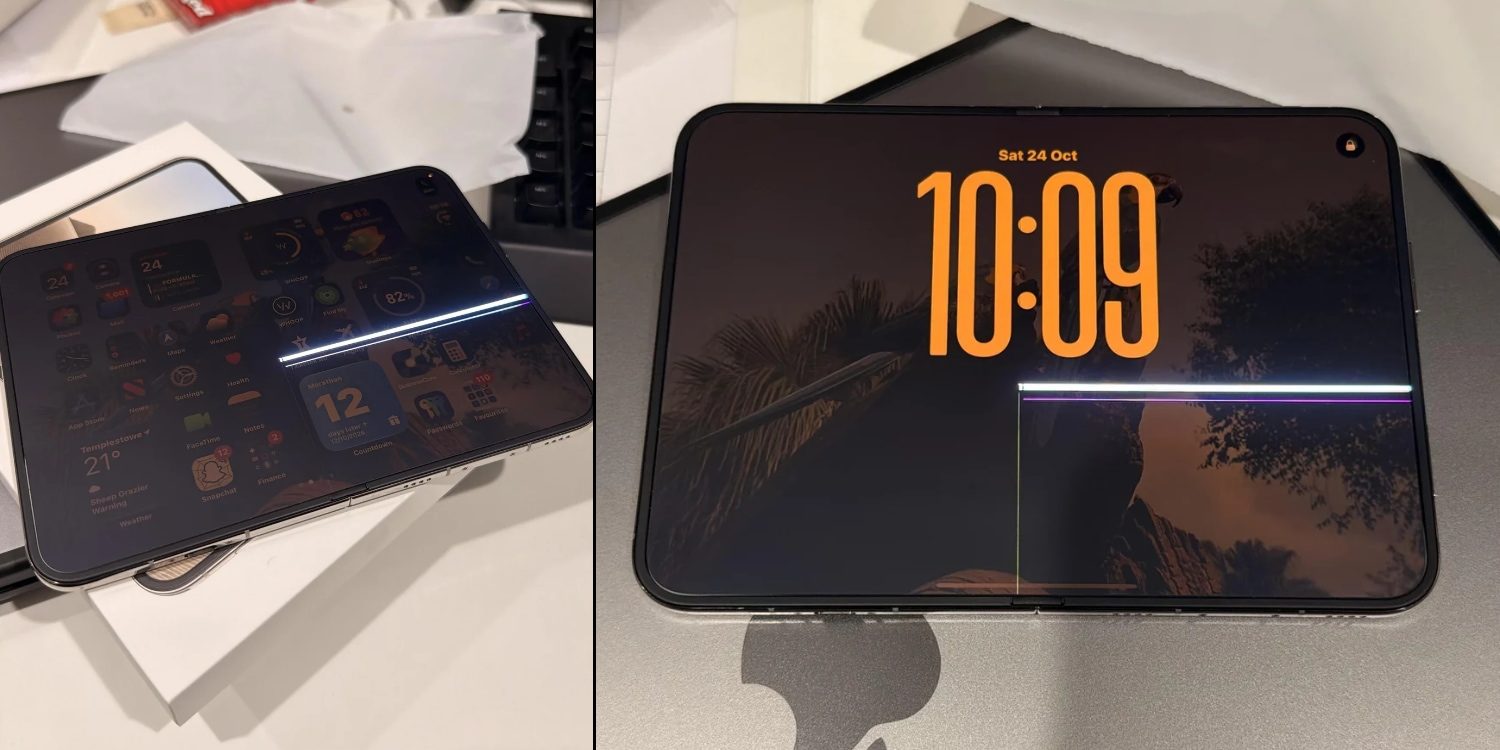
- Late October 2026: Initial reports surface on social media and support forums regarding "crunching" noises and vertical display lines, prompting a rapid response from the repair community.
- Current Status: The release of the iFixit teardown provides the first independent forensic evidence regarding the root cause of these reported defects.
Engineering the Hinge and Display
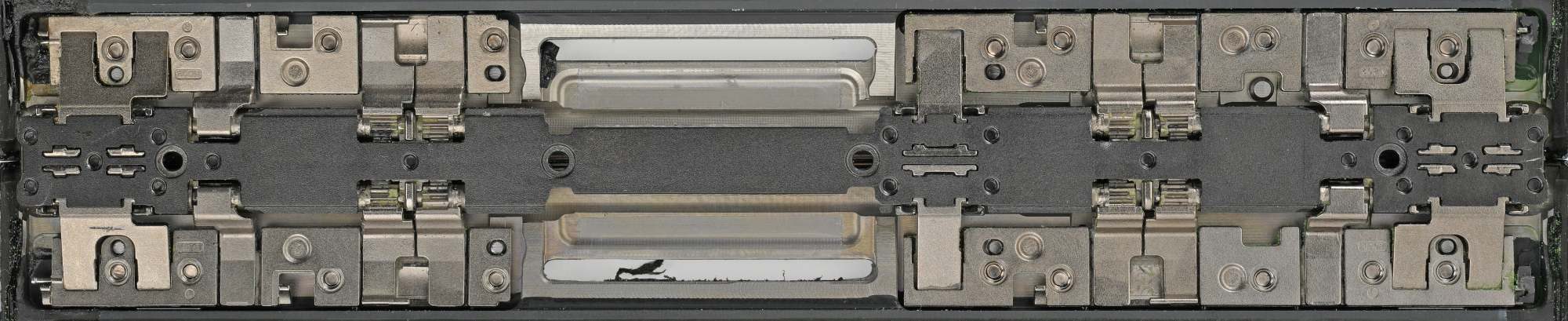
The central focus of the teardown was the proprietary hinge, which utilizes an intricate array of gears, springs, and precision-engineered metal joints. Unlike many competitors that utilize simpler friction hinges, Apple’s design incorporates a sophisticated waterdrop mechanism. This geometry ensures that the display follows a larger, more gradual arc when the device is closed, significantly reducing the mechanical stress placed on the OLED layers.
However, the teardown also identified potential points of failure. Through the use of CT scanning and 3D modeling, iFixit researchers identified that a central support bar—intended to provide a flat surface for the screen—may occasionally fail to retract fully. If this component remains engaged during the closing motion, it could exert concentrated pressure on the delicate flexible display. Furthermore, the teardown noted that several structural rails and internal connectors converge in the exact region where many users have reported screen malfunctions, suggesting that the current iteration may be sensitive to slight manufacturing tolerances or debris ingress.
Analysis of Display Innovations
Beyond structural concerns, the teardown provided an in-depth examination of the screen’s unique surface treatment. Apple has implemented a "nano-texture" layer that, under microscopic inspection, reveals a pattern of minute, rounded bumps. These features are designed to scatter ambient light, effectively masking the physical crease that has plagued earlier foldable devices.
Furthermore, the pixel architecture displays a non-uniform, oval-shaped subpixel arrangement. This is a deliberate design choice aimed at minimizing diffraction artifacts that often occur when light passes through a folding display. By varying the orientation of these pixels, Apple has created a visual experience that remains consistent even at the fold, demonstrating a level of optical engineering that surpasses standard mobile display manufacturing.
The Impact of Dust and Environmental Resistance
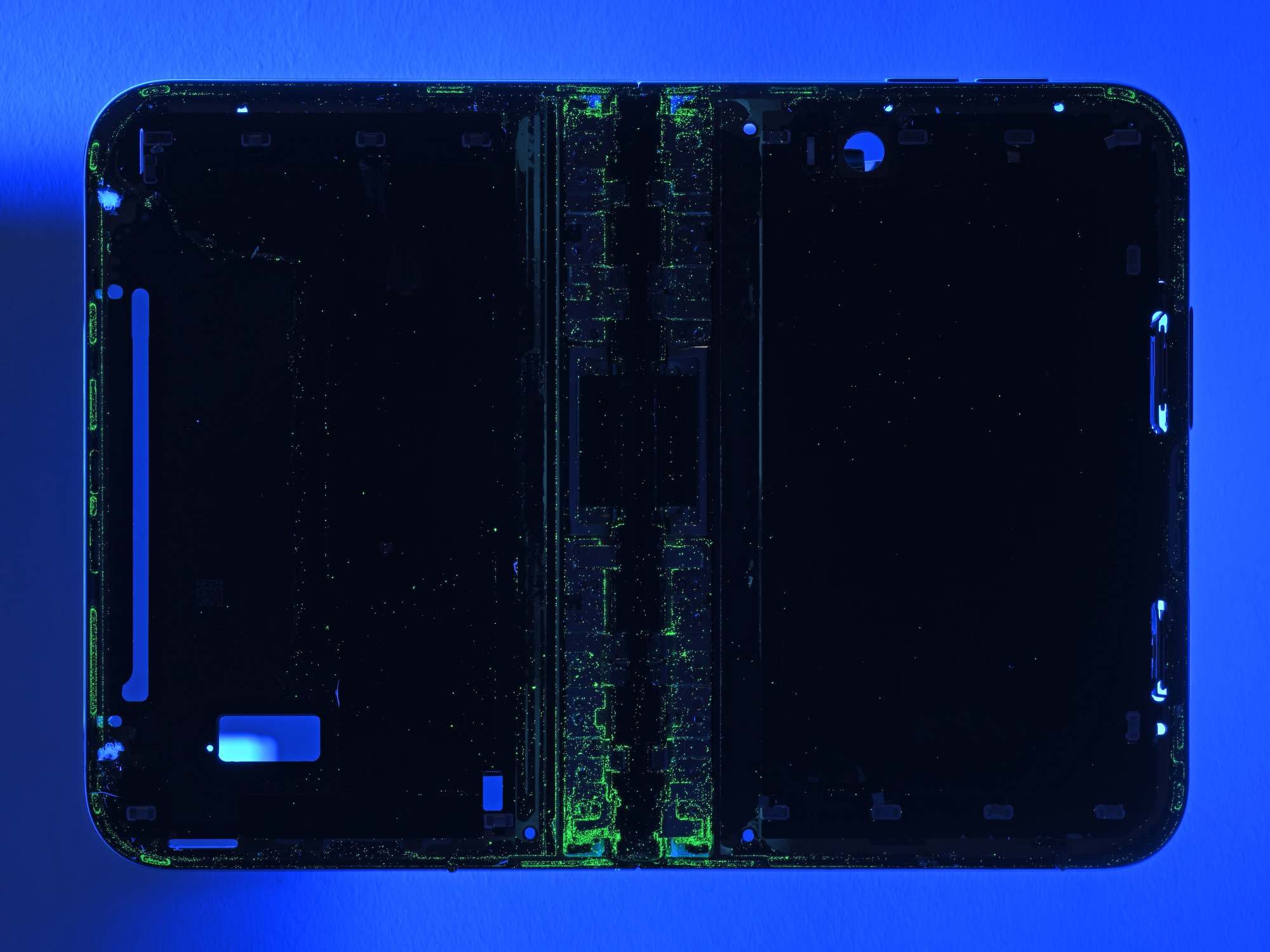
The iPhone Duo retains an IP68 ingress protection rating, a feat that is notoriously difficult to achieve in devices with moving, mechanical hinges. iFixit’s "fluorescent dust test" confirmed the efficacy of the seals; while the hinge emitted a audible "crunch" after exposure to particulate matter, the amount of dust that actually reached the internal mechanisms was remarkably low. This suggests that the external seals are functioning as intended, though the audible feedback may be a byproduct of the tight tolerances within the hinge tracks.
Broader Industry Implications
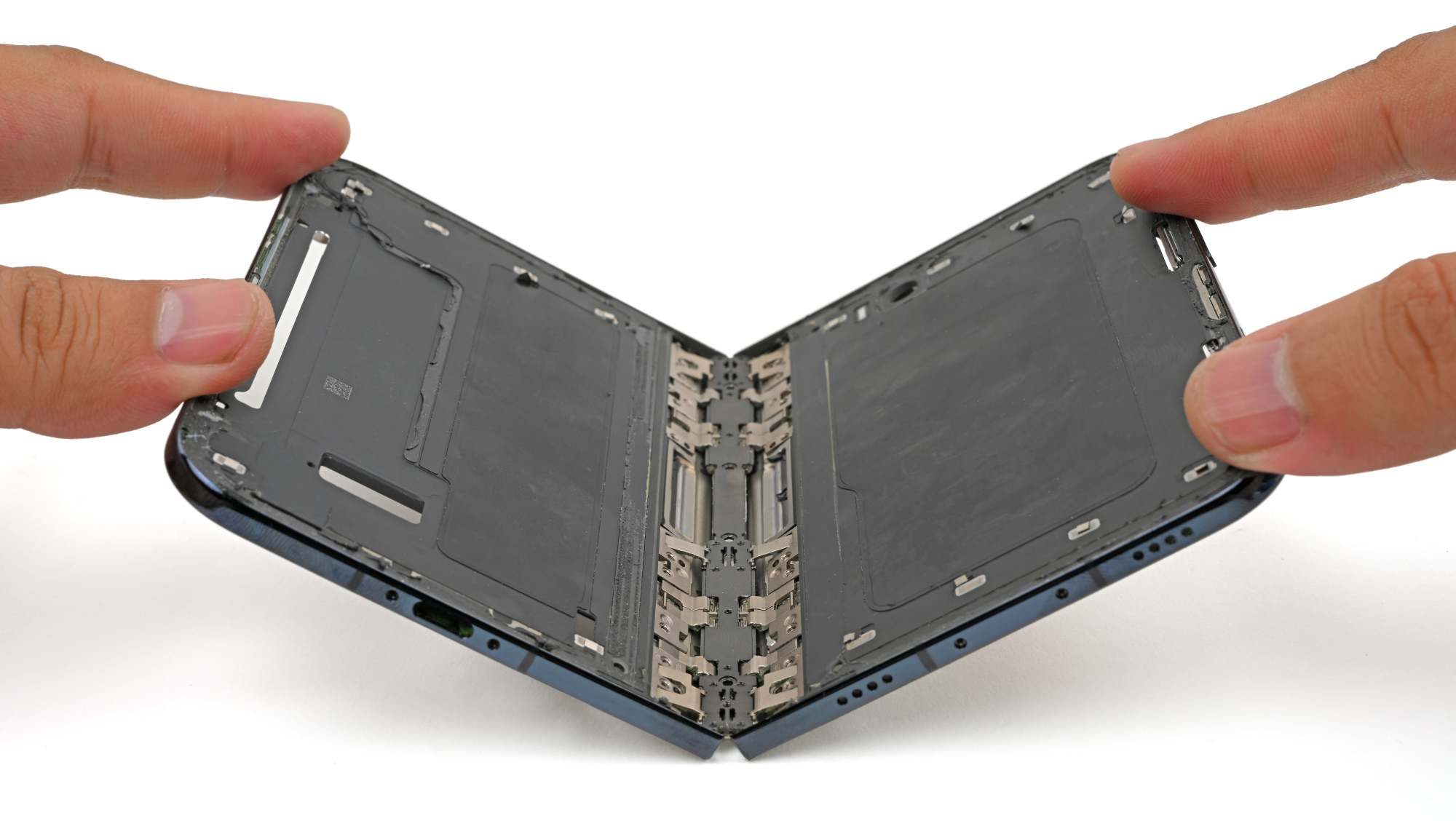
The repairability of the iPhone Duo has significant implications for both consumers and the broader consumer electronics industry. By designing a foldable device that allows for the independent removal of the outer display, the logic board, and the batteries, Apple is signaling a shift toward more sustainable hardware lifecycles. This approach aligns with emerging "Right to Repair" legislation in the European Union and several U.S. states, which require manufacturers to ensure that devices can be serviced by independent shops and owners alike.
However, the reported screen issues present a critical challenge for Apple. While the company has not yet issued a formal public statement addressing the "crunching" reports, the engineering data provided by the teardown suggests that the problem is not necessarily a design flaw but perhaps an issue of assembly consistency or mechanical calibration. If Apple can address these structural concerns through revised manufacturing protocols, the iPhone Duo could serve as the foundation for a long-lasting and reliable new product line.
Conclusion
The iFixit analysis of the iPhone Duo paints a picture of a device that is as complex as it is refined. It represents a significant leap in foldable hardware, combining best-in-class repairability with advanced optical engineering. While the early reports of screen failures serve as a reminder of the inherent risks associated with early-generation foldable technology, the underlying design suggests that Apple has built a platform capable of evolution. For the consumer, the takeaway is clear: the iPhone Duo is a triumph of internal organization and maintenance, provided that the structural challenges currently identified by the repair community are resolved through future hardware revisions. As the market for foldable smartphones continues to mature, the iPhone Duo will undoubtedly serve as a case study in how to balance cutting-edge form factors with the necessary durability required by the modern user.
Related posts: