Topping DX1 II Review: A Feature-Packed Desktop DAC and Headphone Amp That Elevates Personal Audio

The desktop audio market has experienced a significant renaissance over recent years, driven largely by the transition to remote work, the proliferation of high-resolution music streaming services, and the growing popularity of premium wired headphones. Consumers are no longer satisfied with the mediocre integrated audio processing found on standard laptops and motherboards. Into this crowded and highly competitive landscape steps the Topping DX1 II, a thoroughly updated iteration of the Chinese audio manufacturer’s popular entry-level digital-to-analog converter and headphone amplifier. Priced accessibly at $119 in the United States, £119 in the United Kingdom, and approximately AU$169 in Australia, the DX1 II aims to bridge the gap between affordable desktop audio peripherals and high-end audiophile performance.
Design and Build Quality: Premium Aesthetics in a Compact Footprint
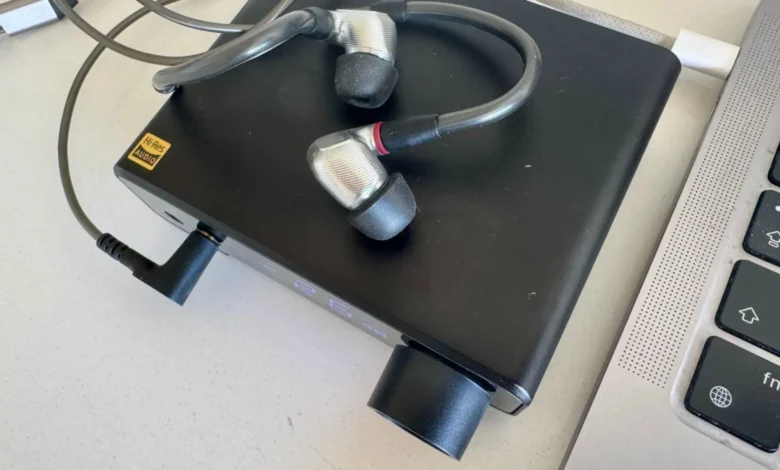
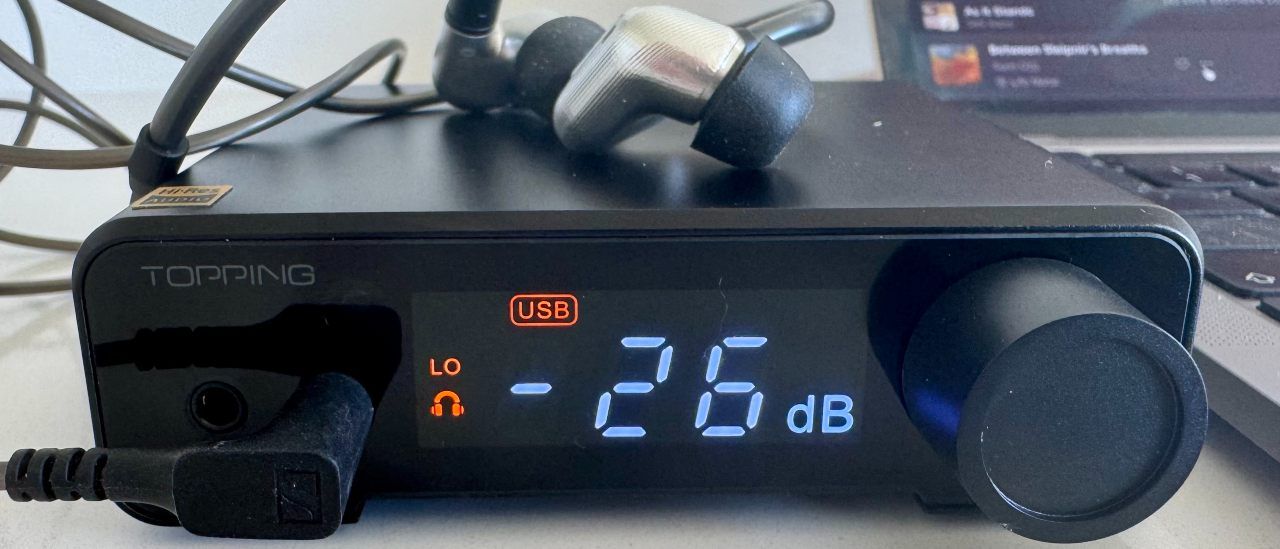
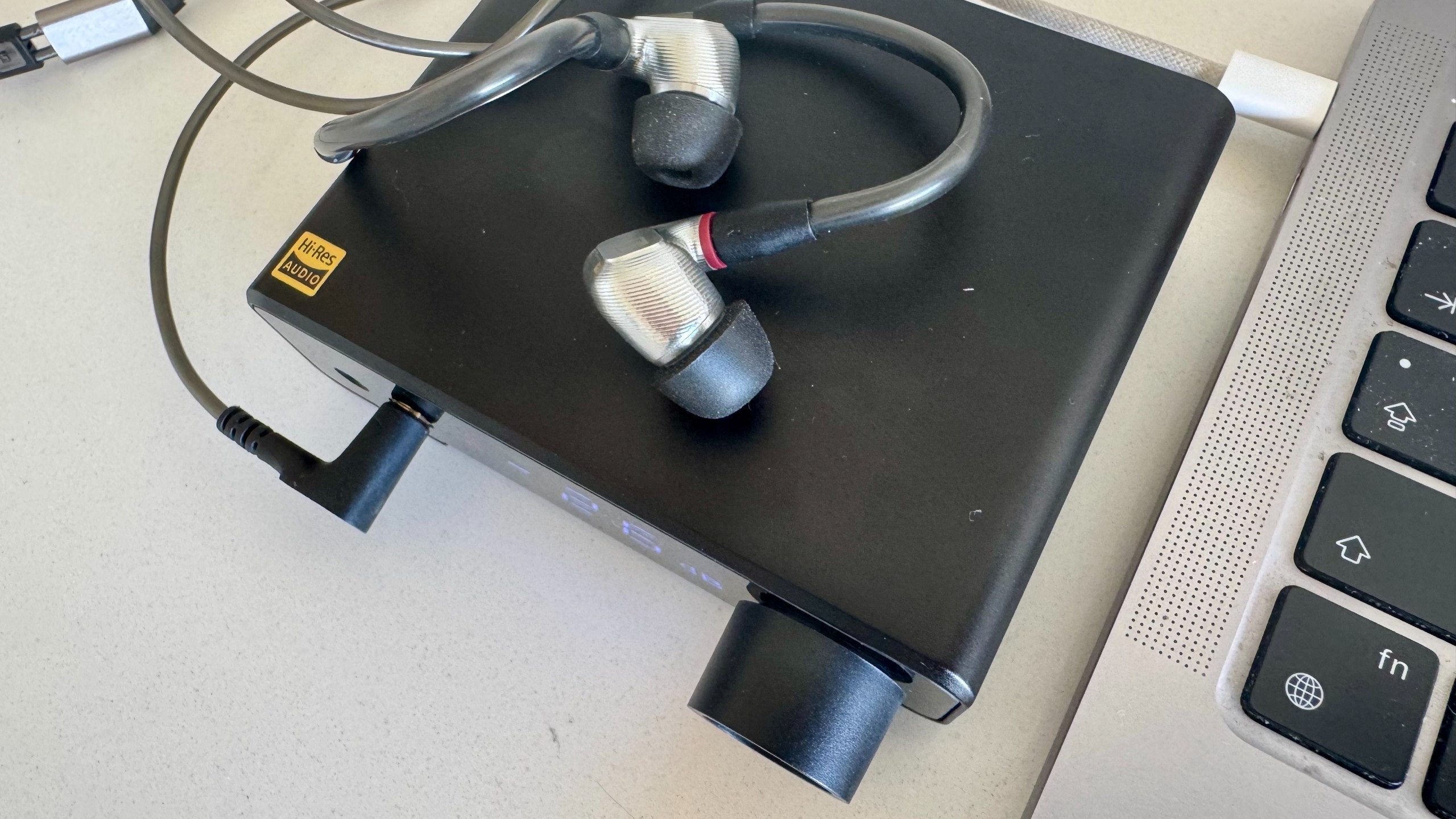
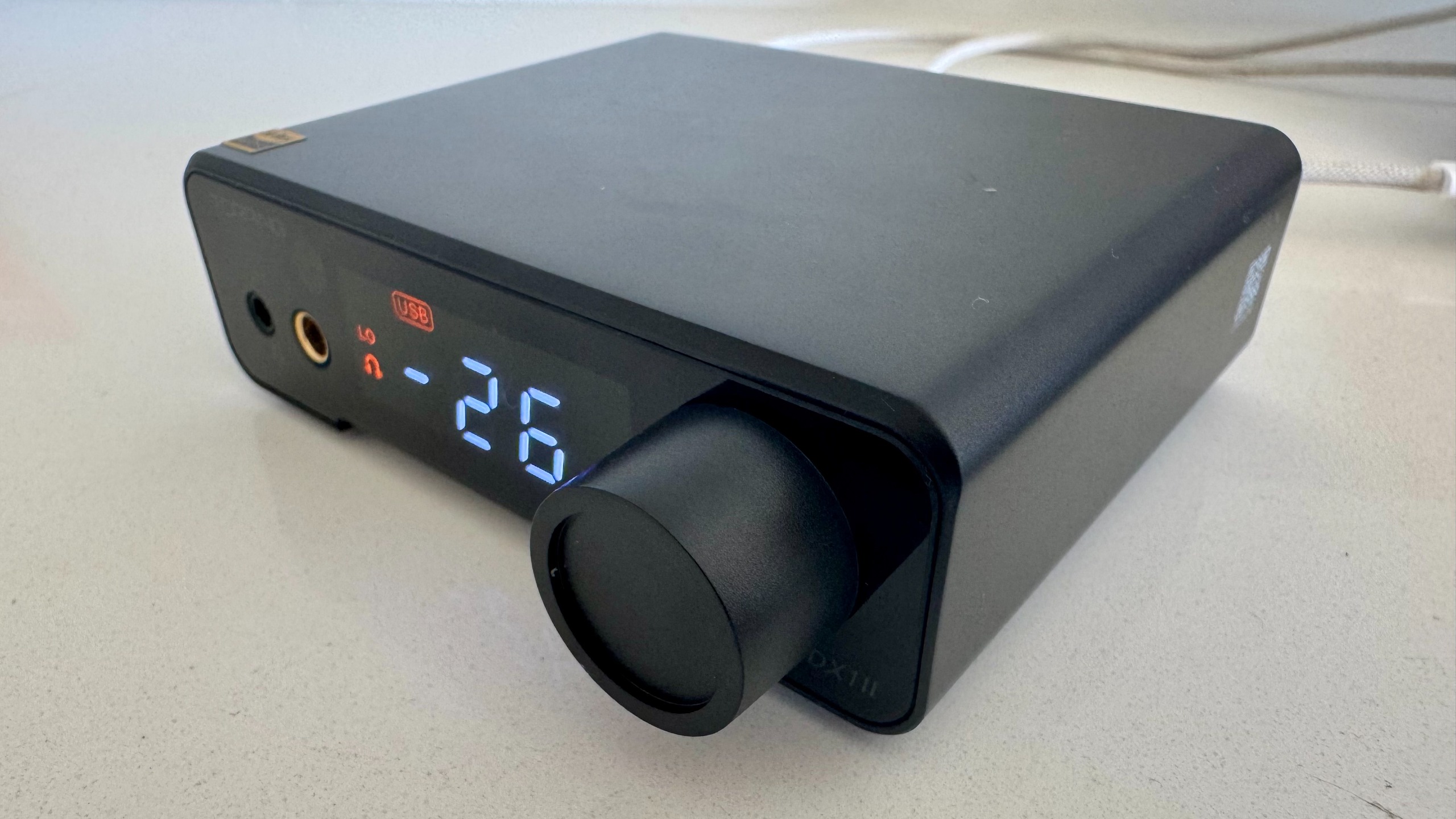
Measuring a modest 32 x 100 x 100mm (HxWxD) and tipping the scales at just 275 grams, the Topping DX1 II is engineered to occupy minimal space on a crowded desk or equipment rack. Despite its compact dimensions, the device avoids feeling flimsy or cheap. Its chassis is constructed primarily from machined aluminum, boasting smoothly rounded edges that prevent any sharp corners.
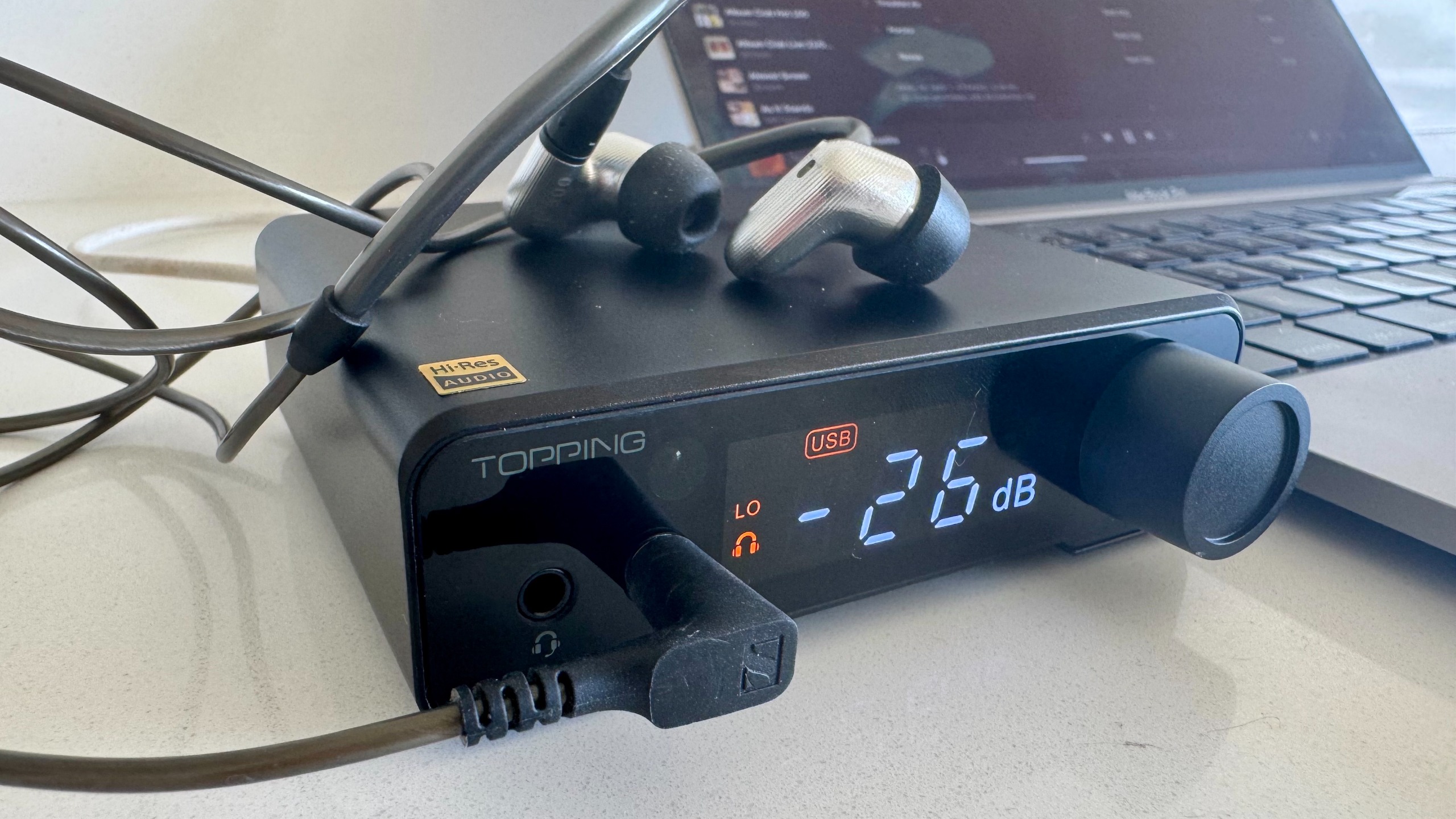
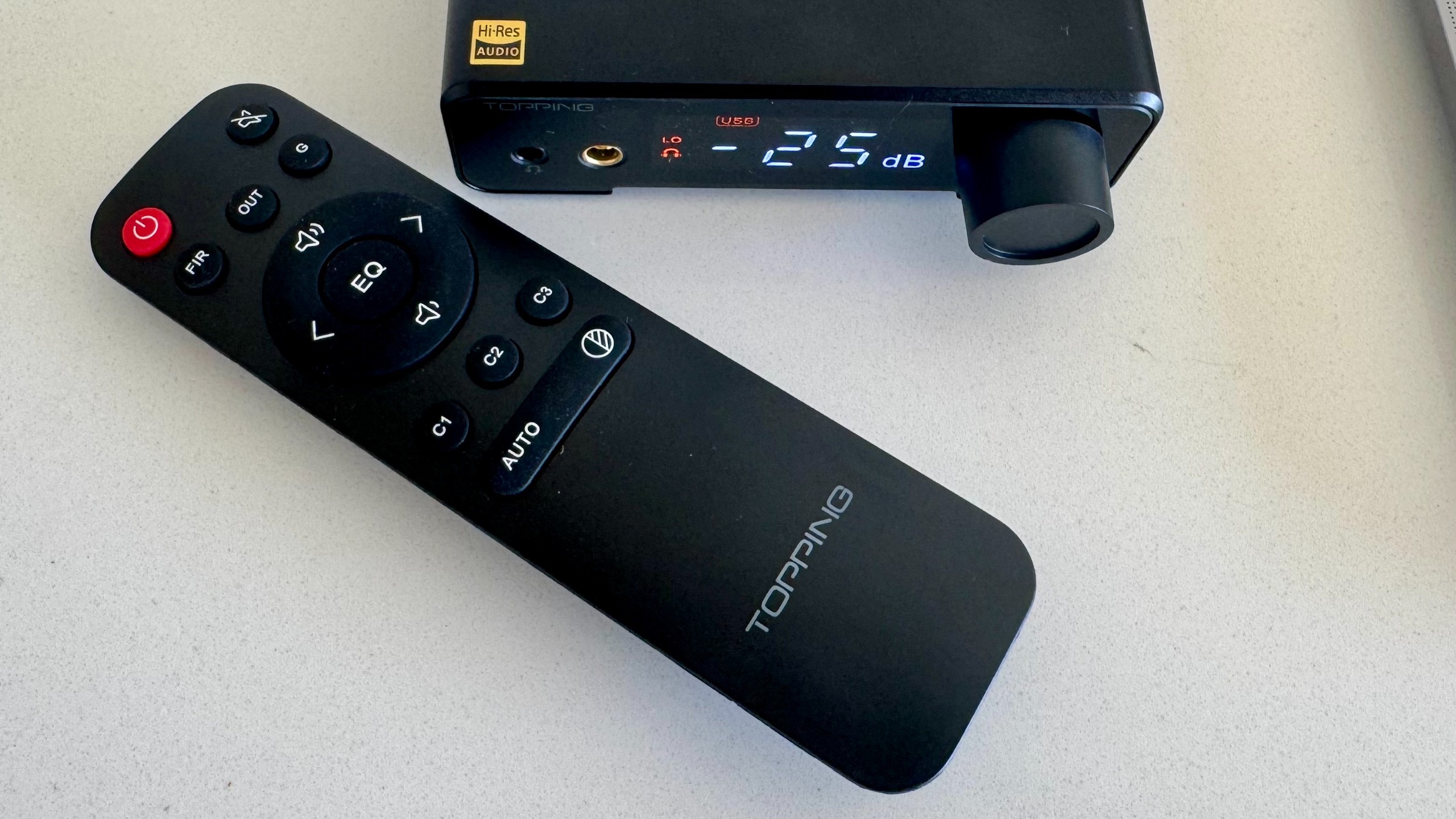
The aesthetic execution punches well above its three-figure price tag, giving it a tactile advantage over many comparable rivals in the budget desktop audio category. The front fascia is dominated by a crisp, highly legible LED display that communicates essential operational metrics, including current volume levels, active inputs, and sampling rates. While the inclusion of a multi-function turn-and-press dial on the front panel offers basic utility for volume and input selection, Topping has thoughtfully bundled a dedicated remote control handset. This remote proves invaluable when navigating the device’s more advanced features, such as digital filters and parametric equalization settings, bypassing the potential frustrations of an overworked physical rotary dial.
Architecture and Technical Specifications
Topping has equipped the DX1 II with an impressive array of hardware components that routinely appear in significantly more expensive audio gear. At the heart of the unit lies the ESS ES9039Q2M DAC chipset, implemented within a dual-DAC architecture. This design assigns a dedicated digital-to-analog converter to each stereo channel, ensuring fully independent processing designed to minimize inter-channel crosstalk, noise, and total harmonic distortion.
Signal processing is managed by a robust 16-core XMOS XU-316 microcontroller, facilitating high-resolution audio playback up to 32-bit/384kHz PCM alongside native DSD256 support. Connectivity options are exceptionally comprehensive for a device of this size. Digital audio can be routed into the unit via a rear-mounted optical input or a versatile USB-C port, which simultaneously supplies both data transmission and power.
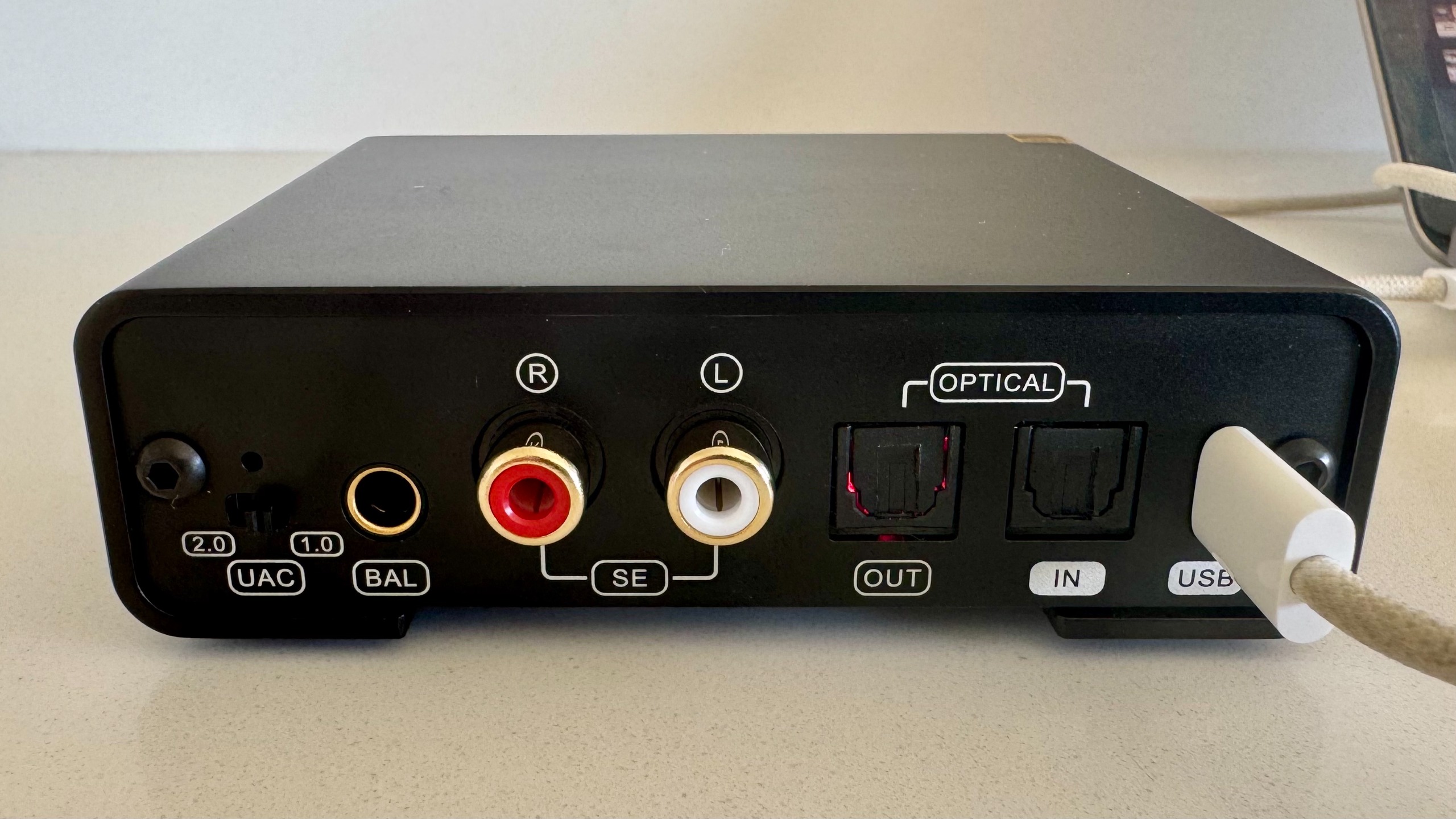
Output flexibility is another notable strength. The DX1 II features an unbalanced 3.5mm headphone jack, a balanced 4.4mm headphone output, and a dedicated 4.4mm balanced line-level output intended for connecting to active studio monitors, power amplifiers, or external stereo systems. Furthermore, a traditional set of stereo RCA outputs is provided for standard analog connectivity. A rear-mounted toggle switch allows users to alternate between UAC 1.0 and UAC 2.0 protocols, guaranteeing compatibility with specialized gaming hardware such as the Nintendo Switch and Sony PlayStation 5.
Software Integration and User Customization
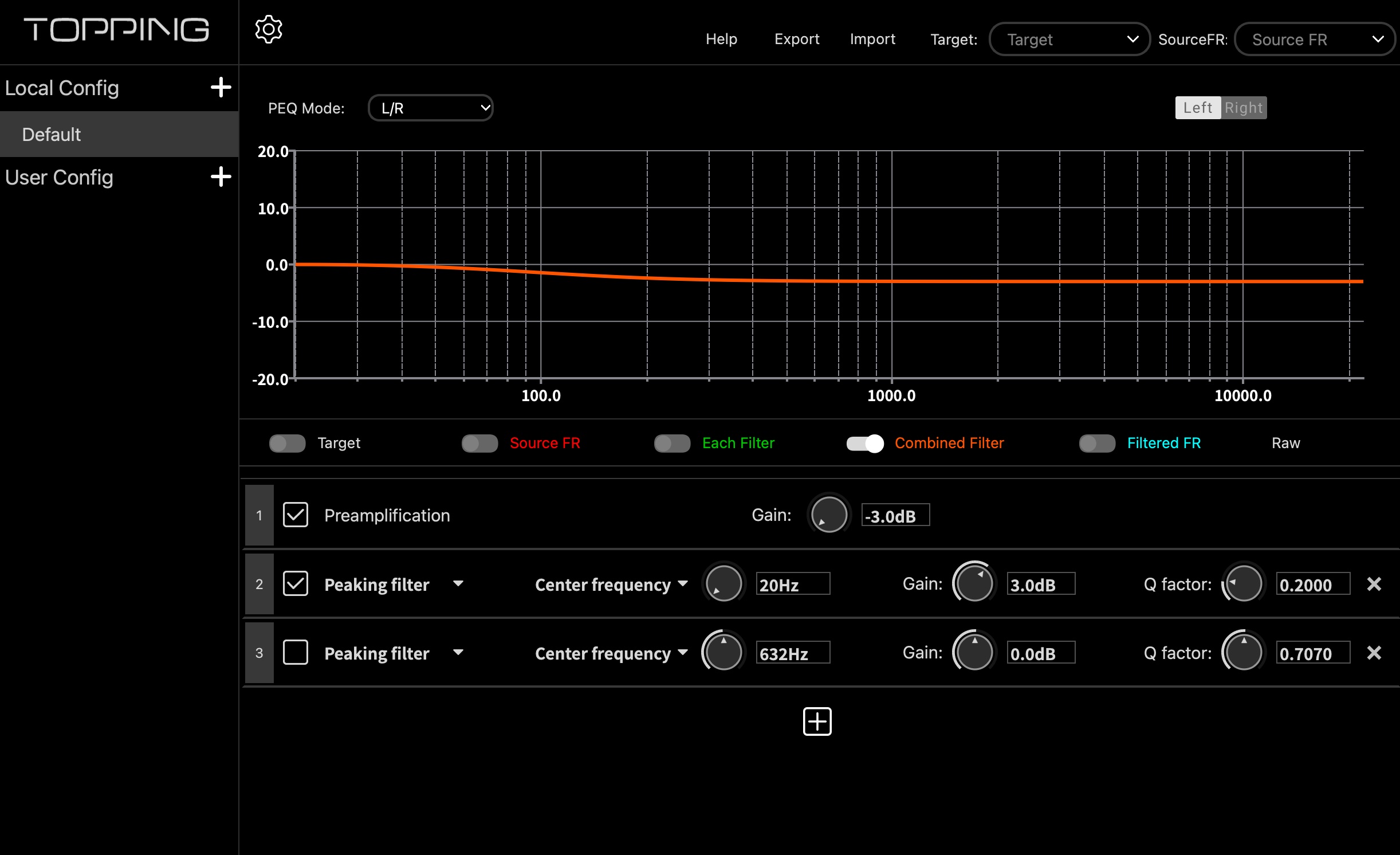
One of the standout attributes of the Topping DX1 II is the degree of performance tuning it affords the end-user. By connecting the DAC to a host computer via USB, users gain access to Topping’s browser-based "Home Web" platform and the downloadable "Topping Tune" application.
The Home Web portal allows listeners to adjust device gain structures and toggle between eight distinct digital reconstruction filters. Meanwhile, Topping Tune introduces a drag-and-drop graphical user interface for configuring Parametric Equalization (PEQ). This robust software suite grants precise control over frequency, gain, and bandwidth across a 10-band equalizer, with independent adjustments available for both the left and right channels. These custom profiles can be saved directly to the device and applied across all outputs, offering a level of DSP flexibility rarely seen at this price point.
Sonic Performance and Listening Evaluation
When introduced into a desktop signal chain—such as sitting between an Apple MacBook Pro and a pair of wired IEMs or over-ear headphones—the Topping DX1 II delivers an immediate and profound upgrade over native motherboard audio.
Listening to high-resolution FLAC files reveals the DX1 II’s exceptional proficiency in detail retrieval. The unit demonstrates an acute awareness of low-level micro-dynamics, capturing subtle harmonic overtones, room acoustics, and sharp transients with confidence. Its fundamental tonal balance is natural, pleasant, and notably laid-back, favoring a fatigue-free listening experience over aggressive analytical presentation.
However, rigorous evaluation highlights a few operational compromises. The DX1 II exhibits a slight limitation in headroom, which tends to compress the expansive distance between quiet passages and explosive dynamic peaks in heavily layered recordings. Additionally, the unit displays a mild tendency to roll off extreme high frequencies. While treble extension is adequate, it lacks the crisp bite and assertive sparkle preferred by listeners who prioritize an ultra-revealing high-end.
Conversely, the device excels in temporal precision and rhythm. Low-frequency management is tight and disciplined, granting basslines a strong sense of agility and fluid pacing. The soundstage is notably wide and well-organized, providing complex mixes with ample breathing room. Crucially, the DX1 II maintains consistent sonic behavior across varying volume levels, preserving its tonal integrity whether playing at whispered late-night volumes or driving power-hungry headphones hard.
Market Position and Competitive Landscape
Priced at $119, the Topping DX1 II occupies a fiercely contested bracket of the personal audio market. It is positioned slightly above ultra-portable dongle DACs like the iFi Go Link Max and transportable options like the iFi Uno, yet it undercuts bulkier, premium solutions like the iFi iDSD series.
While its out-of-the-box acoustic profile has minor limitations in dynamic range and top-end sparkle, the sheer breadth of its hardware specification, robust build quality, balanced connectivity, and comprehensive DSP software make it an extraordinarily strong contender. For consumers looking to transition from basic laptop audio to a sophisticated, highly customizable desktop listening station, the Topping DX1 II establishes a compelling value proposition that is difficult to ignore.