
Elegoo, a brand historically celebrated for pioneering accessible, hobbyist-grade resin and filament 3D printers, is undergoing a profound corporate and manufacturing transformation. The company’s latest generation of hardware reflects a decisive shift toward high-end engineering, premium material selection, and rigorous design standards. Spearheading this evolution is the Elegoo M1 Ultra, a handheld professional 3D scanner designed to compete directly with established industry heavyweights such as Creality. Retailing at $1,699 in the United States, £1,399 in the United Kingdom, and €1,699 across Europe, the M1 Ultra challenges the historical dichotomy between high-cost industrial metrology tools and affordable, low-fidelity consumer devices.
Design and Ergonomics
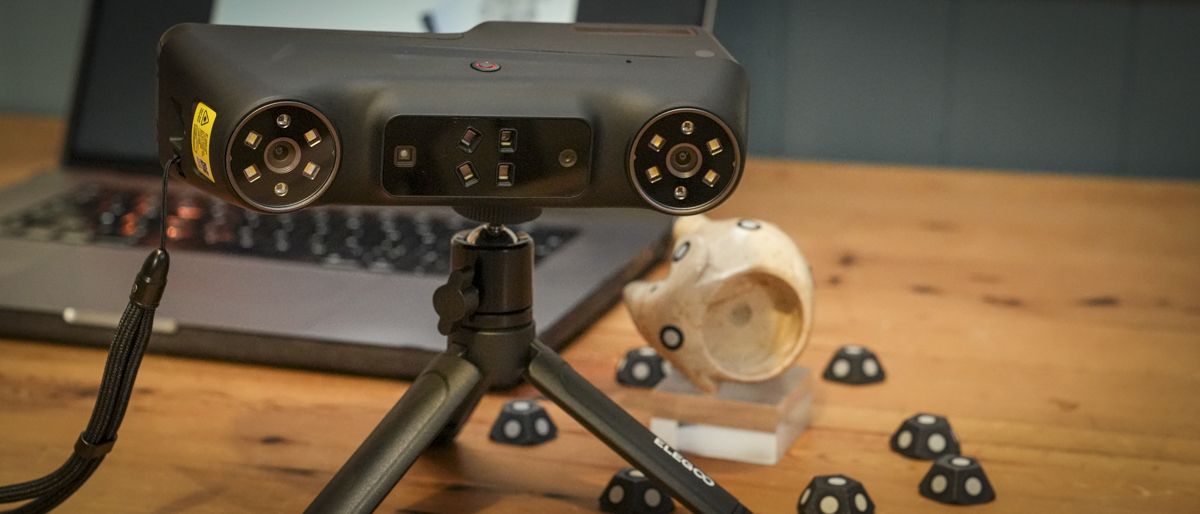
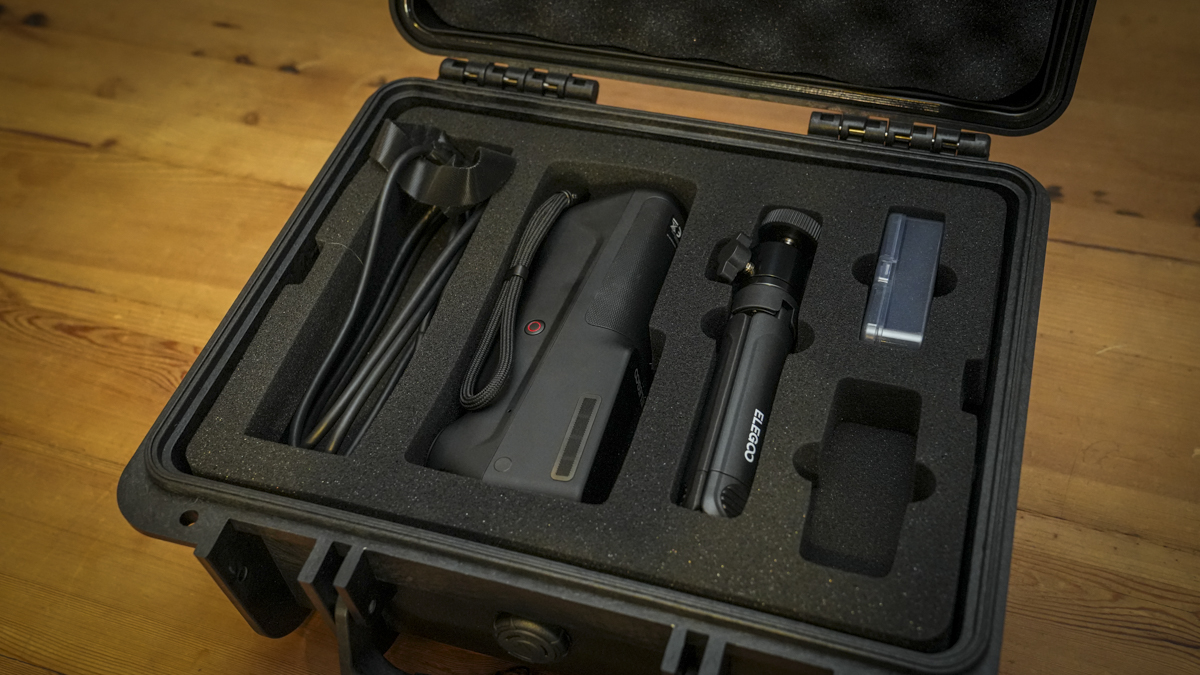
Upon opening the rigid, protective hard case—which mirrors the industrial storage solutions standard among contemporary metrology tools—the immediate impression of the M1 Ultra is one of robust, premium craftsmanship. Weighing a mere 511 grams including its removable battery, the device achieves a balanced, ergonomic profile well-suited for extended operational sessions. The housing incorporates a partial rubberized grip, offering high tactile purchase that mitigates hand fatigue during intricate, multi-angle scanning routines.
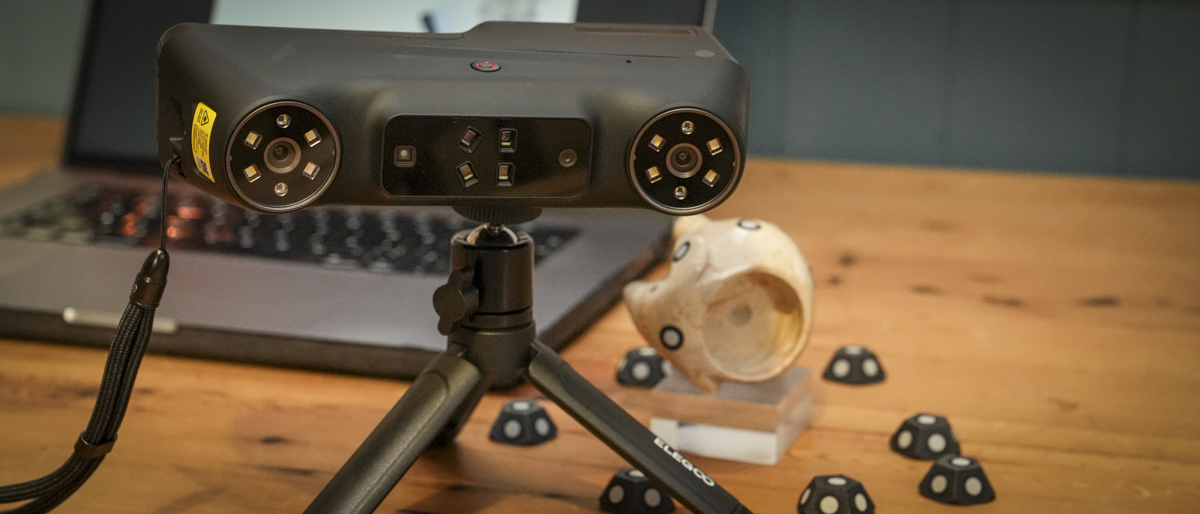
While reviewers noted that a slightly extended handle could further improve ergonomics, the physical architecture remains highly refined. The optical array on the front face cleanly integrates blue laser emitters, infrared structured-light sensors, and high-resolution cameras. Furthermore, a 3-inch high-definition touchscreen display dominates the upper chassis. This display functions as more than a simple settings monitor; when operating wirelessly, it provides a real-time scan preview, allowing operators to adjust exposure parameters, monitor point-cloud density, and review on-board user guides without constantly referencing an external workstation monitor.
Hardware Specifications and Scanning Configurations
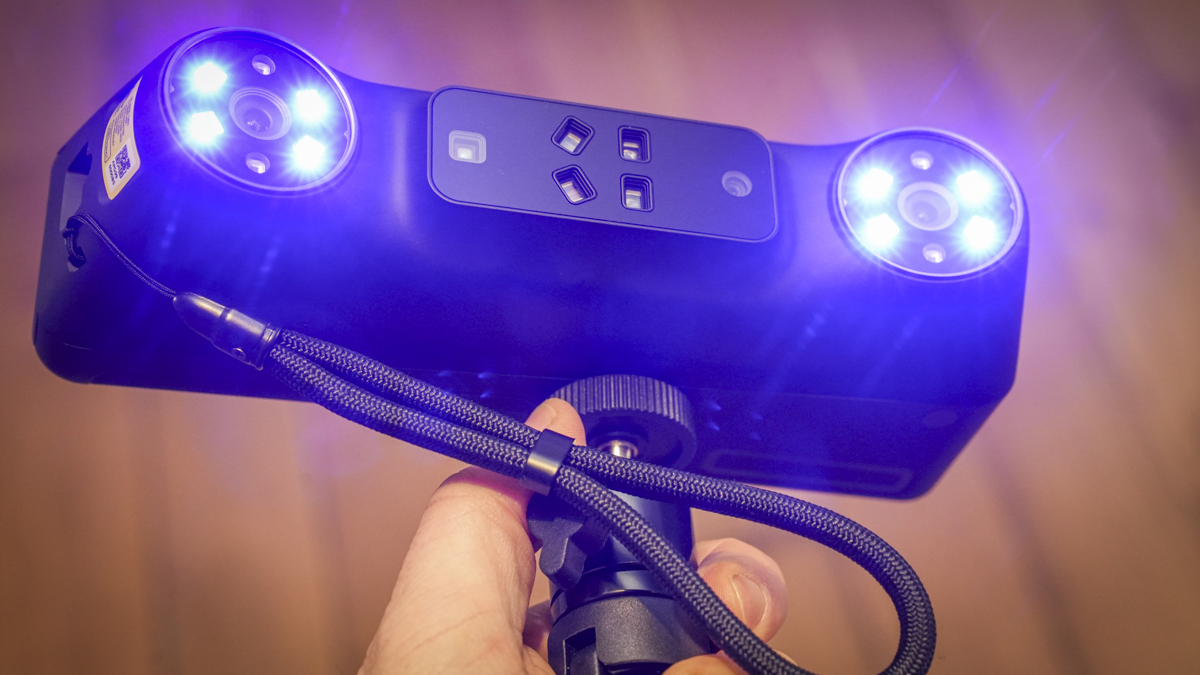
The engineering philosophy behind the M1 Ultra centers on versatility, accommodating a wide spectrum of object scales and material types through five distinct scanning configurations. The hardware architecture integrates both blue laser and infrared structured-light modalities, yielding an impressive operational envelope.
In its finest configuration, the 7-line parallel blue laser mode and the 34-line crossed blue laser mode deliver a top-tier scanning accuracy of up to 0.02mm, with a volumetric resolution scaling from 0.05mm to 2mm. This makes the device exceptionally capable when capturing small mechanical parts, recessed apertures, deep holes, and narrow geometric gaps. For larger structures, full human bodies, and organic facial geometry, the infrared structured-light mode takes precedence, utilizing dedicated presets and geometry- or texture-based tracking options. Additionally, a marker-free blue laser mode caters to delicate scenarios where applying adhesive reflective markers is prohibited, such as the digitization of museum artifacts or fragile historical specimens.
Connectivity is handled via USB-C 3.1 for high-speed wired data transfer—achieving frame rates up to 100fps—and Wi-Fi 6 for wireless operation, which supports frame rates up to 60fps. Power is supplied by a hot-swappable 4,800mAh rechargeable battery, rated for up to 90 minutes of continuous field operation, though practical testing generally yields closer to 60 minutes of active use.
Software Workflow and Operational Performance
The proprietary Elegoo Scan software serves as the computational bridge between raw optical data and export-ready polygon meshes. Despite being a first-generation software release running on early-stage firmware, the application exhibits remarkable stability, executing complex data processing tasks without software crashes or memory leaks.
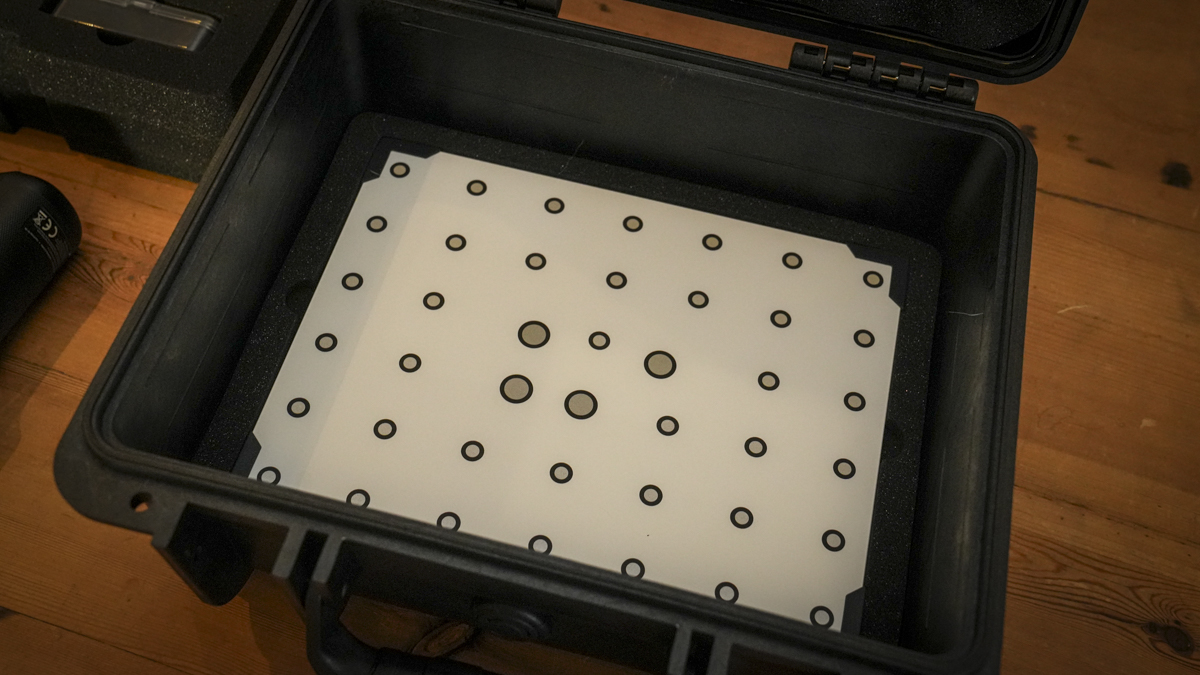
The workflow begins with a streamlined calibration procedure utilizing an included calibration chart, guiding the user through automated sensor alignment routines. Once calibrated, users initiate scans using either a wired USB link or a direct Wi-Fi hotspot connection. While the wireless configuration liberates the operator from tethered cables and enhances mobility around large assemblies, it requires the host computer to disconnect from local network infrastructure, creating minor friction when simultaneous online access is required.
During active scanning, initial point-cloud previews displayed in the software can appear visually sparse or rough. However, upon executing the initial mesh-processing phase—which typically concludes within two minutes depending on model complexity—high-frequency surface details rapidly materialize. The software facilitates intuitive point-cloud cleaning, multi-scan alignment, and mesh optimization before exporting finalized assets into industry-standard formats such as OBJ, STL, and 3MF. These files integrate seamlessly into external downstream pipelines, including CAD software for reverse-engineering brackets and enclosures, or Blender for digital sculpting and modification.
Market Implications and Industry Context
The launch of the M1 Ultra arrives at a critical juncture for the 3D capture and additive manufacturing sectors. As consumer 3D printers achieve unprecedented levels of precision and reliability, the bottleneck in rapid prototyping has increasingly shifted toward digital asset creation. Small businesses, independent engineering firms, educators, and design professionals frequently require reliable methods to translate physical objects into digital CAD models.
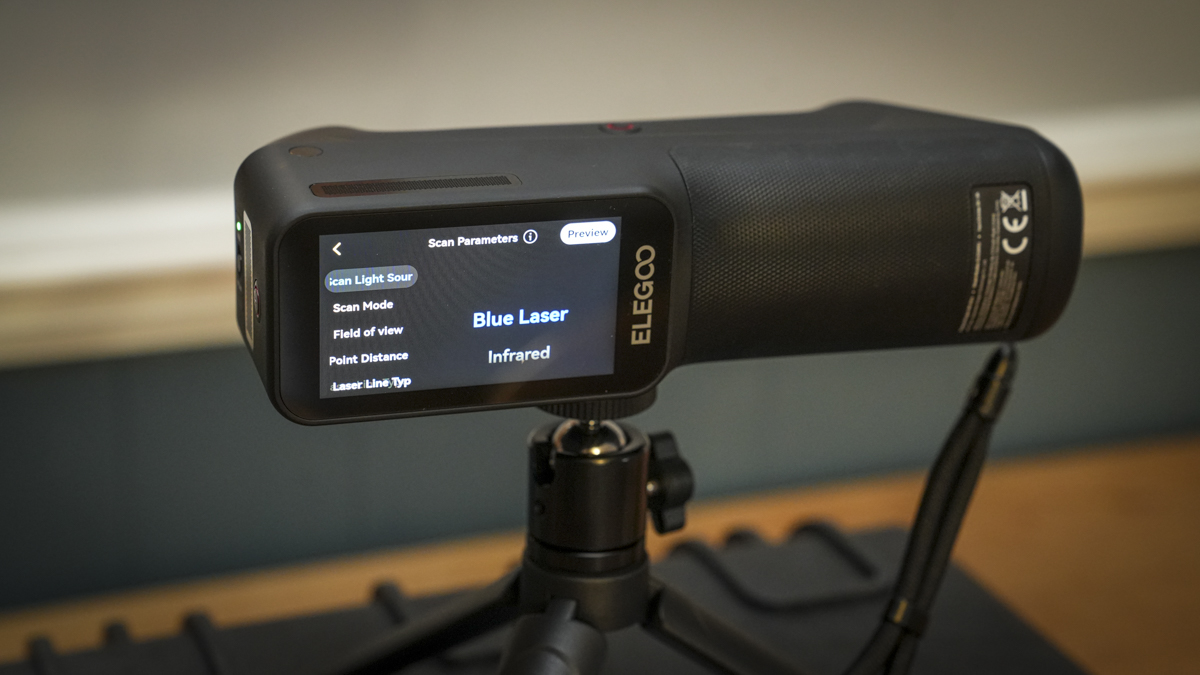
Historically, professional-grade handheld scanners capable of sub-millimeter accuracy commanded five-figure price tags, placing them out of reach for many small-scale operations. By introducing a hybrid blue-laser and infrared system with wireless functionality and sub-0.02mm accuracy at a sub-$2,000 price point, Elegoo is systematically democratizing metrology-grade scanning technology.
Operational Limitations and Best Practices
Despite its advanced capabilities, the M1 Ultra is subject to the physical laws governing optical metrology. Highly reflective metallic finishes, transparent components, and glossy black plastics continue to present challenges for optical sensors, frequently necessitating the application of specialized matte scanning sprays to diffuse light reflection. Furthermore, achieving optimal results relies heavily on proper physical preparation. The implementation of a rotating turntable, acrylic elevation blocks, and strategically placed reflective markers remains essential for maintaining tracking integrity across multiple scan orientations.
Verdict and Value Proposition
The Elegoo M1 Ultra represents a significant departure from the brand’s legacy as a pure hobbyist manufacturer, signaling a successful upward transition into professional-tier hardware development. While minor interface aesthetics retain traces of the company’s consumer-focused origins, the core mechanical build, robust software stability, and exceptional scan fidelity establish it as an extraordinary value proposition. For professionals, makers, and small businesses seeking high-resolution 3D scanning without prohibitive capital expenditure, the M1 Ultra stands out as one of the most compelling hardware releases in its class.