The high-end audio market has long walked a tightrope between nostalgic design and cutting-edge performance, and British hi-fi heritage brand Leak is the latest manufacturer to test this balance. The newly released Leak TruStream network music player brings the company’s signature mid-20th-century walnut and aluminum aesthetic into the modern era of streaming audio. Arriving on shelves in April 2026, the TruStream hits the market at a competitive price point of £999 in the United Kingdom, approximately $1,499 in the United States, and around AU$2,199 in Australia. Positioned squarely within the mid-to-high-end tier of consumer audio equipment, the device targets audiophiles who demand contemporary connectivity without sacrificing vintage interior styling.
Background and Market Context
Leak, a storied name in British audio engineering originally founded in 1934 by Harold Joseph Leak, has experienced a successful brand renaissance in recent years. Known historically for pioneering low-distortion amplifiers and iconic styling, the modern iteration of the brand under parent company IAG has leaned heavily into its mid-century modern heritage. Previous modern releases, such as the Stereo 130 amplifier and CDT CD transport, proved that consumers still harbor a strong appetite for real wood casework paired with brushed aluminum facias.
The launch of the TruStream expands this design philosophy into the rapidly growing network streaming sector. However, entering the market in 2026 places Leak in direct competition with entrenched audio heavyweights. Direct rivals include the Cambridge Audio CXN100, retailing at £899 / $1,099, and Yamaha’s line of compact hi-fi streamers, such as the WXC-70 priced at £859. At the ultra-luxury end, offerings like Nagra’s Compact Streamer, launched in March 2026 at a staggering £6,000, highlight the extreme breadth of the current streaming landscape. Amidst these competitors, Leak attempts to carve out a unique space by offering distinct physical craftsmanship and a curated feature set.
Internal Architecture and Connectivity
While the exterior of the TruStream is a deliberate throwback to the 1960s, its internal components are thoroughly modern. At the heart of the player’s digital-to-analog conversion is a high-end 32-bit ESS Sabre ES9038Q2M DAC chipset. This robust processing capability allows the TruStream to handle virtually every mainstream and esoteric digital audio file type, supporting resolutions up to 32-bit/768kHz PCM and DSD512.
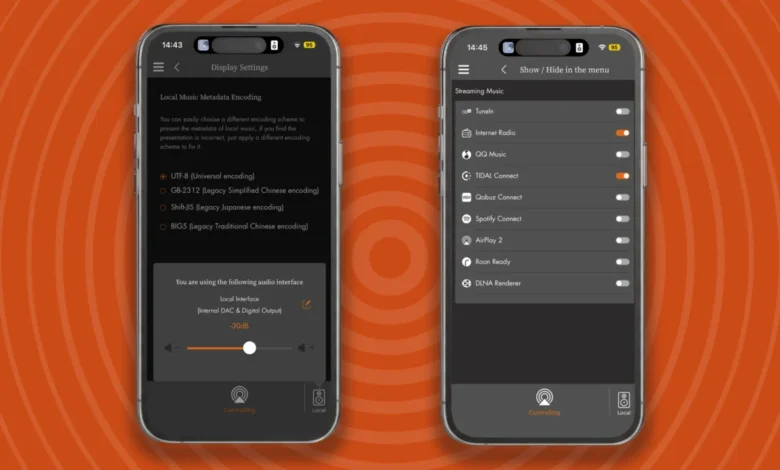
For its streaming platform, Leak partnered with Silent Angel, a brand widely recognized for its expertise in low-noise digital transmission and stable network architecture. The TruStream boasts comprehensive streaming compatibility, including Apple AirPlay 2, Roon Ready certification, and native "Connect" integration for high-resolution services such as Qobuz, TIDAL, and Spotify, alongside TuneIn internet radio.
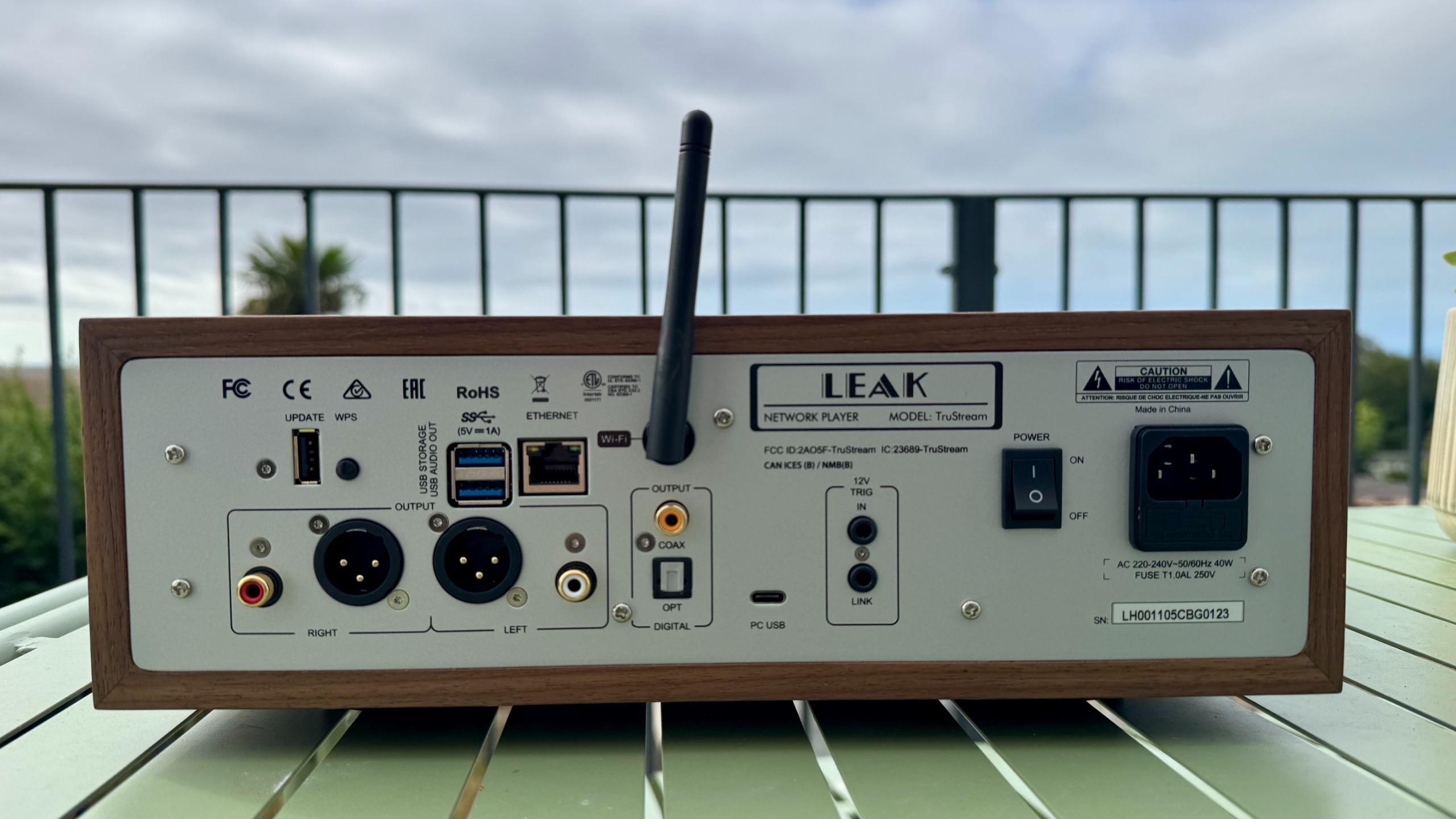
Physical connectivity is equally versatile. Users can feed digital audio to the DAC via an Ethernet port, dual-band Wi-Fi, or three rear-mounted USB ports—comprising a USB-C input for personal computers and two USB-A slots for direct playback from external storage drives. Outputs include both balanced XLR and unbalanced RCA analog connections, alongside digital coaxial and optical outputs for users wishing to bypass the internal DAC in favor of an external unit. Additionally, a front-panel 6.3mm headphone jack, driven by a dedicated current-feedback amplifier, provides ample power for demanding, high-impedance headphones.
Sonic Performance and Listening Evaluation
Evaluated across various high-resolution listening tests, the Leak TruStream delivers a distinctive sonic signature characterized by exceptional detail retrieval and a wide, cohesive soundstage. When paired with high-quality recordings, the device excels at separating complex audio elements, maintaining spatial definition across both the horizontal and depth axes.
The unit demonstrates notable tonal neutrality and frequency balance. The lower registers are delivered with clean, controlled authority, ensuring that rhythmic timing remains natural and engaging. Midrange performance is equally articulate, accurately conveying the subtle harmonic nuances and emotional character of vocal and acoustic performances.
However, extended critical listening reveals certain performance limitations. The TruStream exhibits a constrained sense of dynamic headroom when reproducing recordings with wide variations between soft and loud passages—such as ambient electronic works or large-scale orchestral tracks. Rather than expanding the distance between quiet and intense sections, the player compresses these shifts, reducing overall impact.
Furthermore, the onboard ESS Sabre DAC displays a tendency toward an assertive, occasionally hard-edged treble reproduction. On brighter recordings or poorly mastered tracks, high-frequency transients and sibilance can become fatiguing. While these minor sonic shortcomings do not detract from the player’s overall musicality, they suggest that users with sensitivity to high frequencies may need to carefully match the TruStream with complementary system components or utilize an external DAC.
Design and Usability Challenges
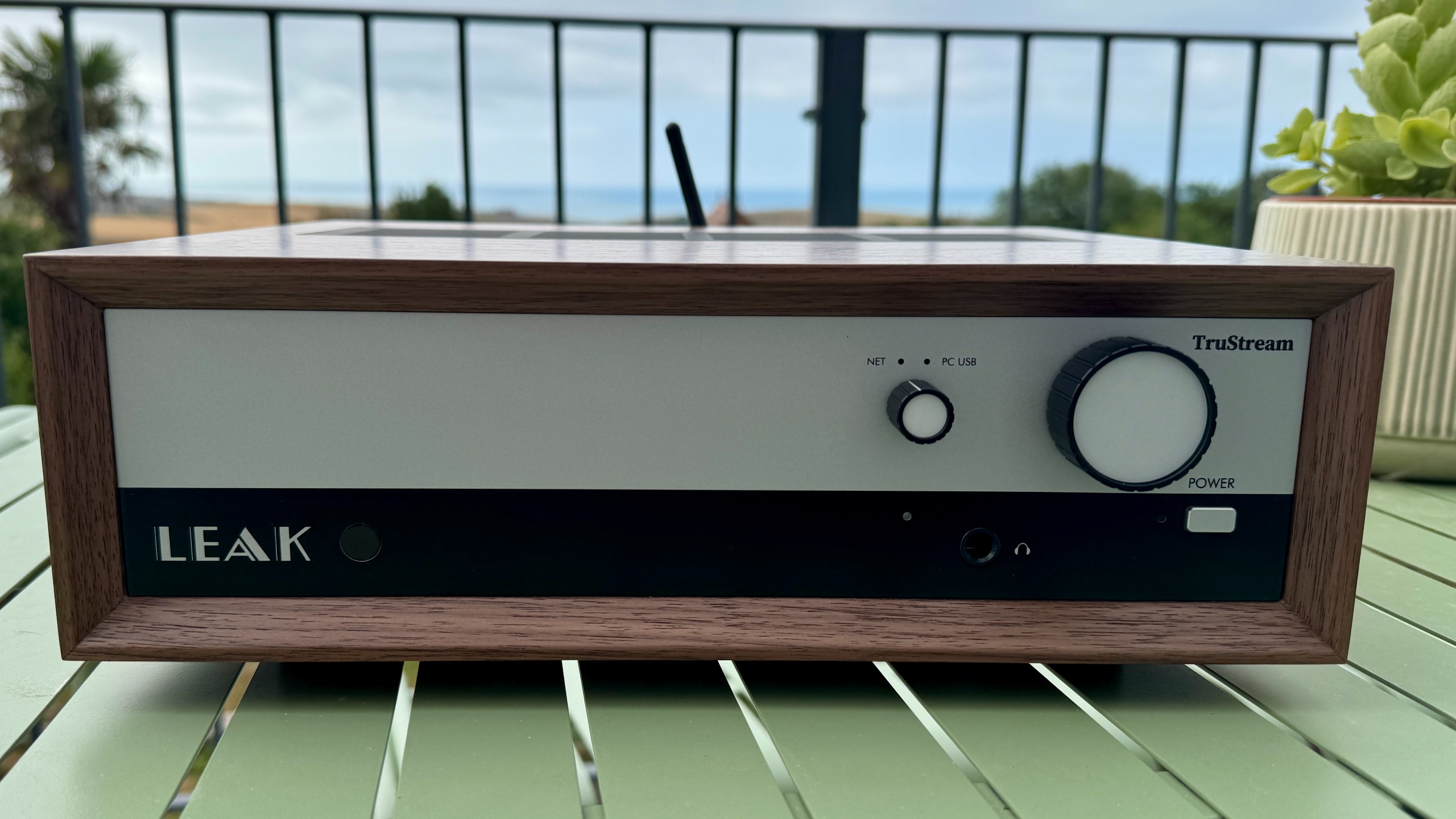
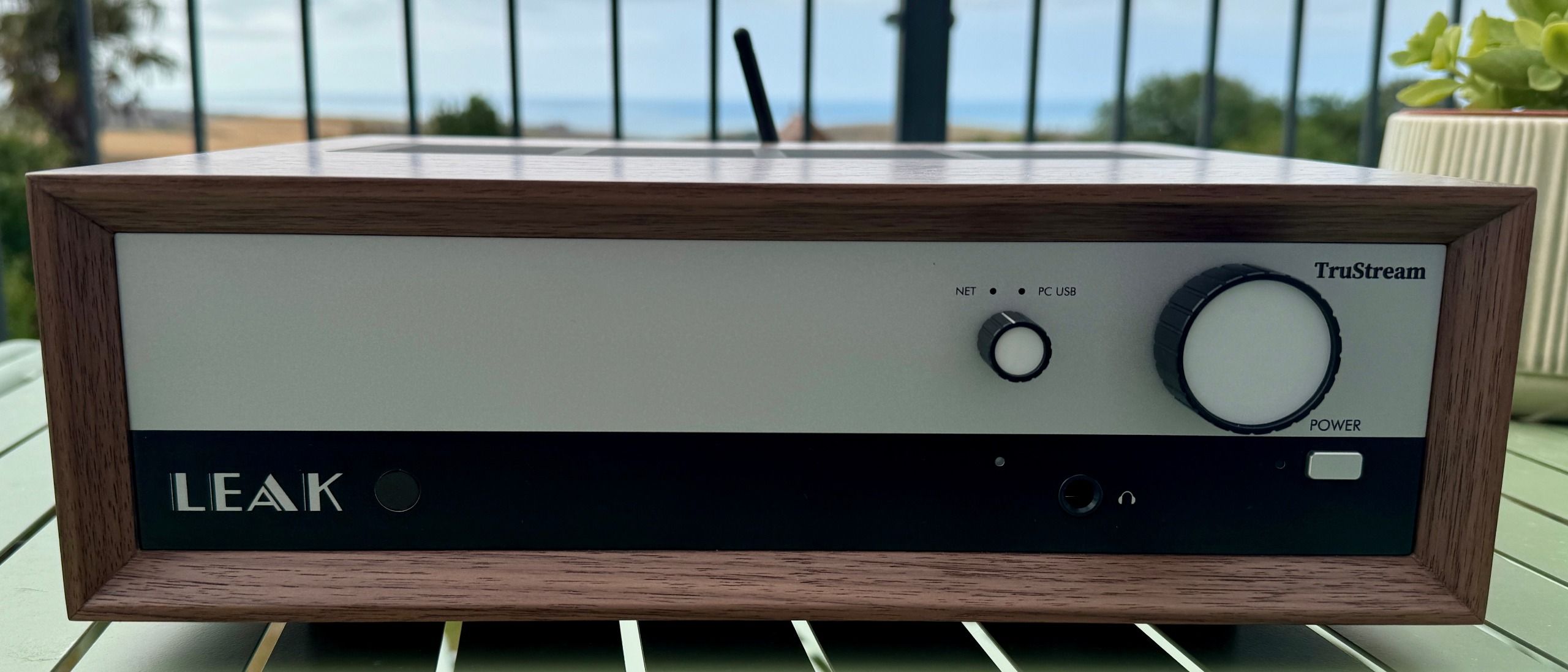
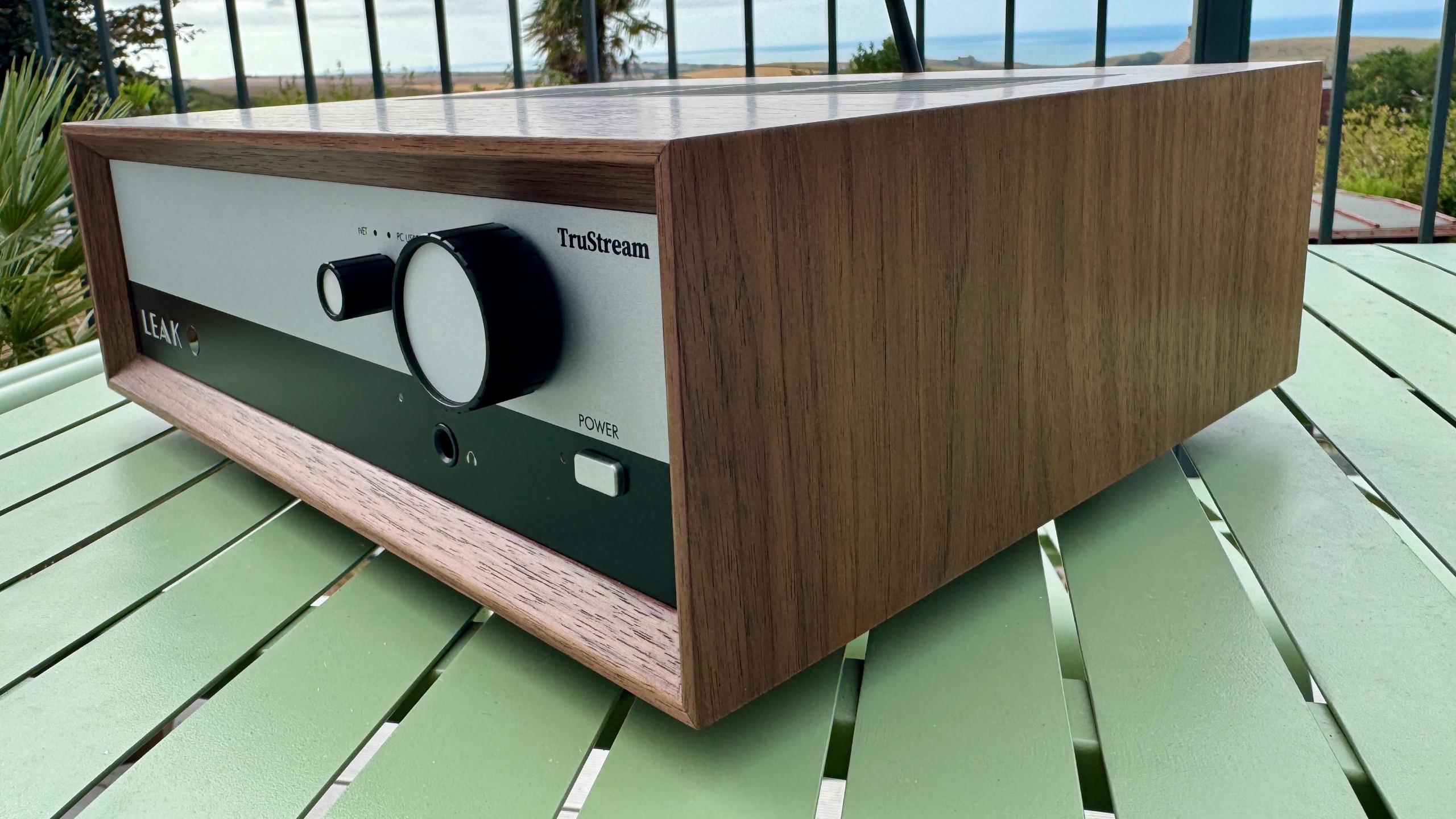
Visually, the TruStream is a triumph of industrial design. Measuring 118 x 330 x 288mm (H x W x D), the compact walnut-veneered casework and contrasting aluminum faceplate offer a tactile appeal rarely found in modern consumer electronics. In a market dominated by minimalist black-box components, Leak’s adherence to mid-century modern aesthetics provides genuine individuality.
Notably, the device omits a front-panel display screen—a design choice that preserves the vintage aesthetic while eliminating potential sources of internal electrical noise. While rival streamers utilize large, vibrant color screens to display album artwork and track metadata, Leak relies entirely on the user’s control device or mobile phone to relay this information.
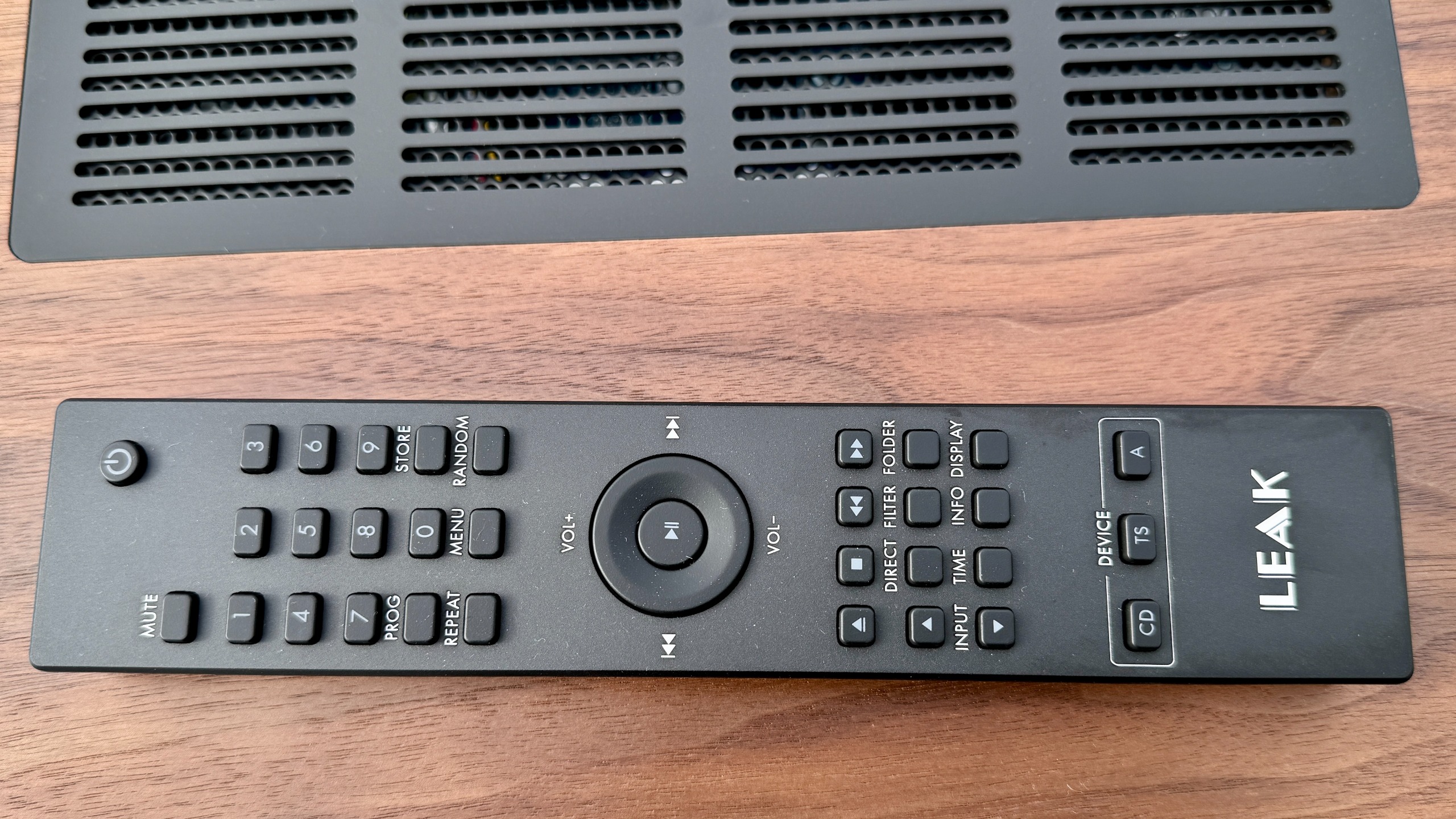
Usability, however, presents a mixed experience. While physical controls on the front fascia—including power, input selection, and a responsive volume knob that allows the unit to function as a preamplifier—offer a satisfying tactile feel, the software ecosystem leaves room for improvement. The free "Leak TruStream" control app for iOS and Android is functionally stable, supporting tasks such as firmware updates, internet radio browsing, and playlist creation.
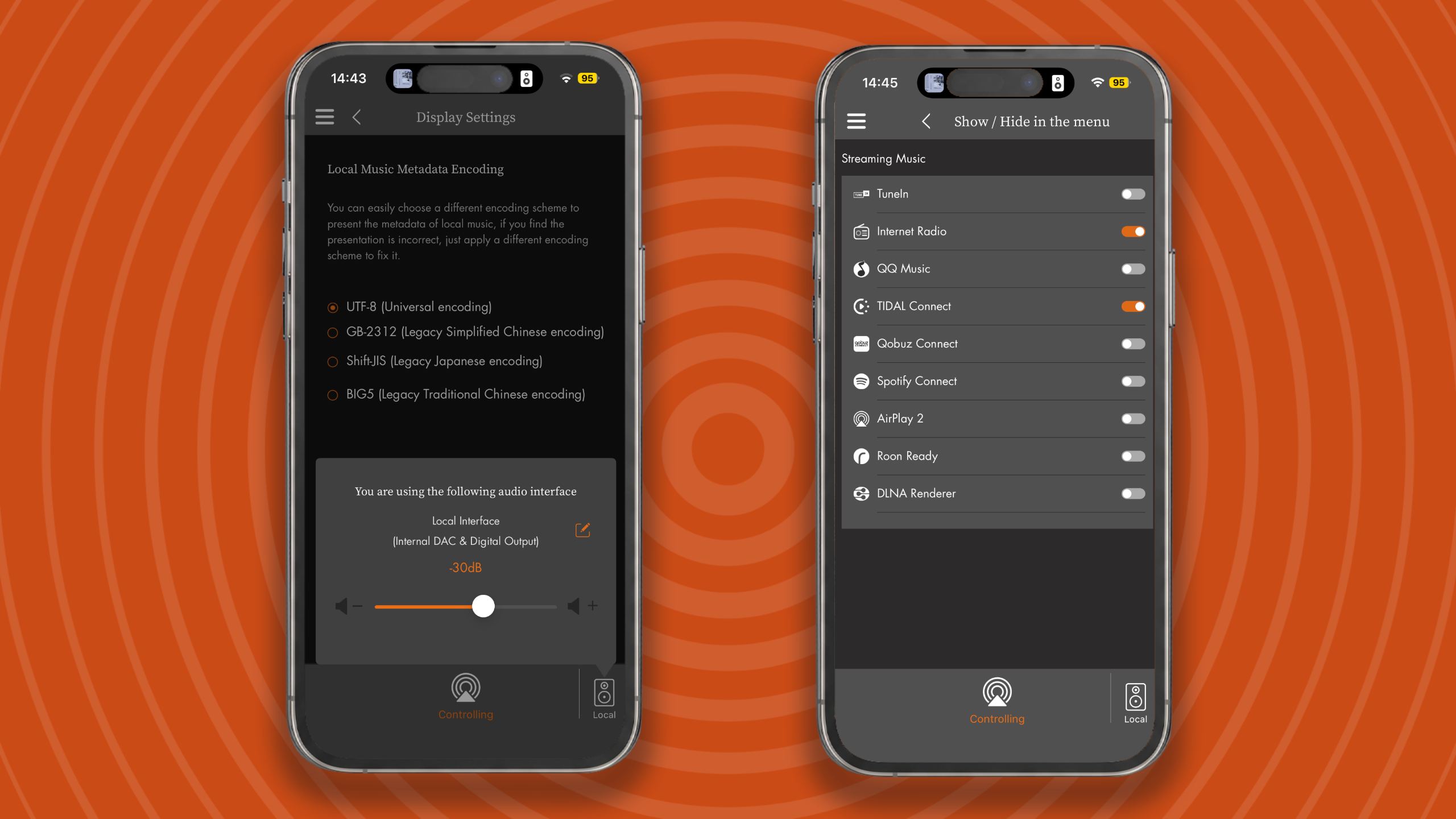
Despite its stability, the app’s user interface draws criticism for typography choices. The inclusion of small, serif-heavy fonts and low-contrast design elements—such as black text on orange backgrounds—compromises legibility. These choices present potential hurdles for users with visual impairments, giving the app the impression of a hastily adapted desktop interface rather than a polished mobile application.
Market Implications and Verdict
The Leak TruStream occupies a unique intersection of style and substance in the modern hi-fi market. Its combination of artisanal woodwork, robust internal specifications, and Silent Angel streaming architecture makes it an attractive proposition for design-conscious audiophiles.

While its sonic presentation is occasionally compromised by limited dynamic headroom and an aggressive treble response, its strengths—including expansive soundstage imaging, high detail resolution, and versatile connectivity—outweigh these flaws for the target demographic. For listeners willing to overlook minor software quirks and treble sharpness in exchange for unmatched visual character and engaging musicality, the Leak TruStream stands as a compelling and distinctive addition to the contemporary audio landscape.