SteelSeries Rival Pro Mini Review: Premium Performance Meets Compact Design in a Crowded Peripheral Market

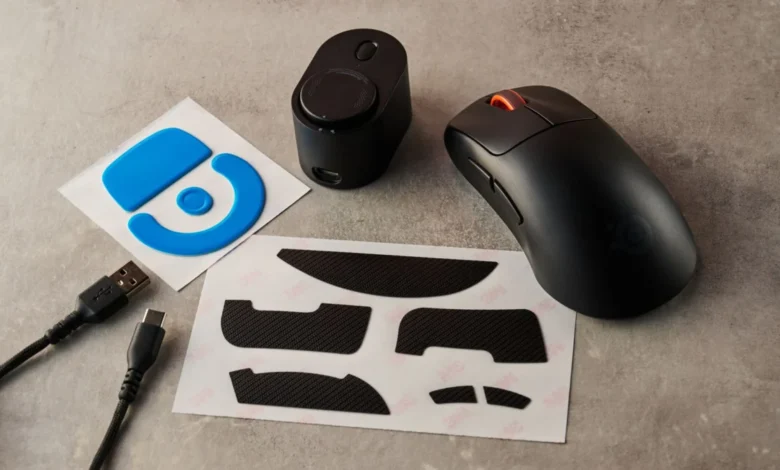
The peripheral landscape for competitive gaming continues to evolve at a relentless pace, driven by demands for lower latency, higher polling frequencies, and absolute reliability. Among the brands pushing these technical boundaries is SteelSeries, a veteran manufacturer in the esports hardware ecosystem. Following the October 2026 hardware rollout that introduced a new tier of competitive input devices, the company’s latest offering—the SteelSeries Rival Pro Mini—aims to capture the attention of high-level esports competitors and enthusiasts seeking a smaller physical footprint. Priced at $179.99 / £169.99 (approximately AU$250), this compact, right-handed wireless mouse shares its top-tier pricing and feature set with its full-sized sibling, the standard Rival Pro.
Positioned in the ultra-premium tier alongside heavyweights like the Logitech G Pro X2 Superstrike and the Razer DeathAdder V4 Pro, the Rival Pro Mini faces high expectations. While it commands a significant financial investment, an examination of its specifications, build quality, and real-world performance reveals whether it justifies its steep cost in a market increasingly saturated with high-performance alternatives.
Engineering and Design Philosophy
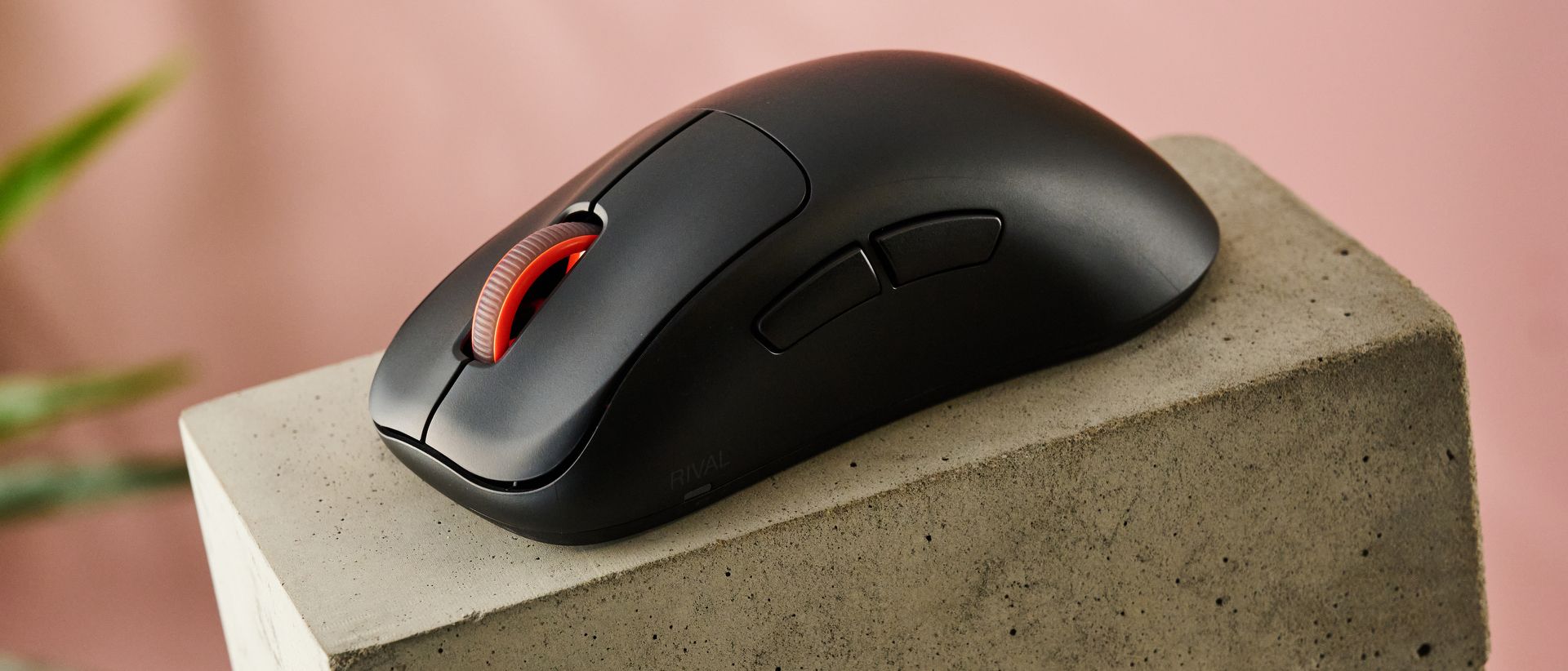
The physical architecture of the SteelSeries Rival Pro Mini is tailored specifically for right-handed users who prefer a smaller form factor. Measuring 4.75 x 2.57 x 1.59 inches (120.7 x 65.4 x 40.5mm) and weighing a mere 1.7 ounces (49 grams), the mouse strikes an impressive balance between structural rigidity and featherlight maneuverability. This reduction in weight allows for rapid, fatigue-free flick shots and tracking adjustments during extended gaming sessions, particularly in fast-paced first-person shooter (FPS) titles.
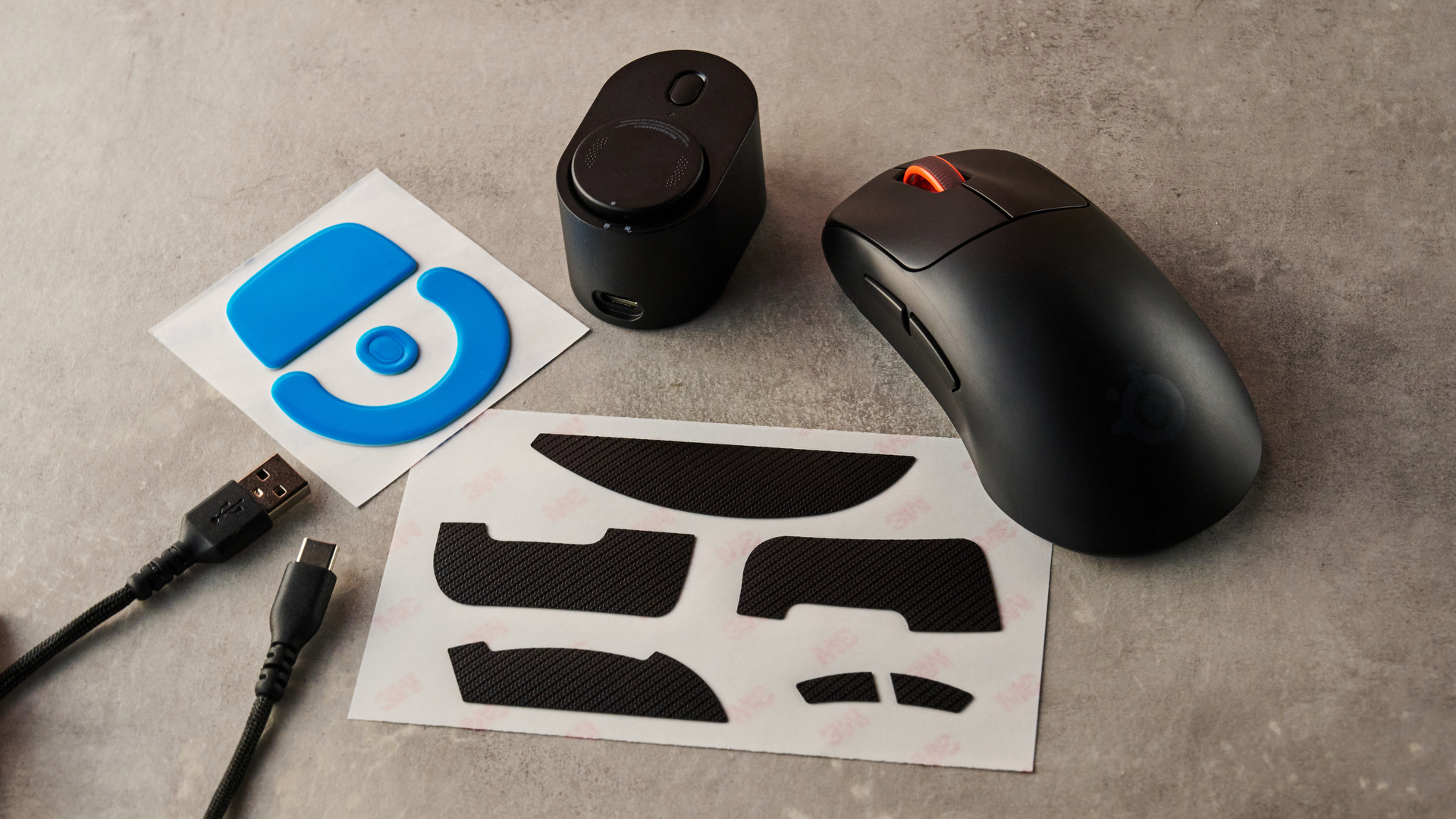
The exterior features a lightly textured matte finish that contributes to a secure grip and a sophisticated aesthetic, subtly highlighted by an accent-colored orange scroll wheel. However, this finish exhibits a notable trade-off: it functions as a magnet for fingerprints and skin oils, requiring routine cleaning to maintain its pristine appearance. Users bothered by cosmetic smudges may find the alternative white colorway more forgiving than the black variant.
Ergonomically, the mouse excels for users with small-to-medium hands, allowing for comfortable palm, claw, or fingertip grips without inducing hand cramps. Conversely, consumers with larger hands are advised to bypass the Mini model in favor of the standard Rival Pro, which offers identical internal capabilities in a larger chassis. Left-handed users must similarly look elsewhere, as SteelSeries addresses that demographic with its symmetrical Sensei Pro Mini lineup.
The ‘Infinite’ Power Ecosystem and Connectivity
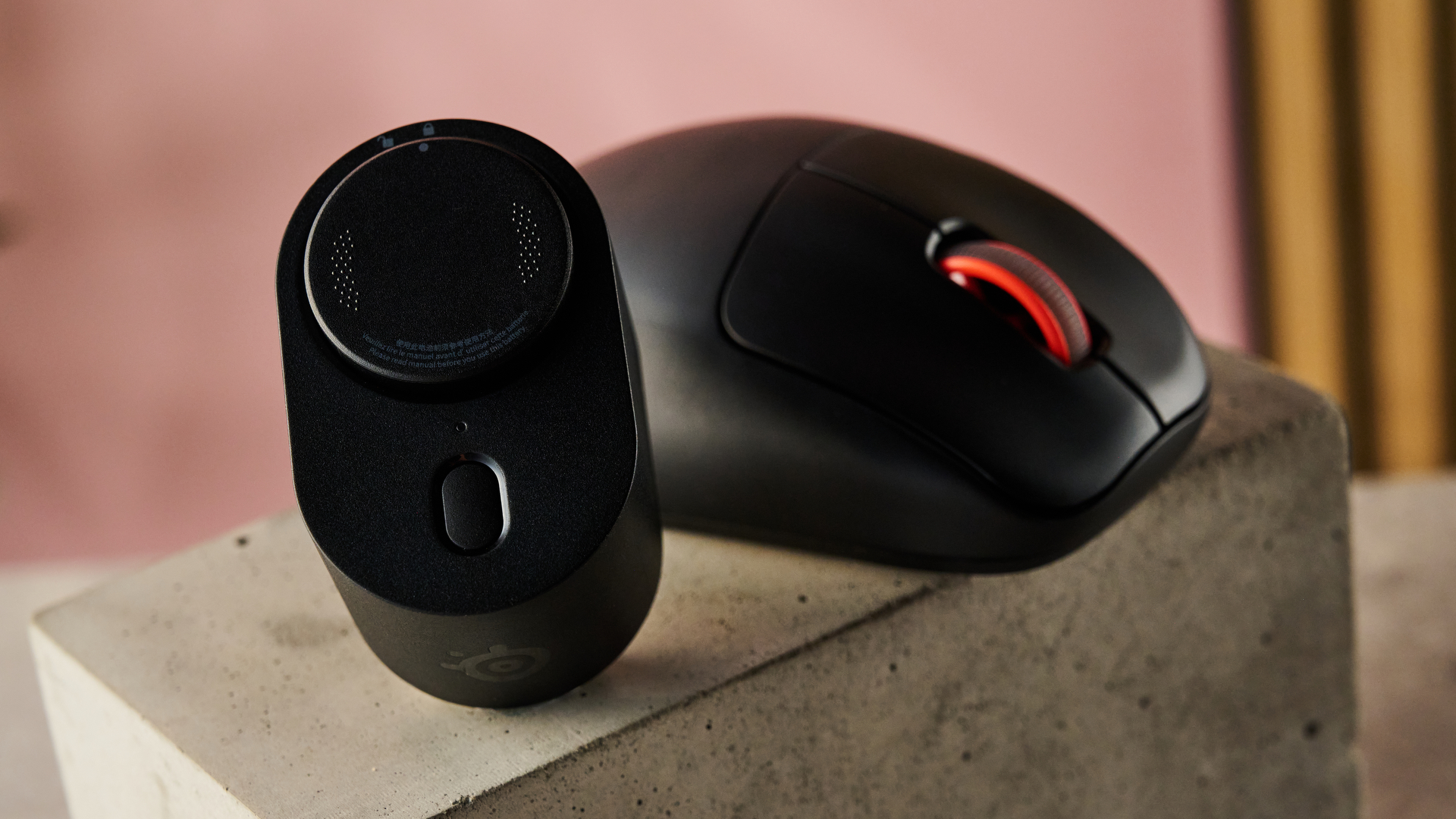
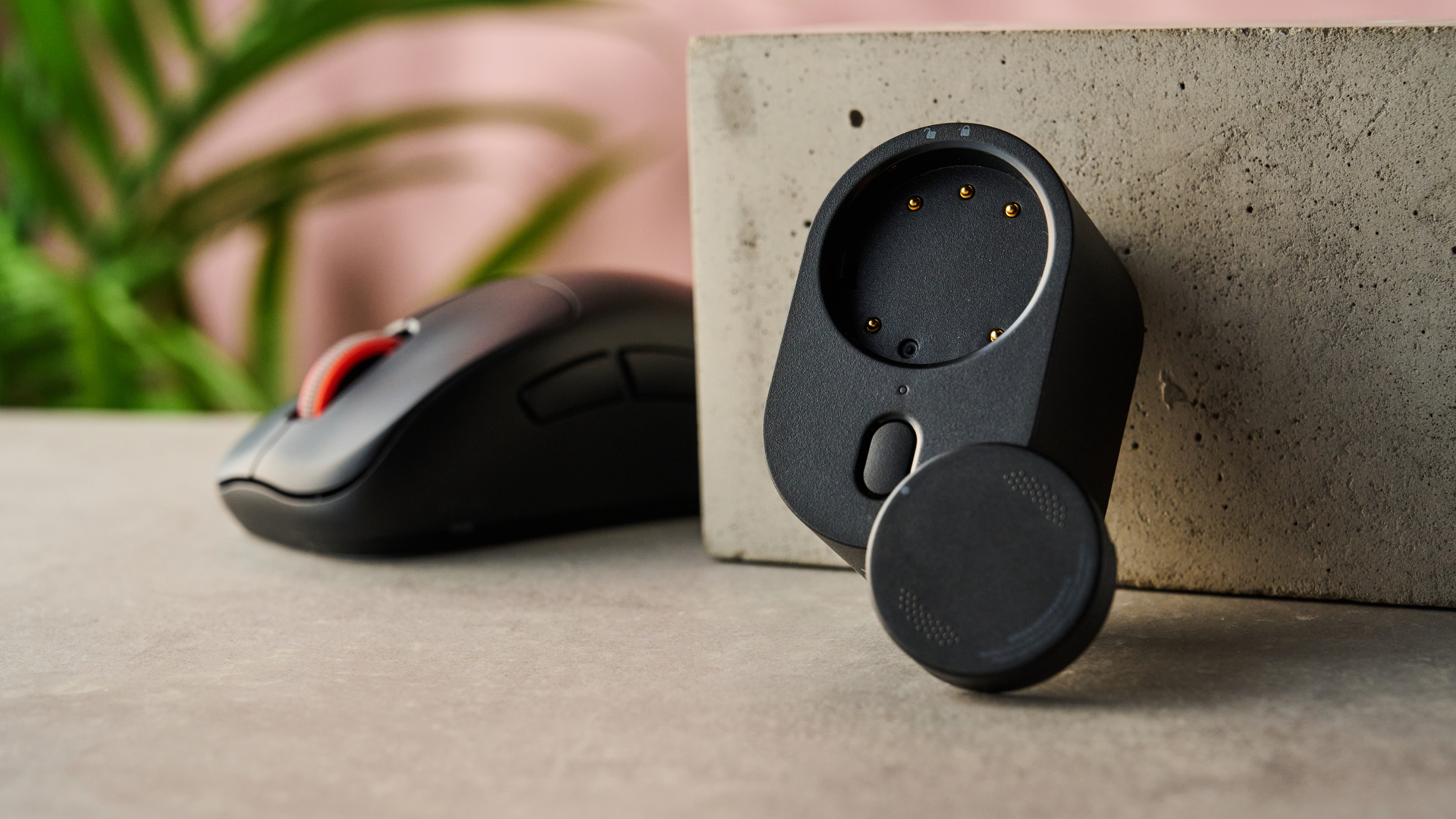
One of the most innovative engineering choices integrated into the Rival Pro Mini is its approach to battery management. Eschewing the traditional wired fallback—the mouse lacks a physical USB port for tethered play—SteelSeries utilizes an Ultra Wideband (UWB) base station operating on frequencies of 6GHz and above.
This base station accommodates a hot-swappable battery system. While one battery is housed inside the mouse powering gameplay, a secondary battery rests concurrently within the base station, charging continuously. When the mouse battery is depleted, users can swap the cells in a matter of seconds, bypassing the downtime typically associated with recharging wireless peripherals.
Battery longevity varies significantly depending on the polling rate selected. At a standard 1K polling rate, the Rival Pro Mini delivers approximately 60 hours of continuous operation. However, when utilizing the demanding true 8K polling setting, battery life drops to roughly 16 hours. Despite this rapid depletion at peak performance settings, the hot-swap mechanism effectively eliminates battery anxiety, rendering traditional wired charging cables obsolete for daily use.
Core Performance and Sensor Technology
Beneath its exterior shell, the Rival Pro Mini is outfitted with the proprietary TrueMove 42K Pro Sensor, delivering an astonishing maximum sensitivity of 42,000 DPI alongside true 8KHz polling capabilities (with support for up to 9KHz overpolling). This technical specification ensures ultra-smooth cursor tracking, minimal input lag, and instantaneous responsiveness.
Furthermore, the integration of SuperSync technology allows users to independently adjust tracking and clicking polling rates, tailoring the mouse’s responsiveness to specific software environments or game engines. Paired with high-refresh-rate display technology, such as 1000Hz gaming monitors, the tracking stability and camera control remain exceptionally crisp, even during chaotic multi-target engagements.
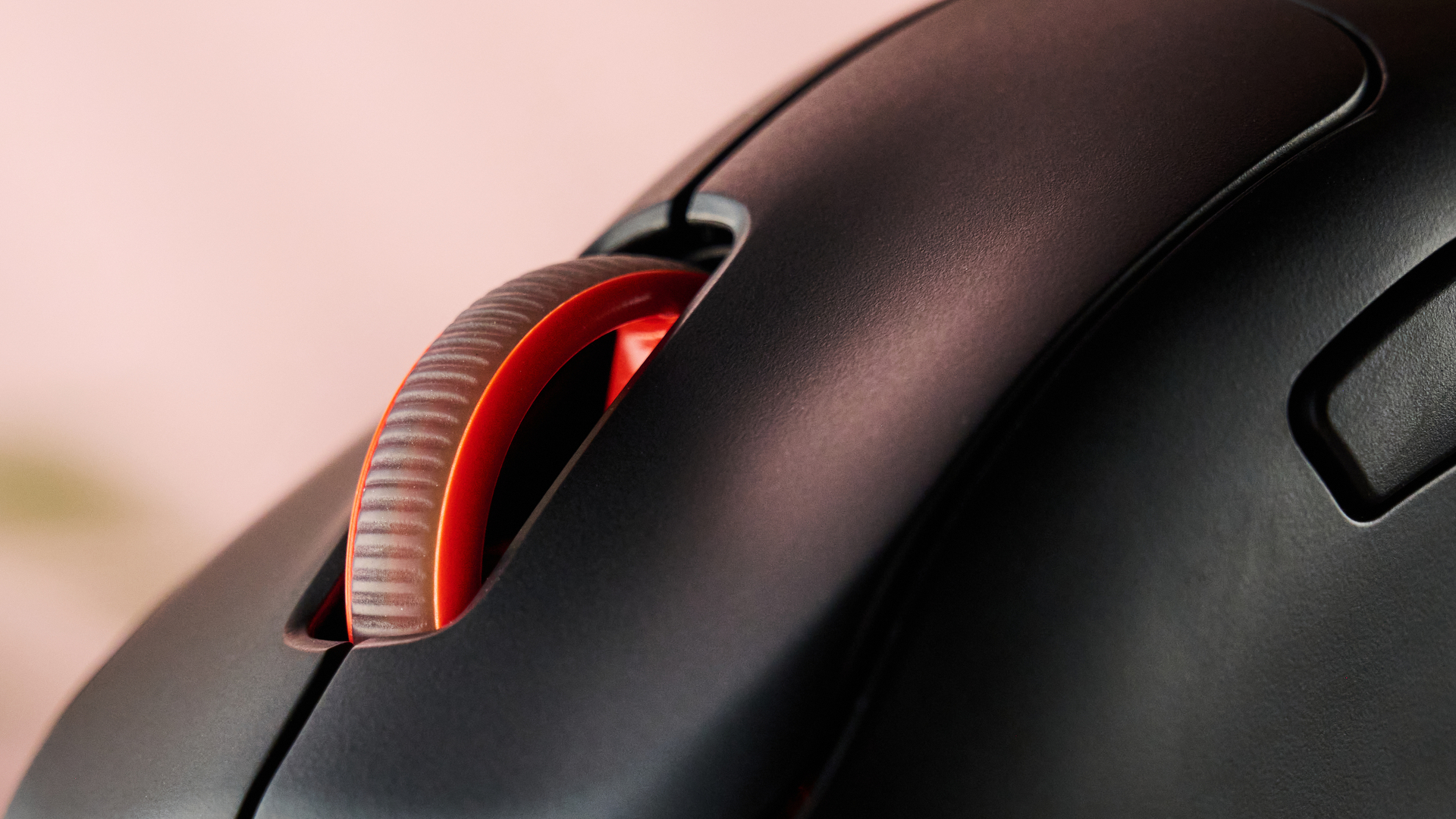
The mechanical input components match the sensor’s high pedigree. The optical switches offer a snappy, distinct actuation that promotes rapid firing rates without feeling overly sensitive. While optical switches inherently produce an audible click, the acoustic profile of the Rival Pro Mini remains well within acceptable tolerances, avoiding obtrusive noise levels. Complementing the primary switches is a tactile mechanical scroll wheel featuring pronounced ridges that ensure reliable step-counting and grip during intensive tasks.
Software Customization via SteelSeries GG
Management of the Rival Pro Mini’s six programmable buttons, sensitivity steps, and power management profiles is handled through the SteelSeries GG application, accessible via downloadable software or a web-based platform.
The software suite provides a clean, intuitive interface that avoids the bloat often criticized in competitor utilities. Users can remap button functions, create game-specific profiles, fine-tune sensor parameters, and monitor battery health with minimal friction. The inclusion of a web-based configuration platform adds a layer of convenience for users operating on restricted or corporate workstations.
Market Context and Pricing Analysis
Released in October 2026 alongside a broader hardware refresh that included the standard Rival Pro, Sensei Pro, and Sensei Pro Mini, the Rival Pro Mini occupies a challenging commercial space. At $179.99 / £169.99 (approximately AU$250), it matches the exact price point of its larger counterpart.
While the inclusion of advanced UWB hot-swappable battery technology, true 8K polling, and a high-end sensor partially justifies the cost, the pricing strategy may alienate budget-conscious consumers. Mainstream gamers who do not require professional-grade precision can easily find competent wireless mice for under $100 / £100. Nevertheless, for competitive esports athletes and dedicated enthusiasts, the feature-to-price ratio remains defensible when evaluated against direct market competitors like the Logitech G Pro X2 Superstrike and Razer DeathAdder V4 Pro.
Final Assessment
The SteelSeries Rival Pro Mini stands as a triumphant exercise in miniaturization without performance compromise. By packing the exact sensor architecture, polling capabilities, and build quality of its full-sized sibling into a lighter, more compact frame, SteelSeries has created a premier tool for right-handed competitive gamers.
While the matte finish attracts fingerprints, and the high financial barrier to entry will undoubtedly filter out casual buyers, the core innovations—particularly the hot-swappable UWB battery system and flawless 8K sensor performance—elevate the device above standard market offerings. For users with compatible hand sizes and the budget to absorb the premium cost, the Rival Pro Mini represents a top-tier investment in competitive hardware.