The Return of the Glowing Apple Logo on the New MacBook Pro Models Marks a Nostalgic Tech Revival


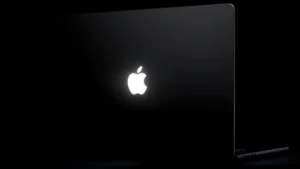
The iconic, backlit Apple logo, once the quintessential aesthetic signature of Apple’s laptop lineup, has officially returned. With the launch of the latest 14-inch and 16-inch MacBook Pro models, which feature the cutting-edge PROLED XDR display, the company has revived a design element that defined the visual culture of coffee shops, lecture halls, and boardrooms throughout the 2000s and early 2010s. This feature, which illuminates when the laptop is in use, marks the end of an eleven-year hiatus for the glowing insignia.
A Chronology of the Illuminated Emblem
The history of the backlit Apple logo is as much about design philosophy as it is about hardware innovation. The feature made its high-profile debut in 1999 with the third-generation PowerBook G3. At the time, the logo was oriented so that it appeared upright to the user when the laptop was closed, meaning it appeared upside-down to anyone standing across from the owner.
This orientation was a deliberate choice by Apple’s design team, led by the vision of Steve Jobs. According to former Apple employee Joe Moreno, the logic was rooted in user-centric design: it was intended to help the user identify which side was the "top" of the lid so they would open the machine from the correct end. Apple famously prioritized the user’s immediate experience over the perspective of an onlooker.
However, as the brand’s global visibility grew, the design was eventually reversed. By the mid-2000s, the logo was flipped 180 degrees, ensuring that the apple appeared upright to onlookers. Moreno later reflected on this shift, noting that while opening a laptop from the wrong end is a minor, self-correcting annoyance that lasts only seconds, an upside-down logo is an aesthetic imperfection that persists for the entire duration of the device’s use in public.

The glowing logo remained a fixture for over a decade, spanning the PowerBook and the transition to the MacBook Pro and MacBook Air lines. Its removal began in 2015 with the ultra-thin 12-inch MacBook, which opted for a polished, mirrored metal logo similar to that of the iPad. By 2016, the entire MacBook Pro lineup had shifted to this non-illuminated, high-gloss aesthetic, effectively ending the era of the "glowing apple" as Apple leaned into thinner chassis designs and different thermal management priorities.
The PROLED XDR Integration
The return of the light is not merely a cosmetic choice but a technical achievement integrated into the architecture of the new PROLED XDR display technology. Unlike the early iterations, which relied on the light leaking through a translucent plastic insert from the display’s backlight, the new implementation is dynamically controlled.
The logo’s intensity is now tied to the system’s ambient light sensors and the display’s brightness settings. When the user is in a dimly lit environment, the logo dims to avoid being a distraction, whereas in brighter settings, it adjusts to remain visible. This sophisticated management system reflects a decade of advancements in power efficiency and display integration, ensuring that the aesthetic return does not come at the expense of battery life or thermal performance.
Customization and Terminal Controls
While the glowing logo is a standard feature on the new 14-inch and 16-inch MacBook Pro models, Apple has provided a mechanism for users who prefer a more understated appearance. Unlike typical display settings found within the macOS System Settings, the company has implemented a command-line interface for toggling the illumination.
For users who wish to deactivate the backlight, the following command can be entered into the Terminal application:
sudo defaults write com.apple.CoreBrightness LEBacklightMode -int 0

Conversely, to restore the feature, users can execute:
sudo defaults delete com.apple.CoreBrightness LEBacklightMode
This change takes effect immediately without requiring a system restart. Furthermore, the configuration is persistent across user accounts and remains active even after system updates or when booting from macOS Recovery. The decision to keep this control within the Terminal, rather than a GUI-based menu, suggests that Apple views the illuminated logo as a core element of the device’s identity, preferring that users make a conscious, intentional choice if they wish to disable it.
Market Context and Strategic Implications
The reintroduction of the backlit logo arrives alongside a broader suite of updates, including the highly anticipated integration of touch-enabled display technology. Following the October 2026 announcement, the industry has closely watched how Apple balances its "Pro" branding with these legacy design elements.
The move appears to be a calculated response to a decade of customer sentiment. For many, the glowing logo was a symbol of Apple’s unique industrial design language during its period of explosive growth. By reviving it, Apple is leaning into its own heritage, likely aiming to solidify the "Pro" branding at a time when the lines between tablets and laptops are increasingly blurred.
Industry analysts suggest that this design choice also serves as a subtle marketing tool. In professional settings, the glowing logo acts as a brand beacon, instantly recognizable from across a room. As competition in the premium laptop market intensifies—with rivals increasingly adopting high-resolution OLED panels and sophisticated aluminum unibodies—the glowing logo provides a distinct visual differentiator that is uniquely "Apple."

Technical and Operational Data
The new MacBook Pro models, starting at $2,899 for the 14-inch and $3,399 for the 16-inch, represent the flagship of the M6-series architecture. The inclusion of the PROLED XDR display—a significant evolution from previous Mini-LED iterations—is the primary driver for the return of the backlight. Because the new display architecture allows for more precise control of light emission, the company was able to engineer the logo’s illumination to be more efficient and customizable than in the past.
Data from the initial rollout indicates that the feature has been well-received by the enthusiast community, with many users citing it as a major factor in the "premium feel" of the new hardware. Despite the skepticism surrounding the 2015 removal of the feature, the return is widely seen as an admission that some design elements possess an enduring quality that supersedes the constant push for thinner hardware.
Broader Impact and Future Outlook
The reinstatement of the illuminated logo raises questions about future design trends across the rest of the product catalog. While there has been no indication that the feature will return to the MacBook Air, its success on the high-end Pro machines suggests that Apple is increasingly comfortable revisiting its design archives.
Furthermore, the implementation of the Terminal command for toggling the light suggests a "pro-user" approach, allowing for a degree of customization that is rare in modern, highly locked-down hardware. As Apple continues to innovate with touch-based OLED displays and new M-series chips, the combination of cutting-edge technology and nostalgic design elements may become a hallmark of the company’s future product strategy.
For the average consumer, the return of the glowing logo is a small but significant detail that highlights Apple’s willingness to listen to its user base while maintaining its commitment to high-end, functional, and aesthetically striking hardware. Whether it is viewed as a triumph of brand identity or a clever nod to the past, the "lit" MacBook is, once again, a defining presence in the world of mobile computing.