Apple Watch users receive advanced AI integration through the release of watchOS 27.3 beta featuring Siri Recap and Live Rewind.

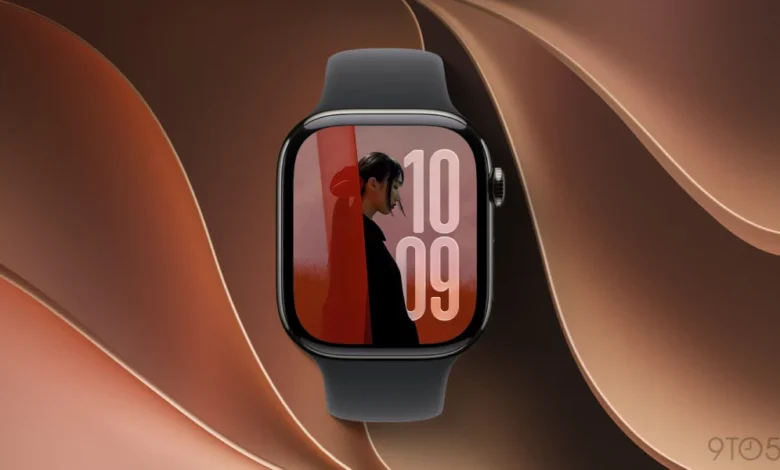
The recent rollout of the watchOS 27.3 developer beta marks a significant milestone in Apple’s integration of on-device generative AI, specifically targeting its wearable product line. Introduced alongside the corresponding iOS 27.3 beta, the update delivers two highly anticipated "Audio Intelligence" features—Siri Recap and Live Rewind—exclusively to users of the Apple Watch Series 12 and Apple Watch Ultra 4. These tools represent the next step in Apple’s broader strategy to utilize Apple Intelligence to enhance context-awareness and daily productivity for its user base.
Chronology of the Development
The path to this release began in September during Apple’s annual hardware keynote, where the company first teased the potential for its wearable devices to act as more proactive assistants. At that time, executives emphasized the shift from reactive voice commands to ambient, context-aware intelligence. Following months of internal testing and refinement, the features moved into the public and developer beta testing phases this week, signaling that the software is nearing a stable, commercial release.

The introduction of these features is part of a larger roadmap that has seen watchOS evolve from a health-tracking peripheral into a standalone computing platform. While previous updates focused on hardware-specific health sensors, watchOS 27.3 shifts the focus toward computational linguistics and memory management.
Technical Functionality of Siri Recap
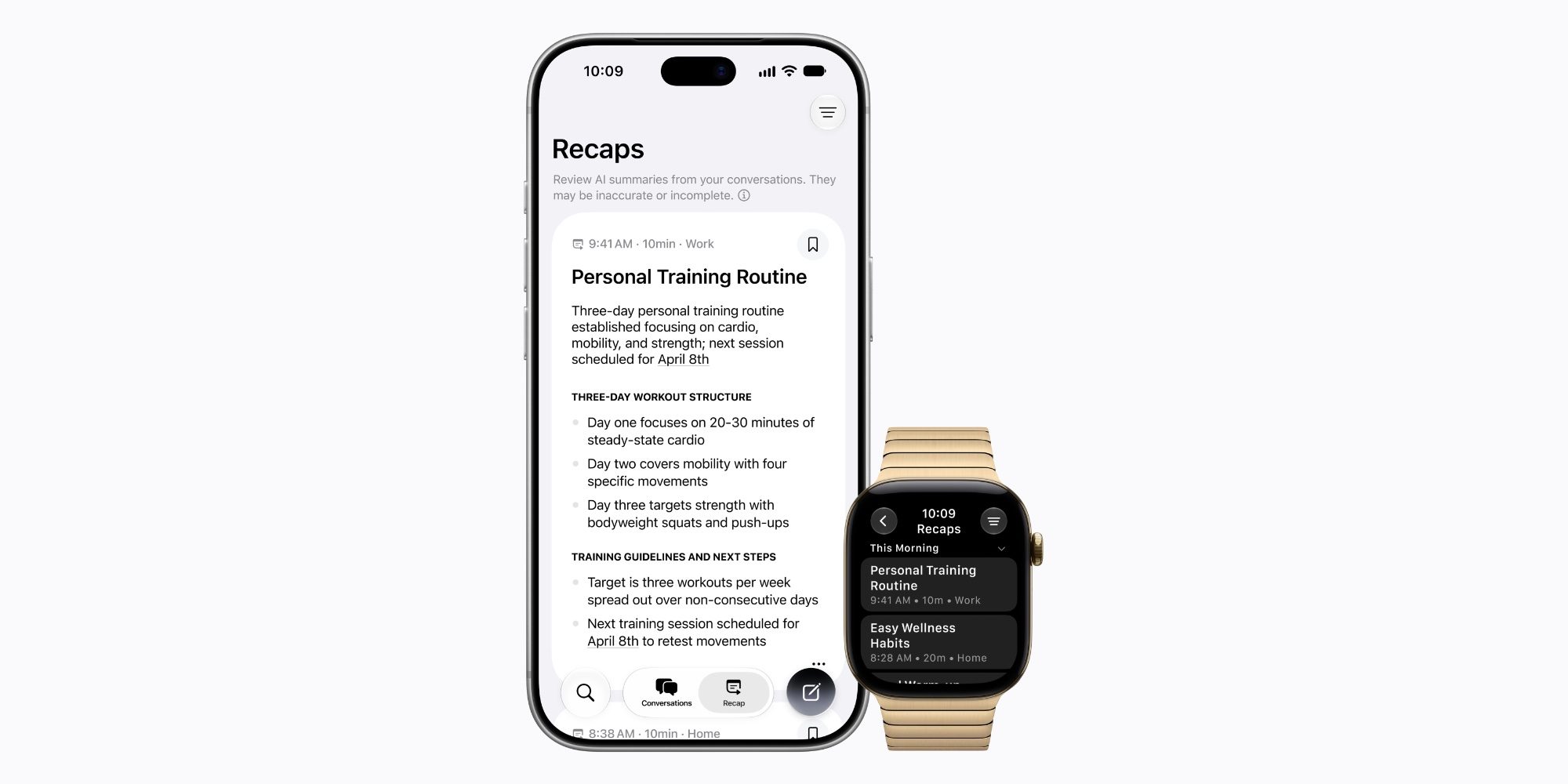
Siri Recap is designed to function as an ambient note-taking system. By leveraging on-device machine learning, the Apple Watch monitors ambient audio cues throughout the user’s day to generate high-level summaries of interactions and events. The system is engineered to prioritize "memory jogging," allowing users to recall details from meetings, casual conversations, or daily errands that might otherwise be forgotten.
The system’s architecture is fundamentally different from traditional voice recorders. Rather than storing audio files, the watch processes the input locally and translates it into textual summaries. According to documentation provided by Apple, the system is programmed to disregard sensitive data points, including financial information, authentication credentials, and personally identifiable information (PII). Furthermore, the summaries are ephemeral by design; the default setting dictates that these records are purged after seven days unless the user manually opts to save them to their account.
Privacy Safeguards and Industry Standards
The implementation of "always-on" ambient listening has drawn inevitable scrutiny from privacy advocates and security researchers. Apple has responded to these concerns by highlighting the on-device nature of the processing. Because the data does not leave the secure enclave of the Apple Watch or the synced iPhone, the risk of cloud-based data breaches is mitigated.
The feature is strictly opt-in, requiring explicit user authorization during the setup process. Additionally, users retain granular control over the functionality, with the ability to define specific "silent zones" or time-based blocks where the device is prohibited from processing ambient audio. This level of user agency is consistent with Apple’s recent marketing campaigns, which position privacy as a foundational hardware feature rather than an optional add-on.
Live Rewind and Contextual Awareness
While Siri Recap captures the "what" of a user’s day, the companion feature, Live Rewind, serves as an auditory safety net. This tool allows users to navigate back through recent ambient audio buffers to clarify missed details. In practice, this could mean re-listening to a specific instruction during a work meeting or confirming a piece of information heard in a crowded environment.

Both features represent a significant advancement in the "Audio Intelligence" category. By combining the processing power of the latest S-series and Ultra-series chips with localized AI models, Apple has managed to solve the latency issues that typically plague cloud-dependent voice assistants. The result is a fluid, responsive experience that functions without the need for an active data connection.
Implications for the Wearable Market
The exclusivity of these features to the Series 12 and Ultra 4 models highlights the rising hardware requirements of modern AI applications. As neural engines become more complex, the gap between older and newer devices continues to widen. This strategy effectively incentivizes hardware upgrades for users who want to leverage the latest in software-defined functionality.
From an industry perspective, Apple’s move to bring AI-driven memory augmentation to the wrist is a bellwether for the future of the "Ambient Computing" era. Competitors in the wearable space—such as Garmin, Samsung, and various health-focused startups—are now under pressure to provide similar levels of intelligence. However, the hurdle remains the integration of such high-level computing into the strict thermal and battery constraints of a wearable device. Apple’s success here relies heavily on the efficiency of its custom silicon, which allows for sophisticated background processing without significant impact on daily battery life.

User Experience and Practical Application
Early feedback from beta testers indicates that the accuracy of these models is remarkably high. Users have reported that the system successfully identifies key details—such as specific product dimensions or music titles played on smart home devices—even when those details were mentioned in passing.
The utility of these features for professionals is evident. By automating the documentation of informal meetings and daily tasks, the Apple Watch effectively becomes a personal assistant that manages the cognitive load of keeping track of minor details. For the average user, the benefit lies in the seamlessness of the experience; there is no need to open an app or issue a command, as the system works autonomously in the background.
Broader Economic and Societal Impact
The widespread adoption of AI-based memory aids could fundamentally change how individuals interact with their environments. If users can rely on their devices to remember the minutiae of their day, it may lead to a shift in cognitive habits, potentially improving efficiency in fast-paced professional environments.

However, the societal implications of a society equipped with ambient recording devices remain a topic of debate. While the current implementation at Apple is designed to be respectful of privacy, the existence of such technology sets a precedent for how much of our daily lives we are willing to let software "observe." Regulators and ethicists will likely continue to monitor these developments closely to ensure that such powerful tools are not abused by third-party applications or bad actors.
Conclusion and Future Outlook
As watchOS 27.3 moves toward a public release, the focus will likely shift from the novelty of the features to their long-term reliability and accuracy. The success of Siri Recap and Live Rewind will depend on Apple’s ability to maintain a high standard of privacy while expanding the feature set to be more useful in a wider variety of scenarios.
For now, the beta release serves as a clear indication that the Apple Watch is entering a new phase of its lifecycle. It is no longer just a fitness tracker or a notification mirror; it is becoming an intelligent partner that actively participates in the user’s day-to-day existence. As developers refine these AI models, the boundary between human memory and digital record-keeping will continue to blur, presenting both unprecedented opportunities for productivity and new challenges for digital privacy. The upcoming final release of watchOS 27.3 will be a crucial test of how ready the general public is to embrace an AI-assisted lifestyle on their wrists.