StockFi Bridges Traditional Equities and Web3 Ecosystem Through Strategic U.S. Stock Tokenization

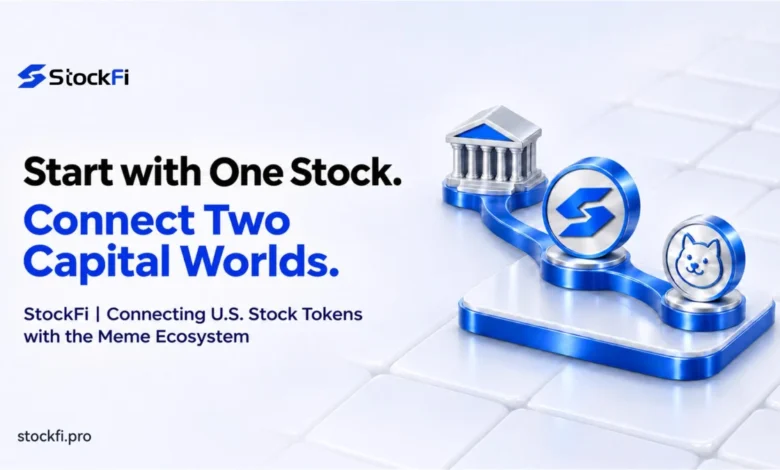
The evolution of global capital markets is undergoing a significant transformation as the boundary between traditional finance and decentralized digital assets continues to blur. On November 6, 2024, the platform StockFi officially announced its entry into this burgeoning sector, unveiling a multi-layered strategy designed to tokenize U.S. equities on the BNB Smart Chain (BSC). By integrating traditional stock market value with the high-velocity, community-driven nature of the meme coin ecosystem, StockFi seeks to provide a seamless gateway for global users to access, trade, and utilize fractionalized equity assets in an on-chain environment.
The Mechanics of Tokenized Equities
Asset tokenization represents the process of converting rights to an asset into a digital token on a blockchain. In the case of StockFi, the platform is not merely creating a digital representation of a stock; it is building a comprehensive infrastructure to manage the lifecycle of these assets—from issuance and custody to on-chain circulation and user-facing decentralized applications (DApps).
Traditional equities serve as the bedrock of global capital, representing corporate ownership, industry performance, and long-term economic value. By moving these assets onto a blockchain, StockFi aims to resolve several frictions inherent in traditional brokerage models, including limited trading hours, geographic restrictions, and the high barrier to entry for retail investors. Once an equity is tokenized, it inherits the properties of blockchain technology: transparency, immutability, and 24/7 global accessibility.
A Chronology of the StockFi Roadmap
StockFi’s development strategy is structured into a sequential roadmap that prioritizes stability before scaling. The platform is initiating its operations with a single, flagship stock offering. This "proof-of-concept" phase is intended to stress-test the integration between traditional financial custodians and the on-chain protocol.
- Phase 1: Asset Onboarding and Foundation. The platform is currently establishing partnerships with regulated service providers to handle stock sourcing, legal custody, and the technical issuance of tokens. This phase focuses on ensuring that every digital token is backed by the underlying asset, maintaining regulatory compliance and investor confidence.
- Phase 2: Trading Environment and Liquidity. Once the foundational assets are secured, StockFi will roll out the trading interface. This involves connecting liquidity providers and developing decentralized exchange (DEX) environments where users can trade stock tokens with ease.
- Phase 3: DApp Integration and Ecosystem Expansion. The final stage of the initial rollout focuses on user experience. By launching a dedicated DApp, StockFi intends to provide a centralized hub where users can access project materials, educational content, and, eventually, cross-protocol applications where stock tokens can serve as collateral or utility assets.
Integrating the Meme Ecosystem
One of the most distinctive aspects of StockFi’s strategy is its decision to embrace the meme coin ecosystem. While institutional finance often views the meme market as speculative, StockFi identifies it as a powerful mechanism for community engagement and rapid brand diffusion.
By creating trading pairs between established stock tokens and selected meme projects, the platform aims to funnel the high engagement of meme communities into the more stable, value-oriented world of traditional equities. This strategy serves a dual purpose: it introduces retail crypto users to the benefits of regulated asset tokenization and provides meme projects with a "utility upgrade," grounding them within a platform that offers tangible, underlying asset value.
Market Context and Industry Implications
The move toward tokenization is supported by significant industry momentum. According to reports from major financial institutions such as BlackRock and Citigroup, the market for tokenized real-world assets (RWA) is projected to reach trillions of dollars by 2030. These institutions argue that blockchain technology can reduce settlement times from T+2 to near-instantaneous, significantly lowering operational costs for financial intermediaries.
StockFi’s arrival on the BSC network is timely. As one of the most widely used blockchains for retail-facing decentralized finance (DeFi), BSC provides the high throughput and low gas fees necessary for the frequent trading of tokenized stocks. By leveraging this infrastructure, StockFi avoids the congestion issues of larger networks, ensuring that the user experience remains comparable to that of modern, centralized fintech applications.
The Ecosystem Partnership Model
Recognizing that the complexity of tokenizing U.S. stocks exceeds the capabilities of a single entity, StockFi has adopted a collaborative, modular approach to its ecosystem. The platform’s architecture is designed to accommodate three core types of partners:
- Financial Service Providers: Entities responsible for the "heavy lifting" of the traditional world, including the legal structure, share custody, and regulatory disclosure requirements.
- Technical and Infrastructure Partners: Developers focused on the smart contract security, wallet integrations, and liquidity protocols that allow these assets to move freely within the Web3 ecosystem.
- Media and Community Partners: Organizations that manage the dissemination of educational content, helping users understand the risks and rewards associated with tokenized stocks.
This partnership model is designed to create a "virtuous cycle" of growth. As more assets are onboarded, liquidity increases, which in turn attracts more users. As the user base expands, the demand for additional financial products grows, prompting the onboarding of more complex assets.
Addressing the Challenges of Tokenization
While the prospects are promising, StockFi acknowledges that the road ahead involves overcoming significant hurdles. The primary challenges include navigating the shifting regulatory landscape in different jurisdictions, ensuring the security of smart contracts, and maintaining accurate price oracles that mirror the real-time fluctuations of the U.S. stock market.
To address these, the platform is prioritizing transparency. By providing clear documentation on the rights of token holders and the mechanism through which the underlying assets are maintained, StockFi seeks to establish a standard for trust in the RWA space. The platform emphasizes that for tokenization to succeed, assets must be not only "on-chain" but also "usable," meaning they must be compatible with existing DeFi protocols such as lending markets, yield aggregators, and decentralized index funds.
Looking Toward a Scalable Future
As StockFi prepares for its initial offerings, the focus remains firmly on the scalability of its model. The success of the first stock will serve as the template for future expansions. If the platform can successfully demonstrate a seamless transition from a traditional share to an on-chain token, the potential for expanding its catalog to include blue-chip tech stocks, ETFs, and other high-demand financial instruments is significant.
The long-term vision for StockFi is to bridge the two "capital worlds"—the institutional, slow-moving world of traditional finance and the rapid, borderless world of on-chain digital assets. By providing a product that feels like a native crypto application but is backed by the stability of the S&P 500 or other equity indices, StockFi is attempting to create a new category of financial instrument that appeals to the next generation of investors.
In conclusion, StockFi’s launch represents a calculated effort to bring legitimacy and utility to the intersection of Web3 and traditional markets. By starting with one stock, the platform is demonstrating a commitment to precision and operational excellence. As it grows, the integration of meme culture and decentralized infrastructure could prove to be a defining factor in how retail users interact with global equities in the coming decade. Whether this model becomes the standard for asset tokenization will depend on the platform’s ability to maintain high levels of liquidity, institutional-grade security, and a user experience that transcends the technical complexity of the underlying blockchain technology.
For those interested in following the progress of this project, StockFi has provided resources via its official website and social channels, signaling an open-door policy for developers, partners, and the growing community of users interested in the future of digital asset ownership.