Google Nest Hello Doorbell Users Left in the Dark as Live Video Feeds Fail Across the Google Home App

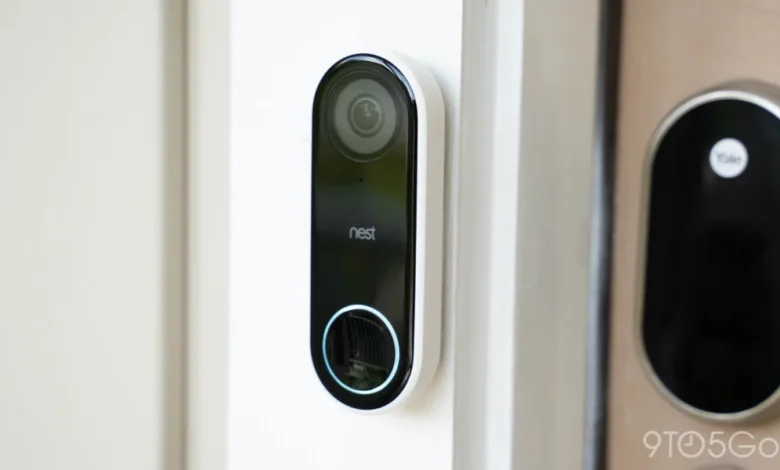
A widespread technical malfunction is currently impacting thousands of first-generation Google Nest Doorbell owners, leaving them unable to access live video feeds through the Google Home application. Originally introduced to the market as the Nest Hello, this legacy wired hardware has served as a cornerstone of residential smart home ecosystems for years. However, a recent wave of user complaints highlights a sudden and persistent breakdown in core functionality. Despite the growing volume of reports across multiple online communities and official support forums, Google has yet to officially acknowledge the glitch or provide an estimated timeline for a permanent software patch.
The disruption primarily affects the live-view capabilities within the modernized Google Home app interface. While push notifications and local alert integration continue to function under specific conditions, homeowners attempting to check their real-time camera feeds are met with loading errors, black screens, or connection timeouts. This unexpected software failure has raised concerns regarding the reliability of older smart home devices following architectural updates and platform migrations.
Scope of the Outage and Affected Hardware
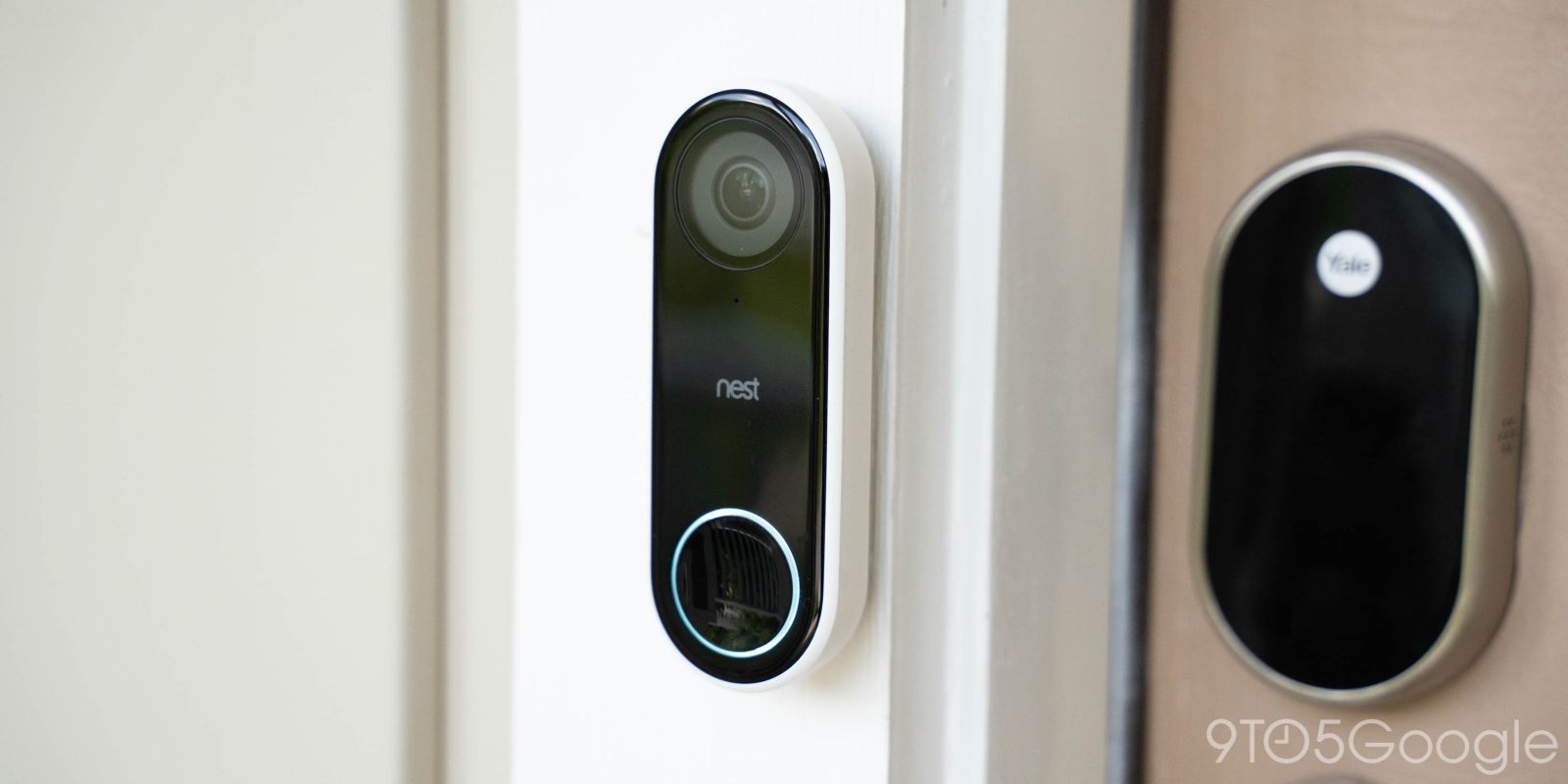
The core of the issue targets the first-generation wired video doorbell, widely recognized by its consumer moniker, the Nest Hello, though formally cataloged by Google as the Nest Doorbell (wired, 1st gen). Over the past several weeks, the Google Nest support forums and social media platforms, including Reddit, have experienced an exponential surge in troubleshooting inquiries. Nearly a dozen dedicated support threads have surfaced, with hundreds of users echoing identical complaints regarding missing live streams.
While the primary casualty of this bug is the original Nest Doorbell, scattered reports indicate that certain other first-generation Nest camera models may also be experiencing intermittent streaming inconsistencies. However, the concentration of failures remains heavily skewed toward the first-generation doorbell line. Intriguingly, historical data and user diagnostics show that secondary functions—such as audio announcements and ring notifications routed to Nest Hub smart displays—frequently continue to operate normally. This dichotomy suggests that local device communication remains intact, while cloud-based video transmission protocols routed through the Google Home app are encountering a severe bottleneck or outright blockage.
Chronology of the Disruption
The emergence of these live-view failures follows a trajectory closely tied to recent software deployments. At the end of October, Google rolled out a targeted firmware and software update designed for legacy Nest hardware. While the update was presumably intended to optimize performance or streamline security protocols across older device generations, it inadvertently laid the groundwork for significant compatibility hurdles.
Initial reports of connection drops and loading failures began trickling into online forums in mid-October. By early November, the issue evolved from isolated incidents into a widespread phenomenon. As more users completed migrations from legacy environments or received mandatory app updates, the inability to access live camera feeds transitioned into a systemic failure. Community managers and volunteer product experts on the Google Support forums have been inundated with logs and diagnostic requests, yet a unified resolution remains conspicuously absent.
Technical Speculation: The WebIntent and WebRTC Transition
In the absence of an official corporate statement, technologically proficient members of the smart home community have attempted to diagnose the root cause of the outage. A prominent hypothesis circulating within online discussion boards points toward Google’s ongoing backend migration to WebRTC (Web Real-Time Communication) protocols.
WebRTC is designed to facilitate peer-to-peer communication, reducing latency and improving streaming efficiency for modern video and audio applications. However, retrofitting older hardware architectures—such as the processing chips and firmware frameworks embedded within the first-generation Nest Hello—to modern streaming standards frequently introduces compatibility obstacles. While some advanced users have attempted specialized network workarounds and local DNS reconfigurations based on this WebRTC theory, empirical testing demonstrates that these fixes fail to provide reliable, long-term restoration of the live feed. Consequently, consumers are left dependent on a server-side intervention from Google engineers.
Corporate Silence and Consumer Frustration
As of press time, Google has not published an official advisory or a known-issues bulletin addressing the Nest Hello live-view crisis. Standard automated troubleshooting steps—such as power-cycling the doorbell, resetting Wi-Fi connections, and reinstalling the Google Home application—have proven entirely ineffective for affected consumers.

The lack of formal communication has amplified frustration among the user base. For many homeowners, a video doorbell is not merely a convenience feature, but a critical component of residential perimeter security and package delivery management. The sudden loss of live-view access compromises situational awareness, particularly for individuals who rely on remote monitoring while away from their properties. Furthermore, because Google has progressively transitioned users away from the standalone Nest app and into the unified Google Home ecosystem, legacy hardware owners find themselves with limited alternatives for accessing their devices.
Broader Implications for the Smart Home Ecosystem
This ongoing incident highlights a recurring vulnerability within the modern consumer Internet of Things (IoT) landscape: the lifecycle management of legacy hardware. As technology conglomerates continually update cloud infrastructures, applications, and streaming protocols to support next-generation devices, maintaining backward compatibility for older hardware presents a formidable engineering challenge.
When major ecosystem providers migrate platforms—such as Google’s multi-year initiative to merge Nest functionalities into the Google Home framework—older devices inevitably face increased obsolescence risks. Incidents of this nature underscore the importance of transparent communication and robust long-term software support commitments from manufacturers. Consumers invest significantly in smart home deployments under the assumption of longevity; unexpected disruptions to core features on hardware that remains physically functional can erode consumer trust.
As the engineering teams at Google presumably investigate the root causes behind the streaming failures, affected users are advised to monitor official Google Nest support channels for future patch deployment announcements. In the interim, community-driven workarounds remain speculative, leaving the restoration of live-view functionality strictly dependent on an forthcoming backend update from the developer.