Google Pixel 11 Pro XL vs Pixel 10 Pro XL: Analyzing the Evolution of Efficiency and Design in the 2026 Flagship Market

The landscape of the premium smartphone market is set for a significant recalibration as Google prepares to unveil its latest flagship, the Pixel 11 Pro XL, on August 12, 2026. This release arrives at a critical juncture for the technology giant, as it seeks to solidify its position against dominant competitors like Apple and Samsung by prioritizing internal efficiency and refined hardware aesthetics over radical redesigns. While the previous year’s Pixel 10 Pro XL established a high watermark for Google’s hardware-software integration, the upcoming iteration focuses on addressing long-standing criticisms regarding thermal management, battery longevity, and modem reliability. As consumer hardware cycles lengthen due to rising global technology prices, the comparison between the Pixel 11 Pro XL and its predecessor has become a focal point for both enthusiasts and budget-conscious buyers evaluating the merits of annual upgrades versus the value of secondary-market hardware.
The August 12 Launch: A New Era for Google’s Flagship Portfolio
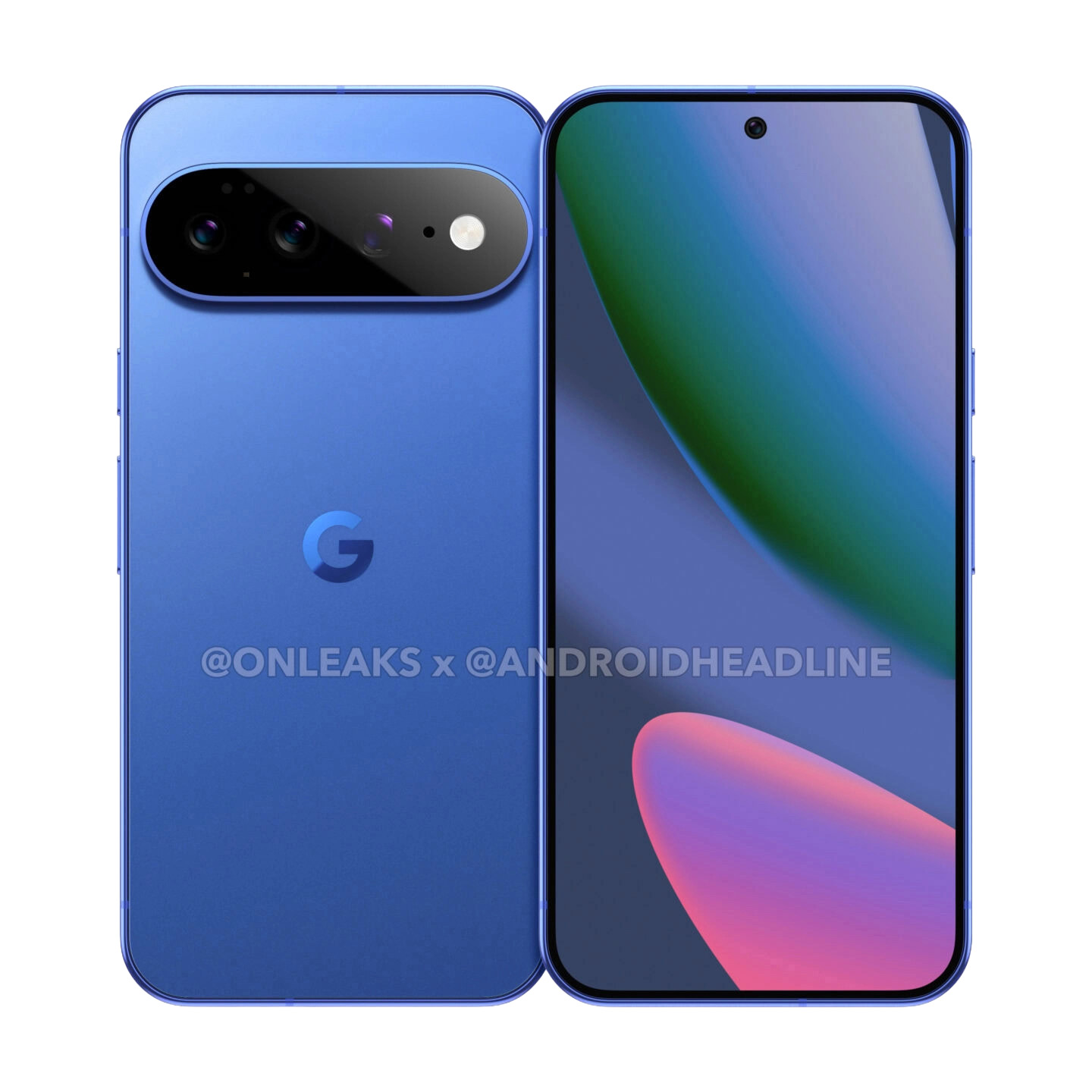
Google’s decision to schedule its primary hardware event for August 12 reflects a strategic shift in its release calendar, aiming to capture market attention ahead of the traditional autumn release cycles of its primary rivals. The Pixel 11 Pro XL serves as the vanguard of this 2026 lineup, representing the most advanced expression of Google’s "AI-first" philosophy. Historically, the "XL" designation has signaled Google’s intent to compete in the ultra-premium segment, offering maximum screen real estate and the most robust camera arrays available in the Android ecosystem.
The 2026 release cycle is characterized by a "refinement-first" approach. Industry analysts suggest that while the physical footprint of the device remains largely consistent with the 2025 model, the internal architecture has undergone its most significant transformation since the transition to the original Tensor silicon. This evolution is driven by the necessity to support increasingly complex generative AI models, such as the Gemini suite, which require higher sustained performance and more efficient power delivery.
Silicon Advancements: The Transition to 2nm Architecture and Tensor G6
The core differentiator for the Pixel 11 Pro XL is the rumored Tensor G6 processor. For several generations, Google’s proprietary silicon has faced scrutiny regarding its performance-per-watt metrics compared to Qualcomm’s Snapdragon and Apple’s A-series chips. The Tensor G6 aims to bridge this gap by utilizing a 2nm manufacturing process, a jump from the 3nm or 4nm processes used in previous years.
Supporting data from semiconductor supply chains indicates that the move to a 2nm node can result in performance gains of approximately 15% in daily operations while simultaneously reducing power consumption by up to 25%. This efficiency is not merely about speed; it is a fundamental requirement for the Pixel 11 Pro XL’s cooling profile. By generating less heat during intensive tasks, the device can maintain peak performance for longer durations, a feature that was occasionally a point of contention with the Tensor G5-powered Pixel 10 Pro XL.
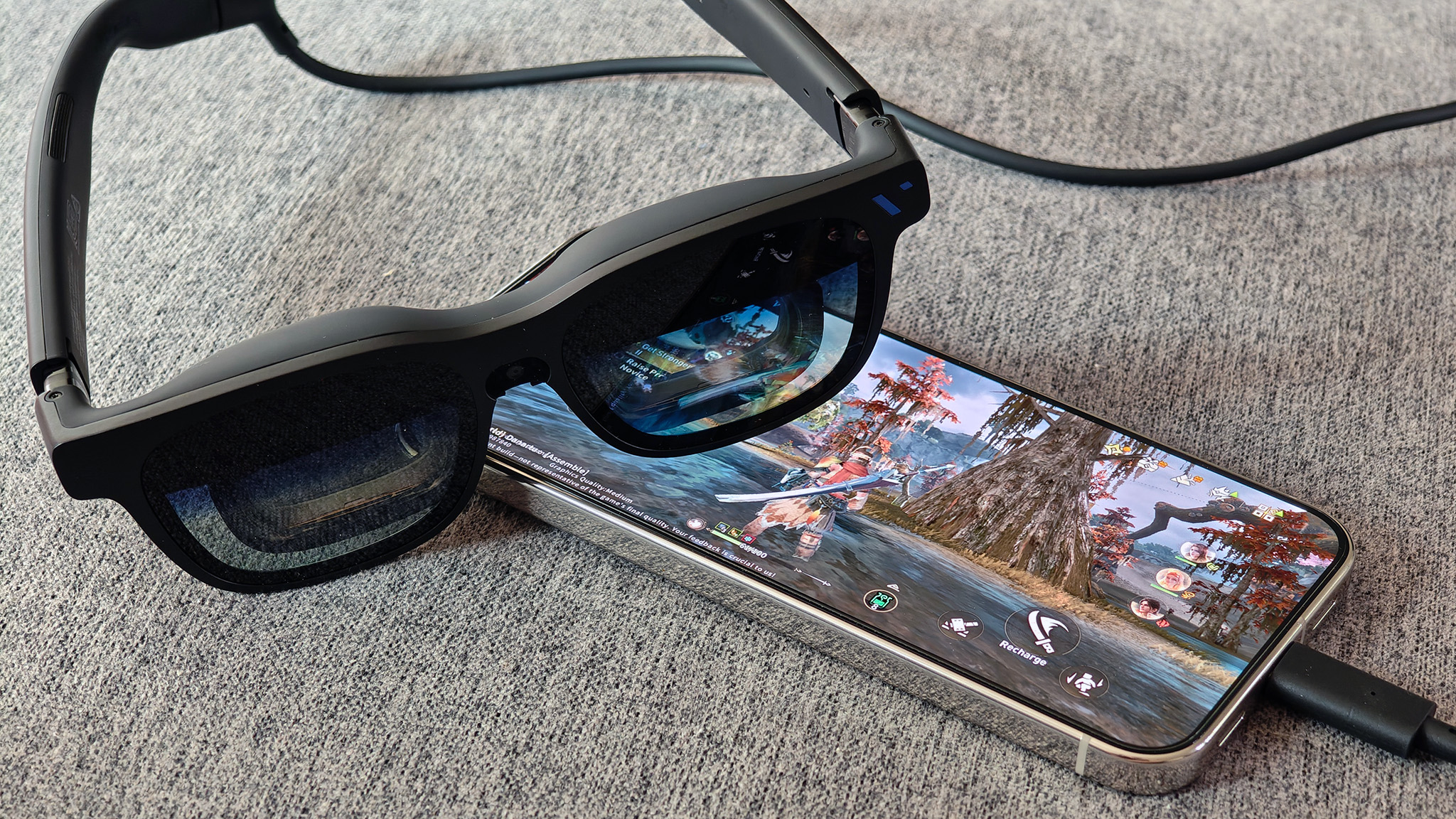
Furthermore, the integration of a newer PowerVR GPU, compatible with the Vulkan 1.4 API, marks a significant upgrade for mobile gaming and professional-grade rendering. This update ensures that the Pixel 11 Pro XL can handle the next generation of mobile titles with more sophisticated lighting and physics engines, providing a more competitive edge in the high-end gaming market.
Design Aesthetics: The Introduction of Pixel Glow and Refined Ergonomics
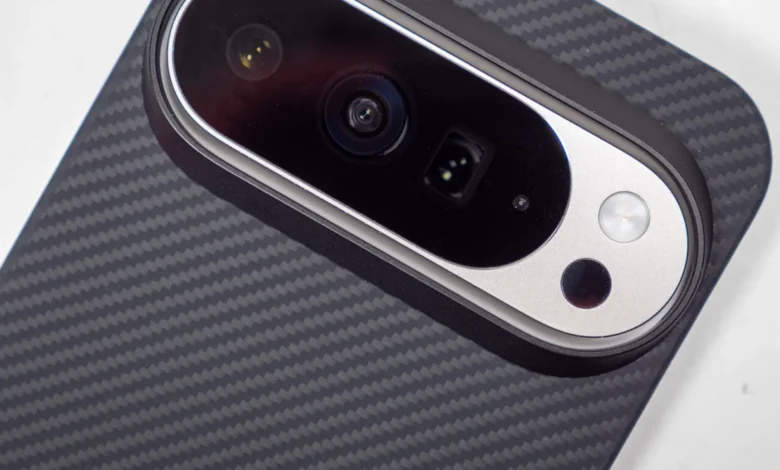
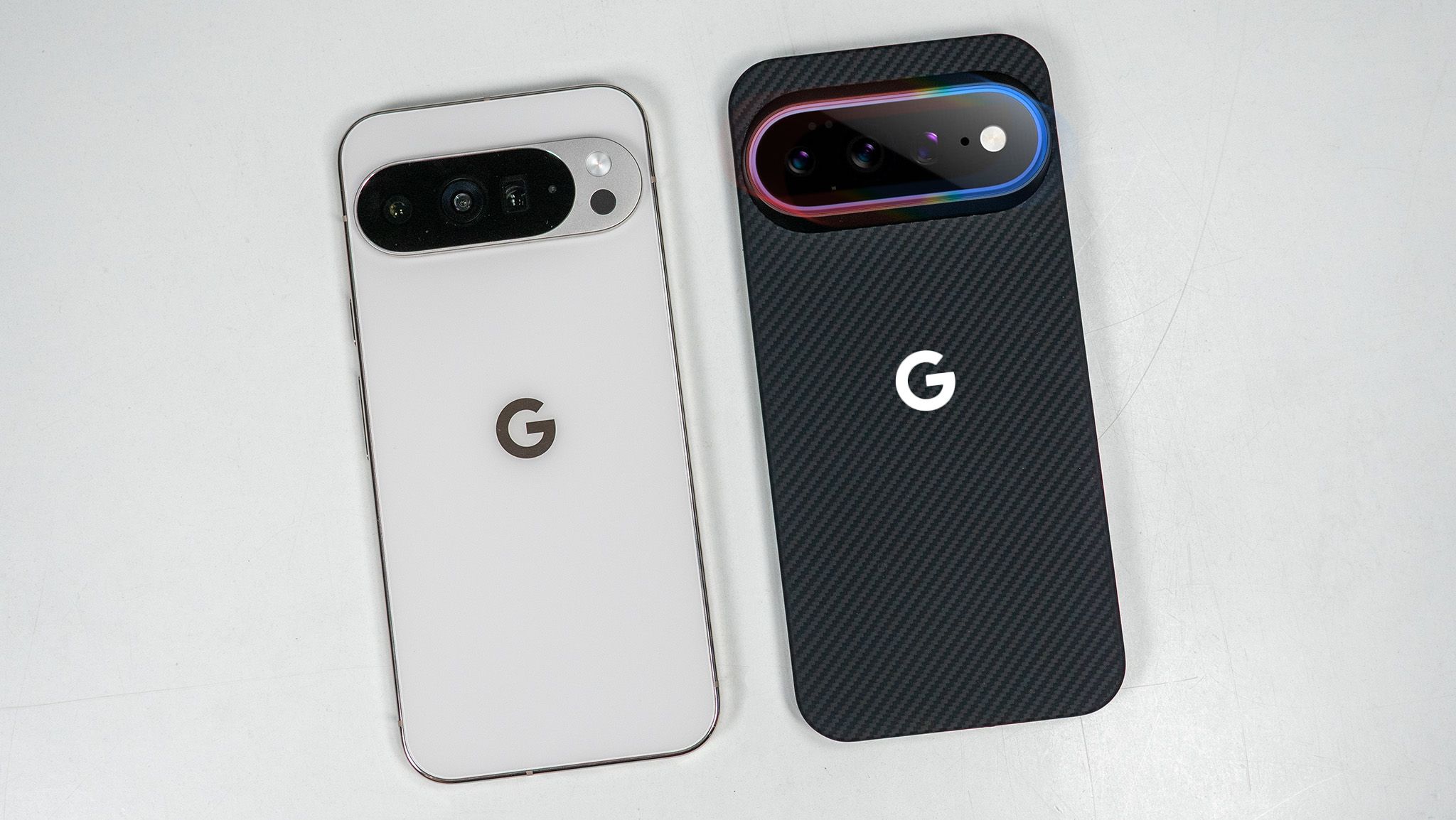
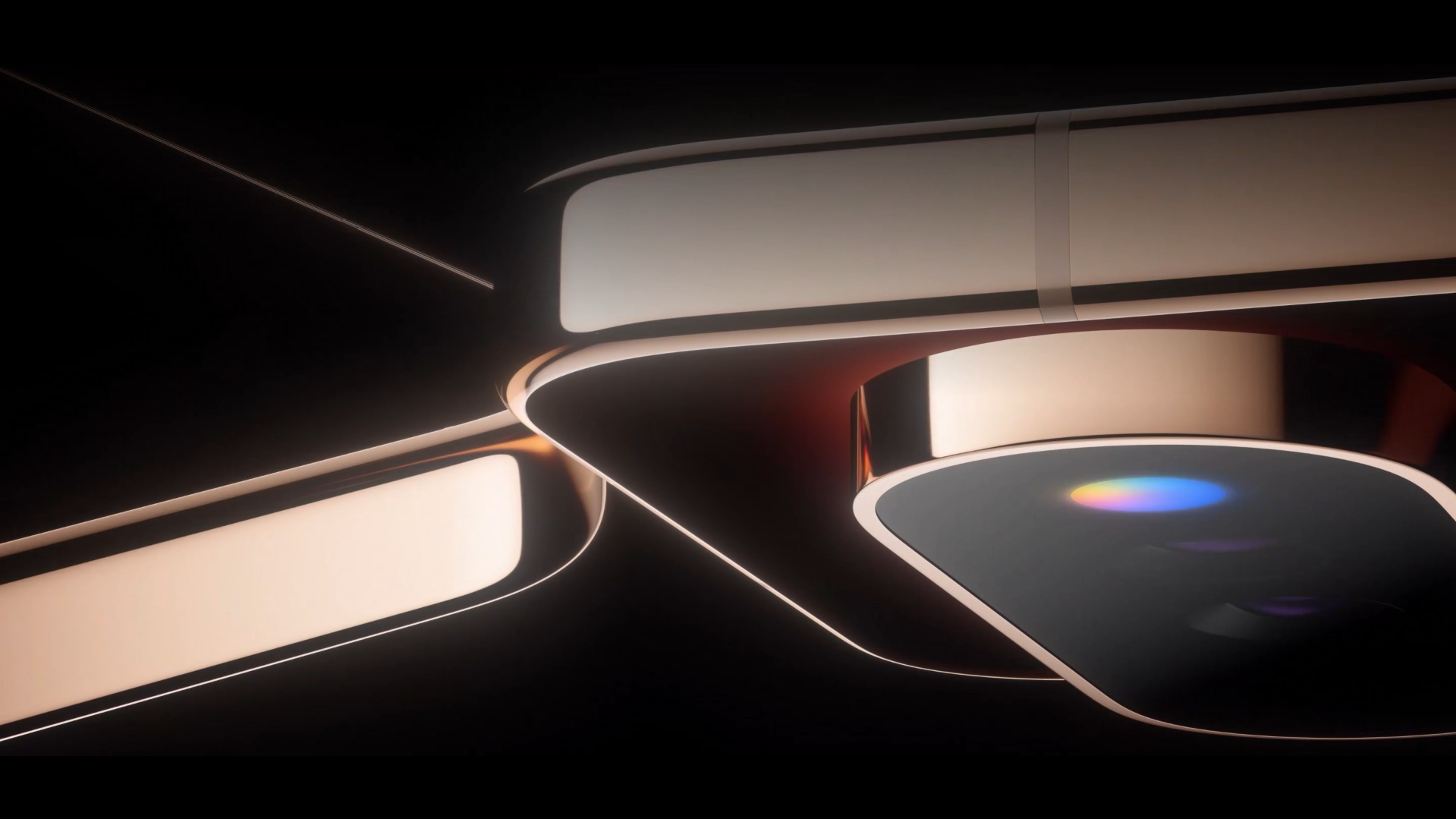
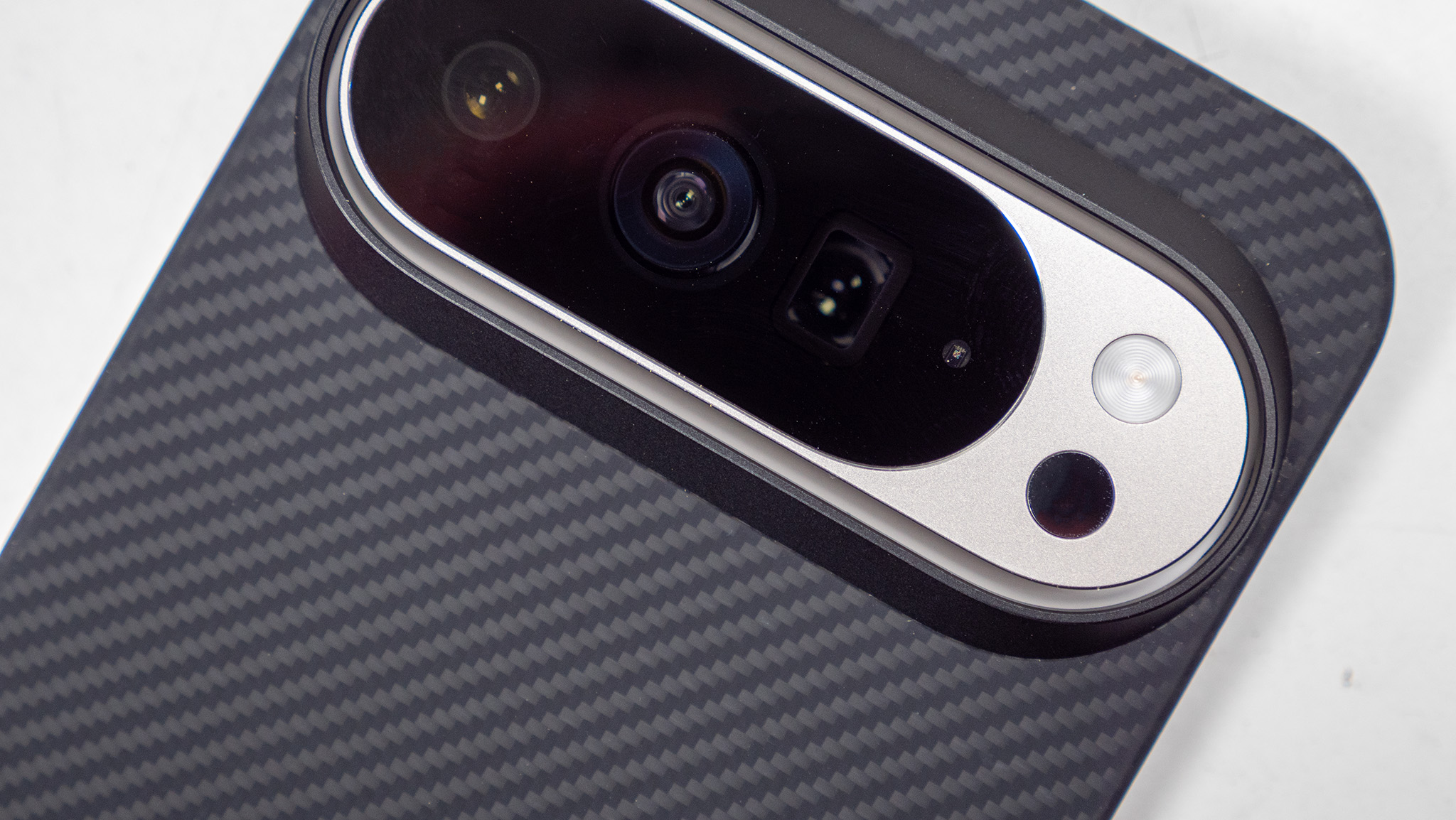
While the silhouette of the Pixel 11 Pro XL remains familiar, Google has introduced a distinctive visual element known as "Pixel Glow." This feature involves a sophisticated LED ring integrated into the camera bar, positioned around the flash unit and sensors. Unlike traditional notification LEDs, Pixel Glow is expected to offer a multi-colored, contextual experience.
Based on early hardware leaks and case prototypes from manufacturers like Thinborne, the Pixel Glow system is designed to provide visual feedback for various system states. This includes pulsing patterns when interacting with the Gemini AI assistant, specific color-coding for priority notifications, and perhaps even a countdown timer for the camera’s shutter. This design choice draws comparisons to the "Glyph" interface popularized by Nothing, but Google’s implementation appears more integrated into the existing brand identity of the horizontal camera bar.
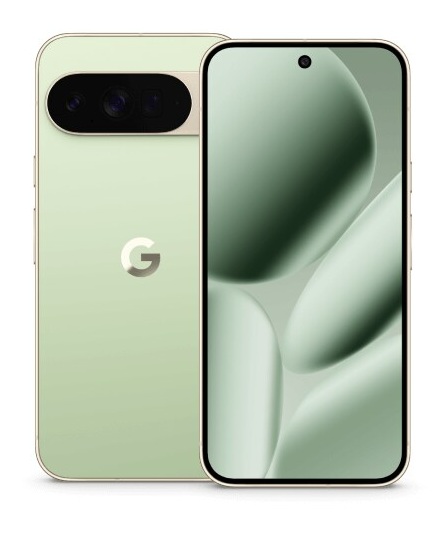
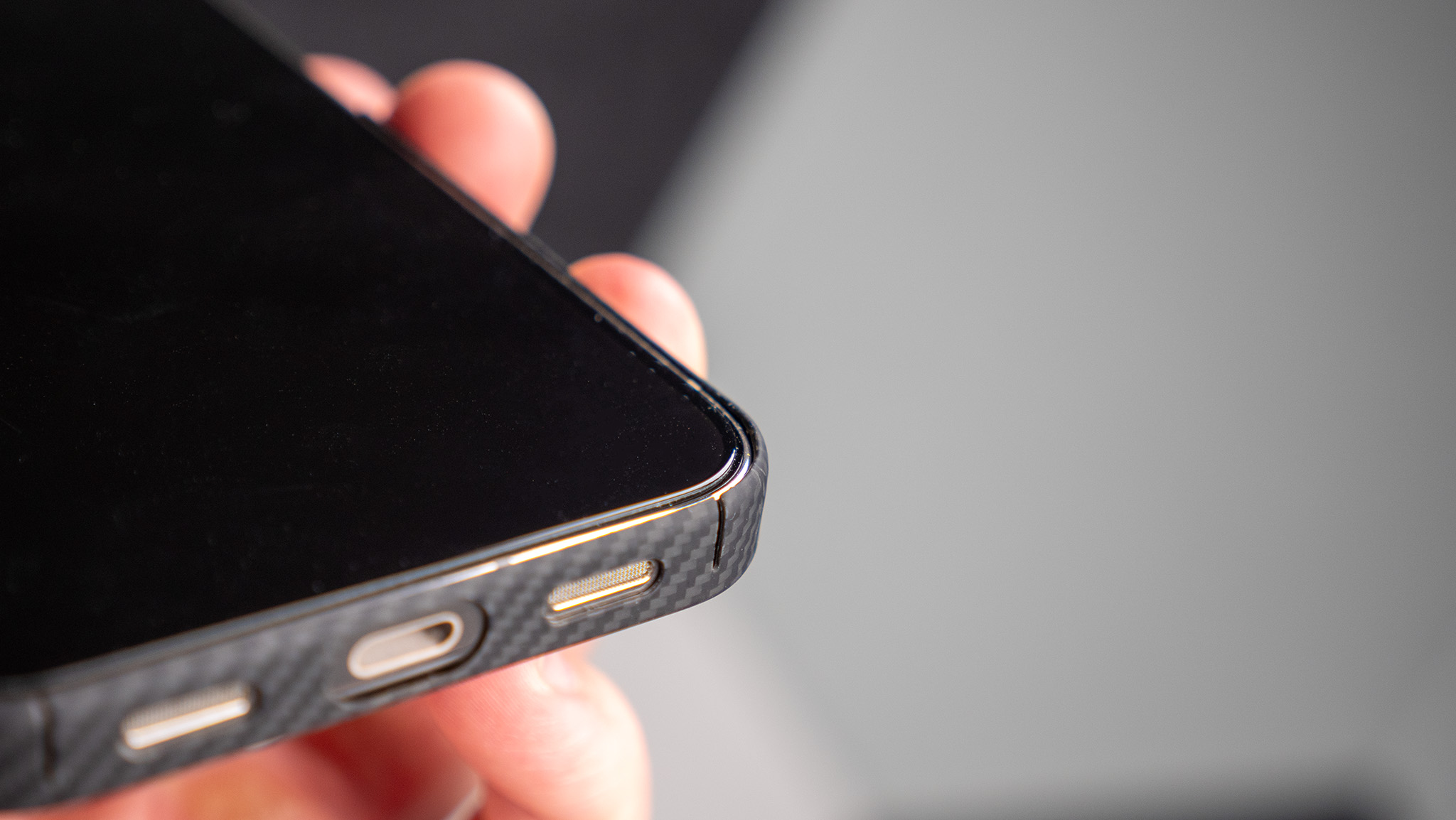
Ergonomically, the Pixel 11 Pro XL features subtle but impactful changes. The power and volume buttons have been shifted slightly downward to improve accessibility for one-handed use on the large 6.8-inch frame. Additionally, refinements in microphone placement suggest an emphasis on improved spatial audio capture and noise cancellation during calls and video recording.
Battery Life and Thermal Efficiency: Addressing Historical Pain Points
Battery performance remains the primary metric for many flagship consumers. The Pixel 10 Pro XL featured a 4,870mAh battery, which provided reliable all-day use for most users. However, the Pixel 11 Pro XL is rumored to increase this capacity to a round 5,000mAh. While a 130mAh increase might seem marginal, its impact is amplified by the aforementioned efficiency of the Tensor G6 and a new MediaTek modem.
Connectivity issues and excessive battery drain on mobile data have been recurring themes in user feedback for previous Pixel generations. The shift to a more advanced MediaTek modem in the Pixel 11 Pro XL is expected to yield a 20% to 30% improvement in cellular efficiency. This means that in areas with weak signal, where the phone traditionally works harder and consumes more power to maintain a connection, the Pixel 11 Pro XL will likely remain cooler and last significantly longer than the Pixel 10 Pro XL.
Charging speeds are expected to remain stable at 45W wired and 25W wireless via Qi2-certified chargers. The inclusion of "Pixelsnap" magnets—Google’s answer to MagSafe—ensures compatibility with a wide ecosystem of magnetic accessories, a feature that has become a standard expectation in the premium tier.
The Evolution of Super Actua Displays and Visual Accessibility
Google’s "Super Actua" display technology continues to be a highlight of the Pro XL series. Both the 2025 and 2026 models utilize 6.8-inch LTPO OLED panels with a 120Hz refresh rate and QHD+ resolution. However, the Pixel 11 Pro XL is expected to push the boundaries of peak brightness even further, potentially exceeding 3,000 nits to ensure legibility in direct mid-day sunlight.
A significant focus for the 2026 model is visual health and accessibility. Building on the "Sensitive Eyes" and "Comfort Filters" introduced in previous updates, the Pixel 11 Pro XL is rumored to feature an improved Pulse Width Modulation (PWM) dimming rate. This is a crucial development for users sensitive to screen flicker at low brightness levels, a demographic that has historically been vocal about the health impacts of OLED technology. By increasing the frequency of the display’s flicker, Google aims to reduce eye strain and headaches for a broader range of users.
Computational Photography: Refinement Over Revolution
The Pixel 10 Pro XL’s camera system was praised for its motion-capture capabilities—specifically for moving subjects like children and pets—but faced some criticism regarding the reliability of its telephoto lens and video processing. The Pixel 11 Pro XL retains the triple-lens configuration: a 50MP wide main sensor, a 48MP ultrawide, and a 48MP periscope telephoto with 5x optical zoom.
The primary improvements in the 2026 model are expected to be software-driven, powered by the enhanced Neural Processing Unit (NPU) within the Tensor G6. Google is reportedly focusing on "Video Boost" refinements to close the quality gap with Apple’s iPhone, particularly in low-light videography and HDR processing. While the Pixel 10 Pro XL remains a formidable photography tool, the Pixel 11 Pro XL’s ability to process complex computational tasks locally, rather than relying on cloud-based processing, may offer a faster and more seamless user experience.
Software Lifecycle and the Integration of Generative AI
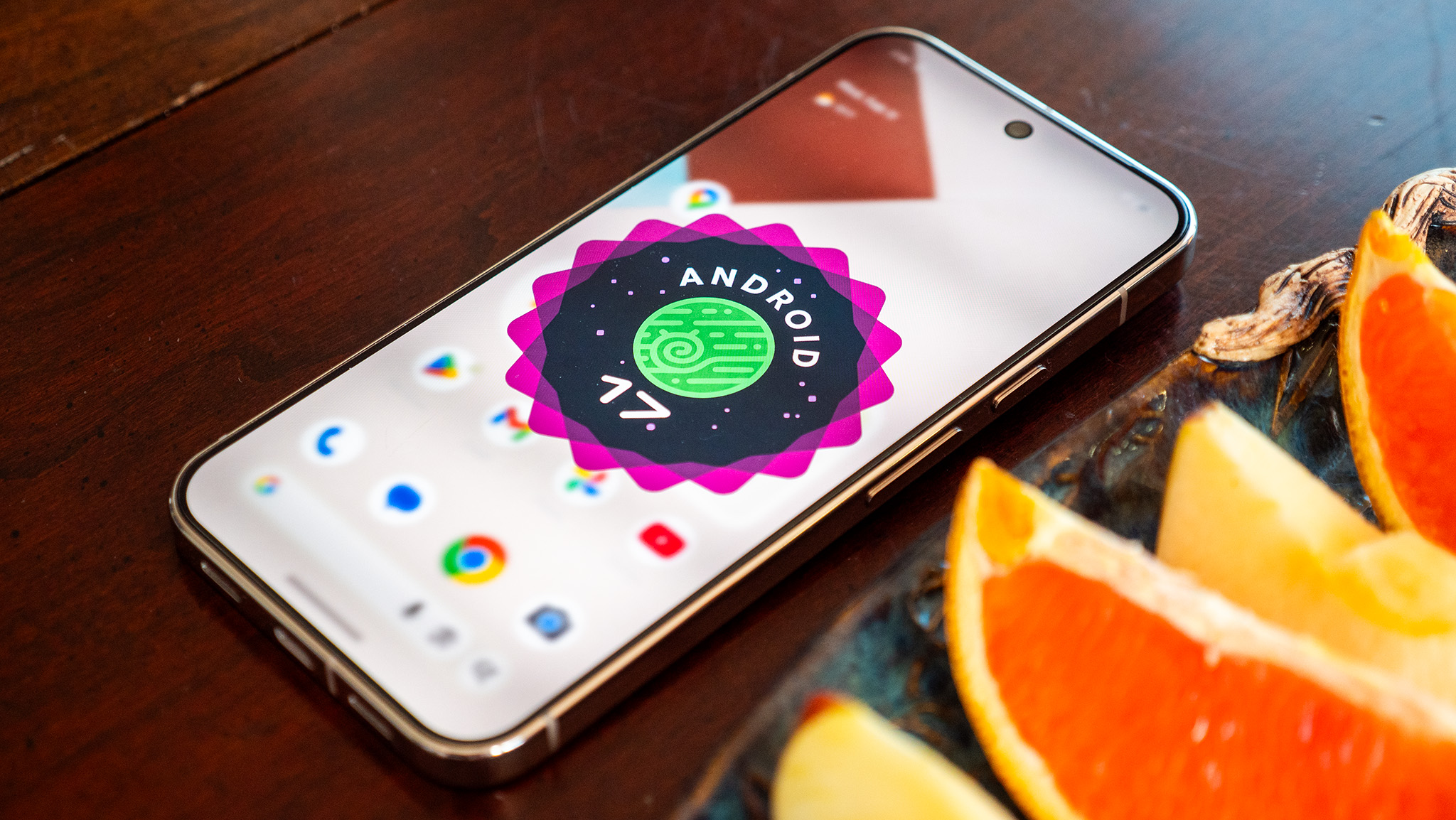
The Pixel 11 Pro XL will debut with Android 17, while the Pixel 10 Pro XL, originally launched with Android 15, will be eligible for the update shortly after. Google’s commitment to seven years of security and OS updates remains a cornerstone of its value proposition. This long-term support makes both the current and previous year’s models viable investments for users who do not plan to upgrade frequently.
Generative AI continues to be the central theme of the software experience. The Pixel 11 Pro XL is expected to introduce exclusive Gemini features that leverage the Tensor G6’s improved NPU. These may include real-time on-device video translation, more advanced "Magic Editor" capabilities, and a more proactive version of the Google Assistant that can perform complex tasks across multiple apps. While many of these features typically trickle down to older models, the hardware limitations of the Tensor G5 may mean that certain high-bandwidth AI tasks remain exclusive to the Pixel 11 series.
Market Dynamics: The Financial Logic of Previous-Generation Hardware
In an era where flagship smartphones frequently exceed the $1,000 threshold, the Pixel 10 Pro XL presents a compelling alternative for the 2026 consumer. As retailers clear inventory to make room for the Pixel 11 Pro XL, the 2025 model is likely to see significant price reductions.
For users coming from a Pixel 8 or earlier, the Pixel 10 Pro XL still represents a massive leap in display technology, camera performance, and AI capability. The "refinement-only" nature of the Pixel 11’s design means that the Pixel 10 Pro XL does not look or feel obsolete. For many, the 20% efficiency gain of the newer model may not justify the $300 to $400 price delta that often exists between a new release and a year-old flagship.
A Comparative Chronology of the Pixel Pro XL Series
To understand the trajectory of the Pixel 11 Pro XL, it is helpful to look at the development timeline of the series:
- August 2024: The Pixel 9 Pro XL reintroduces the "XL" branding, emphasizing a larger form factor and premium build quality.
- August 2025: The Pixel 10 Pro XL debuts the Tensor G5, focusing on AI integration and improved motion photography.
- Late 2025/Early 2026: Supply chain leaks confirm Google’s move to a 2nm manufacturing process for the next-generation Tensor chip.
- June 2026: Case manufacturers begin production of Pixel 11 Pro XL accessories, revealing the "Pixel Glow" camera bar cutout.
- August 12, 2026: Official launch of the Pixel 11 Pro XL, prioritizing thermal efficiency and the MediaTek modem upgrade.
Broader Impact and Industry Implications
The release of the Pixel 11 Pro XL signals Google’s maturation as a hardware manufacturer. By focusing on the "boring" but essential aspects of smartphone performance—modem efficiency, thermal management, and battery life—Google is addressing the final barriers to mainstream adoption.
The introduction of the 2nm Tensor G6 also places pressure on other Android manufacturers to prioritize custom silicon that is optimized for specific software experiences rather than relying solely on off-the-shelf components. Furthermore, the "Pixel Glow" feature indicates a trend toward functional aesthetics, where design elements serve a purpose beyond simple branding.
As the August 12 event approaches, the industry will be watching closely to see if Google can deliver on the promise of the "most efficient Pixel ever." For the consumer, the choice between the cutting-edge Pixel 11 Pro XL and the discounted, yet still powerful, Pixel 10 Pro XL will depend on how much they value the latest advancements in silicon efficiency and the unique visual flair of the new design. Regardless of the choice, Google’s steady iteration of the Pro XL line has successfully carved out a permanent and respected space in the high-end smartphone market.