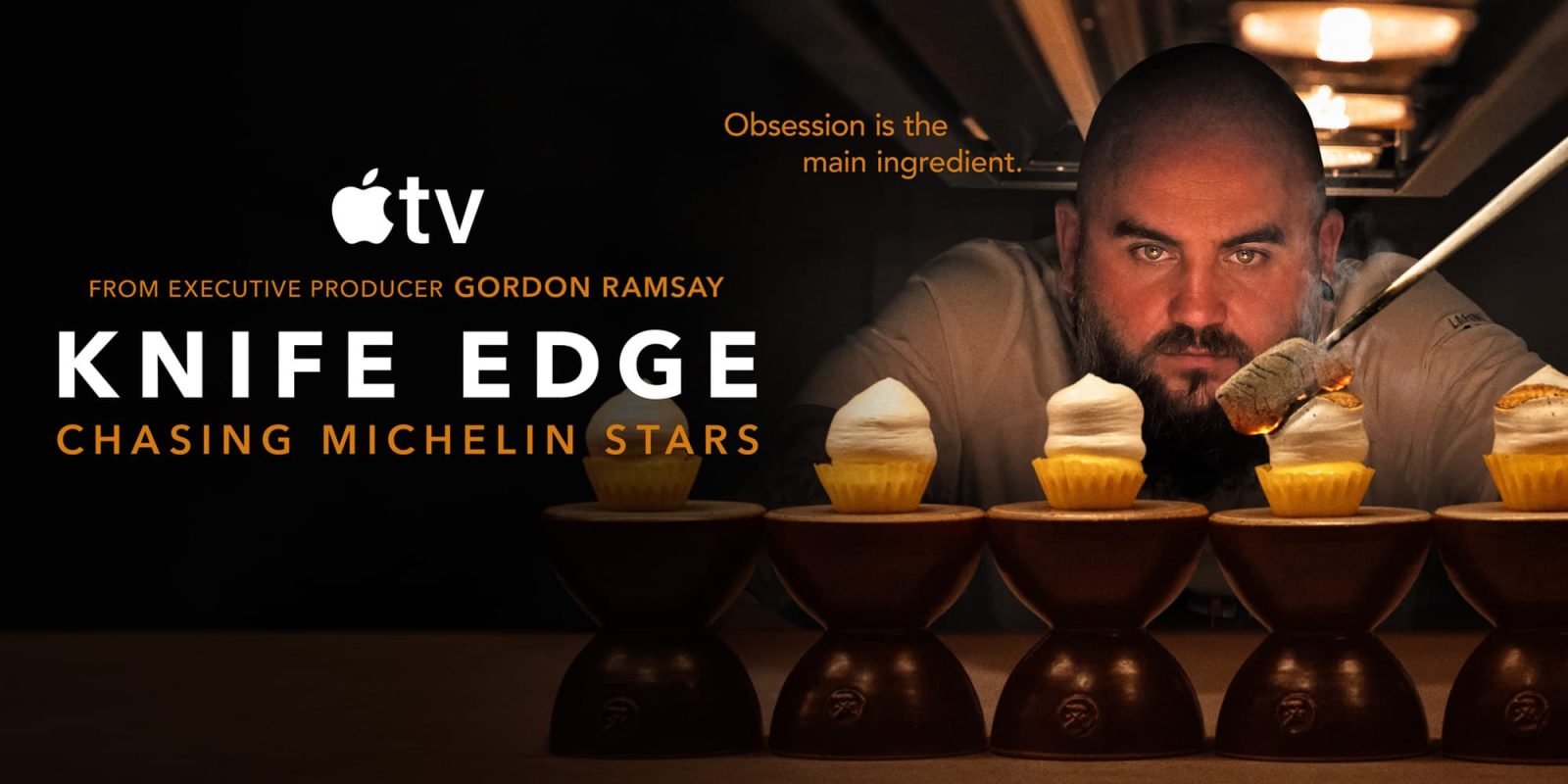
Knife Edge Chasing Michelin Stars has been officially renewed for a third season by Apple TV

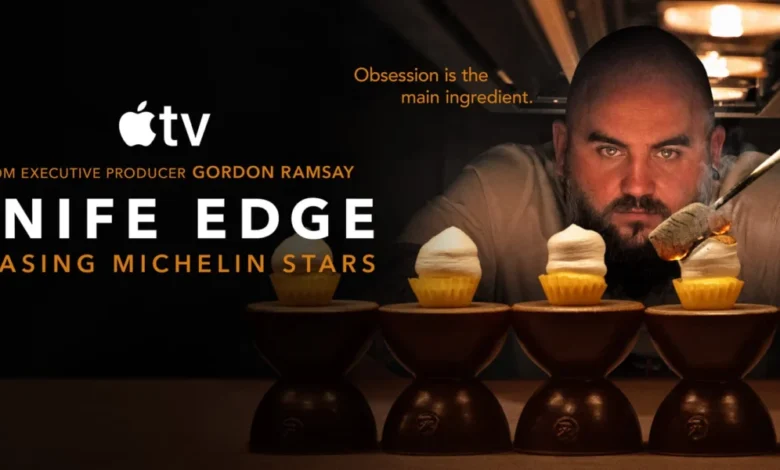
The high-stakes culinary docuseries Knife Edge: Chasing Michelin Stars will return for an eight-episode third season, Apple TV announced today. The renewal comes mere hours after the conclusion of the show’s second season, signaling a significant vote of confidence from the streaming platform in the series’ performance and critical reception. This announcement coincides with a busy day for Apple’s culinary content slate, which also saw the debut of the new series Awkwafina: The Unlikely Cook.
Since its debut in 2025, Knife Edge: Chasing Michelin Stars has established itself as a hallmark of the factual entertainment genre. Hosted by Topjaw’s Jesse Burgess and executive produced by culinary titan Gordon Ramsay, the series offers an intimate, often grueling look at the psychological and physical toll required to secure or maintain the world’s most coveted gastronomic recognition: the Michelin Star.
A Track Record of Critical Acclaim
The series arrived on the streaming landscape with immediate momentum. Upon its premiere in 2025, the show earned a perfect 100% score on the Tomatometer, a rare feat that underscored its appeal to both casual food enthusiasts and industry professionals. The production’s commitment to high-fidelity storytelling and its unflinching look at the hospitality industry did not go unnoticed by professional bodies.
In 2026, the show was honored with the Best Popular Factual Programme award at the Broadcast Digital Awards. Furthermore, its nomination for a BAFTA Television Award in the Factual Entertainment category cemented its reputation as a standard-bearer for the genre. By documenting the intersection of art, commerce, and human ambition, the series has moved beyond a simple “food show” to become a sociological study of high-performance environments.
The Anatomy of the Series
Each season of the show typically consists of eight episodes, with each installment dedicated to a specific restaurant navigating the Michelin process. The show’s narrative arc is structured around the tension inherent in the Michelin Guide’s rigorous inspection process. Restaurants featured in the series often represent the bleeding edge of global cuisine, ranging from the Latin American three-star powerhouse Evvai in Brazil to the rugged, remote refinement of the two-star Ynyshir in Wales.
The production team, led by Jesse Burgess, has been lauded for its “fly-on-the-wall” approach. Rather than focusing solely on the plated food, the camera work emphasizes the internal dynamics of the kitchen, the strain on relationships between chefs, and the immense financial pressure that follows the pursuit of a star. This focus on the "human cost" of perfection is what has separated the show from its contemporaries in the crowded culinary television space.
Official Statements and Creative Vision
The renewal was accompanied by a statement from host Jesse Burgess, who expressed his enthusiasm for continuing the project. "What I love most about making Knife Edge is that, however much time I spend in restaurants around the world, I’m constantly surprised by the extraordinary people and stories we discover," Burgess stated. "Behind every restaurant is a very personal journey, and for the chefs we follow, a Michelin Star can represent years of sacrifice, obsession, and an enormous amount of hard work. It’s a privilege to be able to tell these stories, and I’m absolutely thrilled that we get to do it all again for a third season."
Executive producer Gordon Ramsay, whose own career has been defined by the pursuit of Michelin stars, has reportedly been instrumental in shaping the show’s tone. His involvement ensures that the technical details regarding kitchen management and culinary standards remain authentic, lending the show a level of industry credibility that is often lacking in more commercial cooking programs.
The Michelin Star: A Global Economic and Cultural Driver
To understand the stakes of the series, one must consider the profound impact a Michelin Star has on a restaurant’s viability. For a high-end establishment, a star is not merely an aesthetic award; it is a vital economic catalyst. Research indicates that receiving a single Michelin star can increase a restaurant’s revenue by as much as 20% to 30%, while the loss of a star can be devastating, often leading to a significant drop in bookings and, in some cases, the closure of the establishment.
The series captures this dynamic with precision. By following restaurants as they compete to earn, retain, or increase their ratings, the show provides a masterclass in risk management and operational discipline. The "knife edge" in the title is not hyperbolic; it reflects the razor-thin margin between a restaurant that defines a city’s culinary scene and one that struggles to remain solvent.
The Broader Landscape of Culinary Streaming
The success of Knife Edge: Chasing Michelin Stars is emblematic of a broader trend in streaming television: the "prestige docuseries." As audiences move away from traditional competitive cooking shows—which often rely on artificial drama and manufactured tension—there is a growing demand for content that explores the actual, unscripted challenges of professional life.
Apple TV’s decision to greenlight a third season demonstrates the platform’s strategy of investing in high-quality, long-form documentary content. By balancing its portfolio with shows like Awkwafina: The Unlikely Cook—which provides a more comedic, celebrity-driven take on the culinary world—alongside the gritty, high-stakes narrative of Knife Edge, Apple is attempting to capture a diverse cross-section of the streaming market.
Looking Ahead to Season Three
While details regarding the specific restaurants to be featured in the upcoming third season remain under wraps, expectations are high. The production team has historically focused on geographic diversity, ensuring that the show reflects the global nature of modern fine dining. Speculation suggests that the third season may pivot toward emerging culinary hubs in Southeast Asia or further explore the post-pandemic evolution of fine dining in major European capitals.

Furthermore, the industry is closely watching how the show might address the evolving criteria of the Michelin Guide itself. As the guide has begun to place more emphasis on sustainability and ethical sourcing—evidenced by the introduction of the Michelin Green Star—it is highly probable that the show’s upcoming episodes will incorporate these themes into their narrative framework.
Industry Implications and Future Prospects
The renewal of this series serves as a bellwether for the culinary entertainment industry. As viewers become more sophisticated in their understanding of food systems, the demand for transparency and authentic storytelling will likely continue to rise. Shows that treat the hospitality industry with respect—acknowledging the labor, the mental health challenges of kitchen life, and the sheer financial volatility involved—are finding the most success in the current climate.
For Apple TV, the continued investment in Knife Edge: Chasing Michelin Stars is a strategic move to solidify its position as a home for prestige non-fiction programming. The show has successfully transitioned from a niche interest for foodies to a broader cultural phenomenon, proving that the tension of the professional kitchen provides a universal narrative hook that resonates with audiences globally.
As the production team gears up for the next phase of filming, the culinary world will be watching to see which establishments have the courage to open their doors to the scrutiny of the camera. In an industry where reputation is everything, participating in a series that highlights the fragility of success is a bold choice, yet one that has proven to be immensely rewarding for those featured in the show’s first two seasons.
With its consistent critical acclaim, strong viewership numbers, and the backing of one of the industry’s most respected names in Gordon Ramsay, Knife Edge: Chasing Michelin Stars is well-positioned to maintain its status as the premier culinary docuseries for the foreseeable future. The announcement of a third season ensures that the narrative of sacrifice, ambition, and the relentless pursuit of perfection will continue to find an audience, further cementing the show’s place in the pantheon of modern television.