Apple iPhone Duo delivery dates continue to move up for early adopters as supply chain constraints show signs of easing.


In a welcome development for consumers who placed early pre-orders for Apple’s flagship folding device, the iPhone Duo, many delivery estimates have been significantly accelerated. Customers who were previously facing an agonizing wait until late January 2026 are now receiving notifications that their shipments will arrive in time for the holiday season. According to reports surfacing across the MacRumors forums and social media platform X, delivery windows previously set for January 25 have been pulled forward to mid-December, with some lucky users seeing expected arrival dates as early as December 12.
This shift in logistics suggests that Apple’s manufacturing partners may have finally overcome initial production bottlenecks that plagued the device’s rollout. For a product that has been subject to intense scrutiny regarding both its innovative design and its manufacturing complexity, this improvement in shipping efficiency marks a critical turning point for Apple as it heads into the final fiscal quarter of the year.
A Chronology of the iPhone Duo Launch
The path to the iPhone Duo’s release has been anything but conventional. When the device was first announced, anticipation reached a fever pitch, leading to record-breaking pre-order numbers that instantly outstripped initial supply.
- October 2026: Apple retail staff were briefed on the impending supply crunch, with internal memos advising store managers to discourage walk-in customers from attempting to purchase the device on launch day. The directive was clear: without a confirmed pre-order, the likelihood of securing an iPhone Duo was near zero.
- October 23, 2026: The official launch date saw long queues at major Apple retail locations, though many were met with "out of stock" signage. Shortly thereafter, early adopters began reporting "hinge-related" screen anomalies, leading to widespread online discussions regarding the durability of the folding display.
- November 2026: As the dust settled on the launch, the initial delivery estimates for new orders were pushed well into the following year, with January 25, 2027, becoming the standard date for those who missed the first wave of allocations.
- November 12, 2026: The current trend of accelerating delivery windows began to manifest. Users who had resigned themselves to a post-holiday arrival are now finding their devices prepared for shipping, effectively saving the holiday season for many gift-givers.
Analyzing the Supply Chain Recovery
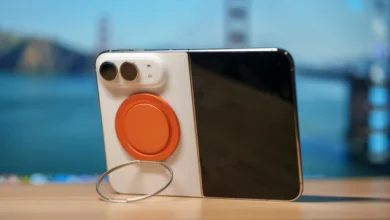
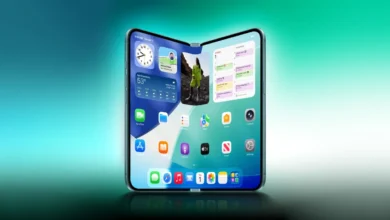
The rapid improvement in delivery timelines is an indicator of stabilization within the high-end electronics manufacturing sector. The iPhone Duo, characterized by its complex dual-screen folding mechanism and specialized hinge architecture, requires a higher degree of precision during assembly than traditional slate-style smartphones.
Industry analysts note that the initial "January 25" date was likely a conservative buffer put in place by Apple to manage expectations amidst reports of component shortages and high defect rates during the early production phase. By compressing the manufacturing timeline, Apple is demonstrating a successful optimization of its supply chain. This is often achieved through a combination of increased yield rates at manufacturing facilities and a more robust logistics strategy that prioritizes regional fulfillment centers.
However, while the wait times for existing order-holders are improving, the situation remains static for new customers. The Apple online store continues to display a January 25 delivery window for any new purchases made today. This discrepancy indicates that while Apple has cleared the backlog for existing pre-orders, they are not yet producing enough units to satisfy the ongoing demand for new stock.
Addressing Quality Control Concerns
The excitement surrounding the improved delivery times is tempered by the lingering discussions regarding the device’s build quality. In late October, shortly after the device hit the market, several users reported a phenomenon dubbed "Crackgate." According to reports on social media and technology forums, users noticed a thin line of bright, dead pixels appearing along the primary axis of the folding hinge.
In some instances, users claimed these defects appeared after fewer than 20 folds. While the exact failure rate remains unconfirmed by Apple, the company’s support channels have reportedly been busy processing warranty claims. The correlation between the initial, rushed manufacturing batches and these reported screen issues has led some industry experts to speculate that the accelerated delivery dates for newer units might be benefiting from improved assembly processes that mitigate these specific hinge-related stresses.

For current owners, Apple’s standard limited warranty and AppleCare+ coverage remain the primary safety net. The company has not issued a formal recall, suggesting that they view these reports as isolated incidents rather than a systemic design flaw.
Implications for the Consumer and the Market
The iPhone Duo represents Apple’s most significant hardware gamble in years. By entering the foldable market, the company is attempting to redefine the utility of the smartphone, transitioning from a single-screen interface to a multi-modal experience. The software experience has been a major point of focus, with developers and Apple engineers alike working to ensure that core apps function seamlessly in both folded and unfolded orientations.
The move to accelerate shipments has several broader implications:
- Revenue Recognition: By getting these units into customers’ hands before the end of the calendar year, Apple is able to recognize that revenue within the holiday quarter, which is historically the company’s strongest.
- Consumer Sentiment: The psychological impact of receiving a device early cannot be overstated. After the frustration of the initial launch, the "Christmas miracle" of early delivery serves to restore consumer confidence in the brand.
- Market Positioning: With competitors also vying for the foldable market share, Apple’s ability to stabilize its supply chain and provide a consistent user experience will be the ultimate factor in whether the iPhone Duo becomes a mainstream success or remains a niche product.
The Road Ahead
As we approach the end of 2026, all eyes will be on the retail performance of the iPhone Duo. While the logistical hurdle of getting the product to customers has been partially addressed, the long-term viability of the device will depend on the real-world durability of the hinge and the ongoing support of the developer community to optimize applications for the unique form factor.
For now, the customers who were notified of their updated delivery windows can look forward to integrating the iPhone Duo into their daily routines. For those still waiting, the shift in dates serves as a signal that the bottleneck is loosening, even if the timeline for new orders remains cautious.
Apple has not provided a specific comment regarding the production changes, which is consistent with the company’s historical approach to supply chain management. However, the data provided by the user community—ranging from forum threads to shipping confirmation screenshots—provides a clear picture of a company working to navigate the complexities of launching a revolutionary hardware product.
As the holiday season approaches, the focus for many will shift from the frustration of long wait times to the actual experience of using the device. Whether the iPhone Duo will set a new standard for mobile computing or serve as a cautionary tale of early-adopter risks remains to be seen. What is certain, however, is that Apple is committed to clearing its backlog and ensuring that as many customers as possible have the device in their hands before the year is out.
For the tech industry, the lessons learned from the iPhone Duo launch—from the initial retail constraints to the subsequent shipping speed-up—will likely inform how future folding devices are brought to market. The balance between maintaining high-quality standards and meeting aggressive consumer demand is a delicate one, and the current situation serves as a prime example of the challenges involved in high-stakes consumer electronics manufacturing.