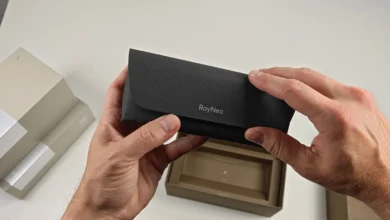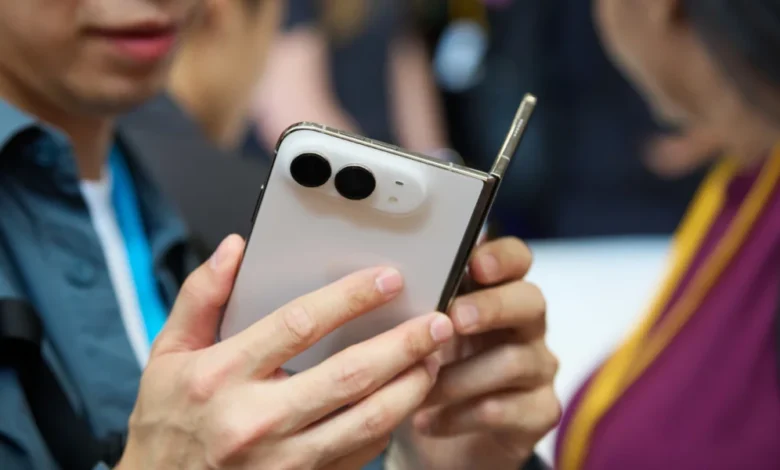
The arrival of the iPhone Duo in late 2026 represents a watershed moment for Apple, marking the company’s first major foray into the foldable smartphone market. While early consumer reports from the first week of availability suggest a divided user base, the device serves as a critical test for the future of mobile hardware. As Apple attempts to bridge the gap between a traditional smartphone and a tablet-like experience, the initial feedback highlights a fundamental tension between cutting-edge engineering and established user habits.
Chronology of the iPhone Duo Launch
The journey to the iPhone Duo began long before its September 2026 unveiling. For years, industry analysts had speculated on when Apple would abandon its steadfast commitment to the slab-style smartphone design in favor of a flexible display.
- 2023–2024: Patents surfaced detailing various hinge mechanisms and foldable screen technologies, fueling rumors of a "Fold" project.
- September 2026: During the annual Apple Special Event, the company officially announced the iPhone Duo, positioning it as a premium device for "power users" who require more screen real estate without sacrificing portability.
- October 2026: The device hit store shelves globally. Initial supply was constrained, leading to significant wait times and a surge in secondary-market interest.
- Late October 2026: The first wave of real-world usage data began to emerge as early adopters shared their experiences regarding ergonomics, battery life, and the efficacy of the folding mechanism.
Design Philosophy and Technical Specifications
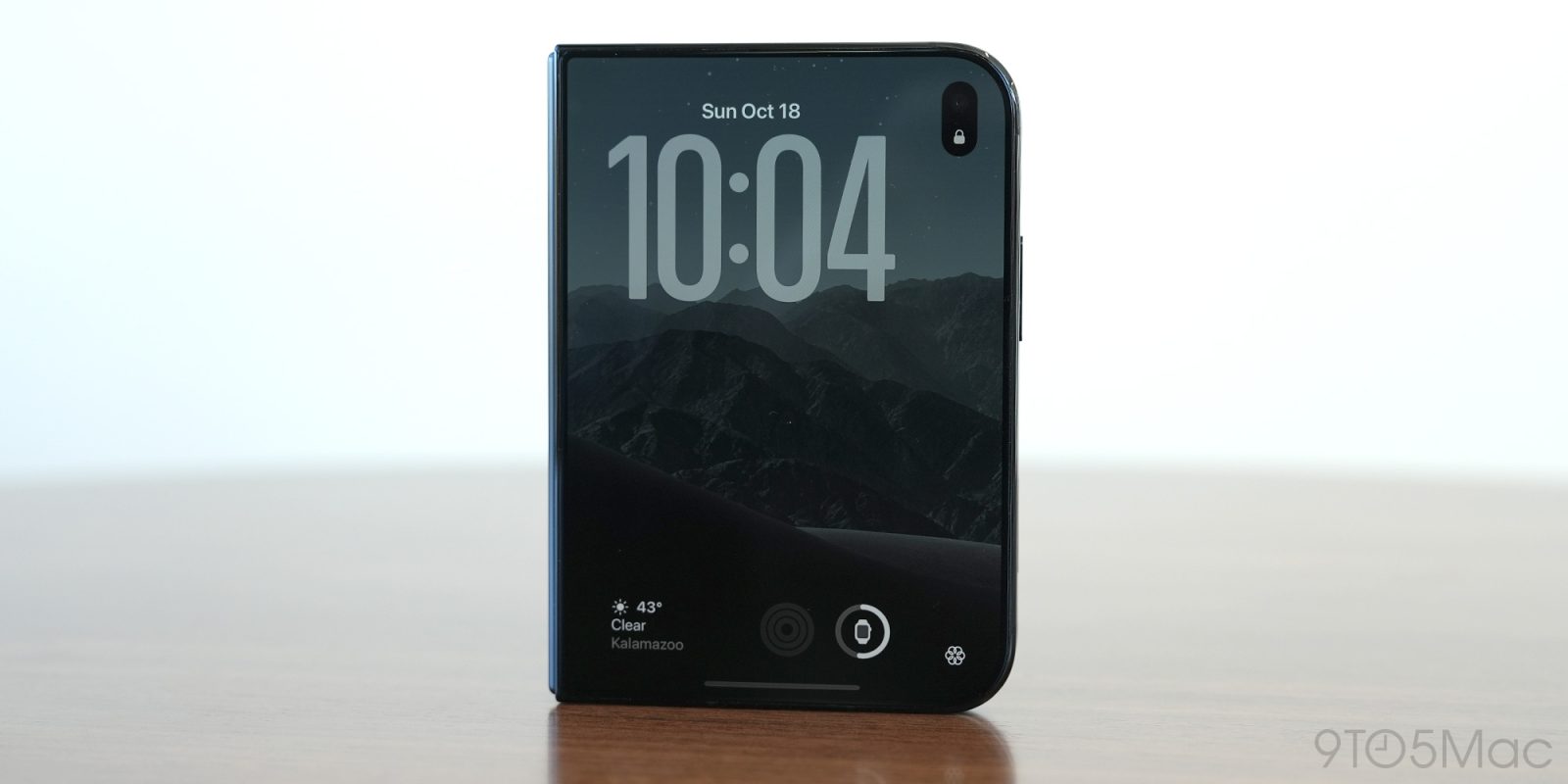
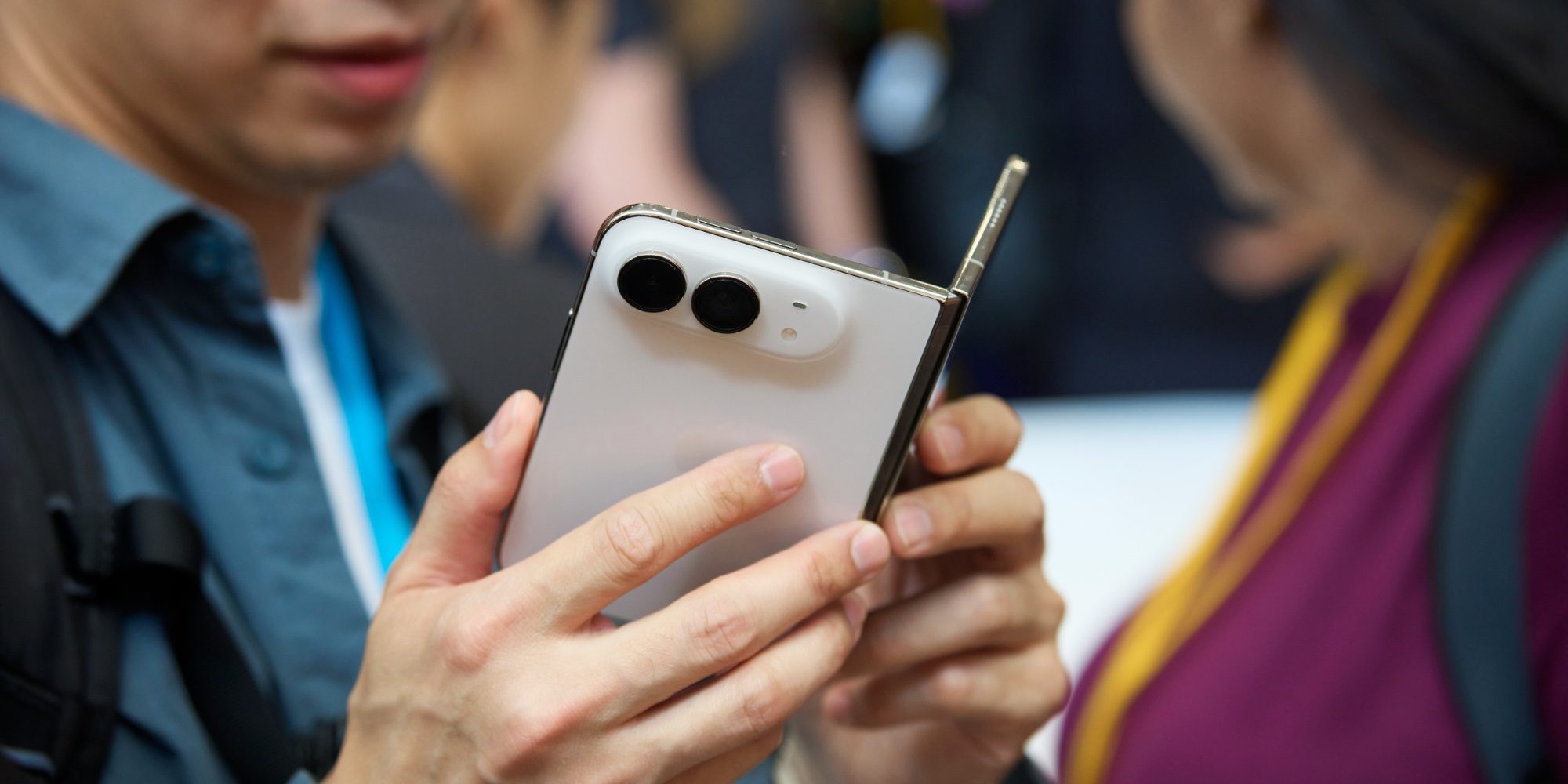
The iPhone Duo features a dual-display configuration that allows the device to function as a standard 6.1-inch smartphone when closed, and an expansive 8-inch canvas when unfolded. The engineering behind the hinge—a proprietary alloy developed by Apple—is designed to minimize the visible crease that has plagued competitors in the foldable space for years.
However, the hardware specifications bring distinct trade-offs. The device is notably heavier than the iPhone 18 Pro, primarily due to the added battery cells required to power the larger internal display and the complex motorized hinge system. From an industrial design perspective, the width of the front cover screen is optimized for one-handed use, yet it remains narrower than the standard iPhone 18, which has required many users to adjust their typing habits and touch-target accuracy.
User Experience and Ergonomic Challenges
Data collected from early reviews and consumer forums indicates a pattern: a significant percentage of users find themselves relying almost exclusively on the outer "cover" display. This behavior aligns with broader trends in mobile device usage, where quick, bite-sized interactions—checking notifications, replying to messages, or scrolling social media—predominate.
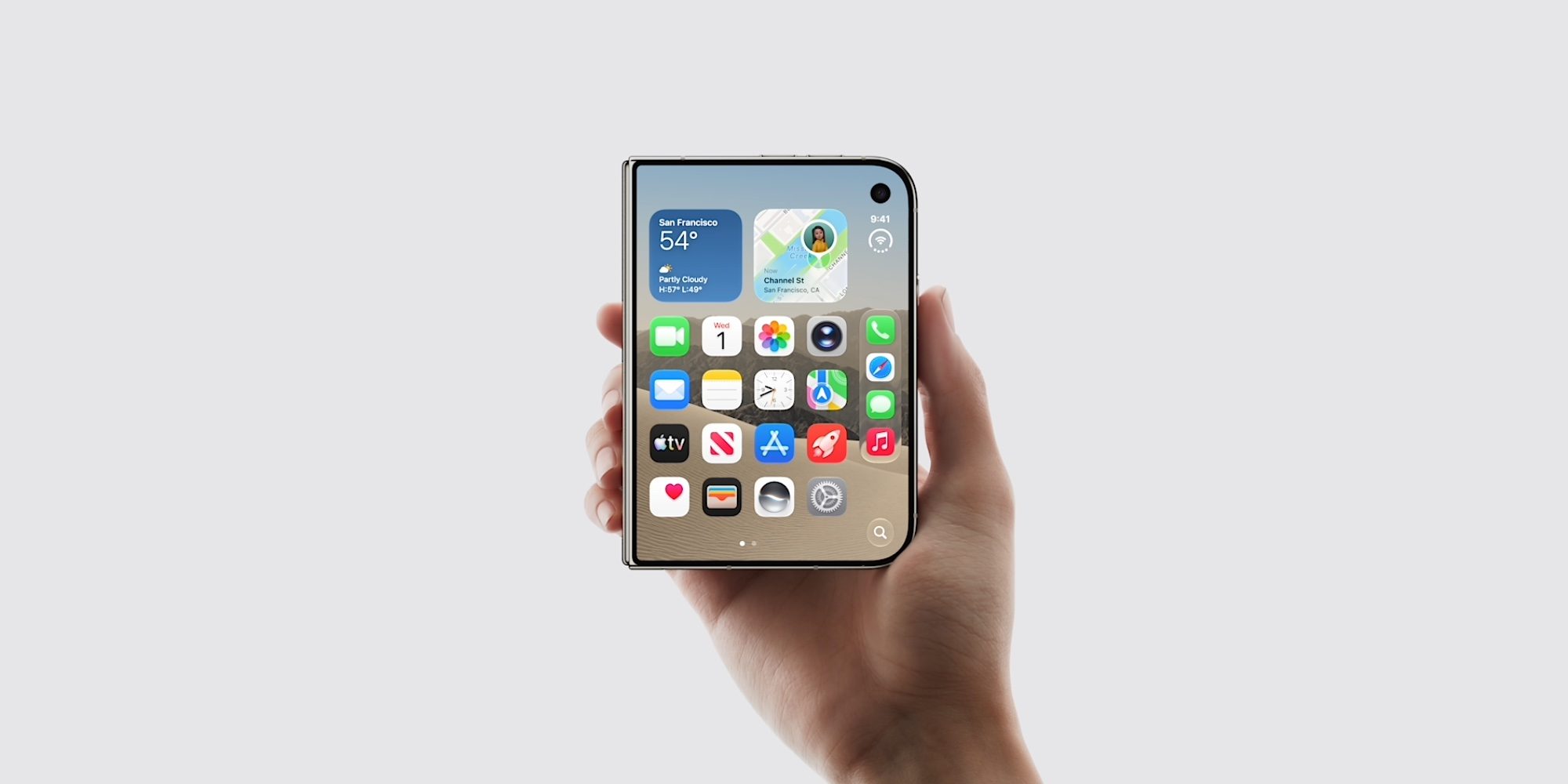
The "frustration factor" cited by many early adopters stems from the disparity between the intended use case—unfolding the device for productivity—and the practical reality of daily life. For users with limited time or those multitasking with children or professional equipment, the physical act of opening the device can feel like an unnecessary friction point. Furthermore, for those who already own an iPad Pro or a MacBook, the utility of the "inner" display on the iPhone Duo is often viewed as redundant.
Market Implications and Sales Trends
The market for foldable devices has historically been a niche segment, currently accounting for less than 5% of global smartphone shipments according to data from IDC and Counterpoint Research. Apple’s entry into this space is expected to catalyze growth, but initial retail data suggests a bifurcated reaction.
Retailers have noted a higher-than-average return rate for the iPhone Duo compared to the standard iPhone 18 lineup. While return policies at major outlets vary, the primary reasons cited by customers include:
- Weight and Bulk: The increased mass of the device makes it less comfortable for extended one-handed use.
- Software Optimization: While iOS 20 has been updated to support the Duo’s unique folding state, some third-party applications still struggle to transition seamlessly between screens.
- Value Proposition: For many, the high price point of the Duo does not justify the limited instances in which the internal screen provides a tangible productivity boost.
Official Responses and Apple’s Stance
Apple has remained characteristically silent on specific return figures, but internal communications suggest the company views the Duo as a "multi-year platform." In a recent briefing, Apple’s hardware engineering team emphasized that the Duo is not intended to replace the standard iPhone 18 Pro, but rather to expand the ecosystem for those seeking a hybrid experience.
The company is expected to release a series of software updates throughout the remainder of 2026 to further refine "Continuity" features, which allow for smoother transitions between the inner and outer displays. These updates aim to address the current disconnect where users feel the device is "two separate phones in one" rather than a single, cohesive unit.
Analysis: Is the Form Factor Here to Stay?
The debate surrounding the iPhone Duo is less about the quality of the hardware and more about the evolving definition of a mobile device. The industry is currently facing a "form factor plateau," where traditional slab designs have become so refined that innovation is incremental. Foldables represent a move to break this stagnation, but they force a compromise on the fundamental smartphone pillar: immediate accessibility.

Industry analysts suggest that the iPhone Duo is a "Version 1.0" product. Historically, Apple’s first-generation hardware—from the original Apple Watch to the first iPad—often faced criticism for being over-engineered or lacking clear utility until software developers and the user base caught up.
If the iPhone Duo remains a premium, niche offering, it will likely follow the trajectory of the Apple Vision Pro—a technical marvel that serves as a foundation for future, more refined iterations. However, if Apple cannot overcome the ergonomics-to-utility gap, the device may be remembered as an interesting, albeit short-lived, experiment in the company’s storied history.
The Road Ahead
For the average consumer, the choice between a standard iPhone and the Duo boils down to a lifestyle assessment. Does the user prioritize the weight and convenience of a slim, one-handed device, or the potential for a larger, tablet-like experience that requires more deliberate interaction?

As we move into 2027, the focus will shift to how Apple iterates on the hardware. Potential improvements, such as a thinner profile, lighter materials, and more aggressive software integration for the internal screen, will be the deciding factors in whether the "Duo" becomes the new standard or remains an outlier in the iPhone lineup. For now, the verdict remains split: the technology is undeniably impressive, but for many, it is not yet an essential upgrade.
Related posts: