Apple Watch Ultra 4 and Series 12 Launch See Immediate Retail Discounts at Amazon

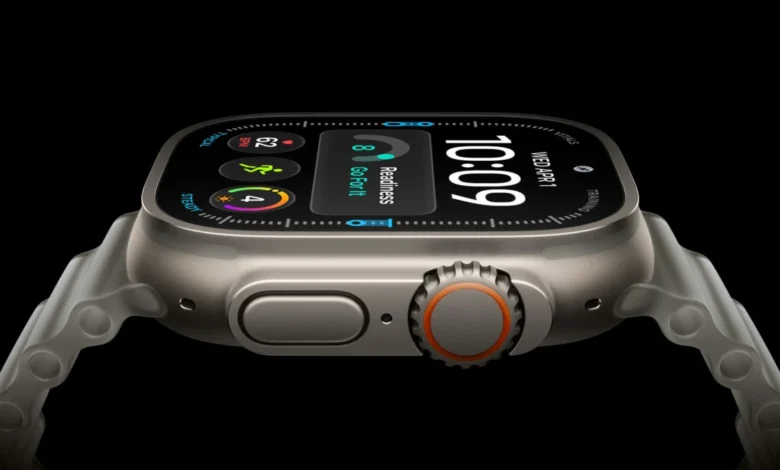
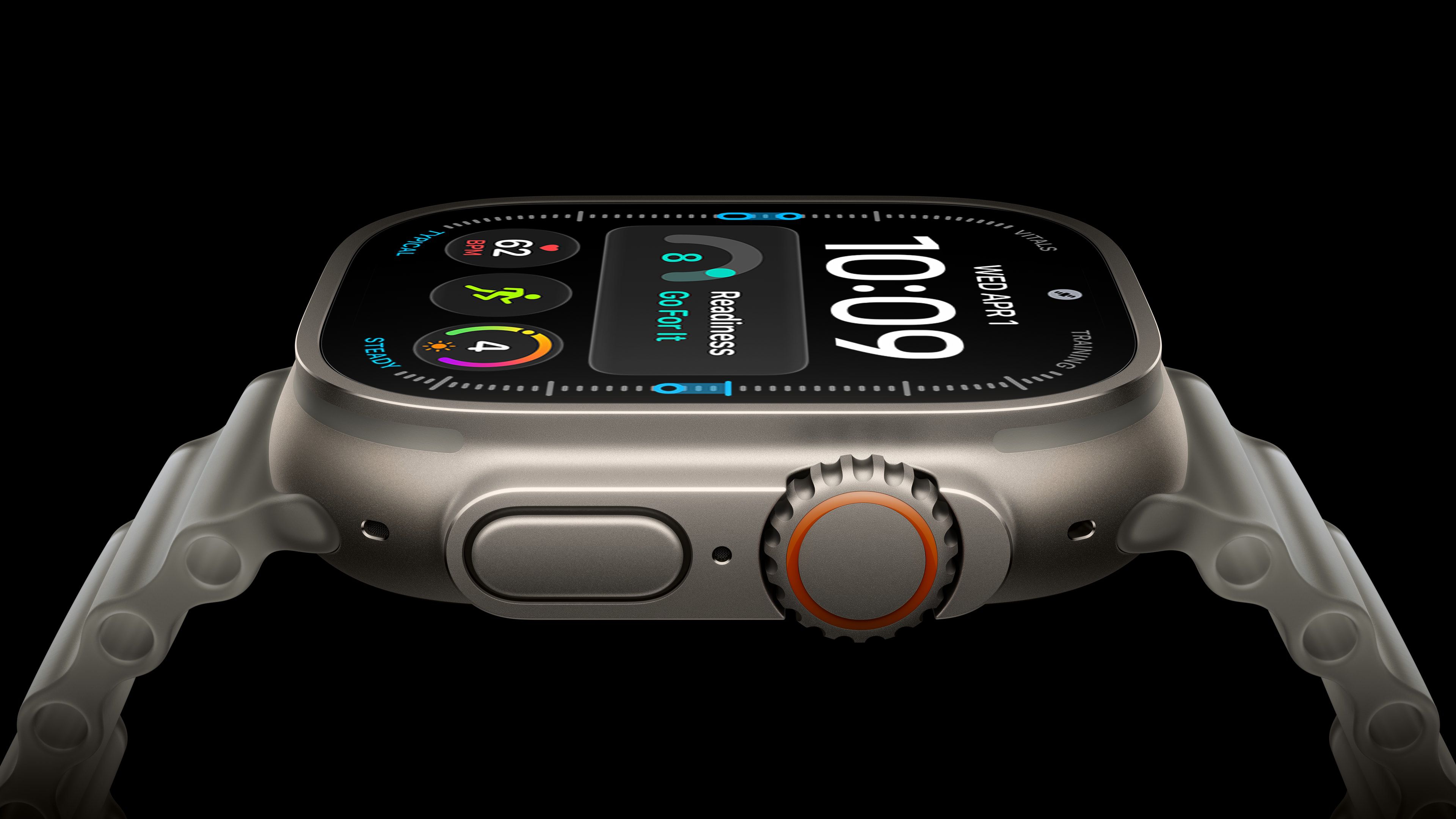
The global consumer electronics market witnessed a significant shift this week as Apple officially rolled out its latest wearable lineup, headlined by the highly anticipated Apple Watch Ultra 4. Barely 24 hours following the device’s retail debut, Amazon has initiated a series of competitive price adjustments, marking the first instances of official cash discounts on the flagship hardware. As of mid-September 2026, prospective buyers can secure the Apple Watch Ultra 4 for $779.99, representing a $19.01 reduction from the standard $799.00 retail price. This rapid pricing movement highlights the aggressive nature of e-commerce competition surrounding Apple’s ecosystem during the critical fall launch window.
Initial Market Response and Pricing Dynamics
The promotional pricing currently appearing on Amazon encompasses specific configurations of the Ultra 4, most notably the Natural titanium finish paired with the Sand Trail Loop in the M/L size, as well as the Natural model equipped with the Desert Alpine Loop in Large. These entry-level discounts, while modest in percentage terms, are indicative of a broader trend where major retailers attempt to capture market share immediately upon the expiration of the product embargo.
Industry analysts suggest that such early discounting is a strategic maneuver designed to incentivize consumers who may be on the fence between the previous generation and the new hardware. By positioning the Ultra 4 at a price point below its suggested retail value within the first 48 hours of availability, Amazon is effectively leveraging the high visibility of the product launch to drive traffic across its entire electronics category.
The Apple Watch Series 12 Rollout
Parallel to the activity surrounding the premium Ultra 4, the standard Apple Watch Series 12 has also seen initial pricing fluctuations. Retail data indicates that the 42mm GPS model is currently listed at $389.99, while the larger 46mm GPS variant is available for $439.99. These represent $9 discounts—a conservative yet meaningful reduction for a device that arrived on store shelves only yesterday.
The Series 12 launch arrives at a time when Apple is attempting to consolidate its position in the health and fitness wearable sector. With internal upgrades focusing on biometric accuracy and battery efficiency, the Series 12 is positioned as the primary entry point for the broader consumer base, whereas the Ultra 4 remains the high-performance choice for outdoor enthusiasts and professional athletes.
Chronology of the 2026 Fall Hardware Cycle
The release of these wearables follows a carefully orchestrated timeline that began with the announcement of the iPhone 18 series. For context, the 2026 hardware cycle has been defined by a rapid succession of product reveals:
- Early September 2026: Initial announcements regarding the Apple Watch Ultra 4, Series 12, and the iPhone 18 Pro/Duo.
- Mid-September 2026: The official launch and retail availability of the Apple Watch lineup.
- September 22, 2026: The scheduled launch for the M6-powered Mac mini.
- Late September 2026: The anticipated peak in retail promotions as competition between carriers and third-party retailers intensifies.
This compressed schedule reflects Apple’s refined supply chain management, allowing for the near-simultaneous availability of multiple product categories. However, this also forces consumers to weigh their purchasing decisions across a wider array of hardware simultaneously, a phenomenon that has necessitated the use of promotional pricing to maintain momentum.
Technical Evolution and Consumer Expectations
The Apple Watch Ultra 4 arrives with expectations rooted in the success of its predecessors. The 2026 model introduces refined sensor suites capable of higher-fidelity physiological tracking. According to technical documentation released alongside the product, the Ultra 4 integrates an enhanced chipset that improves processing speeds by approximately 15% compared to the Ultra 3, while simultaneously extending real-world battery life by two hours under standard usage conditions.
For the consumer, these incremental improvements—while perhaps not revolutionary in a vacuum—represent a maturation of the wearable category. The decision by retailers to discount these items so shortly after launch speaks to the saturation of the wearable market. With many users already possessing functional devices from 2024 or 2025, retailers must provide tangible financial incentives to encourage a cycle of premature upgrades.
Broader Economic Implications for Retailers
The decision to offer discounts on newly launched Apple hardware is a calculated risk. Historically, Apple products maintain their value for months following a launch. However, as Amazon and other major retailers pivot toward a "deals-first" strategy, the retail landscape for consumer electronics has changed.
The implications of this strategy are threefold:
- Consumer Sentiment: Early discounts create a perception of value that encourages brand loyalty, particularly for users who feel they are "winning" by securing a product for less than its MSRP.
- Inventory Velocity: By moving units quickly, retailers clear warehouse space for upcoming inventory, such as the aforementioned M6 Mac mini.
- Competitive Benchmarking: Smaller retailers are often forced to match these price points, which can compress margins across the entire electronics supply chain.
Industry Commentary and Future Outlook
While Apple has not issued a formal statement regarding the retail discounting of its products, the company’s internal philosophy has long emphasized the premium nature of its hardware. Nevertheless, the reality of modern e-commerce necessitates a level of cooperation between manufacturer and distributor.
Market observers note that the current pricing of the Ultra 4 and Series 12 is likely to remain stable for the next several weeks as supply levels normalize. Following this initial "launch week" phase, pricing is expected to plateau until the Black Friday/Cyber Monday window in late November, when deeper discounts are historically applied to holiday inventory.
For those looking to optimize their purchases, the current climate serves as a reminder to monitor price tracking services. The "Apple Deals" ecosystem has become a specialized field, with automated trackers and newsletters—such as the one promoted by Apple-focused outlets—playing an increasingly vital role in how consumers navigate the high-cost environment of 2026.
Navigating the Ecosystem of Offers
Beyond the wearables, the broader Apple ecosystem remains in a state of high activity. The concurrent pre-order phase for the iPhone 18 Pro and the imminent arrival of the M6 Mac mini suggest that consumers are currently being inundated with purchase opportunities. The complexity of these choices—balancing carrier-specific incentives against direct retail discounts—has led to a surge in demand for aggregated deal data.
For the average user, the advice from industry experts remains consistent: assess the necessity of an immediate upgrade versus the potential for further price erosion. While the current $20 discount on the Apple Watch Ultra 4 is the lowest price recorded, it is by no means the ceiling for potential future savings. As the year progresses and the initial hype surrounding the September launches begins to subside, it is highly probable that additional promotional structures will emerge, particularly as retailers look to manage end-of-quarter performance metrics.
Final Considerations
The Apple Watch Ultra 4 and Series 12 stand as the latest benchmarks for wearable technology in 2026. Their immediate availability at discounted prices on platforms like Amazon serves as a testament to the current state of global retail: highly competitive, hyper-responsive, and deeply focused on maximizing conversion rates during launch windows.
Whether these devices represent a necessary upgrade for the typical user or a luxury acquisition for the tech-enthusiast, the presence of these early discounts provides a rare opportunity to engage with the latest hardware at a slight financial advantage. As the autumn season progresses, the focus will inevitably shift toward the Mac mini and the wider iPhone 18 rollout, but for now, the spotlight remains firmly on the wrist-worn innovations that continue to define Apple’s hardware strategy. Prospective buyers are encouraged to stay informed via reputable deal roundups to ensure they capitalize on the most favorable terms as the 2026 holiday shopping season approaches.