Samsung Galaxy S24 and S25 users report significant battery drain following the rollout of the One UI 9 update

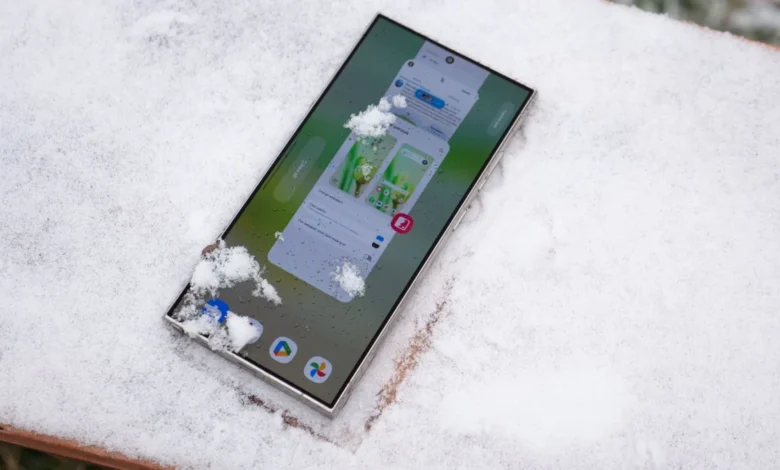
The recent deployment of Samsung’s One UI 9 update, built upon the foundation of Android 17, has triggered a wave of technical turbulence for users of the company’s flagship smartphone lineup. While major software updates are designed to optimize performance, enhance security, and introduce new features, a growing number of Galaxy S24 Ultra and S25 series owners are reporting severe battery degradation, inconsistent power consumption, and, in isolated instances, critical setup failures. This phenomenon has sparked widespread discussion across community forums such as Reddit, Samsung Members, and various technical support channels, raising questions about the stability of the latest software release.
Chronology of the Update Rollout
The One UI 9 rollout began in earnest earlier this month, targeting the current-generation Galaxy S25 series as well as the previous-generation Galaxy S24 family. Within days of the firmware reaching devices, user reports regarding battery life began to surface. Initially categorized as minor "post-update indexing" issues—a common occurrence where the operating system re-optimizes files and background processes—the intensity of the complaints grew as the battery drain failed to stabilize after the standard 48 to 72-hour adjustment period.
By mid-October, reports from outlets such as SammyFans and 9to5Google began consolidating individual anecdotes into a broader narrative of instability. The discourse shifted from casual complaints about reduced screen-on time (SoT) to alarming reports of devices losing significant percentages of power while in an idle state.
Analyzing the Battery Drain Data
The severity of the reported issues varies significantly, suggesting that the problem may be linked to specific configurations or background services rather than a universal flaw in the One UI 9 architecture.
For the Galaxy S24 Ultra, some users have provided telemetry data indicating that the device has lost as much as 95% of its total charge within a window of just over five hours. While high-intensity tasks like gaming or 4K video recording naturally consume power, the reported screen-on time for these specific cases often hovers around three hours, a figure well below the standard performance metrics for the S24 Ultra’s hardware.
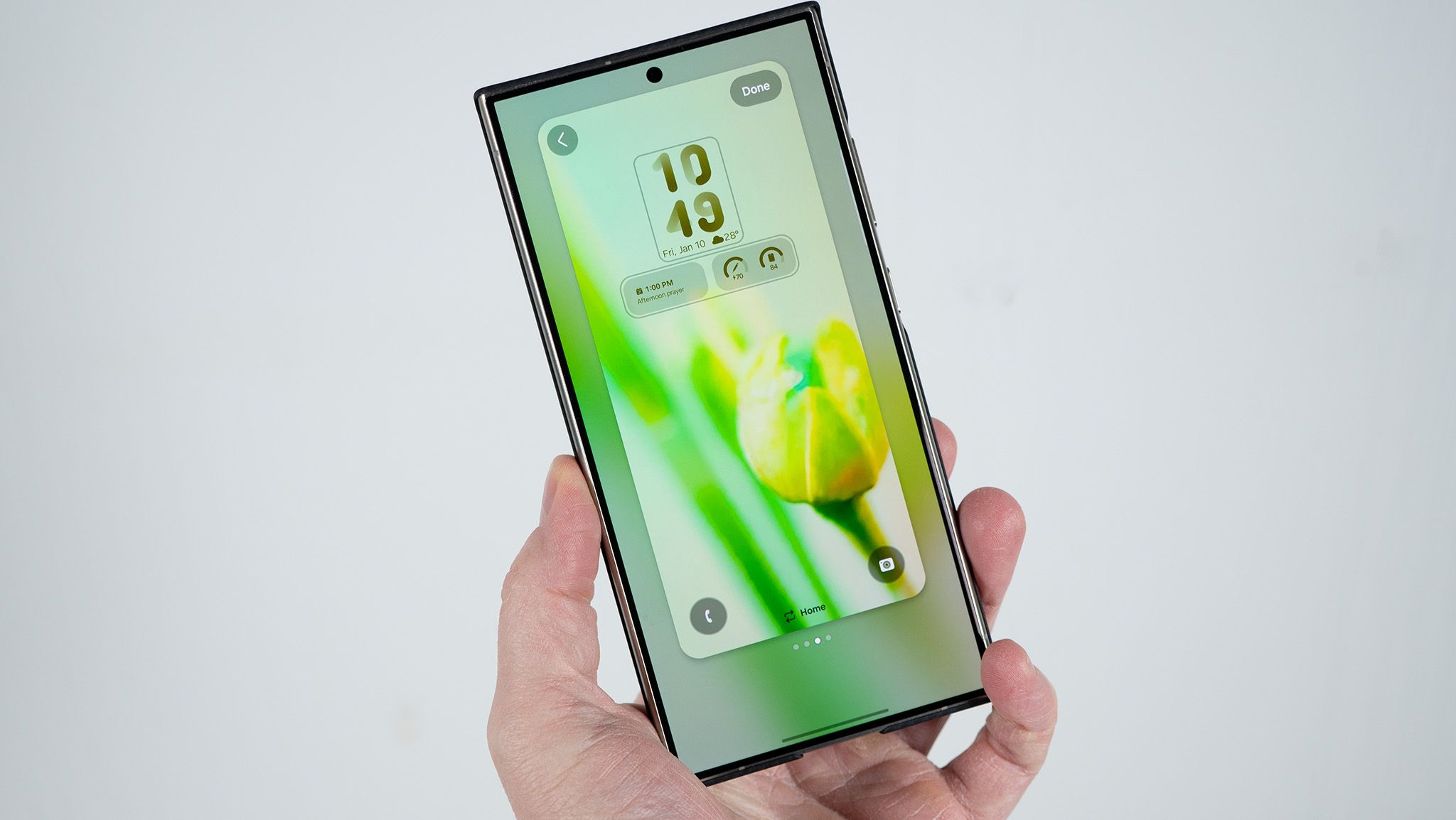
More concerning is the data regarding idle drain. Multiple users have documented instances where their devices lost approximately 40% of their total battery capacity over an 11-hour period while the phone was not in active use. This "idle drain" is often a hallmark of a rogue background process—a service or application that fails to enter a sleep state, continuously polling the CPU or network, which keeps the device from achieving deep-sleep status.
For the Galaxy S25 series, the reports are equally disconcerting. Some power users have noted that their daily routines, which previously allowed for a single charge to last from morning until evening, now require multiple charging sessions throughout the day to maintain functionality. While some internal testing has shown that newer flagship devices remain relatively stable, the discrepancy between "normal" users and those experiencing severe drain suggests a potential conflict between the new One UI 9 framework and specific third-party applications or legacy system settings.
Contextualizing System Instability
The battery issues are occurring alongside other technical hurdles introduced by the One UI 9 update. A notable, albeit less common, incident involved a setup bug in South Korea, where users attempting to initialize their devices after the update found themselves locked out of the home screen. The system repeatedly returned a "webpage is unavailable" error during the final stages of the initial configuration.
Samsung’s response to these setup errors was relatively swift, suggesting that the company is monitoring support channels closely. The manufacturer advised users to ensure their system browsers were updated to the latest version and recommended performing the initial setup on a stable, high-speed Wi-Fi connection rather than a cellular network. While this provided a workaround for the setup loop, it did little to address the systemic power management concerns that persist for thousands of other users.
Implications for Samsung and the User Base
The current situation poses a reputational challenge for Samsung, particularly as the company relies heavily on the integration of its proprietary One UI skin to differentiate its hardware in a competitive market. Android 17, the backbone of One UI 9, brings several under-the-hood changes to how the system manages background tasks and AI-driven resource allocation. If the battery drain is indeed a result of these new power management algorithms, the fix may require a targeted kernel update or a patch to the system’s energy-saving services.
From an engineering perspective, the variance in user experience is the most difficult aspect to troubleshoot. When a software update impacts only a subset of devices, engineers must isolate the common denominator—whether it is a specific processor variant, a particular set of pre-installed applications, or a conflict with legacy user data.
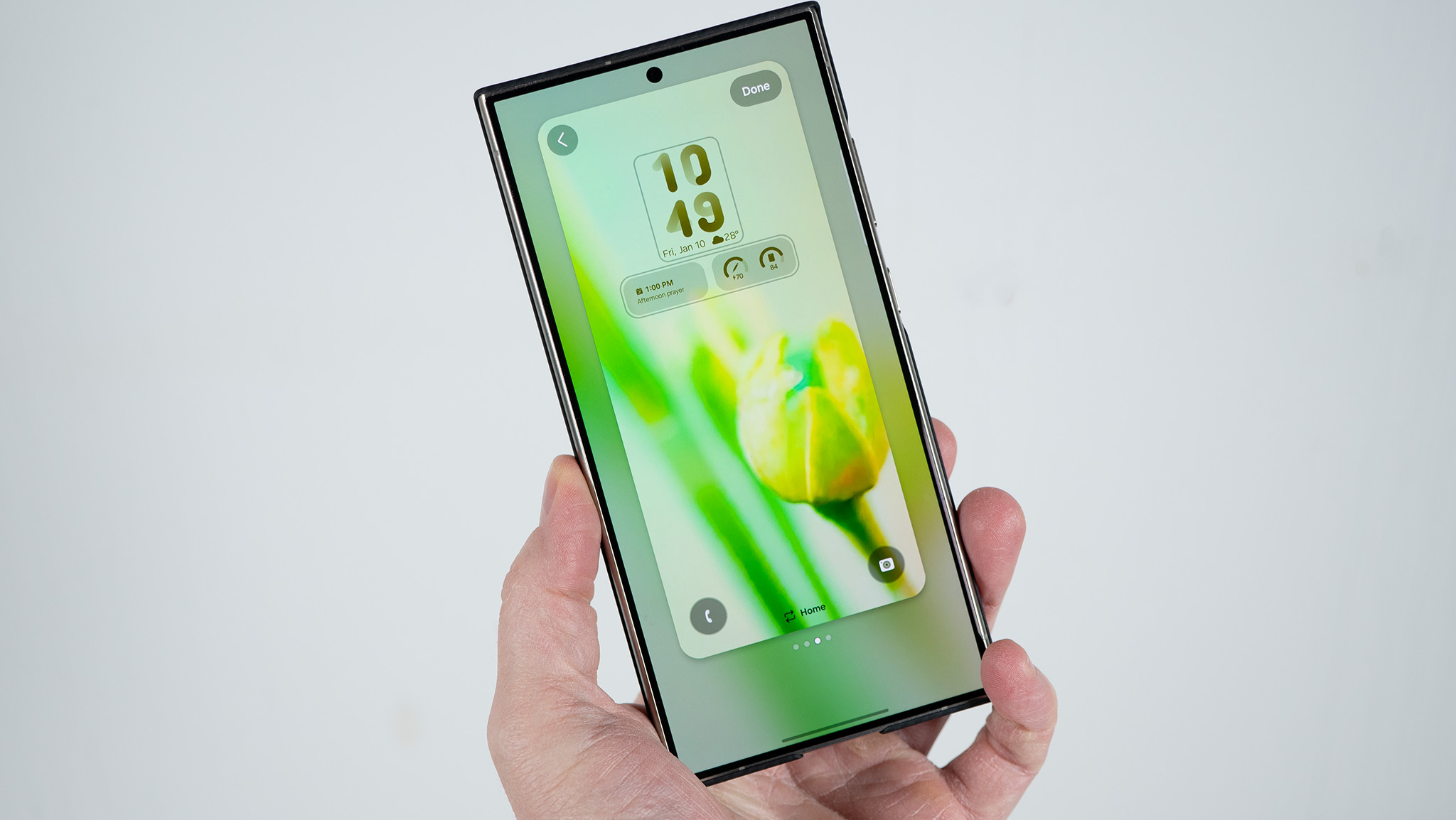
For the average consumer, the implications are significant. A flagship device, especially a high-end model like the S24 Ultra, is marketed on the promise of reliability and longevity. When basic functionality, such as battery life, is compromised, the value proposition of the device is diminished. Furthermore, the reliance on community forums for troubleshooting highlights a gap in official communication; users are currently left to experiment with clearing system caches, disabling background services, or even performing factory resets to mitigate the drain.
Moving Forward: What to Expect
As of this writing, Samsung has not issued a formal, widespread recall or a global patch release specifically addressing the battery drain concerns. However, given the traction these reports have gained, it is highly probable that a maintenance update (often labeled as a "hotfix" or "stability improvement") is currently in development.
Users experiencing these issues are generally advised to take the following steps while waiting for an official resolution:
- Clear System Cache: Entering the recovery menu and clearing the cache partition can often resolve conflicts caused by lingering temporary files from the previous OS version.
- Identify High-Consumption Apps: Utilizing the "Battery" section in the Settings menu to identify which applications are consuming the most power. If a specific app is shown to be consuming an anomalous amount of energy, reinstalling or updating that app may provide temporary relief.
- Monitor Background Services: Disabling unnecessary background synchronization for non-essential applications can help reduce the load on the CPU during idle periods.
- Official Feedback: Submitting a bug report via the Samsung Members application. This provides the company with logs from the user’s specific device, which is essential for developers to diagnose and fix the root cause of the power drain.
The ongoing situation serves as a stark reminder of the complexity of modern smartphone software. As Samsung continues to push the boundaries of what its devices can do with AI-driven features and deep system integration, the need for rigorous quality assurance becomes even more paramount. For now, the tech community remains in a holding pattern, waiting to see if the next security patch or minor update will restore the power efficiency that users expect from their flagship Samsung handsets. The company’s ability to resolve these issues transparently will be a key indicator of its commitment to maintaining the trust of its long-term customer base.