Apple Expands Hardware Ecosystem With Five New Product Pre-Orders Amid October Launch Blitz

Apple initiated a significant phase of its late-2026 hardware rollout on Wednesday, October 28, opening pre-order channels for a suite of five new products. This surge of activity, occurring at 10:10 a.m. Pacific Time, marks the latest development in what has been one of the company’s most aggressive product release cycles in recent history. The items made available for early purchase today are scheduled to reach customers and retail shelves on Friday, November 6, further densifying an autumn release calendar that has seen a steady stream of new technology arrivals.
A Busy Month of Product Transitions
The October release calendar for Apple has been characterized by a high volume of hardware refreshes and new categories. Beyond the five products opened for pre-order today, the company is managing multiple concurrent launch timelines. The HomePod mini 2, which has already seen significant interest from the smart home community, is slated for a release on October 30. Looking further ahead, the Apple HomeView smart home hub and the fourth-generation Apple TV 4K are scheduled for public availability on November 13.
This staggered release schedule reflects a logistical strategy intended to distribute demand and manage supply chain throughput, particularly as the company transitions to the A20 Pro and M6 silicon architectures across its mobile and desktop lineups. The sheer breadth of the October announcements—ranging from professional-grade computing hardware to niche accessories like the special-edition Beats Pill × Pokémon speaker—underscores Apple’s attempt to refresh its entire ecosystem ahead of the critical holiday shopping season.
Detailed Look at the November 6 Launch Wave
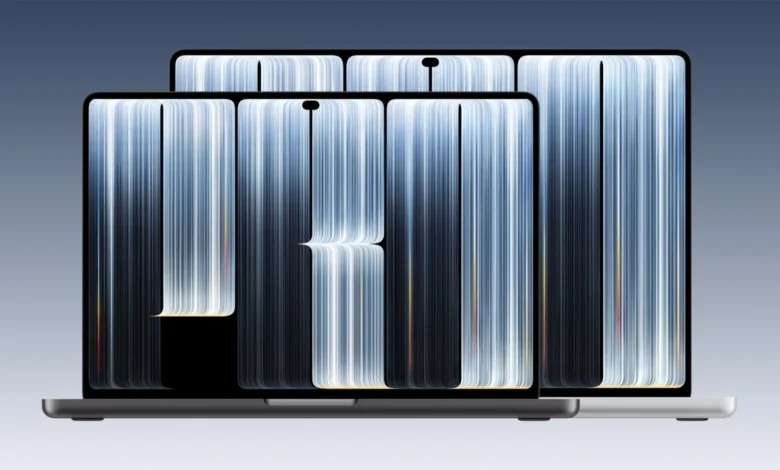
The five products currently available for pre-order are part of a broader push to integrate high-end display technologies and updated connectivity standards. Among these, the centerpiece is the refreshed 14-inch MacBook Pro, which leverages the new M6 silicon. The M6 chip represents a notable shift in Apple’s mobile computing strategy, moving to a 12-core CPU configuration that includes two "super cores," four performance cores, and six efficiency cores. This architecture, coupled with a 12-core GPU, represents a 20% increase in core count and significant thermal efficiency improvements over the preceding M5 iteration.
Industry analysts suggest that the M6 chip is designed to handle the increasing computational demands of on-device machine learning tasks, a core pillar of Apple’s current software roadmap. By focusing on "super cores," Apple is effectively creating a tiered processing environment that allows the device to remain highly responsive during heavy background processing while maintaining long battery life for standard productivity tasks.
Smart Home and Peripheral Ecosystem Updates
Complementing the core computing updates, Apple is expanding its smart home footprint. The launch of the fourth-generation Apple TV 4K and the HomeView hub indicates a deliberate move to consolidate the company’s position in the interconnected home market. A key feature of the new fourth-generation Siri Remote is its support for Precision Finding, a technology previously reserved for finding smaller accessories like AirTags.
However, the implementation of this feature is gated; it requires the user to possess a compatible iPhone—specifically the iPhone Duo, iPhone Air, iPhone 17, or the 17 Pro/Pro Max. This creates an implicit ecosystem requirement, incentivizing users to upgrade their handheld devices if they wish to utilize the full range of smart home features. The integration of such high-precision hardware into a remote control reflects Apple’s strategy of leveraging its proprietary Ultra Wideband (UWB) technology to simplify user interactions in complex smart environments.
Addressing Early Implementation Challenges
No massive product cycle is without its challenges. The industry has been closely watching reports concerning the iPhone Duo, which was released on October 23. Shortly after its arrival, a subset of early adopters reported issues with the hinge mechanism, which allegedly led to hairline cracks on the inner display panel.
Apple’s official response to these reports was prompt, with the company confirming that a "small number of units" were affected by the issue. By framing this as an isolated manufacturing variability rather than a design flaw, Apple has sought to mitigate potential damage to the reputation of its new flagship device. The company noted that early feedback regarding the device’s software performance and app compatibility has been overwhelmingly positive, suggesting that the display issue has not yet dampened the overall market reception of the product line.
Technical Specifications and Connectivity Shifts
The broader October announcements have also highlighted a transition to next-generation connectivity standards. The new iPad mini, for instance, features the N1 chip, which provides native support for Wi-Fi 7 and Bluetooth 6. These specifications are becoming the new baseline for Apple’s professional and mid-tier devices. The shift to Wi-Fi 7 is particularly notable, as it allows for significantly lower latency and higher throughput in crowded wireless environments, which is essential for the seamless synchronization required by the new Acoustic Display audio system found in the 8.5-inch OLED iPad mini.
The move toward an "Acoustic Display"—a technology that eliminates visible speaker holes by using the display panel itself to vibrate and produce sound—demonstrates Apple’s preference for industrial design that minimizes physical ports and apertures. This aligns with the company’s long-standing trend of "unibody" aesthetics, though it also raises questions regarding repairability and the long-term durability of the screen component.
Market Implications and Future Outlook
The sheer volume of releases in late 2026 indicates that Apple is betting heavily on hardware-led growth. By updating the iPad mini, MacBook Pro, and Apple TV simultaneously, the company is effectively forcing a refresh cycle across its entire user base. Data from the first few days of pre-orders suggests strong demand for the OLED-equipped iPad mini, which has been praised for its color accuracy and reduced weight compared to its predecessor.
Furthermore, the introduction of niche products like the updated World Travel Adapter Kit and the navy blue Smart Folio suggests that Apple continues to prioritize high-margin accessories as a vital component of its revenue stream. These items, while seemingly minor, contribute to the stickiness of the ecosystem.
Looking toward the remainder of the year, the primary concern for investors and consumers alike is supply chain stability. With the November 6 and November 13 release dates approaching, the focus will shift to inventory availability and the company’s ability to fulfill the high volume of orders placed during this launch window. If the current trajectory holds, the 2026 holiday quarter could represent one of the most profitable periods for Apple’s hardware division, provided that the company can resolve the early manufacturing concerns surrounding its new folding display technology.
As it stands, the October 2026 cycle will be remembered for its diversity of products and the aggressive integration of new internal silicon. Whether it is the M6 chip in the MacBook Pro or the A20 Pro in the iPad mini, Apple is clearly positioning itself to lead in raw computational performance, while simultaneously attempting to resolve the physical engineering hurdles that accompany the introduction of new form factors. With the holiday shopping season just weeks away, the success of these products will serve as a bellwether for the company’s performance heading into the new year.
Related posts: