
Apple testing new Complication Column interface for iPhone Duo Lock Screen expands widget capacity for foldable devices

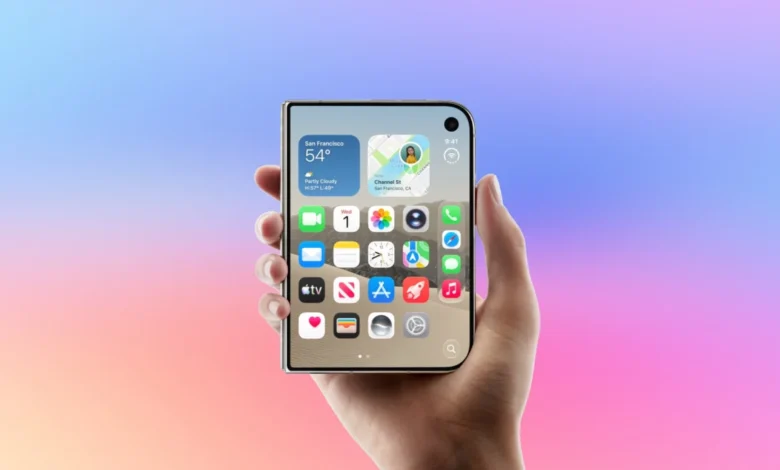
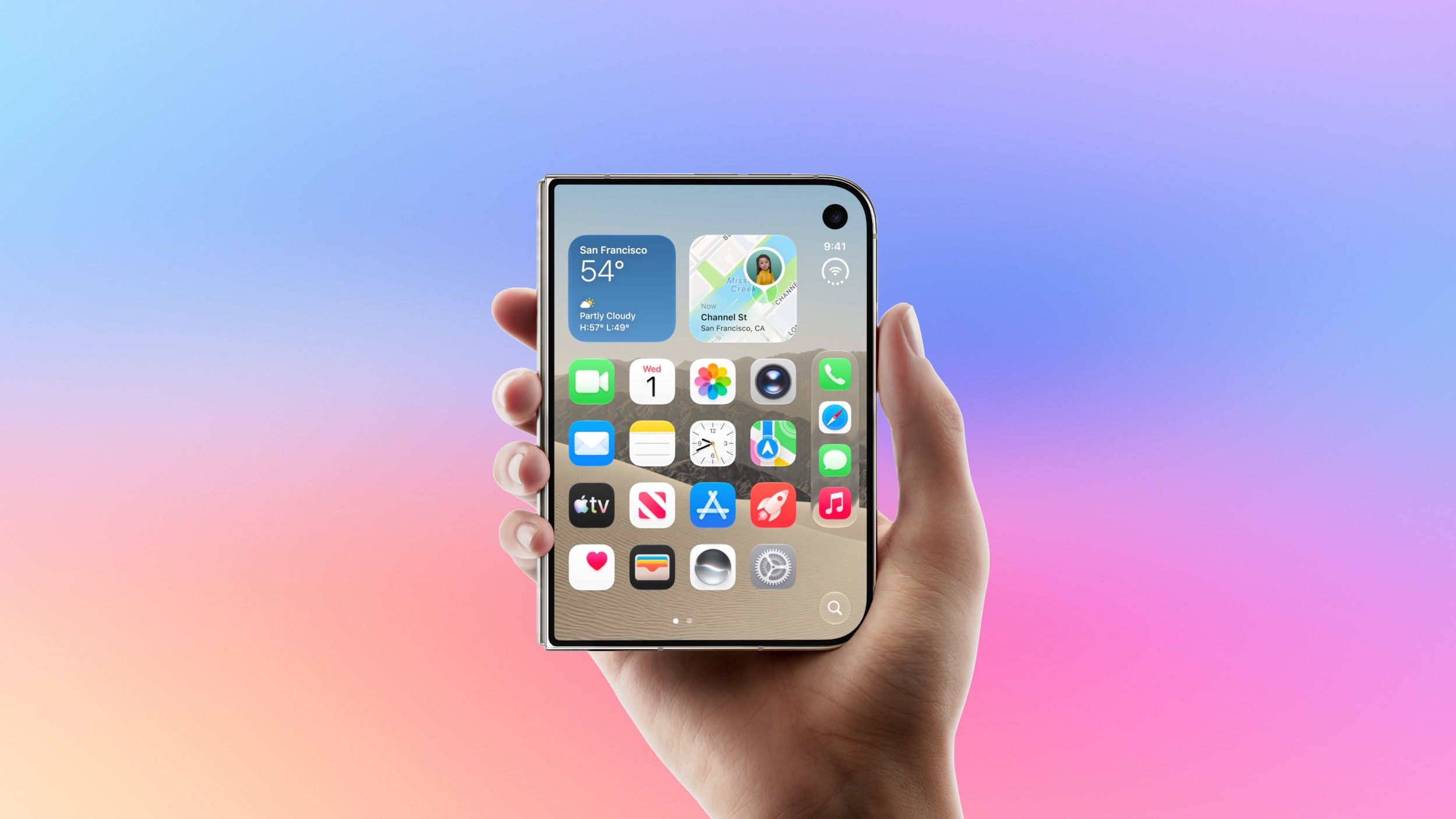
The latest internal builds of iOS 27.1 suggest that Apple is actively exploring a significant interface refinement for its foldable flagship, the iPhone Duo. According to reports from technical observers and internal code leaks identified by the source known as "pdfu," the company has developed an experimental feature dubbed the "Complication Column." This interface modification would fundamentally alter the Lock Screen experience by allowing users to place a vertical, two-widget stack along the right-hand edge of the display, effectively doubling the density of glanceable information available without unlocking the device.
This development arrives at a critical juncture for the iPhone Duo, Apple’s first foray into the foldable smartphone market. While the device has been met with significant consumer interest, it has also faced scrutiny regarding its structural integrity and software optimization. The introduction of a dedicated sidebar for widgets signals a pivot toward maximizing the unique form factor of the folding screen, moving away from a one-to-one port of standard iPhone interface elements toward a design language specifically tailored for the expanded display real estate.
Architectural Overview of the Complication Column
The "Complication Column" is not merely an aesthetic choice; it represents a functional expansion of the iOS Lock Screen grid. Currently, the iPhone Duo’s Lock Screen follows the standard iOS layout, which includes a time and date header, followed by a singular horizontal row of circular widgets positioned directly beneath the clock, and the dedicated flashlight and camera shortcuts at the bottom.
Technical analysis of the internal "SpringBoard/Ionic" framework within iOS 27.1 indicates that the new column is positioned strategically along the right edge, occupying the whitespace between the network status indicators and the lower camera shortcut. By utilizing this vertical axis, Apple would allow users to maintain their existing horizontal widget row while simultaneously hosting a vertical pair of circular widgets. This provides four total slots for complications, compared to the current limit of four in a single horizontal row, or potentially even more if the horizontal row remains active.
Sources familiar with the development process suggest that this layout is designed to prioritize "always-on" data. For a foldable device, which is often used in a partially opened or standing position, having data vertically aligned is highly ergonomic. It allows for quick scanning of stock tickers, weather alerts, or calendar events while the phone is resting on a desk or dock, effectively turning the iPhone Duo into a sophisticated bedside or desktop companion.
A Chronology of iPhone Duo Development and Software Iteration
To understand why Apple is pursuing such a specific interface tweak now, one must look at the rapid evolution of the iPhone Duo since its commercial launch.
- September 2026: The iPhone Duo officially enters the market, representing Apple’s first entry into the foldable hardware segment. Initial reviews praise the display quality but highlight that iOS feels "cramped" on the folding inner screen.
- October 2026: Reports begin to surface regarding early manufacturing defects, specifically related to the hinge mechanism causing hairline fractures on the internal OLED panel. Apple initiates internal communication with service providers to address these concerns, focusing on warranty replacements.
- November 2026 (Early): Rumors circulate via industry analysts like Mark Gurman regarding a "Generation 2" iteration of the Duo, which aims to incorporate Face ID on the outer screen, an Action Button, and a more robust design to mitigate the initial cracking issues.
- November 22, 2026: Technical leak confirms the existence of the "Complication Column" in the iOS 27.1 internal beta, marking the first time software-specific optimizations for the Duo’s unique screen geometry have been observed in the wild.
The existence of this code in iOS 27.1 confirms that Apple is prioritizing "software-first" fixes to enhance the value proposition of the existing hardware while the engineering teams work on the physical refinements expected for the next model.
Addressing the Display Cracking Narrative
The development of the Complication Column comes during a period where Apple’s public relations and engineering teams are occupied with the "Display Cracking" issue. In late October 2026, a series of reports suggested that the hinge mechanism on certain iPhone Duo units was exerting excessive pressure on the inner screen, leading to visible cracks along the fold line.
Apple’s official response, provided to media outlets, emphasized that the issue affected only a "small number of units." The company’s internal memo to Apple Stores and Authorized Service Providers outlined a diagnostic process that essentially standardizes the replacement of these units. By focusing on software improvements like the Complication Column, Apple is subtly signaling to the market that the product line has a long-term roadmap. It demonstrates that the software team is continuing to innovate on the platform, even as the hardware team manages the initial quality control hurdles of a new form factor.
Analytical Implications: Why a Vertical Column?
From a UI/UX design perspective, the vertical alignment of widgets is a pragmatic solution to the "foldable problem." Unlike standard smartphones, which have a fixed aspect ratio, foldable devices present a challenge in how content flows from a vertical state to a wider, near-square state.
The Complication Column likely addresses three specific goals:
- Contextual Awareness: By placing widgets on the side, Apple is creating a "sidebar" that is less likely to be obscured by the user’s hand when they are unfolding the device.
- Density Optimization: The primary benefit of a folding phone is screen real estate. Currently, the iPhone Duo does not fully utilize the screen’s verticality in its lock state. The new column fills this empty space, providing more value to the user at a glance.
- Future-Proofing: By testing this in the SpringBoard framework, Apple is likely preparing for larger folding devices, such as a potential iPad-fold or a larger iPhone Ultra-Duo, where side-based widget navigation will become a standard requirement rather than an experimental add-on.
The Challenge of Feature Implementation
Despite the excitement surrounding the leak, it remains unclear whether the Complication Column will reach the general public. As noted in the technical findings, the feature is currently buried within internal settings and is not active in standard user builds of iOS.
Historically, Apple has experimented with dozens of interface layouts in internal beta versions that never see the light of day. The decision to move forward with the Complication Column will likely depend on user feedback during the testing of iOS 27.1. If the widget column interferes with the touch targets for the flashlight or camera, or if it creates clutter that obscures the wallpaper, Apple may scrap the feature entirely or iterate on it further.
Furthermore, there is the question of developer adoption. For the Complication Column to be truly effective, third-party developers will need to update their widget extensions to support a vertical orientation. If existing widgets are forced into a vertical stack without optimization, the user experience could become disjointed.
Broader Impact on the Apple Ecosystem
The iPhone Duo represents a departure from the "uniformity" that has defined the iPhone brand for nearly two decades. By introducing device-specific interface elements like the Complication Column, Apple is acknowledging that the future of the iPhone is not one-size-fits-all.
If this feature is implemented, it will mark the beginning of a broader fragmentation in iOS design, where software behavior is dictated by the hardware form factor rather than a singular, static experience. This is a significant pivot for a company that has long prioritized consistency across its entire product line.
As Apple prepares for the next phase of the iPhone Duo, including the rumored introduction of Face ID on the outer display and a thinner chassis, the software will be the glue that holds the experience together. Whether the Complication Column makes the final cut for the upcoming public release of iOS 27.1 remains to be seen, but its presence in the code is a clear indicator that Apple is moving aggressively to refine the foldable experience, ensuring that the iPhone Duo is not just a hardware novelty, but a fully realized, productivity-focused tool.
For now, users of the iPhone Duo must wait for further beta releases to see if this "Complication Column" moves from an internal curiosity to a standard feature of the iOS Lock Screen. For Apple, the stakes remain high: maintaining the reputation of the iPhone as a premium, reliable, and user-friendly device while simultaneously navigating the complex technical landscape of foldable technology.