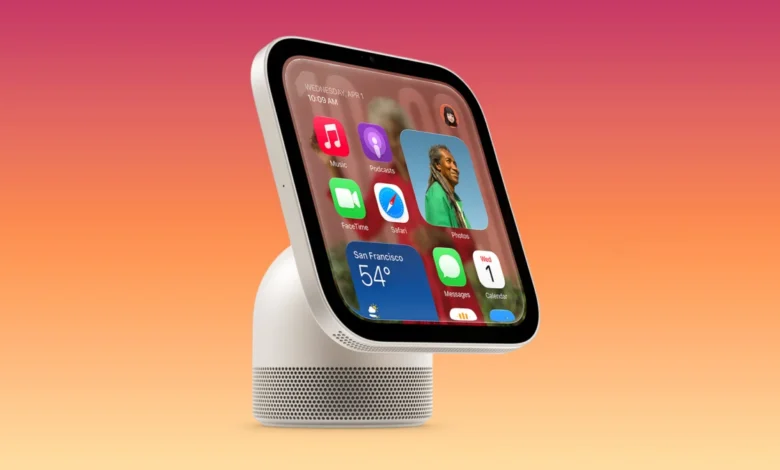
Apple has officially released HomeView Software 27.2, the foundational operating system set to power the upcoming HomeView smart home hub. This software deployment arrives just weeks ahead of the device’s scheduled commercial release on November 13, 2026. While the hardware itself was formally unveiled by Apple earlier this October, the digital footprint left by this software update provides the most granular insight yet into the user experience, interface design, and architectural underpinnings of Apple’s most significant foray into the smart home market in years.
The HomeView, priced at $299, is positioned as the central command center for the modern connected home. By examining the contents of the 27.2 software package, industry analysts and developers have been able to deconstruct several key functionalities, confirming that the device will serve as a high-fidelity interface for HomeKit ecosystems, integrated with the latest advancements in Siri AI.
Interface Design and Customization
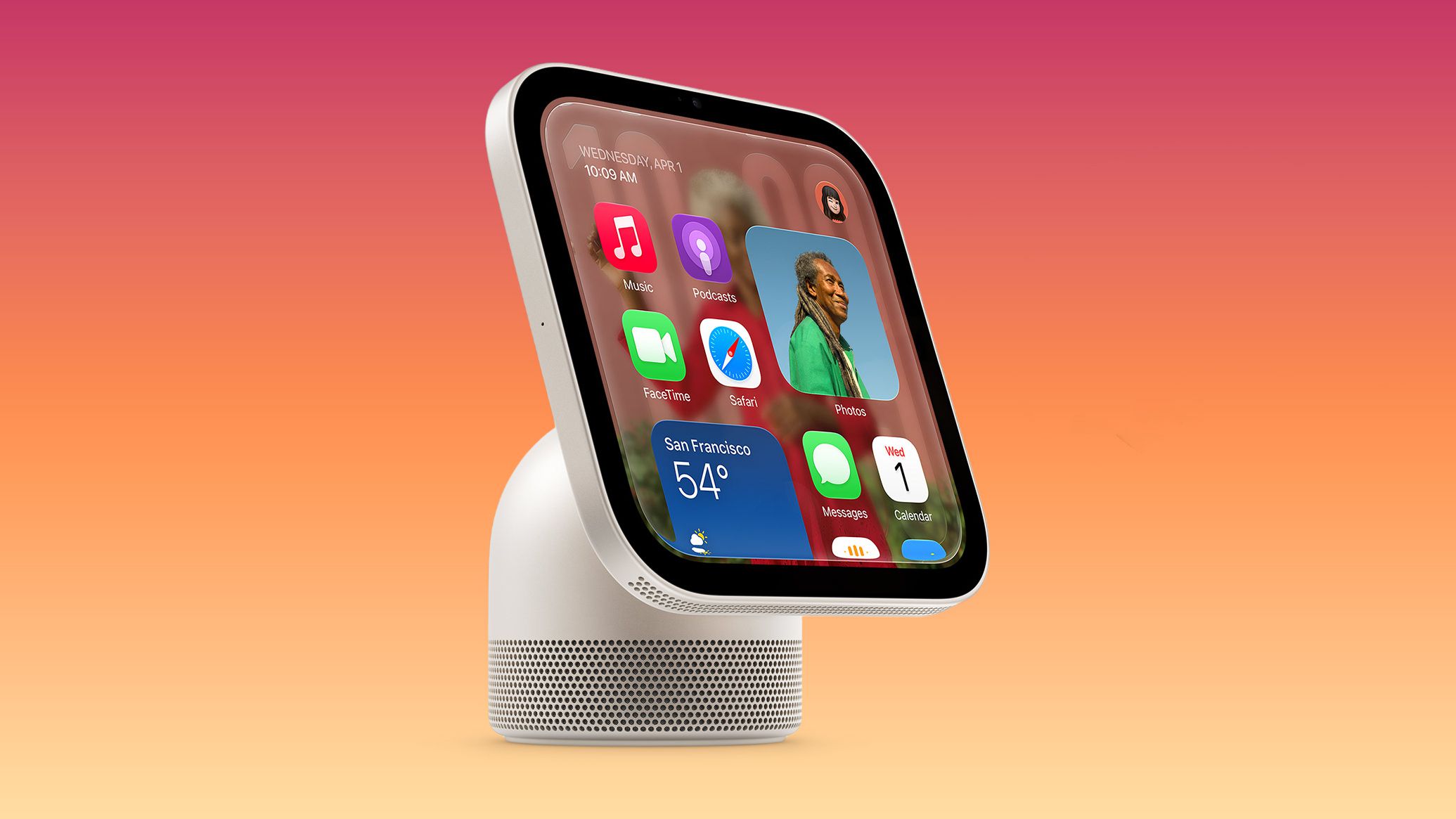
The 27.2 update reveals a sophisticated approach to personalization, a core tenet of Apple’s design philosophy for the HomeView. The software includes 20 default, high-resolution wallpapers, ranging from minimalist gradients to vibrant abstract patterns, likely designed to complement the device’s 7-inch Liquid Retina display. Beyond the curated selection, the software architecture suggests robust support for personal photo integration, allowing the HomeView to function as a dynamic digital frame when not in active use.
Perhaps most significant for power users is the dedicated face-editing interface. As demonstrated by early virtualizations of the software, users will be able to customize their "Lock Screen" experience through a modular selection process. This mirrors the functionality seen in watchOS, allowing for specific widgets—such as weather, smart home status, or calendar alerts—to be pinned to the interface. This degree of granular control suggests that Apple intends for the device to be highly individualized, even in shared household environments.
Technical Architecture: BreadBoard and CupBoard
A notable revelation within the software code is the departure from traditional iOS nomenclature. While Apple’s mobile devices rely on "SpringBoard" to manage the home screen and application lifecycle, the HomeView utilizes a purpose-built launcher referred to in the internal code as "BreadBoard." Similarly, the Control Center interface is managed by a process identified as "CupBoard."
This architectural shift suggests that Apple has moved away from a simple "shrunk-down" version of iOS. Instead, the company has developed a lightweight, highly optimized framework specifically for ambient computing. By separating these processes, Apple likely aims to ensure that the device remains responsive, even when performing intensive background tasks like local AI processing or real-time camera streaming. This focus on efficiency is critical for a device that is expected to remain "always on" and immediately accessible at a glance.
Chronology and Development Delays
The emergence of a hidden graphic referencing "HomeView Software 26" within the current 27.2 package provides compelling evidence of a delayed product cycle. Industry observers have long speculated that Apple intended to launch the HomeView in 2025, but was forced to postpone the rollout. The primary catalyst for this delay is widely believed to be the maturation of the next generation of Siri.
The integration of advanced Large Language Model (LLM) capabilities into Siri was a prerequisite for the HomeView’s value proposition; without the ability to process complex, multi-turn home automation commands, the device would have struggled to differentiate itself in a crowded market dominated by established players. By waiting for the software to reach the 27.2 iteration, Apple has ensured that the hardware launches with the full suite of "Siri AI" features, including improved intent recognition and contextual awareness.
Evidence also indicates that Apple utilized the sixth-generation iPad mini as a primary development testbed for this interface. By prototyping the software on existing hardware, Apple’s engineering teams were able to refine the gesture-based interactions and the "Hello" startup sequence long before the final HomeView manufacturing units were finalized.
Ecosystem Integration and Launch Context
The HomeView is slated to debut alongside the fourth-generation Apple TV 4K on November 13, 2026. This dual-launch strategy underscores Apple’s "whole home" vision. The HomeView acts as the interactive interface for the home, while the new Apple TV 4K handles the heavy lifting of entertainment and media consumption.
The software also confirms the presence of "Light Mode" and "Dark Mode," with an automated scheduling feature that adjusts the color temperature and brightness based on the time of day. This is a crucial feature for a device intended to sit on a nightstand or in a living area, as it prevents the screen from becoming a source of light pollution during the evening hours. Furthermore, the inclusion of Snoopy-themed animations—a fan-favorite feature from the Apple Watch—highlights Apple’s intent to make the HomeView feel friendly and approachable, rather than purely utilitarian.
Broader Implications for the Smart Home Market
The $299 price point places the HomeView in the premium tier of the smart home hub market. Analysts note that while devices from competitors like Amazon and Google are often heavily subsidized or sold at lower price points, Apple is betting that its commitment to privacy and its superior, AI-driven interface will justify the premium.
The reliance on local processing for the device’s core AI features is expected to be a major selling point. Unlike many cloud-dependent smart hubs, the HomeView is designed to handle a significant portion of user requests locally. This reduces latency and, more importantly, keeps user data within the confines of the home, aligning with Apple’s "Privacy by Design" marketing narrative.
The launch of the HomeView also effectively signals the end of the "homeOS" branding rumors. While industry insiders had long suspected Apple would name its smart home platform "homeOS," the company has opted for the more descriptive "HomeView Software" designation, consistent with its approach to the HomePod. This suggests a desire to keep the consumer focus on the hardware experience rather than the underlying operating system.
Market Response and Expectations
In the lead-up to the November 13 release, the tech community has expressed cautious optimism. The consensus among analysts is that the HomeView represents a significant upgrade over the HomePod mini, providing a visual bridge between the user and their home that was previously lacking in the Apple ecosystem.
"The HomeView is not just a screen; it’s a portal," says industry analyst Marcus Thorne. "By moving to a custom launcher like BreadBoard, Apple has signaled that they are treating this as a distinct platform, separate from the phone in your pocket. The success of this device will hinge on how well it manages the transition from a ‘dumb’ hub to a truly proactive AI assistant."
Apple’s official statements have remained relatively guarded, focusing on the "personal" nature of the device. The ability to recognize individual faces and transition the interface to display specific user information—such as a personal calendar or music preferences—is a feature that few competitors have successfully implemented at scale. If the software performance matches the promise of the 27.2 update, the HomeView could become the defining device for Apple’s 2026-2027 fiscal year.
As the launch date approaches, attention will now shift to the retail availability and the initial wave of real-world user reviews. With pre-orders already active on Apple’s website, the company is clearly preparing for a high-volume rollout. Whether the HomeView can capture the mainstream market remains to be seen, but with the software foundation now established, the path is clear for Apple to attempt a total redefinition of the smart home experience.