OPPO Find X10 Ultra could pivot to MediaTek silicon as internal testing reveals shift in flagship strategy

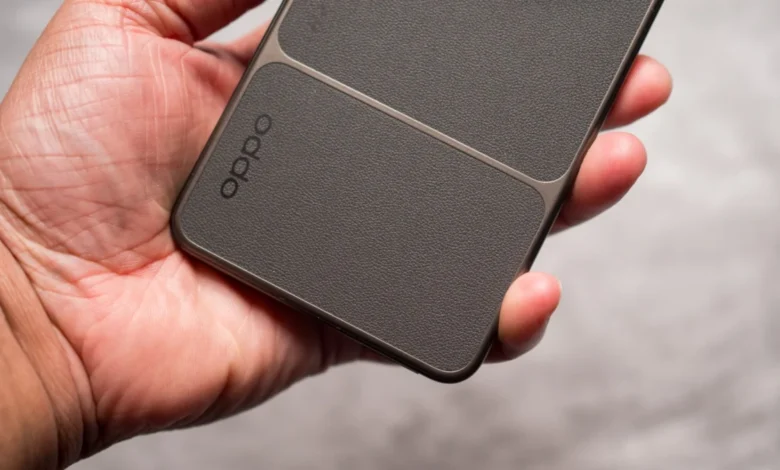
The landscape of the premium smartphone market is bracing for a significant architectural shift as reports emerge regarding the development of the OPPO Find X10 Ultra. Industry insiders, led by disclosures from the influential Weibo tipster Smart Pikachu, suggest that OPPO is currently evaluating a departure from its long-standing reliance on Qualcomm’s flagship Snapdragon series for its top-tier device. Instead, the company is testing the handset with MediaTek’s high-performance Dimensity 9600 Pro chipset. This potential transition represents more than a simple hardware swap; it underscores a broader trend of flagship manufacturers diversifying their supply chains to leverage the rapid technological advancements of the Taiwanese semiconductor giant, MediaTek.
A Dual-Track Strategy in Development
While the prospect of a MediaTek-powered Ultra flagship has generated considerable industry buzz, the decision is far from finalized. Current reports indicate a dual-track development process. OPPO is simultaneously prototyping iterations of the Find X10 Ultra equipped with Qualcomm’s forthcoming Snapdragon 8 Elite Extreme Gen 6. This "test-and-compare" methodology is standard practice for major smartphone OEMs, allowing engineering teams to benchmark power efficiency, thermal management, and, most importantly, imaging performance across different silicon architectures.
Despite the intriguing nature of the Dimensity 9600 Pro, current intelligence suggests that the Snapdragon 8 Elite Extreme Gen 6 remains the primary contender for the final retail unit. However, the fact that a MediaTek alternative has moved into advanced testing phases suggests that OPPO is no longer tethered to Qualcomm by default, a shift that could significantly influence future pricing and supply chain leverage for the brand.
The Technological Promise of the Dimensity 9600 Pro
The Dimensity 9600 Pro is an ambitious piece of engineering, built on TSMC’s cutting-edge 2nm process node. This architecture is designed to push the boundaries of mobile computing, featuring a robust configuration of two C2-Ultra cores capable of clock speeds reaching 4.55GHz, complemented by six high-efficiency performance cores.
For OPPO, the integration of this chip into the Find X10 Pro Max—a device already confirmed to feature the processor—suggests that the company is confident in the chipset’s thermal stability and multitasking capabilities. If the Find X10 Ultra also adopts this silicon, it would create a unified high-end ecosystem for OPPO, potentially streamlining software optimization and the deployment of its proprietary Lumo True Image Engine across its flagship lineup.
Imaging Hardware: Pushing the Boundaries of Mobile Photography
Regardless of the silicon at the heart of the device, the Find X10 Ultra is being positioned as a mobile imaging powerhouse. The reported specifications suggest an aggressive camera strategy, aimed at maintaining OPPO’s position as a leader in computational and hardware-based photography.
Central to this setup is a 200MP primary sensor with a 1/1.12-inch footprint. This sensor is expected to utilize Lateral Overflow Integration Capacitor (LOFIC) technology. Originally pioneered for professional imaging sensors, LOFIC allows for significantly higher full-well capacity, effectively preventing highlight clipping in high-contrast scenes. By managing the flow of electrons more efficiently at the pixel level, this technology allows for a dynamic range that approaches the quality of dedicated digital cameras.
The auxiliary camera array is equally ambitious. Leaked schematics indicate the inclusion of a second 200MP periscope telephoto lens, alongside a 50MP periscope unit designed to facilitate a 10x optical zoom. Furthermore, rumors suggest a 100MP front-facing camera, a massive leap in resolution for selfie photography that signals a focus on the burgeoning creator economy and high-resolution video conferencing capabilities.
The Role of the Lumo True Image Engine
A critical component of OPPO’s strategy is the Lumo True Image Engine. The company has long realized that raw hardware specifications are only as effective as the algorithms that process the data. By designing the Lumo engine to be hardware-agnostic, OPPO is hedging its bets against the potential switch in chip suppliers.
The engine is engineered to handle complex tasks such as noise reduction, HDR processing, and color science independently of the chipset’s native ISP (Image Signal Processor). This modular approach allows OPPO to maintain a consistent "house look" in its photographs, ensuring that users receive the same high-quality output whether the phone is powered by a Snapdragon or a MediaTek processor. This decoupling of software from silicon is a sophisticated move that provides the manufacturer with greater flexibility in the face of supply chain volatility.
Historical Context and Market Implications
The relationship between smartphone manufacturers and chip designers has become increasingly volatile over the past three years. In the early 2020s, the "Ultra" class of phones was almost exclusively dominated by the top-tier Snapdragon 8-series. However, MediaTek’s aggressive R&D spending and its move toward smaller manufacturing nodes have eroded Qualcomm’s monopoly on the premium segment.
If OPPO moves the Find X10 Ultra to the Dimensity platform, it will be following a growing trend among Chinese OEMs. Manufacturers are increasingly looking to differentiate their devices not just through clock speeds, but through specialized hardware integrations. For OPPO, the challenge will be differentiation. If both the Pro Max and the Ultra share the same silicon, the Ultra must justify its premium price tag through superior camera hardware, specialized build materials, and advanced software features that are exclusive to the top-tier model.
Looking Toward 2027: The Roadmap
The industry is currently looking at a release window in the first half of 2027 for the Find X10 Ultra. This timeline provides OPPO with a significant window to finalize its hardware selection. The decision-making process will likely be dictated by three key factors:
- Thermal Performance: The 2nm process is notoriously difficult to manage thermally. The winner of the "chip race" will be the one that provides the most stable performance under sustained loads—such as 4K video recording or heavy gaming—without aggressive thermal throttling.
- ISP Integration: How effectively the Lumo True Image Engine can tap into the specific ISP of the chosen chip will determine the final image quality.
- Supply Chain Stability: Global semiconductor shortages and geopolitical tensions have made supply chain diversification a priority for all major OEMs. Having a "Plan B" (the Dimensity 9600 Pro) ready for mass production is a strategic insurance policy for OPPO.
The Broader Impact on the Android Ecosystem
Should OPPO choose to transition its highest-end device to MediaTek, it would send a strong signal to the rest of the Android ecosystem. It would validate MediaTek’s efforts to compete at the absolute pinnacle of performance, effectively ending the perception that MediaTek chips are reserved for mid-range or "value-flagship" devices.
Furthermore, this move would force Qualcomm to reconsider its pricing and licensing strategies. With MediaTek gaining ground in the premium space, Qualcomm faces the dual pressure of delivering unmatched performance while maintaining competitive costs for its partners. For consumers, this competition is largely beneficial. It drives innovation in camera technology, thermal management, and power efficiency, all of which are essential as mobile devices continue to absorb the functions of traditional laptops and professional cameras.
Conclusion: A Strategic Pivot
As the development of the Find X10 Ultra progresses, the mobile tech industry remains in a state of watchful waiting. The potential shift from Qualcomm to MediaTek is symbolic of a larger, more mature market where manufacturers have the leverage to demand more from their suppliers.
Whether OPPO ultimately opts for the Snapdragon 8 Elite Extreme Gen 6 or makes the bold move to the Dimensity 9600 Pro, the focus remains clear: the device is being built to redefine the ceiling of what is possible in mobile photography. With a 200MP primary sensor, sophisticated LOFIC technology, and an advanced image processing engine, the Find X10 Ultra is poised to be a pivotal device in the evolution of the smartphone. OPPO’s final decision, expected to be revealed closer to the 2027 launch, will likely serve as a bellwether for the future of mobile silicon selection in the high-end, premium smartphone sector. As the company continues to refine its hardware and software synergy, it remains clear that the brand is prioritizing photographic capability and imaging consistency above all else, ensuring that its flagship remains a dominant force in the global market.