AWS Developer Experience Team Engages with AWS Korea User Group Leaders, Highlighting Key Innovations and Addressing Customer Concerns

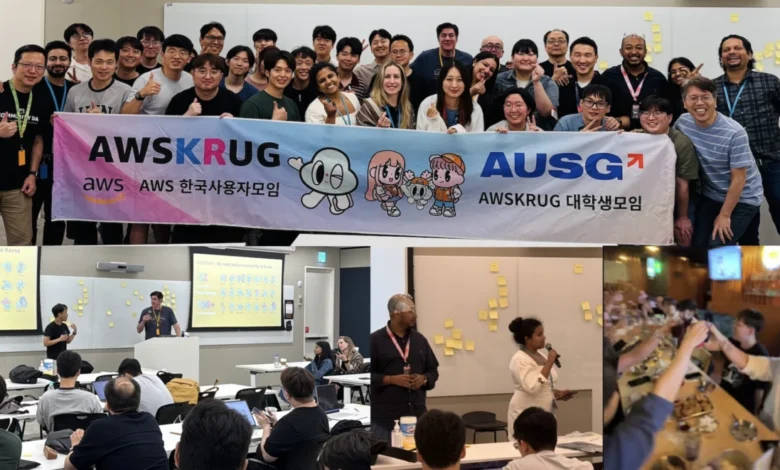
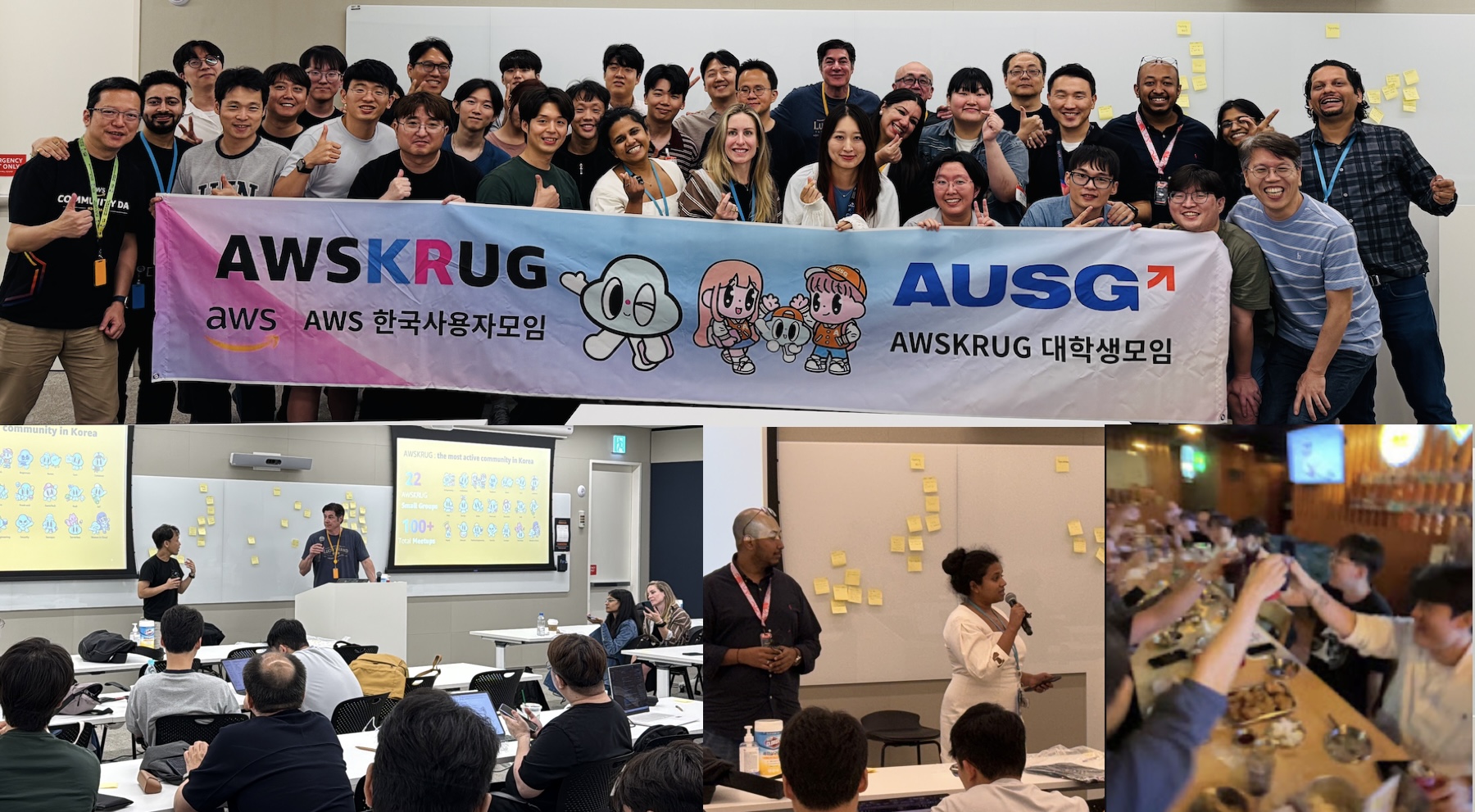
The AWS Developer Experience team recently conducted a productive visit to Seoul, fostering deeper engagement with the leaders of the AWS Korea User Group (AWSKRUG). This pivotal meeting underscored AWS’s commitment to its vibrant developer communities across the Asia-Pacific region, providing a crucial platform for feedback, collaboration, and the dissemination of the latest AWS innovations. AWSKRUG stands as a testament to the growing influence of cloud technology in South Korea, boasting the largest community of cloud developers in the nation. With a decentralized structure comprising over 20 distinct meetup groups organized by specialized topics and geographical areas, AWSKRUG collectively orchestrates more than 100 events annually, primarily centered in the bustling metropolis of Seoul.
The strategic visit, which included a notable social gathering over Chimaek – a popular Korean pairing of fried chicken and beer – allowed AWS Developer Experience team members to engage directly with community leaders. This direct interaction facilitated an open exchange of insights, covering both the successes and areas requiring enhancement in the first half of the year, as well as articulating the specific needs and expectations of the AWSKRUG community from the AWS Developer Experience team. Such dialogues are integral to AWS’s customer-centric approach, ensuring that the development and delivery of cloud services remain closely aligned with the evolving demands of developers worldwide.
Advancements in Serverless Development with Lambda Coding Agents
A significant highlight of the recent AWS announcements, and one that garnered particular attention during the discussions, is the introduction of a one-click Lambda setup prompt for coding agents. This innovative feature is designed to streamline the integration of AWS serverless capabilities into developer workflows. By pre-configuring coding agents with essential AWS Serverless skills and the Serverless Model Context Protocol (MCP) server, the prompt embeds serverless best practices from the outset of a project. This proactive approach aims to reduce the learning curve and accelerate the adoption of serverless architectures, a critical component of modern cloud-native development.
The prompt directly references the comprehensive Lambda agent setup guide, which provides installation commands for a range of popular AI coding assistants, including Claude Code, Kiro, Cursor, GitHub Copilot, Codex, Devin Desktop, and OpenCode. This broad compatibility ensures that developers can leverage this new feature regardless of their preferred development tools. To initiate the process, users can select the "Copy agent prompt" button directly from the AWS Lambda console or manually copy the provided URL: https://docs.aws.amazon.com/lambda/latest/dg/samples/aws-lambda-agent-setup.md. This URL can then be pasted into their AI agent of choice, initiating the setup and configuration process.
Further enhancing the developer experience, the Agent Toolkit for AWS offers a robust solution for equipping coding agents with up-to-date AWS knowledge and secure access to AWS resources. The installation instructions for the AWS MCP Server can be accessed via the following URL: https://raw.githubusercontent.com/aws/agent-toolkit-for-aws/refs/heads/main/setup-instructions/setup.md. This toolkit empowers developers to build and deploy serverless applications with greater confidence and efficiency, leveraging the collective intelligence of AI-powered coding assistants.
Strategic Engagement with AWSKRUG: A Foundation for Community Growth
The meeting with AWSKRUG leaders underscores a broader AWS strategy to cultivate and support its global developer communities. These user groups serve as vital hubs for knowledge sharing, peer-to-peer learning, and the exchange of practical expertise. By actively engaging with these communities, AWS gains invaluable insights into developer challenges, emerging trends, and opportunities for product improvement.
The AWS Korea User Group, with its extensive network and diverse topical groups, represents a significant force in the South Korean tech landscape. The frequency of their meetups, exceeding 100 events annually, demonstrates a dynamic and engaged membership. The team’s presence in Seoul facilitated a candid dialogue, where leaders articulated their achievements, identified areas for improvement within their community operations, and conveyed their expectations from AWS. This two-way communication is crucial for fostering a symbiotic relationship, where AWS provides resources and support, and the user groups offer vital feedback that shapes the future of AWS services and developer programs.
The informal Chimaek session, while a gesture of camaraderie, also highlights the importance of building personal connections within the developer ecosystem. These moments of shared experience can often lead to more open and productive collaborations, strengthening the bond between AWS and its most active community members.
Addressing Recent Billing Data Incidents
In parallel with community engagement and product innovation, AWS also provided an update on a recent incident that affected a subset of its customers. Over the past weekend, some users experienced an issue where AWS Cost Explorer displayed inaccurate estimated billing data. This anomaly may have led to erroneous budget alerts and cost anomaly detection notifications, as well as inflated estimated cost and usage figures.

AWS has confirmed that the issue has since been resolved, and all AWS services are operating normally. The company has extended apologies for any concern or disruption this incident may have caused and is undertaking a thorough retrospective analysis. The objective of this review is to identify the root causes and implement measures to prevent similar occurrences in the future, while also enhancing the company’s response protocols for billing-related incidents. Customers seeking further details can refer to the AWS Health Dashboard for more information regarding this event.
This transparency and proactive communication regarding service disruptions are critical for maintaining customer trust. The detailed post-mortem analysis, when made available, will provide valuable insights into the operational resilience of AWS billing systems and the company’s commitment to continuous improvement.
Broader Implications and Future Outlook
The ongoing collaboration between AWS and its user groups, exemplified by the recent meeting in Seoul, is instrumental in driving cloud adoption and innovation. By actively listening to and supporting developer communities, AWS can better anticipate market needs and tailor its offerings to empower developers to build transformative solutions. The focus on enhancing the developer experience, particularly through advancements in AI-assisted coding for serverless development, signals AWS’s commitment to making complex cloud technologies more accessible and efficient.
The one-click Lambda setup prompt, for instance, represents a significant step towards democratizing serverless development. By abstracting away some of the initial setup complexities, it allows developers to concentrate on the core logic of their applications, accelerating time-to-market and fostering greater experimentation with serverless architectures. The integration with popular coding agents further amplifies this effect, bringing powerful AI capabilities directly into the developer’s workflow.
Looking ahead, AWS is expected to continue its investment in developer tools and community engagement. The company’s global presence and diverse range of events, including AWS Summits, startup events, and developer-focused workshops, provide numerous avenues for developers to connect, learn, and innovate. The AWS Builder Center serves as a central repository for resources, enabling developers to share solutions and access content that supports their growth.
The proactive management of service incidents, as demonstrated with the recent Cost Explorer issue, is also a critical aspect of AWS’s operational excellence. The commitment to post-incident analysis and the implementation of preventive measures reflect a mature approach to cloud service delivery. As the cloud landscape continues to evolve, such dedication to reliability and transparency will remain paramount in building and sustaining customer confidence.
The AWS Korea User Group’s active role in this ecosystem highlights the localized impact of global cloud platforms. The success of communities like AWSKRUG is not only a measure of AWS’s reach but also a testament to the growing technical expertise and innovation emerging from regions around the world. The continuous dialogue between AWS and its user groups is poised to drive further advancements, shaping the future of cloud computing and empowering developers to tackle increasingly complex challenges.
Related posts: