In the era of hyper-scale internet services, managing massive volumes of data and ensuring high availability is a foundational challenge for software engineers. As web applications grow from hundreds to millions of users, the traditional approach of storing data on a single server or a static cluster of cache nodes becomes unsustainable. When a single node in a traditional system fails, or when traffic spikes necessitate the addition of new hardware, the remapping of keys often leads to cache misses, potentially crashing backend databases. Consistent hashing has emerged as the industry-standard solution to these challenges, providing a way to distribute data across a dynamic set of nodes while minimizing disruption.

The Evolution of Caching and the Problem of Static Partitioning
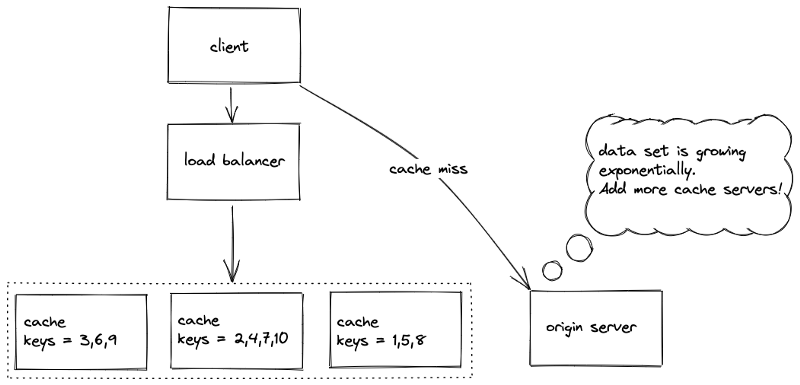
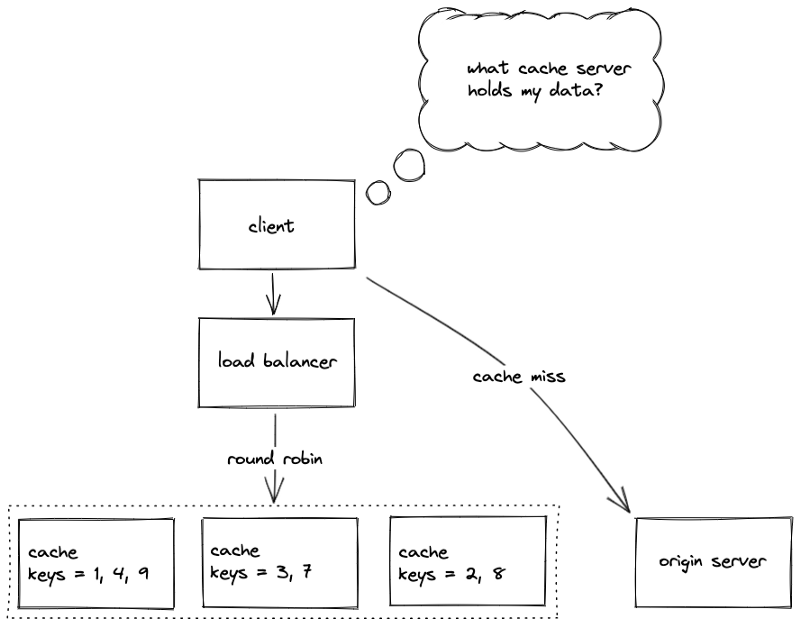
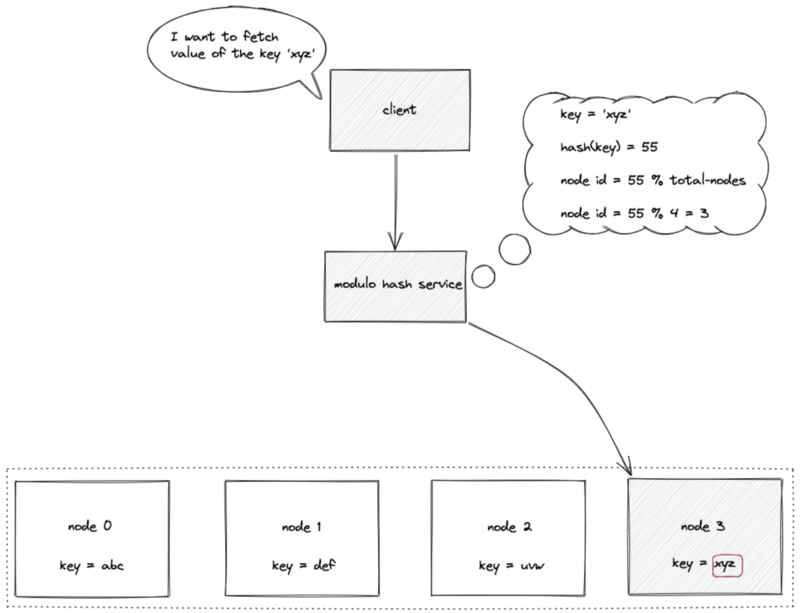
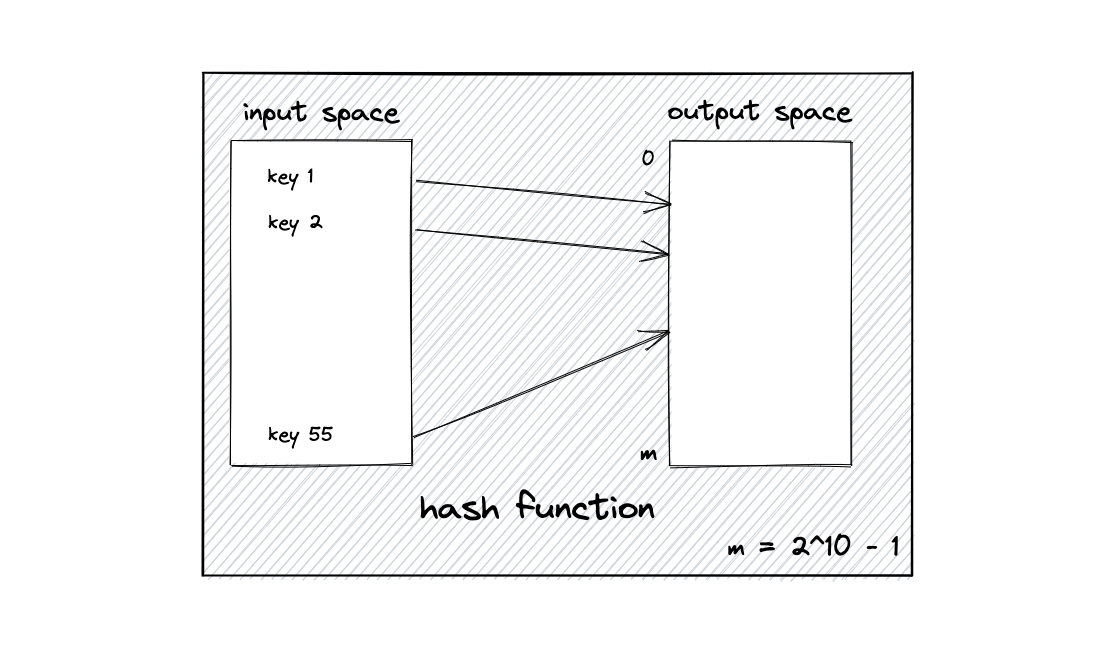
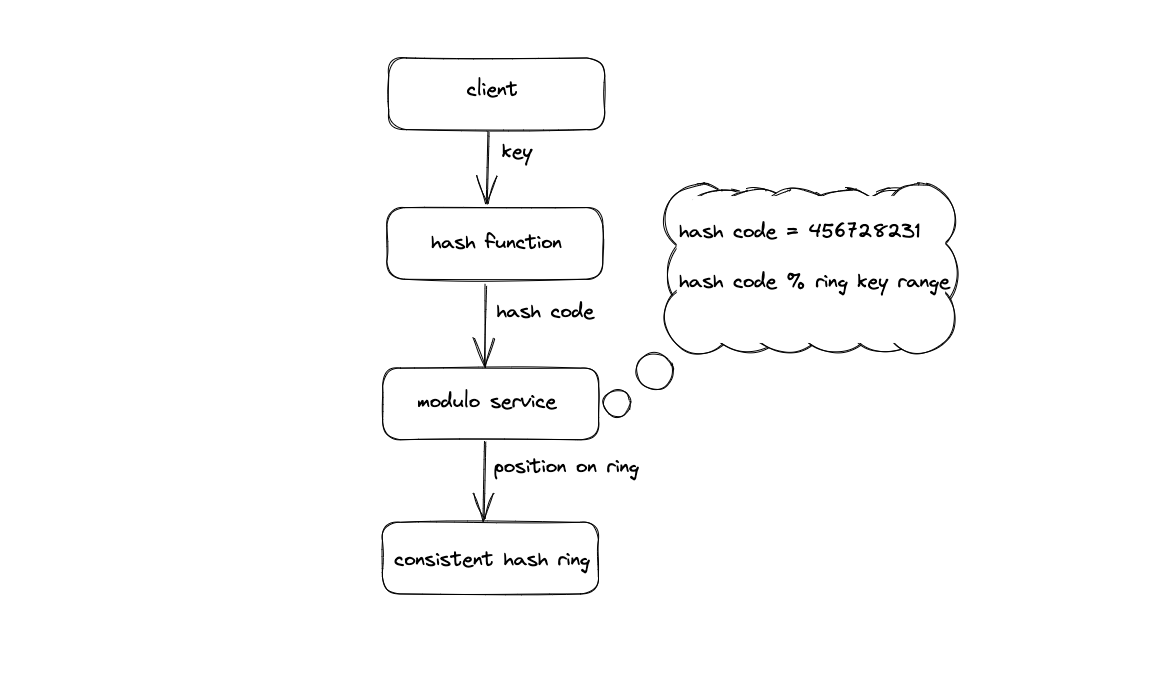
The necessity for consistent hashing arose from the limitations of simple partitioning strategies. Early web architecture relied on basic caching to reduce latency. However, as demand grew, engineers employed "static hash partitioning," where the location of a data object was determined by the formula: Node ID = hash(key) mod N (where N is the number of nodes).
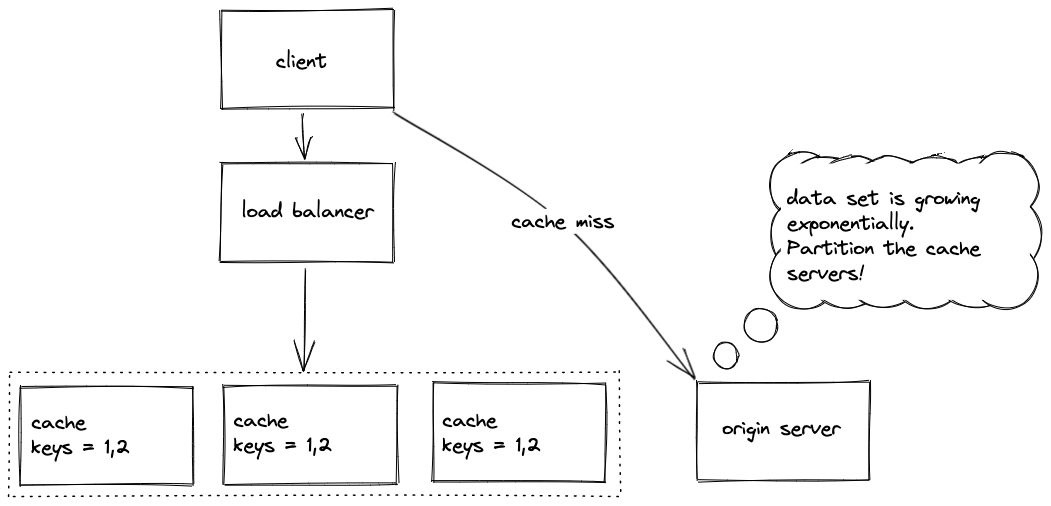
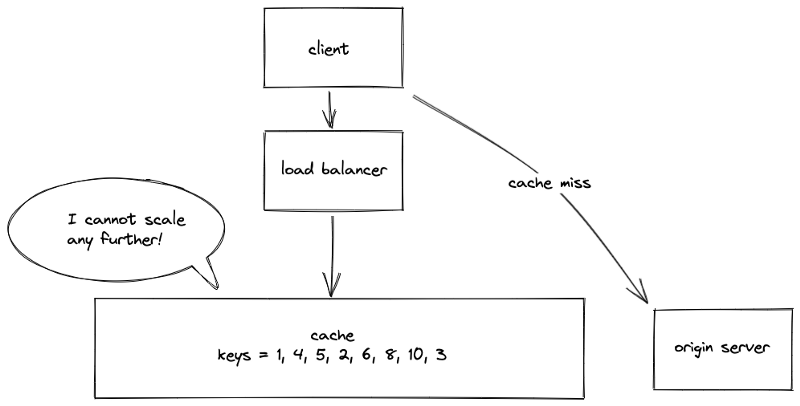
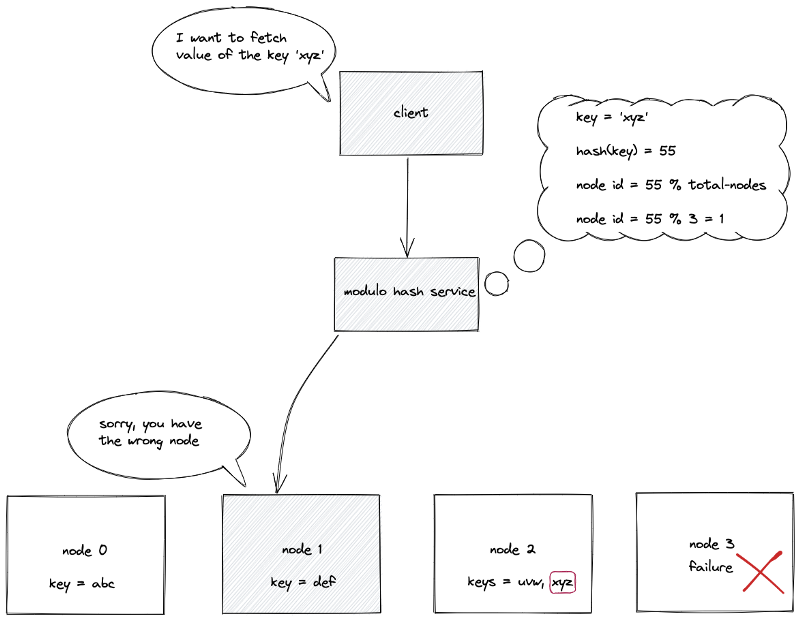
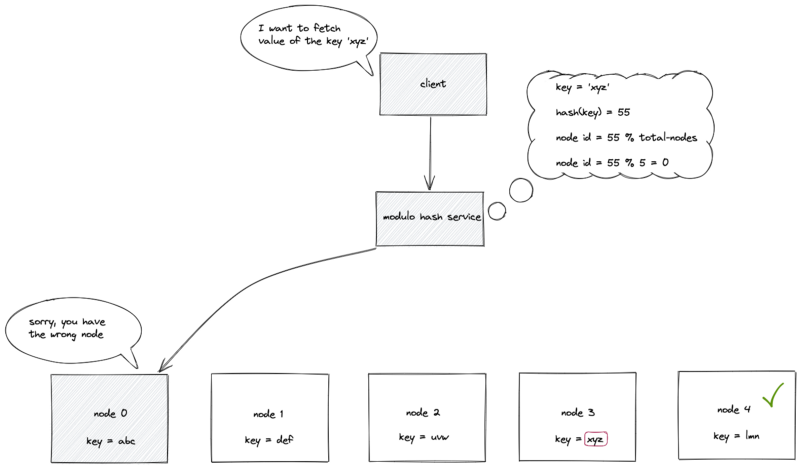
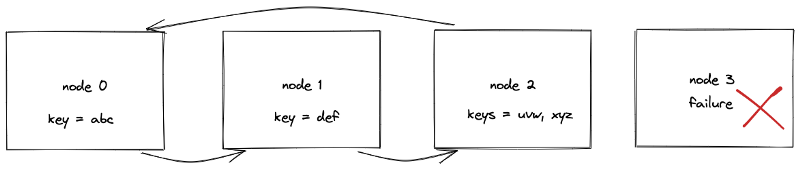
While this provided constant-time access, it suffered from a fatal flaw: fragility. If a node was removed due to a hardware failure, or if a node was added to accommodate increased traffic, the value of N changed. This meant that nearly every key in the system had to be remapped to a new location. In a system with thousands of cache entries, this triggered a "cache stampede," where the origin server—the primary database—was suddenly flooded with requests for data that no longer existed in the local cache. This often resulted in cascading failures, where the origin server would collapse under the sudden, intense load.
The Mechanism of the Hash Ring
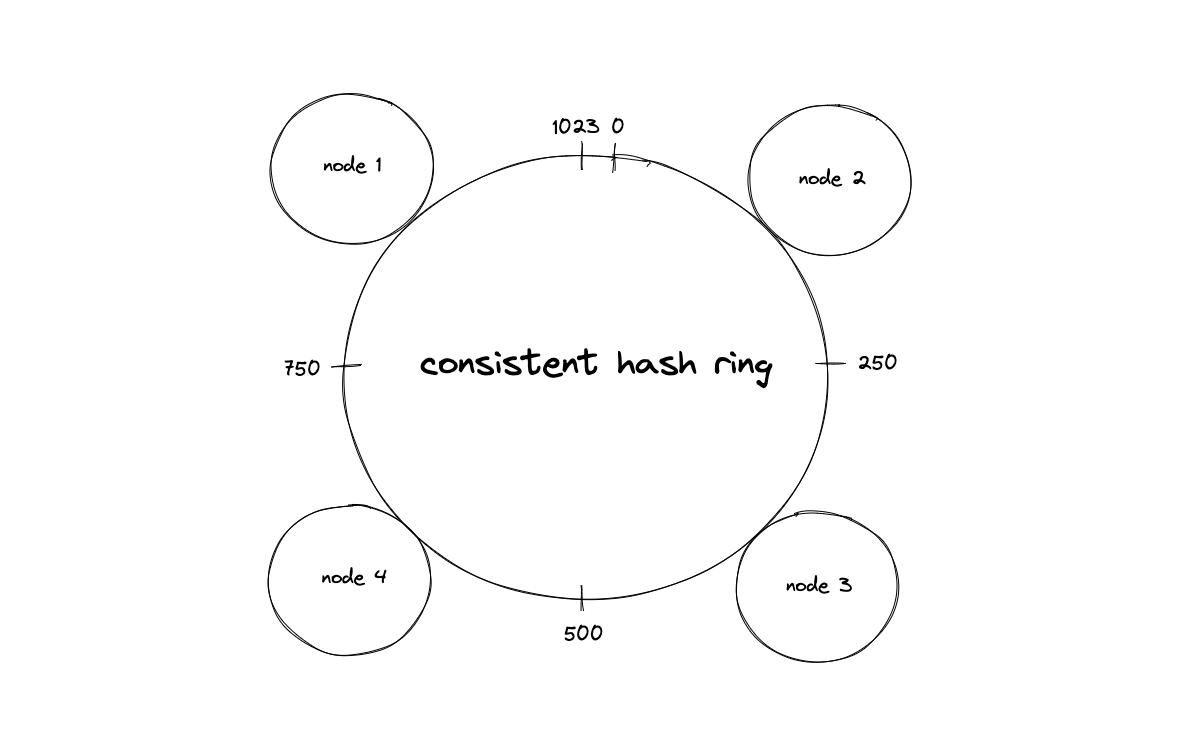
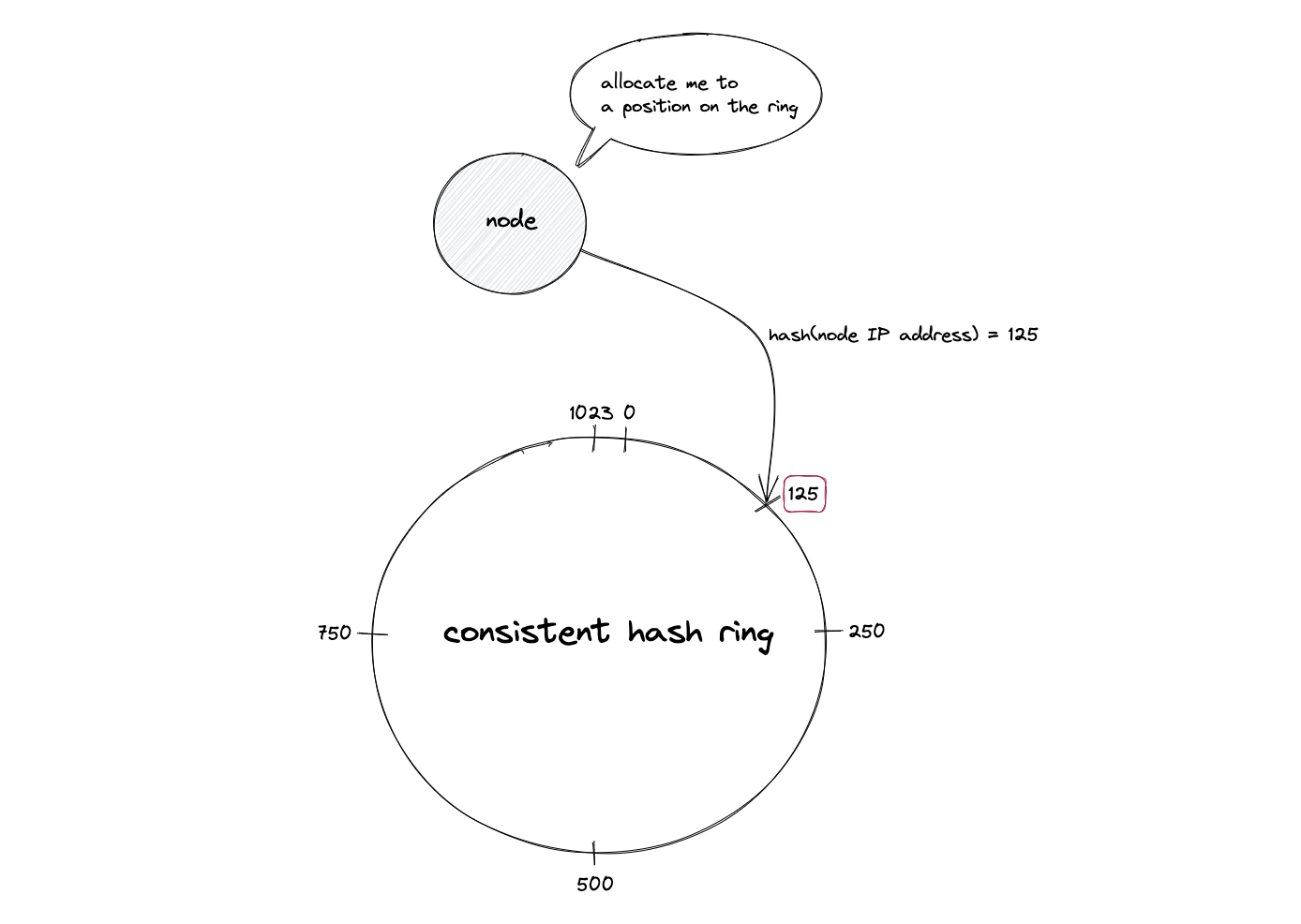
Consistent hashing, first formalized in a 1997 paper by Karger et al., addresses these issues by decoupling the mapping of data from the number of active nodes. Instead of using a simple modulo operation, the system maps both nodes and data keys onto a logical "hash ring."
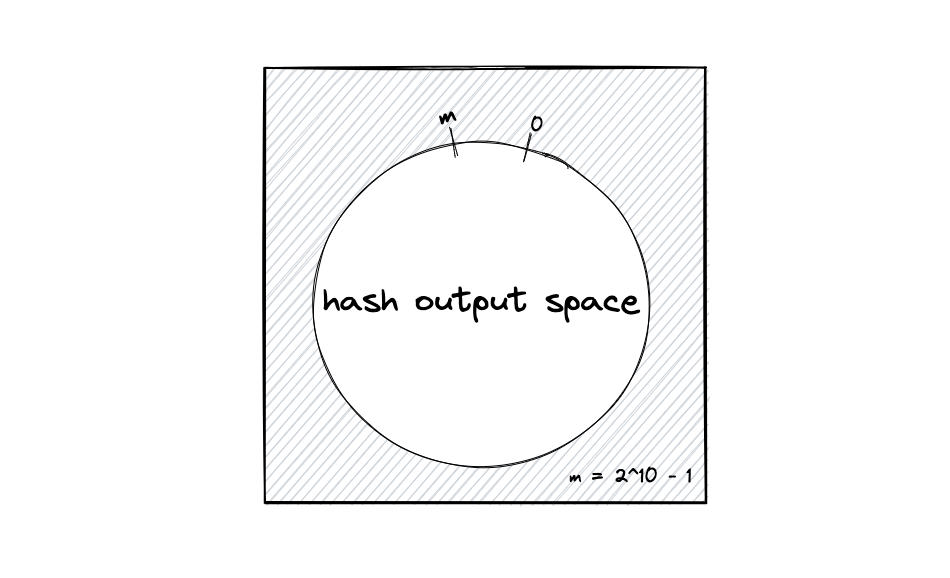
Imagine a circular space representing the entire range of potential hash values, typically from 0 to 2^n – 1. Each node in the cluster is assigned a position on this ring based on its unique identifier, such as its IP address or a server name. When a data object with a specific key needs to be stored, that key is also hashed to a position on the same ring. To find the correct storage location, the system moves clockwise around the ring until it encounters the first node. That node is the owner of the data.
This structural shift is transformative. When a node is removed, only the data that was previously mapped to that specific node needs to be remapped to its immediate clockwise neighbor. The rest of the ring remains undisturbed. Similarly, when a new node is added, it only "steals" a portion of the keys from its immediate clockwise neighbor. This localized impact is the hallmark of a resilient, scalable system.
Mitigating Hotspots: The Role of Virtual Nodes
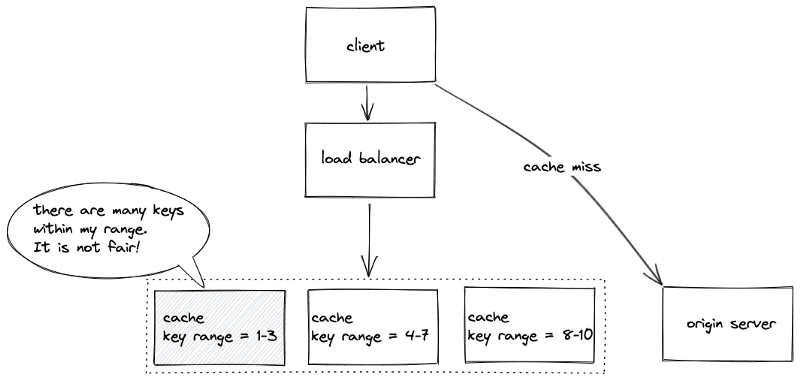
While the basic hash ring design is elegant, it introduces a new risk: uneven data distribution. In a real-world environment, nodes might not be placed uniformly on the ring, leading to some servers holding significantly more data than others—a phenomenon known as creating "hotspots."
To solve this, engineers introduced the concept of "virtual nodes" (or vnodes). Instead of a single physical server occupying one spot on the ring, the server is assigned multiple positions. By hashing the node identifier with different suffixes, a single physical machine can effectively represent several points on the ring. This increases the probability that keys will be distributed uniformly across the cluster. Furthermore, virtual nodes allow for heterogeneity; a server with more RAM and higher CPU capacity can be assigned more virtual nodes, thereby attracting a larger share of the traffic and data load.
Implementation and Asymptotic Complexity
The efficiency of consistent hashing relies heavily on the data structures used to manage the ring. In most production systems, the positions of the nodes are stored in a self-balancing binary search tree (BST) or a similar structure that supports logarithmic time complexity.
The asymptotic performance of these systems is highly favorable for modern infrastructure:
- Adding/Removing a node: O(log n + k/n), where n is the number of nodes and k is the number of keys.
- Key lookup: O(log n), allowing for extremely fast retrieval even as the cluster grows.
These complexities demonstrate why consistent hashing is the preferred choice for distributed databases like Apache Cassandra, Amazon DynamoDB, and Riak. In these systems, the state of the hash ring is often synchronized across nodes using a "gossip protocol," ensuring that all nodes have a consistent view of the cluster topology without requiring a centralized master node that could become a single point of failure.
Real-World Applications and Industry Adoption
The adoption of consistent hashing is not merely a theoretical exercise; it is the engine behind some of the world’s largest platforms.
- Discord: To manage millions of concurrent users, Discord utilizes consistent hashing to partition its chat rooms across a vast fleet of servers, ensuring that traffic is balanced and state is maintained effectively.
- Netflix: As a leader in video streaming, Netflix uses these techniques to distribute video content across its Open Connect Content Delivery Network (CDN), ensuring that users can stream high-definition content from the node physically closest to them.
- Vimeo: Vimeo employs specialized consistent hashing algorithms to manage the massive influx of video uploads and playback requests, minimizing the load on their underlying storage infrastructure.
- Load Balancers: Tools such as HAProxy have integrated "bounded-load consistent hashing." This variation adds a layer of intelligence: if a node reaches a predefined capacity threshold, the system intelligently reroutes traffic to a secondary node, preventing any single machine from buckling under the weight of a popular piece of content.
Challenges and Future Optimizations
Despite its advantages, consistent hashing is not a silver bullet. The maintenance of the ring structure requires careful synchronization, especially in high-concurrency environments. The use of readers-writer locks is common to ensure that updates to the ring—such as adding a node during a traffic spike—do not block concurrent read operations, though this can introduce minor latency penalties.
Moreover, the choice of the underlying hash function is critical. Cryptographic hashes like MD5 or SHA-1, while robust, are often too slow for high-frequency routing decisions. Consequently, the industry has gravitated toward non-cryptographic, high-performance hash functions such as MurmurHash, xxHash, and SipHash. These functions provide the necessary speed while maintaining the high collision resistance required to ensure keys remain correctly mapped.
Broader Implications for Distributed Computing
The shift toward consistent hashing mirrors the broader evolution of the internet from centralized, monolithic servers to decentralized, cloud-native architectures. By minimizing data movement and preventing catastrophic cache misses, consistent hashing has enabled the "horizontal scaling" that is essential for modern cloud computing.
As we look toward the future, the integration of consistent hashing with other technologies, such as multi-probe hashing—which further optimizes node lookup by performing multiple lookups to find the best candidate—suggests that this 25-year-old technique remains as relevant today as it was at its inception. For any organization aiming to build a resilient, internet-scale service, understanding the mechanics and tradeoffs of consistent hashing is no longer optional; it is a fundamental requirement of modern software architecture. The ability to maintain service stability amidst the chaos of server additions, removals, and failures is, ultimately, what separates robust global platforms from those that struggle to survive the test of scale.