Croc GUI: Encrypted Peer-to-Peer File Transfer Without the Terminal (Cross-Platform)

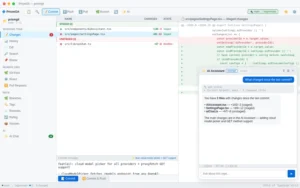
A new graphical user interface (GUI) application, named Croc GUI, has been released, offering users an intuitive and accessible way to perform encrypted, peer-to-peer file transfers. Developed by Interfluve-wav, this free and open-source desktop application aims to democratize the powerful capabilities of the command-line tool croc by providing a user-friendly experience for individuals who may not be comfortable with terminal interfaces. The application is cross-platform, supporting macOS, Windows, and Linux operating systems, and is distributed under the permissive MIT license.
The genesis of Croc GUI stems from the developer’s frequent use of the underlying croc utility for secure file sharing. While croc excels in its end-to-end encryption, cross-platform compatibility, and absence of reliance on vendor-specific cloud services, its command-line nature can present a barrier for less technically inclined users. Croc GUI seeks to bridge this gap, delivering the same robust file transfer engine with a significantly clearer and more approachable user experience, effectively transforming the command-line tool into a desktop application with drag-and-drop functionality.
Croc GUI leverages the established schollz/croc project as its core transfer engine. This foundational technology ensures that all file transfers are end-to-end encrypted, meaning that only the sender and receiver can access the content of the transferred files. This robust security model is crucial in an era where data privacy and protection are paramount concerns for individuals and organizations alike. The peer-to-peer nature of the transfer further enhances security and efficiency by eliminating the need for intermediary servers, thereby reducing potential points of failure and unauthorized access.
Key features integrated into Croc GUI include intuitive drag-and-drop file selection, simplifying the process of choosing files for transfer. For enhanced convenience and accessibility, the application also supports QR code generation, a feature often facilitated by companion services like getcroc.com, allowing for quick and easy sharing of transfer codes, particularly on mobile devices. Furthermore, Croc GUI includes a dedicated LAN mode, enabling direct file transfers between devices connected to the same local network, which can be significantly faster and more secure for internal data sharing.
The developer has emphasized the importance of supporting the original croc project. In a statement that underscores the collaborative nature of open-source development, the release notes explicitly encourage users to sponsor the creator of croc, schollz, acknowledging their foundational contribution. This sentiment highlights a commitment to the sustainability of the open-source ecosystem, recognizing that the success of derivative projects is intrinsically linked to the health and continued development of their core components.
For developers interested in contributing or understanding the inner workings of Croc GUI, a quick start guide is provided. The development setup involves cloning the GitHub repository, navigating to the GUI directory, installing dependencies, downloading the necessary croc binary, and then running the application in development mode using the Tauri framework. This transparency in development practices invites community involvement and fosters a collaborative environment for ongoing improvement.

The availability of Croc GUI spans multiple platforms, with installers provided for macOS (both Apple Silicon and Intel architectures), Windows (as an executable setup file), and Linux (offering both .deb and .AppImage formats). This comprehensive support ensures that a wide range of users can benefit from the application’s features, regardless of their operating system preference. The application’s releases are readily accessible through the GitHub Releases page, maintaining a clear and direct channel for users to obtain the latest stable versions.
Background and Context of croc
The croc command-line utility, which serves as the backbone for Croc GUI, was developed by Daniel Schollz. Its inception was driven by a desire for a secure, efficient, and user-friendly method for transferring files directly between computers without relying on cloud storage. Traditional file transfer methods often involve uploading files to a server and then downloading them to the recipient’s device, a process that can be time-consuming, consume significant bandwidth, and introduce potential security risks if the server is compromised. croc bypasses these issues by establishing a direct connection between the sender and receiver, encrypting the data in transit.
The core technology behind croc utilizes a relay server to facilitate the initial handshake between the two peers, but the actual file data is transferred directly between them. This approach ensures that the content never resides on the relay server, preserving user privacy. The use of strong cryptographic algorithms guarantees the integrity and confidentiality of the transferred files. Its cross-platform nature, supporting Linux, macOS, and Windows, further cemented its utility for a diverse user base.
The Need for a Graphical Interface
While croc is highly effective for users comfortable with the command line, its adoption by a broader audience has been limited by this technical requirement. Many individuals find terminal commands intimidating or cumbersome, preferring the visual cues and intuitive interactions offered by graphical user interfaces. The decision to build Croc GUI addresses this specific user segment, aiming to make secure peer-to-peer file transfer accessible to everyone.
The development of a GUI for croc aligns with a broader trend in software development, where complex command-line tools are increasingly being wrapped with user-friendly interfaces to enhance their accessibility. This approach not only broadens the user base but also encourages wider adoption of secure and efficient technologies.
Key Features and Functionality of Croc GUI
Croc GUI builds upon the robust foundation of croc and introduces several user-centric enhancements:
- Drag-and-Drop Interface: Users can simply drag files or folders directly onto the Croc GUI window to initiate the transfer process. This eliminates the need to type file paths, reducing the potential for errors.
- QR Code Integration: For seamless sharing of transfer codes, especially between desktop and mobile devices, Croc GUI can generate QR codes. This feature, often linked to the getcroc.com service, allows for quick and effortless initiation of transfers by scanning the code with a compatible device.
- LAN Mode: This specialized mode facilitates direct file transfers between devices connected to the same local network. This is particularly beneficial for transferring large files within an office or home environment, as it bypasses the internet and can offer significantly higher speeds and increased security due to the isolated network environment.
- Cross-Platform Compatibility: Available for macOS, Windows, and Linux, Croc GUI ensures that users can send and receive files regardless of their operating system.
- MIT License: The open-source nature of the application, governed by the MIT license, allows for free use, modification, and distribution, fostering community involvement and innovation.
Technical Stack and Development
Croc GUI is built using modern web technologies and frameworks, enabling its cross-platform capabilities. The application’s architecture likely involves a combination of frontend technologies for the user interface and a backend component that interfaces with the croc executable. The use of the Tauri framework, as indicated in the developer’s quick start guide, suggests an approach that leverages web technologies for the UI while compiling to native executables, resulting in smaller, faster, and more secure applications.

The development quick-start guide outlines a straightforward process for setting up the development environment:
- Clone the Repository:
git clone https://github.com/interfluve-wav/croc-gui.git - Navigate to GUI Directory:
cd croc-gui/gui - Install Dependencies:
npm install - Download
crocBinary:npm run bundle:croc:download - Run in Development Mode:
npm run tauri:dev
This process highlights the accessibility of the development workflow, encouraging potential contributors to engage with the project.
Availability and Distribution
Croc GUI is distributed through GitHub Releases, providing direct access to installers for various operating systems. The available formats include:
- macOS:
.dmgfiles for both Apple Silicon and Intel processors. - Windows:
x64-setup.exefor 64-bit Windows systems. - Linux:
.deband.AppImageformats, catering to different Linux distributions and user preferences for package management.
The project also maintains an active presence on GitHub, with clear links for users to "Star on GitHub" to show support and to report "Issues" for bug reports or feature requests.
Implications and Broader Impact
The release of Croc GUI represents a significant step forward in making secure, private file transfer technologies more accessible to the general public. By abstracting away the complexities of the command line, it lowers the barrier to entry for users who may not have prior experience with such tools. This increased accessibility can lead to a broader adoption of end-to-end encrypted communication methods, contributing to a more secure digital environment for individuals and small businesses.
The emphasis on peer-to-peer transfer and the reliance on open-source principles align with a growing awareness of data privacy concerns and a desire for greater control over personal information. In an age where data breaches are common and cloud services can be subject to surveillance or policy changes, tools like Croc GUI offer a valuable alternative for sensitive data exchange.
Furthermore, the project’s commitment to supporting its upstream dependencies, like the croc project, exemplifies the collaborative spirit of the open-source community. This mutual reliance and support system are crucial for the continued innovation and sustainability of free and open-source software, benefiting all users in the long run. The availability of a well-designed GUI for such a powerful tool is likely to encourage more users to explore and adopt secure file transfer solutions, thereby promoting a more privacy-conscious digital landscape.