The conclusion of The Internet of Things Podcast marks the end of an eight-year tenure that has documented the transformation of the smart home and industrial connectivity landscape from a niche experimental field into a multi-billion-dollar global infrastructure. Since its inception in 2015, the program, led by veteran technology journalist Stacey Higginbotham and co-host Kevin Tofel, has served as a primary source of analysis for developers, enthusiasts, and industry executives. The final episode, while eschewing the standard breakdown of weekly headlines, provides a reflective analysis of the current state of the Internet of Things (IoT) and offers a comprehensive guide for the future of the sector.
The decision to conclude the podcast comes at a pivotal moment for the technology industry. While the final episode briefly acknowledges major current events—such as the high-profile initial public offering (IPO) of chip designer Arm, the release of new smart home control panels from Brilliant, and the launch of Leviton’s second-generation smart circuit breakers—the core of the broadcast focuses on the broader trajectory of connected technology. The transition from active production to a legacy state reflects a shifting media landscape and an evolving IoT market that has moved from the "early adopter" phase into a period of consolidation and standardization.
A Retrospective on Eight Years of IoT Evolution
When The Internet of Things Podcast launched in the mid-2010s, the smart home was characterized by fragmented ecosystems and competing wireless protocols. In 2015 and 2016, the industry was embroiled in "protocol wars" between Zigbee, Z-Wave, and various proprietary Bluetooth and Wi-Fi implementations. During this era, the concept of a "smart home" often required a complex array of hubs and bridges, a reality Higginbotham noted in the final episode by referencing her own home’s history of mismatched light switches and technical workarounds.
Over the subsequent eight years, the podcast tracked the rise of voice assistants—Amazon Alexa and Google Assistant—as the primary interfaces for the home. It also documented the industrial sector’s shift toward "Industry 4.0," where data from sensors on the factory floor began to drive predictive maintenance and supply chain optimization. The chronology of the show mirrors the industry’s maturation:
- 2015–2017: The era of the "connected gadget," where everything from saltshakers to hairbrushes received Bluetooth connectivity, often with questionable utility.
- 2018–2020: The shift toward ecosystems and the dominance of "Big Tech" in the home, alongside the growth of low-power wide-area networks (LPWAN) like LoRaWAN and NB-IoT for industrial use.
- 2021–2023: The emergence of Matter, the cross-industry standard designed to ensure interoperability between Apple, Google, Amazon, and Samsung devices.
Analyzing the Current Market Landscape
The final episode features Jennifer Pattison Tuohy, a senior reporter at The Verge, who provides an analytical look at the current state of Matter and the smart home. Matter, governed by the Connectivity Standards Alliance (CSA), was initially hailed as the "holy grail" of interoperability. However, as discussed in the episode, the rollout has been met with technical hurdles and a slower-than-expected adoption rate by manufacturers.
Tuohy and Higginbotham analyze the current business models governing the IoT space. A significant challenge remains the sustainability of hardware sales versus the ongoing costs of cloud maintenance. Many companies have attempted to pivot toward subscription models to cover these recurring costs, a move that has frequently met with consumer resistance. The discussion highlights a growing consensus that the future of the smart home lies in "infrastructure" rather than "gadgets." This includes built-in technologies like smart circuit breakers and permanent lighting systems that are integrated into the home’s physical structure during construction, rather than added as aftermarket peripherals.
Strategic Resources for Continued Industry Monitoring
As the podcast concludes, the hosts provided a curated list of resources for professionals and enthusiasts to continue monitoring the IoT space. This list reflects the fragmentation of modern tech media, where specialized insights are often found in niche newsletters, academic journals, and community forums.
For industrial IoT insights, the episode recommends James Blackman’s reporting at RCR Wireless, as well as the Journal of Innovation published by the Industrial IoT Consortium. These sources focus on the high-stakes world of private 5G networks, edge computing, and the digitization of heavy industry.
On the consumer side, publications such as The Verge, TechHive, and The Ambient remain the primary vehicles for product reviews and ecosystem updates. The hosts also highlighted the importance of community-driven data found on platforms like Reddit, specifically the r/smarthome and r/homeautomation subreddits, where real-world troubleshooting and user experience provide a counterbalance to corporate marketing.
For financial and design perspectives, the episode points toward the Axios Pro Rata newsletter for venture capital and M&A activity, and Iskander Smit’s Target is New, which explores the intersection of IoT, artificial intelligence, and design ethics.
Data and Implications of the Matter Standard
The discussion regarding the Matter standard is particularly relevant given recent market data. According to industry reports, while over 1,500 products have been Matter-certified since the standard’s launch, consumer confusion remains high. The episode explores the CSA’s future plans to expand Matter to include more device categories, such as appliances and energy management systems.
The implication for the industry is clear: the "honeymoon phase" of the smart home is over. Investors and consumers are now demanding reliability and longevity. The departure of high-profile voices like Higginbotham from the weekly podcasting circuit may signify a transition in how IoT information is consumed—moving away from generalist news toward deep-dive technical analysis and architectural strategy.
The Future of Innovation and "The Complete Smart Home"
In the final listener Q&A segment, the hosts addressed the philosophical question of what constitutes a "complete" smart home. The consensus reached suggests that a truly smart home is one that is invisible and proactive rather than reactive. Instead of requiring a user to open an app or issue a voice command, the ideal system uses environmental sensors and AI to automate tasks based on presence, time of day, and energy costs.
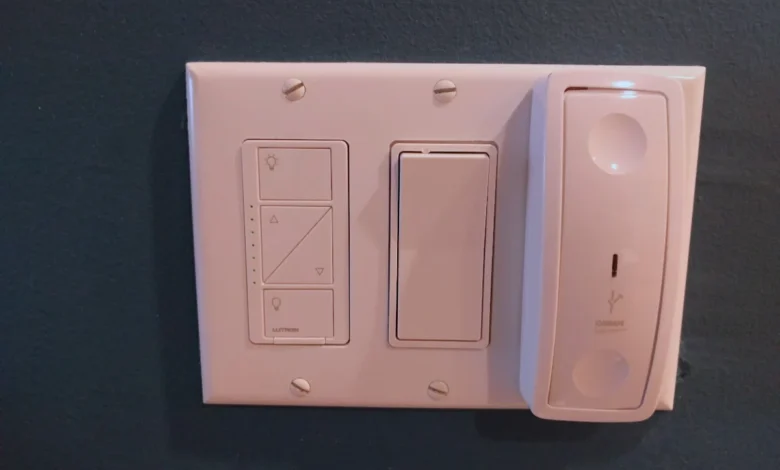
This vision of "ambient intelligence" is the next frontier for the industry. However, achieving this requires a level of reliability that the IoT sector has struggled to maintain. The transition from "smart devices" to "smart infrastructure" is seen as the necessary step to achieve this vision. By embedding connectivity into the electrical panel (as seen with the Leviton gear) or the light switches (as seen with Brilliant), the smart home becomes a permanent utility of the building rather than a fragile layer of software.
Conclusion and Broader Impact
The closure of The Internet of Things Podcast is a symbolic milestone in the history of technology journalism. It marks the end of a specific era of "evangelism" for the IoT. For eight years, the show argued for the potential of a connected world; now that the world is undeniably connected, the focus shifts to the management, security, and ethical implications of that connectivity.
While Stacey Higginbotham and Kevin Tofel are stepping back from this specific platform, the industry they documented continues to accelerate. The Arm IPO mentioned at the start of the episode underscores the massive scale of the semiconductor industry that powers these devices. As AI becomes increasingly integrated into the "edge" of the network—the devices themselves—the conversations started on the podcast will continue in new formats and across different sectors.
The legacy of the show remains its role as a historical record of a transformative decade. It documented the transition from a world where connecting a lightbulb to the internet was a novelty to a world where a home without connectivity is increasingly considered obsolete. As the hosts noted in their final sign-off, the industry’s move toward standardization and infrastructure is the "perfect note" on which to end, as it suggests the IoT has finally grown up.