AWS Builder Center Expands Mobile Presence with Dedicated iOS and Android Applications and Launches New Community Features

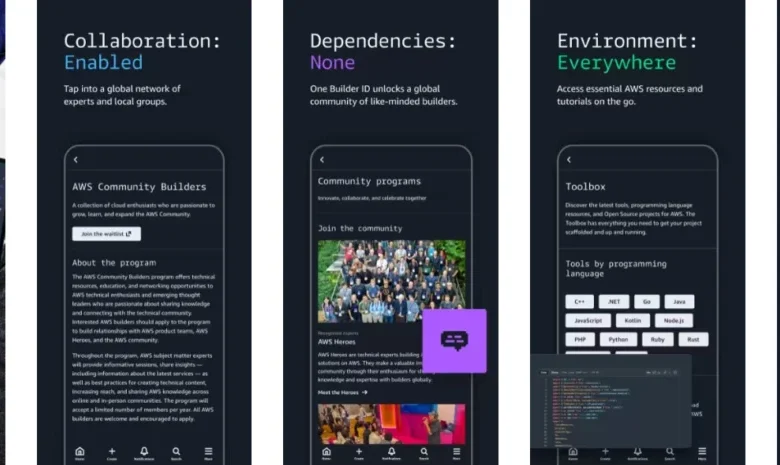
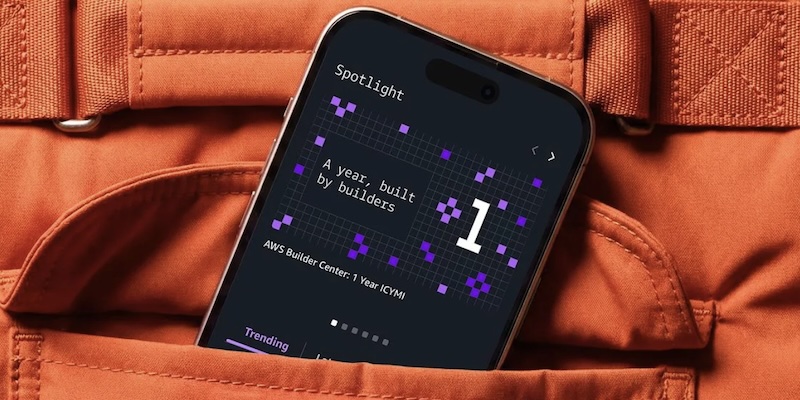
The Amazon Web Services (AWS) developer ecosystem has entered a new phase of accessibility with the official global rollout of the AWS Builder Center mobile application for iOS and Android platforms. Designed to bridge the gap between desktop-bound development workflows and mobile convenience, the application allows developers, cloud architects, and technology enthusiasts to remain continuously connected to community insights, technical resources, and hands-on learning environments regardless of their physical location.
Available immediately on the Apple App Store and the Google Play Store, the new mobile client addresses a long-standing logistical challenge for modern technologists: maintaining continuous engagement with rapid technological updates while away from primary workstations. By leveraging a single AWS Builder ID, users can seamlessly transition between desktop environments and mobile devices without losing their authenticated session state, preferences, or personalized content feeds.
Main Facts and Core Functionalities of the Mobile Release
The AWS Builder Center mobile application brings a robust suite of community and educational tools directly to smartphones and tablets. Rather than offering a stripped-down version of the desktop portal, AWS has integrated core ecosystem pillars into the native application framework.
Primary capabilities available within the mobile application include:
- Continuous Session Management: Utilizing the AWS Builder ID, users maintain authenticated access across multiple devices, preserving their reading history, bookmarks, and notification preferences.
- Curated Content Streams: Users can browse trending technical articles, deep-dive architectural posts, and expert guides tailored to specific cloud disciplines.
- Educational Integration: The application provides direct access to over 600 AWS Skill Builder courses, allowing professionals to pursue continuous professional development and cloud certifications on mobile devices.
- Hands-On Sandbox Environments: Developers can manage and interact with workshops that feature free sandbox environments, enabling practical experimentation without immediate resource provisioning.
- Community Networking: The platform supports following key ecosystem figures, including AWS Heroes, AWS Community Builders, and AWS User Group Leaders.
- Event Discovery: Real-time access to global Builder Loft event calendars ensures local participants can track meetups, hackathons, and regional developer gatherings.
- Push Notification Architecture: Users can configure targeted alerts for subscribed topics, emerging community discussions, and localized announcements.
- Direct Product Feedback: Integration with the Wishlist feature empowers developers to submit feature requests and feedback directly to internal AWS product teams.
Chronology and Development Background
The evolution of the AWS Builder Center reflects a strategic shift within Amazon Web Services toward fostering a more tightly integrated, collaborative global developer community. Over recent years, AWS has expanded its focus from pure infrastructure-as-a-service (IaaS) delivery to developer enablement, community-driven education, and peer-to-peer knowledge sharing.
The timeline leading up to the mobile application release highlights a deliberate, phased expansion of the Builder Center ecosystem:
- Foundation Phase: AWS established centralized developer portals and user-group networks to consolidate fragmented technical documentation and community blogs into a unified destination.
- Identity Integration: The widespread adoption of the AWS Builder ID streamlined authentication across various learning management systems, event platforms, and community forums.
- Web Portal Optimization: The desktop AWS Builder Center matured into a primary hub for trending articles, technical workshops, and hackathons.
- Global Mobile Deployment: AWS officially released the native iOS and Android applications, scaling community access to mobile devices worldwide.
- Feature Expansion: Alongside the mobile launch, AWS introduced interactive community polls and announced the Zero to Shipped hackathon, scheduled from September 18 to October 2.
Supporting Data and Technical Metrics
The launch of the AWS Builder Center mobile application is underpinned by significant metrics reflecting the scale of the contemporary cloud developer community:
- Educational Reach: The application provides direct mobile gateways to more than 600 distinct AWS Skill Builder courses, spanning foundational cloud concepts to advanced machine learning and serverless architecture.
- Hackathon Incentives: The concurrently launched Zero to Shipped hackathon features a total prize pool of $28,000, with individual winning project teams receiving $5,000 in AWS credits alongside curated AWS Builder swag bundles.
- Global Distribution: The application is deployed simultaneously across major app distribution networks worldwide, ensuring localized availability in multiple languages and compliance with regional data privacy frameworks.
- Engagement Mechanics: The newly introduced polling feature supports flexible community inquiry, allowing creators to pose questions with two to five answer options, predefined expiration deadlines, and anonymous voting models.
Official Responses and Industry Context
While specific executive quotes regarding the initial mobile rollout remain focused on developer-centric user experiences, the strategic rationale behind the application is clear. Industry analysts observe that cloud computing providers are increasingly competing not only on technical performance and pricing structures, but also on the strength, engagement, and productivity of their developer ecosystems.
By reducing friction in knowledge acquisition and community participation, AWS aims to lower the barrier to entry for emerging cloud technologies. Allowing developers to consume architectural tutorials, manage sandbox environments, and coordinate through hackathons via mobile devices aligns with broader industry trends toward ubiquitous, device-agnostic technical workflows.
Furthermore, features such as the direct Wishlist feedback mechanism formalize a feedback loop between external builders and internal engineering organizations. This structural integration helps AWS prioritize feature development based on real-world usage patterns reported directly by active cloud practitioners.
Broader Impact and Technical Implications

The introduction of a dedicated mobile portal for the AWS Builder Center carries several important implications for the software engineering and cloud architecture sectors:
Accelerated Continuous Learning
Modern software engineering demands continuous adaptation to rapidly evolving toolsets, particularly in domains such as artificial intelligence, container orchestration, and serverless computing. By embedding AWS Skill Builder access and trending technical literature into a mobile format, developers can utilize fragmented blocks of time—such as commutes or travel intervals—for professional development. This accessibility supports micro-learning habits that complement intensive, desk-based coding sessions.
Democratization of Hands-On Experimentation
The inclusion of workshop management and free sandbox environments within mobile reach lowers the operational overhead traditionally associated with testing cloud concepts. Developers can oversee, monitor, or review sandbox environments on the go, facilitating more agile prototyping phases.
Enhanced Community Collaboration
Features such as live-updating polls and targeted push notifications strengthen the social fabric of the AWS community. By enabling anonymous, frictionless polling directly within the home feed, AWS provides user group leaders, community builders, and technical writers with immediate quantitative insights into developer sentiment and technical preferences.
Incentivizing Innovation Through Structured Competitions
The timing of the Zero to Shipped hackathon alongside the mobile app release underscores the platform’s role as an incubator for practical application development. By challenging participants to connect coding agents to AWS, build functional applications, and deploy them live within a strict two-week window, AWS stimulates rapid prototyping and rewards high-impact implementations. The allocation of cloud credits as primary prizes ensures that winning developers possess the necessary operational runway to scale their projects beyond the initial competition phase.
As cloud ecosystems continue to mature, platforms that successfully blend technical education, peer collaboration, and seamless mobile accessibility will likely set the benchmark for developer relations. The deployment of the AWS Builder Center application marks a definitive step toward creating an always-on, globally integrated environment for the next generation of cloud builders.