FinCEN and the Federal Reserve Withdraw Proposed Expansion of Crypto Recordkeeping and Travel Rule Requirements

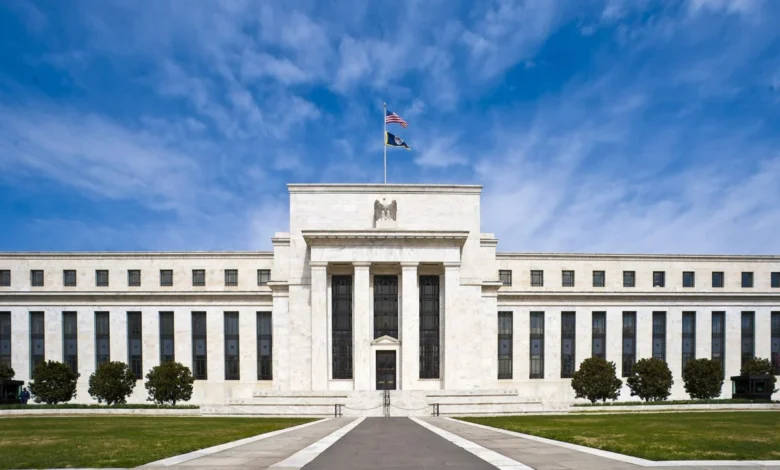
The U.S. Treasury Department’s Financial Crimes Enforcement Network (FinCEN) and the Federal Reserve Board have officially withdrawn a controversial proposal that sought to expand recordkeeping and "Travel Rule" requirements for convertible virtual currency (CVC) and digital asset transfers. The joint decision, announced on November 6, terminates a rulemaking process that had been under scrutiny since its inception, effectively signaling that the regulators will not pursue the specific amendments in their current form. However, legal experts and industry analysts emphasize that this regulatory retreat should not be mistaken for a broader deregulation of the cryptocurrency sector. Existing anti-money laundering (AML) and countering the financing of terrorism (CFT) obligations remain firmly in place for financial institutions and virtual asset service providers (VASPs).
The Genesis and Evolution of the Proposal
To understand the weight of this withdrawal, it is necessary to examine the regulatory timeline. The proposal in question originated from a 2020 Notice of Proposed Rulemaking (NPRM) aimed at bridging the gap between traditional banking regulations and the rapidly evolving digital asset landscape. The core intent was to lower the threshold for "funds transfers" subject to the Travel Rule—which requires financial institutions to collect, retain, and transmit specific information for transactions exceeding a certain monetary limit—from $3,000 to $250 for international transactions.
For the crypto industry, the proposal represented a significant operational challenge. Because the Travel Rule was originally designed for the SWIFT banking system, applying it to decentralized or pseudonymous digital asset networks involves profound technical hurdles. Compliance requires the secure transfer of personally identifiable information (PII) between originators and beneficiaries, a process that is inherently complex when unhosted wallets or decentralized finance (DeFi) protocols are involved.
Over the three years since the proposal was first tabled, the digital asset ecosystem underwent a massive transformation. The rise of stablecoins, the maturation of institutional-grade custody solutions, and the increased focus on global standards—such as those set by the Financial Action Task Force (FATF)—altered the landscape significantly. By withdrawing the proposal, regulators have acknowledged that the 2020 framework may no longer align with the current technical realities of the blockchain industry or the administrative priorities of the current administration.
Dissecting the Regulatory Distinction
A central point of confusion following the announcement is the distinction between a "withdrawn proposal" and a "repeal." A proposal is merely a draft of potential future regulation; it has no force of law. By withdrawing the NPRM, FinCEN and the Fed have simply closed the door on that specific legislative path.
This action does not affect the Bank Secrecy Act (BSA) or the underlying Travel Rule requirements that have applied to financial institutions for decades. Institutions are still legally obligated to maintain rigorous KYC (Know Your Customer) protocols, report suspicious activities, and ensure they are not facilitating transactions for sanctioned entities. The withdrawal removes the pressure to implement the specific $250 threshold, but it does not grant firms immunity from the broader AML requirements that govern cross-border finance.
The Duality of Enforcement: A Strategic Shift
The withdrawal of the expansion proposal did not occur in a vacuum. On the same day the announcement was made, FinCEN took aggressive action against MEXC Global, a major crypto exchange, as part of "Operation Economic Outcast." This enforcement action served as a stark reminder that regulators are moving away from broad, industry-wide rulemaking and toward targeted, entity-specific enforcement.
The MEXC Global action highlights a strategic shift: instead of trying to shoehorn the entire crypto industry into a rigid regulatory box via broad mandates, federal agencies appear to be focusing on identifying and neutralizing specific actors that pose significant risks to the U.S. financial system. This "surgical" approach allows agencies to combat illicit finance without necessarily imposing the heavy compliance costs of a blanket rule on every startup and service provider in the ecosystem.
Industry Reaction and Economic Implications
The crypto industry’s reaction to the withdrawal has been largely positive, albeit cautious. For years, trade groups and legal counsel for major exchanges argued that the $250 threshold would impose a disproportionate burden on service providers, potentially stifling innovation and driving users toward unregulated offshore platforms.
From an operational standpoint, the removal of the proposed amendment allows compliance teams to halt projects that were specifically designed to meet the lower threshold. However, many institutions had already begun investing in infrastructure to comply with these rules, as global jurisdictions—such as the European Union under its MiCA (Markets in Crypto-Assets) regulation—are moving toward their own, often stricter, reporting requirements.
Supporting data suggests that compliance costs are a primary driver of industry consolidation. According to industry reports, medium-sized crypto firms spend upwards of 15% of their operational budget on AML and KYC compliance. A lower threshold, as originally proposed, would have likely increased these costs by 20% to 30% due to the need for manual review of smaller, more frequent transactions. By abandoning this requirement, the government has provided a temporary reprieve from these increased overheads.
Broader Context: Global Regulatory Divergence
The U.S. decision to withdraw the proposal highlights a wider trend of regulatory divergence. While the U.S. is signaling a pause on specific, narrow reporting mandates, the European Union is currently implementing the Transfer of Funds Regulation (TFR), which effectively imposes Travel Rule requirements on crypto-asset transfers with no minimum threshold.
This creates a complex environment for multinational firms. A company operating in both the U.S. and the EU must now navigate a landscape where their U.S. operations may be subject to a different set of reporting triggers than their European counterparts. This fragmentation forces firms to maintain dual-track compliance systems, which can complicate internal data management and increase the risk of regulatory friction.
Compliance Strategy: What Comes Next?
For compliance departments, the immediate mandate is to maintain the status quo. Regulatory trackers and internal policy documents should be updated to reflect that the proposed $250 threshold is no longer in the pipeline, but the existing $3,000 reporting threshold remains the standard for most cross-border transactions.
Looking forward, industry stakeholders should anticipate:
- Guidance on Unhosted Wallets: While the specific Travel Rule expansion is off the table, the agency’s focus on the intersection of unhosted wallets and AML compliance remains high. Further guidance is expected to address how institutions should treat interactions with these wallets.
- Standardization of Data Protocols: Even without a mandate, the industry is increasingly adopting technical standards (such as the InterVASP messaging standard) to facilitate the sharing of Travel Rule information. These standards are becoming the de facto requirement for institutional-grade compliance.
- Targeted Enforcement Actions: As demonstrated by the MEXC Global case, regulators will continue to use the BSA to penalize exchanges that fail to implement basic screening. Compliance teams should shift their focus from complying with hypothetical future rules to reinforcing their existing AML/CFT controls.
Conclusion
The decision by FinCEN and the Federal Reserve to withdraw the proposed expansion of the Travel Rule is a pragmatic step in an evolving regulatory climate. It represents a pivot from prescriptive, broad-based rulemaking toward a more targeted, enforcement-led oversight model. While the industry breathes a sigh of relief regarding the immediate cost of the proposed $250 threshold, the underlying legal environment remains stringent.
Ultimately, this development underscores the reality of digital asset regulation in the 2020s: the framework is not disappearing; it is simply becoming more complex and more surgical. Financial institutions and crypto-asset service providers must remain vigilant, prioritizing robust AML infrastructure that can adapt to both the current domestic requirements and the shifting international standards that continue to shape the global financial system. As the regulatory dust settles, the emphasis will undoubtedly remain on traceability, accountability, and the mitigation of illicit finance, regardless of whether those goals are pursued through new rules or existing authorities.