LimeWire AI Studio: A Comprehensive Analysis of the Platform’s Evolution and Monetization Model for Digital Creators

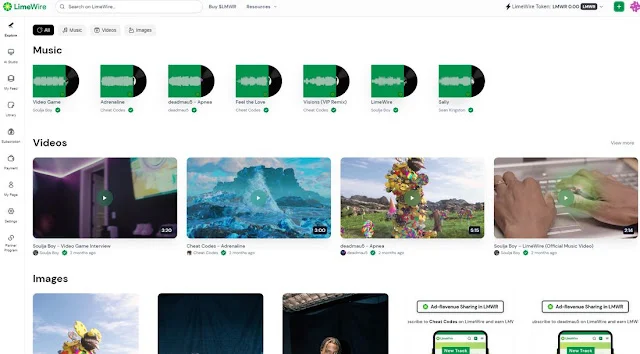
The digital landscape has witnessed a profound metamorphosis in the role of LimeWire, a brand once synonymous with the peer-to-peer file-sharing era of the early 2000s. Today, LimeWire has shed its legacy as a music-sharing utility to re-emerge as a sophisticated, blockchain-integrated generative AI publishing platform. By merging advanced machine learning models with decentralized finance (DeFi) mechanisms, the company is attempting to bridge the gap between AI-driven content generation and professional digital asset management. This shift reflects a broader industry trend where legacy tech brands are pivoting toward the Web3 and AI-centric ecosystems to remain relevant in a rapidly digitizing economy.
From Peer-to-Peer File Sharing to Generative AI
The original LimeWire application, launched in 2000, became a household name for millions, though it was eventually shuttered in 2010 following extensive legal battles regarding copyright infringement. The modern incarnation of the brand, acquired and repurposed by a new management team, has adopted a strategic focus on the creator economy.
The transition to an AI studio model represents a deliberate move away from the gray-market file-sharing of the past. The current platform operates as a centralized hub for creators—ranging from independent digital artists to mainstream figures such as Deadmau5 and Soulja Boy—to produce, mint, and monetize original digital content. Unlike the original platform, which facilitated the distribution of existing copyrighted files, the new LimeWire AI Studio is built on the premise of original creation using generative models, effectively avoiding the legal pitfalls that led to the original entity’s downfall.
The Technical Framework of LimeWire AI Studio
At the core of the LimeWire ecosystem is its AI image generation engine, which integrates multiple industry-standard models, including Stable Diffusion 2.1, Stable Diffusion XL, and DALL-E 2. This multi-model approach allows users to experiment with various aesthetic outputs, from photorealistic cinematic imagery to stylized anime and digital art.
The platform provides a modular user interface designed to accommodate both novice users and experienced designers. By utilizing advanced samplers and prompt engineering, creators can refine their output to match specific creative visions. Furthermore, the company has confirmed the development of a proprietary AI model, signaling a move toward greater vertical integration. This development is expected to reduce reliance on third-party APIs and provide users with a unique stylistic signature that differentiates LimeWire content from the output of generic AI generators.
Blockchain Integration and the Minting Process
A defining characteristic of LimeWire’s current business model is the seamless automation of NFT minting. Once an image, or eventually a music or video file, is generated, the platform provides the user with an option to publish it directly to the blockchain.
Utilizing the Polygon and Algorand networks, the platform transforms creative output into non-fungible tokens. This process provides several functional benefits:
- Provenance and Authenticity: Each asset is cryptographically signed, ensuring that the original creator’s identity is permanently recorded on the ledger.
- Tradeability: Once minted, these digital assets can be traded on secondary markets, creating a secondary revenue stream for the creator.
- Royalty Mechanisms: The platform enforces a 2.5% royalty structure, ensuring that original creators receive a percentage of proceeds every time their work changes hands in the secondary market.
This architecture addresses a significant pain point in the AI art community: the lack of clear ownership and monetization pathways for AI-generated images. By embedding these assets into the blockchain, LimeWire is positioning its studio as a professional tool rather than a mere hobbyist generator.
Economic Implications and the LMWR Token
The platform’s economic backbone is the LMWR token, an ERC-20 utility token that serves as the primary currency for internal transactions and revenue distribution. This model is designed to incentivize user retention and active contribution to the platform.
Revenue sharing is structured to favor active creators. When users publish content, they are eligible to receive up to 70% of the ad revenue generated by views on their respective pages. The remaining 30% is retained by the platform to support infrastructure and development. These payouts are processed in LMWR, which is liquid on major exchanges such as Kraken, ByBit, and Uniswap. This integration of a native cryptocurrency allows for a global, borderless payment system that bypasses traditional banking frictions, particularly for international creators in regions where standard payment processors may be limited.
Tiered Subscription Models and Market Positioning
To maintain operational sustainability, LimeWire employs a tiered subscription strategy. The platform operates on a "freemium" model, which acts as an entry point for casual users while offering tiered benefits for professional content creators.
- Free Tier: Provides 10 credits daily, allowing for up to 20 image generations, with a 50% ad revenue share. This tier is optimized for user acquisition and platform discovery.
- Pro Tiers ($9.99 to $99 per month): These plans offer significantly higher credit limits, ranging from 1,000 to 11,250 credits per month. Pro users also benefit from higher ad revenue percentages (up to 70%), faster processing speeds, early access to new AI models, and the removal of third-party advertisements.
This pricing structure positions LimeWire as a competitor to subscription-based services like Midjourney or Adobe Firefly, with the added differentiation of built-in monetization and marketplace features.
Broader Impact and Industry Analysis
The emergence of LimeWire as a generative AI hub is part of a larger trend of "platformization" in the AI space. Analysts suggest that the future of generative AI lies in its integration with existing distribution channels. By combining the creation tool with a social feed and a marketplace, LimeWire effectively collapses the workflow for digital creators.
However, the platform faces significant competition. Companies like OpenAI and Stability AI are rapidly scaling their enterprise solutions, and social media giants are integrating similar generative capabilities directly into user feeds. LimeWire’s success will likely hinge on its ability to sustain its community, ensure the legal compliance of its AI training sets, and successfully execute its roadmap for music and video generation.
The proposed expansion into AI-generated music and video is particularly noteworthy. Given the company’s historical roots in the music industry, this move could be a critical differentiator. If LimeWire can provide a platform where users can generate, publish, and monetize AI-generated music tracks—while managing the complex landscape of royalty rights through blockchain—it could capture a significant portion of the burgeoning AI audio market.
Regulatory and Ethical Considerations
As with any platform utilizing generative AI, LimeWire must navigate the evolving landscape of intellectual property law. While the platform encourages the creation of original content, the use of large language models and diffusion models remains a subject of intense global scrutiny.
LimeWire has positioned its tools as a creative aid rather than a replacement for human artistry, emphasizing the role of the creator in crafting the prompts and curating the final outputs. The company’s focus on the "creator economy" suggests that it aims to foster an environment where AI tools empower human expression rather than simply mass-producing content.
Conclusion and Future Outlook
LimeWire has successfully rebranded itself from a legacy file-sharing service into a forward-looking AI studio. By integrating generative technology with blockchain-based monetization, it has created a unique value proposition for digital creators. The platform’s ability to offer a "one-stop-shop" for creation, minting, and revenue generation provides a compelling case for its adoption by both hobbyists and professional artists.
As the company prepares to introduce music and video generation tools, the industry will be watching closely to see if it can maintain its momentum. The success of the platform will ultimately depend on its capacity to balance user growth, technical innovation, and the volatile nature of the crypto and AI markets. For now, LimeWire stands as a prime example of how legacy technology brands are leveraging the current AI boom to reinvent themselves in the Web3 era.