LimeWire Reimagined: The Evolution from Peer-to-Peer Legacy to Generative AI Content Studio

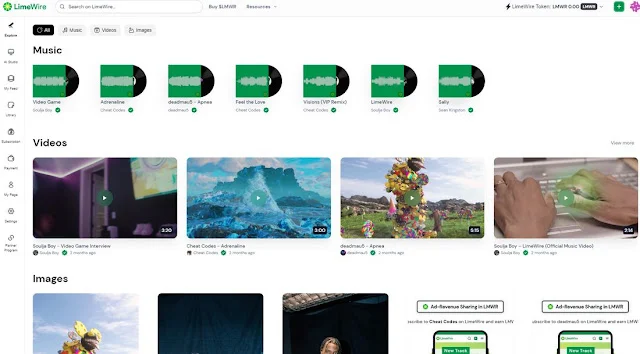
The digital landscape has witnessed a dramatic transformation in the identity of LimeWire, a brand once synonymous with the early 2000s peer-to-peer file-sharing era. Following its pivot from a defunct software application to a modern, blockchain-integrated generative AI platform, LimeWire has positioned itself as a critical player in the creator economy. By synthesizing artificial intelligence with NFT-based ownership and decentralized finance (DeFi), the platform seeks to solve contemporary challenges regarding content monetization, digital rights, and accessibility for digital artists.
A Chronology of Transformation
The trajectory of LimeWire represents one of the most unexpected rebrandings in technology history. In the early 2000s, the original LimeWire software dominated the internet, facilitating the unauthorized exchange of music and files, eventually leading to high-profile legal battles that shuttered the service in 2010.
The modern iteration of the brand emerged in 2022, when brothers Paul and Julian Zehetmayr acquired the brand rights with the intent to pivot toward the Web3 and creator economy space. Initially launched as an NFT marketplace, the platform rapidly expanded its scope. By 2023, the company integrated generative AI tools into its infrastructure, effectively turning the platform into a "Studio" where users could generate, publish, and monetize digital assets without requiring advanced technical expertise. This shift mirrors a broader industry trend where legacy tech brands are being repurposed to serve the growing demand for generative AI-driven content.
The Technological Architecture of LimeWire Studio
At its core, LimeWire Studio functions as an integrated suite of generative AI tools. Currently, the platform emphasizes AI image generation, leveraging high-performance models such as Stable Diffusion 2.1, Stable Diffusion XL, and DALL-E 2. This multi-model approach allows users to select the underlying architecture that best suits their specific artistic requirements, ranging from hyper-realistic photography to stylized digital illustrations and anime-inspired art.
The platform distinguishes itself through its user-centric interface, which lowers the barrier to entry for creators who may lack experience in complex prompt engineering. By offering features such as adjustable samplers and diverse artistic filters—including cinematic, pixel art, and analog film presets—the platform facilitates a nuanced creative workflow. According to company roadmaps, LimeWire is actively developing a proprietary AI model, signaling an intention to reduce dependence on third-party APIs and enhance the unique "visual signature" of content produced within the ecosystem.
Monetization and the Tokenized Economy
The most significant departure from traditional content platforms is LimeWire’s integration of the LMWR token, a utility cryptocurrency that facilitates the platform’s revenue-sharing model. This ecosystem is designed to reward creators directly through two primary channels: NFT minting and ad-revenue sharing.
Once a creator generates an image, the platform offers the option to mint the file as an NFT on the Polygon or Algorand blockchains. This process effectively converts the digital file into a unique, verifiable asset. The utility of this approach is two-fold: it establishes clear provenance and allows the creator to earn a 2.5% royalty on any secondary market sales.
Beyond NFT sales, the platform implements a profit-sharing model regarding advertising. When a creator publishes content, they are eligible to earn a portion of the ad revenue generated by views of that content. Depending on the creator’s subscription tier, they can earn between 50% and 70% of the associated ad revenue. These payments are distributed in LMWR tokens, which are liquid on several major decentralized and centralized exchanges, including Kraken, ByBit, and Uniswap. This model attempts to align the interests of the platform with those of its users, creating a self-sustaining economy where active participation is financially incentivized.
Subscription Tiers and Accessibility
LimeWire employs a tiered pricing structure to cater to varying levels of professional commitment. The platform offers a free-to-use tier, which provides 10 initial credits and the ability to generate up to 20 images per day, aimed at hobbyists and those testing the platform’s capabilities.
For professional creators, the platform offers four paid subscription tiers:
- Basic Tier ($9.99/month): Provides 1,000 credits, approximately 2,000 image generations, and a 50% ad revenue share.
- Pro Tier ($29/month): Offers 3,750 credits, 7,500 image generations, and a 60% ad revenue share.
- Pro Plus Tier ($49/month): Increases capacity to 5,000 credits, 10,000 image generations, and a 70% ad revenue share.
- Pro Ultra Tier ($99/month): The highest tier, providing 11,250 credits, 22,500 image generations, and a 70% ad revenue share.
All premium tiers include "Pro" profile badges, faster generation speeds, and an ad-free experience for the user. By tying revenue share percentages to the cost of the subscription, LimeWire encourages high-volume creators to invest in the platform, effectively creating a tiered professional ecosystem.
Broader Implications for the Creator Economy
The rise of platforms like LimeWire signals a fundamental shift in how digital content is valued. Traditional social media platforms have historically extracted the bulk of value from content through advertising, often leaving the creators with little more than exposure. LimeWire’s model of on-chain asset ownership and direct revenue sharing represents a move toward the "Creator-as-Owner" paradigm.
However, this model faces ongoing scrutiny regarding the legal and ethical implications of AI-generated art. While LimeWire provides a creative space, the broader generative AI industry continues to debate issues of copyright, data provenance, and the potential for market saturation. As the platform prepares to introduce AI-driven music and video generation tools, these questions will likely become more pronounced.
The endorsement of the platform by established figures such as Deadmau5, Soulja Boy, and Sean Kingston suggests a growing acceptance of NFT-based content distribution among high-profile artists. Their participation indicates that, despite the volatility of the crypto market, there remains a persistent interest in finding new ways to bridge the gap between fan engagement and direct financial compensation for digital assets.
Future Outlook and Strategic Expansion
LimeWire’s roadmap for the coming quarters focuses on technical expansion. By moving beyond static image generation into the more complex territories of AI music and video synthesis, the platform aims to capture a larger share of the multimedia creative market. The strategic expansion into music is particularly notable given the original LimeWire’s history as a music-focused file-sharing hub; this evolution could be viewed as a full-circle moment for the brand, albeit one now governed by blockchain transparency and artificial intelligence.
In conclusion, LimeWire has successfully transitioned from a legacy software relic into a modern generative AI studio. By integrating high-level AI models with a robust, token-based economy, the platform provides a compelling case study on how to modernize a tarnished brand. Whether the platform can maintain its growth in an increasingly crowded generative AI landscape will depend on its ability to sustain its token value, refine its proprietary models, and successfully implement its planned expansion into music and video. For now, it serves as a prominent example of how the convergence of Web3 and generative AI is reshaping the possibilities for individual content creators in the 21st century.